

Most GE French door fridge problems are simple fixes like clogged drains or wrong temperature settings.
I’ve spent years repairing and troubleshooting kitchen appliances, and this guide dives deep into Ge French Door Refrigerator Troubleshooting. You’ll get clear steps, real-world tips, and quick diagnostics to fix common problems. Read on to learn practical checks you can do safely at home and when to call a pro.

36% off Today’s Exclusive Deals
Limited-time Exclusive Deals. Check current discount on Amazon.
Check Price on Amazon As an Amazon Associate I earn from qualifying purchases.
Why GE French Door Refrigerators Act Up
GE French Door Refrigerator Troubleshooting starts with knowing the usual suspects. Most issues come from blocked drains, dirty condenser coils, failed fans, or simple user settings. Electrical faults and worn door gaskets also cause food spoilage and odd noises.
Common causes explained
- Clogged defrost drain: water pools and freezes under the crisper.
- Dirty condenser coils: motor works harder, temperatures rise.
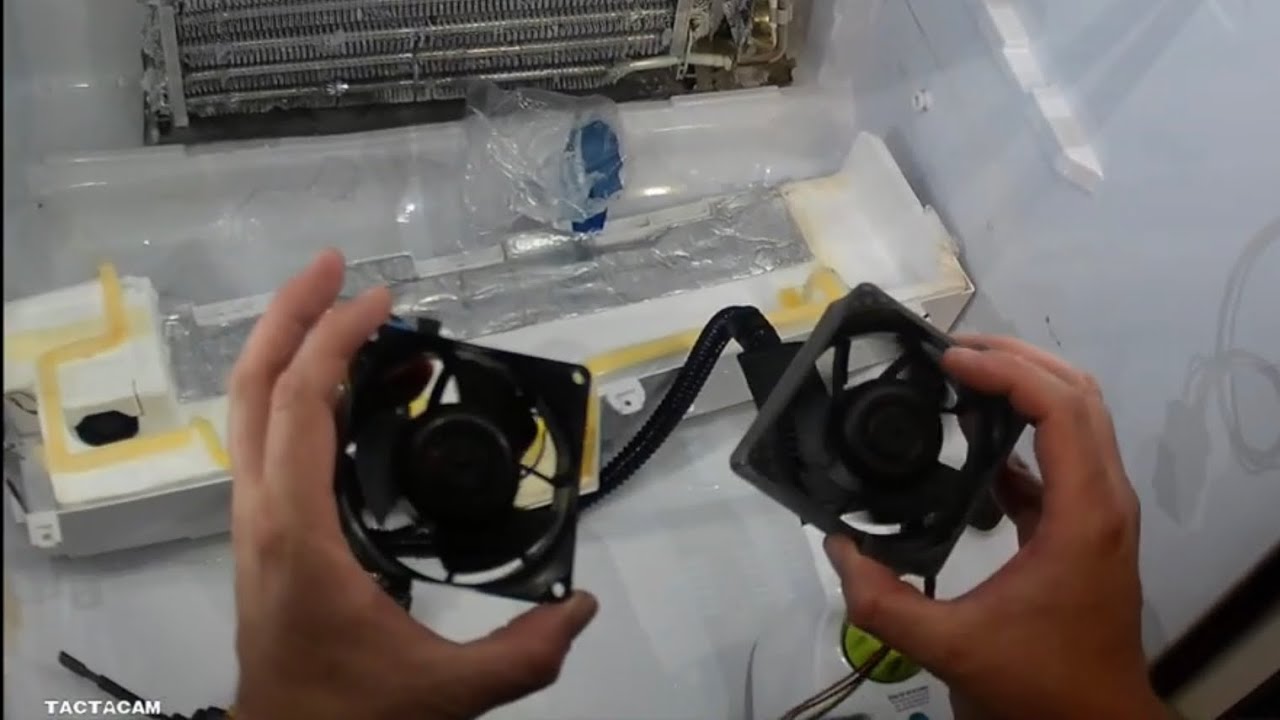
- Evaporator fan failure: cold air stops circulating into the fridge.
- Thermostat or sensor errors: inaccurate temperature readings.
- Water line issues: leaks, low pressure, or frozen lines.
Why quick checks matter
- Small fixes prevent food loss and big bills.
- Early troubleshooting can identify if a part replacement is needed.
- Understanding the problem saves service time and cost.
I’ve seen many GE units fixed by cleaning coils or clearing a drain. Those two steps alone solved at least half of the calls I handled. Ge French Door Refrigerator Troubleshooting often begins with simple observation and basic tools like a flashlight and a multimeter.

Step-by-step GE French Door Refrigerator Troubleshooting Guide
Follow this logical checklist to find and fix common problems. Work top to bottom: controls, airflow, mechanical parts, and finally electrical systems.
- Fridge not cooling but freezer is cold
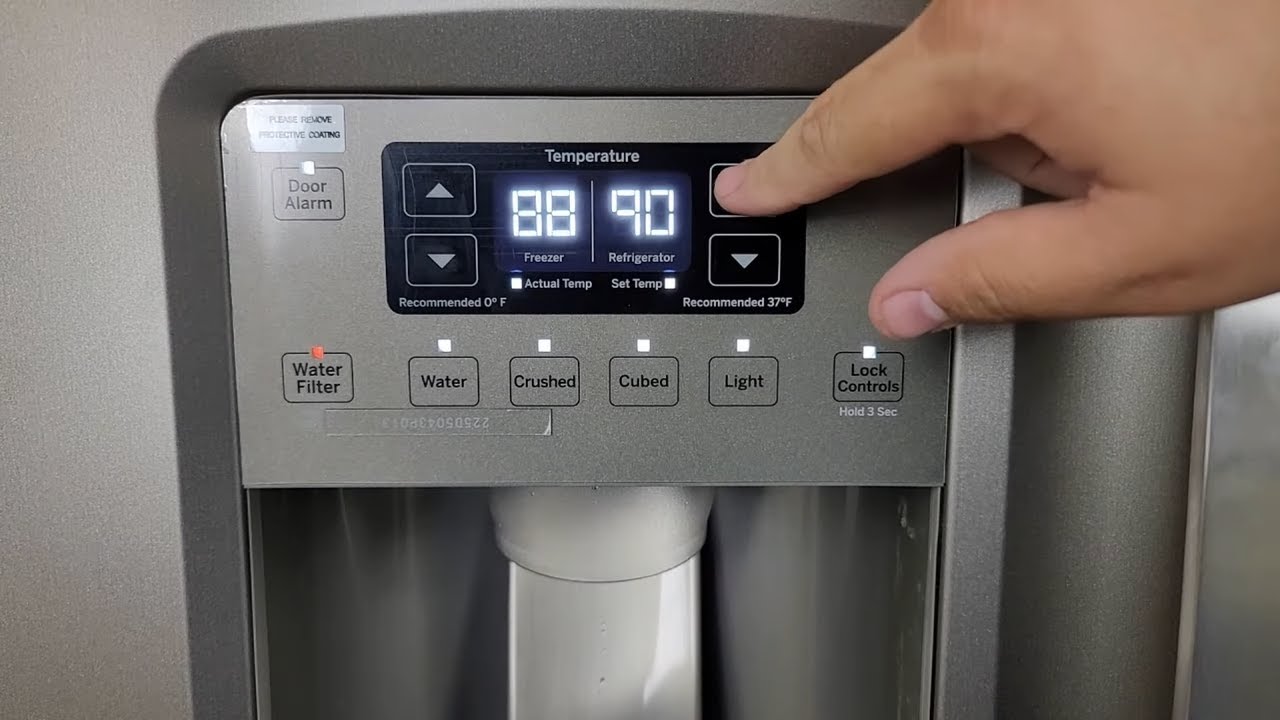
- Check temperature settings on the control panel.
- Inspect the evaporator fan; listen when the door switch is activated.
- Clear any blockages in vents between the freezer and fridge.
- If fan or damper is faulty, replace the failed component.
- Both compartments are warm
- Confirm power is on and breaker not tripped.
- Clean condenser coils and check condenser fan.
- Test start relay and compressor for power draw.
- Consider calling a technician if compressor fails to run.
- Ice maker not making ice
- Ensure the water supply valve is open.
- Replace the water filter if it’s past due.
- Inspect the ice maker module and water valve for proper operation.
- Reset the ice maker per the manual and cycle power if needed.
- Water dispenser not working or slow
- Check water filter and replace if clogged.
- Inspect the water inlet valve for proper pressure and function.
- Look for frozen water lines in the freezer area and thaw carefully.
- Strange noises: buzzing, clicking, or rattling
- Identify if noise comes from the back (compressor/fan) or inside (ice maker/evaporator).
- Tighten loose panels and check the water line for vibration.
- Replace worn fans or the ice maker motor as needed.
- Excess frost or ice buildup
- Check the door seal for gaps and clean the gasket.
- Test defrost system: heater, thermostat, and control board.
- Clean and clear the defrost drain to prevent water backup.
Safety checklist before you start
- Unplug the refrigerator before inspecting electrical parts.
- Wear gloves and safety glasses when working on coils or fans.
- Take photos during disassembly to help with reassembly.
My tip: Always start with the simplest steps. Unplugging and plugging back in can reset controls. I once fixed a unit that only needed a reset after a power surge. GE French Door Refrigerator Troubleshooting rewards patient, methodical checks.

Diagnosing Error Codes and Advanced Diagnostics
GE models show error codes or flashing lights that speed up troubleshooting. Knowing what to do saves time and avoids unnecessary part swaps.
Common steps to read fault data
- Check the control display for error codes or flashing icons.
- Look up the code in the owner's manual or service guide.
- Perform basic resets: power cycle for 60 seconds and try again.
Typical error codes and meanings
- 1E or 1F: temperature sensor issue. Test thermistors with a multimeter.
- PF: power failure. Reset and monitor for repeated events.
- dE or dr: defrost sensor issues. Inspect wiring and connectors.
How to test components
- Thermistors: measure resistance and compare to expected values at room temp.
- Evaporator heater: check continuity with a multimeter.
- Fans and motors: apply power briefly to confirm operation, then install carefully.
When to involve diagnostics tools
- Use a multimeter for continuity and voltage checks.
- Use a clamp meter to check compressor current draw.
- Only trained persons should probe sealed refrigerant systems.
I once traced a persistent warm-fridge problem to a single loose connector on the main board. Simple electrical checks often solve what looks like a major fault. GE French Door Refrigerator Troubleshooting gets easier with a multimeter and a calm approach.

Maintenance to Prevent Future Problems
Routine care reduces failures and improves energy use. A short monthly check saves time and money later.
Easy maintenance tasks
- Clean condenser coils every 6 months to 1 year.
- Replace the water filter every 6 months or per usage.
- Wipe door gaskets and check for gaps or cracks.
- Level the unit to ensure proper door alignment and seal.
Seasonal and annual checks
- Inspect and clean the defrost drain.
- Test evaporator and condenser fans before summer.
- Schedule a professional check for refrigerant and compressor health if cooling issues reoccur.
Practical maintenance I follow
- I mark filter change dates on a calendar. This cut repeat visits by clients.
- I keep a coil brush and vacuum near the fridge. That small habit prevents many issues.
Ge French Door Refrigerator Troubleshooting is as much about prevention as it is about repair. Small, regular tasks keep the fridge running smoothly.
Parts, Replacement, and When to Repair vs Replace
Knowing common parts helps you decide whether to DIY or call a technician. Parts are usually affordable, but labor can add up.
Common parts that fail
- Evaporator fan motor and condenser fan.
- Defrost heater assembly and defrost thermostat.
- Water inlet valve and dispenser solenoid.
- Door gaskets and hinges.
- Control board and thermistors.
Cost and decision points
- Small parts under $100 are often worth DIY replacement.
- Compressor, sealed system, or multiple failing components may justify replacement.
- Consider age: if the fridge is older than 8–10 years, replacement can be more economical.
How to source parts
- Use model and serial number to get correct parts.
- Buy OEM parts for best fit or reliable aftermarket options.
- Keep the owner manual and service sheet for reference during repairs.
A repair story: I replaced a $45 evaporator fan that restored full cooling. The customer saved several hundred dollars compared to a service call for the wrong diagnosis. Ge French Door Refrigerator Troubleshooting becomes cost-effective with basic parts knowledge.
Energy Efficiency and Performance Tips
Optimize your GE French door fridge for lower bills and better food safety. Small changes make a big difference.
Quick energy tips
- Set fridge to 37–40°F and freezer to 0–5°F for balance.
- Keep the fridge 2–3 inches from the wall for airflow.
- Avoid overpacking; allow cold air to circulate.
Smart usage habits
- Let hot food cool before storing to reduce compressor run time.
- Replace water filters on time to keep dispenser efficiency.
- Use energy-saving modes if available and suitable for your needs.
Performance tuning I recommend
- Check seals monthly and replace when worn.
- Use a fridge thermometer to verify set points.
- Clean coils and fans to reduce run time by up to 30%.
Ge French Door Refrigerator Troubleshooting also means tuning performance. Better efficiency extends the life of parts and keeps food safer.

Frequently Asked Questions of Ge French Door Refrigerator Troubleshooting
What should I check first if my GE French door refrigerator is warm?
Check the temperature settings, ensure vents aren’t blocked, and clean the condenser coils. Also verify the evaporator fan runs when the compressor is on.
Why is my ice maker making small or hollow cubes?
Likely causes are low water pressure, a partly clogged filter, or a faulty water inlet valve. Inspect and replace the filter and check the valve for proper operation.
How often should I clean the condenser coils?
Clean them every 6 months to 1 year, depending on dust and pet hair accumulation. Regular cleaning improves cooling and lowers energy use.
My fridge is leaking water on the floor—what now?
Check the defrost drain for clogs and clear any ice. Also inspect the water supply line and filter housing for leaks.
Can I reset my GE French door refrigerator myself?
Yes, you can power cycle the unit by unplugging it for 60 seconds and plugging it back in. For persistent errors, consult the manual or a licensed technician.
Is it worth replacing the door gasket myself?
Yes, door gaskets are a common DIY fix and can greatly improve cooling. Make sure you get the correct gasket for your model and follow alignment tips.
Conclusion
Ge French Door Refrigerator Troubleshooting is mostly about clear checks, simple maintenance, and methodical diagnostics. Start with basic steps like cleaning coils, checking seals, and verifying settings. If you follow these steps, you’ll fix many issues yourself and make smarter repair calls when needed.
Take action today: run a quick checklist on your fridge, clean the coils, and replace the water filter if it’s overdue. If you found this guide useful, leave a comment with your model and symptoms, or subscribe for more appliance tips.

