

Most GE Profile fridge issues are fixable with simple checks: power, vents, coils, or thermostat.
I have spent years fixing and testing kitchen appliances, and Ge Profile Fridge Troubleshooting is something I know well. This guide breaks down common causes, clear step-by-step fixes, real-world tips I learned on the job, and when to call a technician. Read on to get practical, safe, and reliable answers so you can get your fridge running right again.

36% off Today’s Exclusive Deals
Limited-time Exclusive Deals. Check current discount on Amazon.
Check Price on Amazon As an Amazon Associate I earn from qualifying purchases.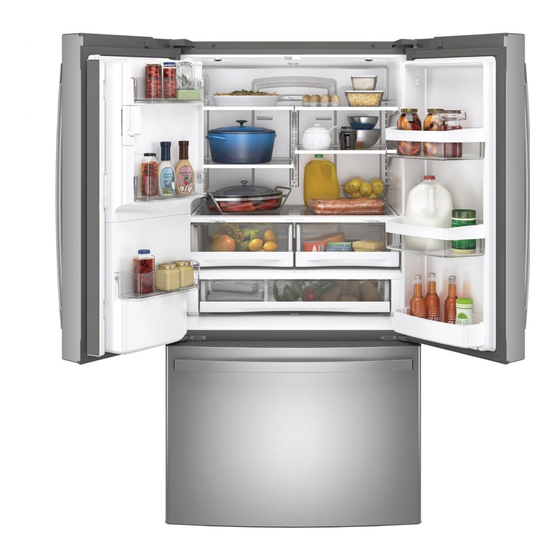
Common GE Profile Fridge Problems
GE Profile fridges can show the same symptoms as other premium models. Knowing the common issues helps you troubleshoot faster.
- Not cooling or warming in the fridge or freezer.
- Ice maker not producing ice or producing small/odd-shaped ice.
- Excessive frost or ice build-up in the freezer.
- Water leaks inside or under the fridge.
- Unusual noises like buzzing, clicking, or loud hums.
- Lights not working or control panel errors.
I have seen these problems often. Most stem from simple things like blocked vents, dirty coils, or defrost failures. Understanding symptoms helps narrow down the cause fast.

Quick checklist before you start troubleshooting
A short checklist saves time and avoids needless work. Try these checks first.
- Ensure the fridge is plugged in and the outlet is live.
- Check that temperature settings are correct for fridge and freezer.
- Make sure doors close fully and seals are clean.
- Inspect vents for blocked airflow from food or packaging.
- Listen for compressor and fan operation.
These checks fix many issues without tools. I usually test these steps before opening panels.
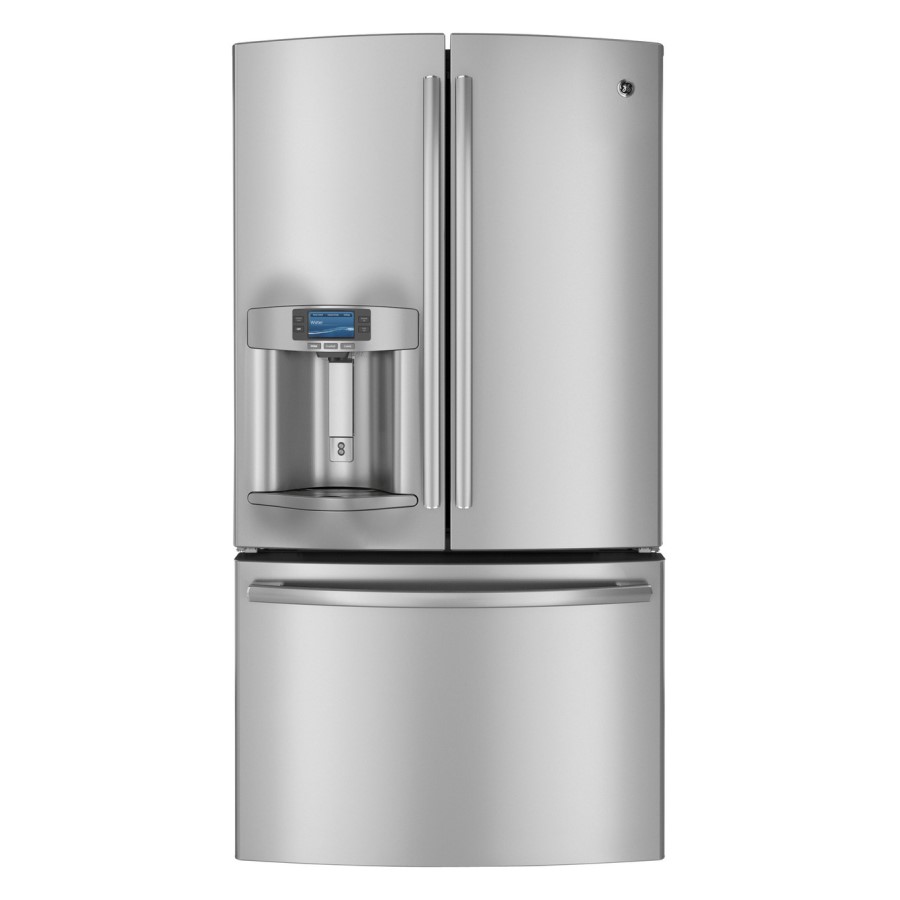
Step-by-step Ge Profile Fridge Troubleshooting
Follow these step-by-step checks for specific problems. I include clear actions and what to expect.
Fridge not cooling but freezer is fine
- Check vent paths between freezer and fridge for blockages.
- Measure temperature after 24 hours; aim for 37°F (3°C) in fridge.
- Verify evaporator fan runs when doors are closed. If fan is silent, replace motor.
- Clean condenser coils at the back or under the fridge.
- Confirm the defrost system works; excessive frost on evaporator suggests defrost failure.
If the evaporator is frosted solid, the fridge evaporator can’t circulate cold air. I once fixed a similar unit by replacing a failed defrost thermostat and clearing ice. That solved the cooling imbalance.
Freezer not freezing or frost build-up
- Check door gasket for leaks and replace if torn or warped.
- Inspect the defrost heater and timer or control board for failure.
- Remove heavy frost and test the defrost cycle; manual defrost if needed.
- Ensure the condenser fan and compressor run; a hot back indicates airflow or compressor issues.
A stuck-defrost timer or faulty heater often leads to frost. In one repair, simply cleaning the drain and replacing the defrost heater fixed the problem.
Ice maker not making ice or making small ice
- Confirm water supply valve is open and water pressure is normal.
- Inspect the water inlet valve for leaks or low flow; replace if faulty.
- Check the ice maker arm, module, and fill cup for jams or wear.
- Test the ice maker’s electrical cycle by manually initiating a harvest cycle (see manual).
I once found scale buildup on the inlet valve reduced flow. Replacing the valve restored full ice production.
Water leaking or pooling
- Check the defrost drain for clogs; clear with warm water or a pipe cleaner.
- Inspect the water line connections for tightness and leaks.
- Ensure the drain pan under the fridge is in place and not cracked.
- Verify door seals are intact to prevent condensation.
Most leaks are clogged drains or loose fittings. I recommend placing a shallow towel to catch any drips while you test.
Loud clicking, humming, or loud compressor
- Clicking can be a relay trying to start a failing compressor.
- Humming is often normal, but loud rattles might be loose components or fan blades.
- Clean condenser fan and check fan motor bearings.
- If the compressor clicks off and on, the start device or compressor may be failing.
A failing start relay caused repeated clicking in a unit I repaired. Replacing the relay solved it and extended the compressor life.
Control panel errors or lights out
- Reset the fridge by unplugging for 60 seconds and plugging back in.
- Check for error codes and consult the manual for specific code meanings.
- Inspect door switches and LED bulbs for fault.
- If control board faults persist, a board replacement may be required.
Electronic glitches may be solved with a simple reset. Persistent errors signal board or sensor issues.

Tools, parts, and safety for Ge Profile Fridge Troubleshooting
Use the right tools and follow safety rules to avoid injury and damage.
- Tools to have
- Multimeter for voltage and continuity checks.
- Nut drivers and screwdrivers for panels.
- Socket set and pliers for valves and fittings.
- Flashlight and towel for leaks.
- Common parts you may need
- Start relay and overload kit.
- Evaporator fan motor.
- Water inlet valve.
- Door gasket and replacement bulbs.
- Defrost heater or thermostat.
- Safety tips
- Always unplug the fridge before working on electrical parts.
- Turn off water supply before servicing lines.
- Wear gloves when handling sharp metal or ice.
- Work on a flat surface and use protective eyewear for sprays.
I keep a small kit with the common parts. That saves time and trips to the store when I’m troubleshooting.

When to call a technician and expected costs
Some jobs need a pro. Know when to stop and call for help.
- Call a tech when:
- Compressor or sealed system needs work.
- Heavy refrigeration repair or refrigerant handling is required.
- You see burning smells or large electrical faults.
- Typical costs (approximate)
- Technician service call: modest flat fee.
- Simple part repairs like a fan or relay: low to moderate cost.
- Compressor or sealed system repair: high cost; often suggests replacement.
- Warranty and parts
- Check your warranty before major repairs. GE warranties vary by model and part.
I advise calling a tech for sealed system or compressor work. Attempting those repairs yourself risks more damage and safety hazards.

Preventive maintenance to avoid future problems
Simple maintenance keeps your GE Profile fridge running well. Do these tasks quarterly or twice a year.
- Clean condenser coils to improve efficiency.
- Check and clean door gaskets for a tight seal.
- Clear vents and avoid overpacking shelves.
- Replace water filters as recommended.
- Inspect and flush the defrost drain to prevent clogs.
Regular care prevented a lot of repeat calls in my work. A small weekly habit saves money and food.
Personal tips and mistakes to avoid
My real-world experience taught me a few key lessons worth sharing.
- Don’t rush to replace the compressor; check relays, fans, and coils first.
- Avoid using sharp tools to clear drains; you can damage lines.
- Test parts before buying replacements; a multimeter saves money.
- Keep model and serial numbers handy for parts lookup and warranty.
- If you fix it yourself, document steps and retain old parts until success.
I once wasted time replacing a compressor when the start relay was the issue. Now I always test the relay first.
People Also Ask — short answers
Q: How do I reset my GE Profile fridge?
A: Unplug the fridge for about 60 seconds, then plug it back in. Many control glitches clear with a simple reset.
Q: Why is my GE Profile fridge warm but freezer cold?
A: Likely blocked airflow from the freezer to fridge, a faulty evaporator fan, or a defrost issue causing ice buildup. Check vents and fans first.
Q: How often should I clean condenser coils?
A: Clean the coils at least every six months or more often if you have pets or dusty conditions. Cleaner coils improve cooling and efficiency.
Frequently Asked Questions of Ge Profile Fridge Troubleshooting
What should I check if my GE Profile fridge is not cooling?
Check power, temperature settings, door seals, vents, condenser coils, and evaporator fan. These simple checks fix many cooling problems.
Why is my GE Profile ice maker making soft or small ice?
Soft or small ice usually means low water pressure, a clogged water filter, or a weak inlet valve. Replace the filter and check the water valve.
How do I fix frost build-up in my GE Profile freezer?
Defrost the freezer, clear the drain, and test the defrost heater and thermostat. Replace failed defrost components if frost returns quickly.
Can I replace the door gasket myself?
Yes, gasket replacement is often a DIY task if you have the right part and tools. Clean the surface and follow model-specific alignment steps.
How long does a GE Profile fridge last on average?
With proper care, many GE Profile fridges last 10 to 15 years. Regular maintenance and timely repairs can extend service life.
What causes a buzzing noise from my GE Profile fridge?
Buzzing can come from the compressor, relay, or condenser fan. Tighten loose parts, clean fans, and test the start relay to locate the source.
Conclusion
Ge Profile Fridge Troubleshooting becomes straightforward when you follow a method: check power and settings, clear airflow paths, clean coils, test fans and relays, and address water or defrost issues. Start with simple checks and move step-by-step toward more complex fixes. If you run into sealed-system or electrical problems, call a licensed technician.
Take action this week: run the quick checklist, clean coils, and inspect door seals. If you found this guide helpful, subscribe for more appliance tips or leave a comment with your fridge model and symptoms so I can help further.

