

Most GE range issues start with simple checks: power, gas, igniters, and error codes.
I have spent years repairing and advising on home appliances, and I know GE Range Troubleshooting well. This guide walks through clear, safe steps for diagnosis and repair. You will get practical checks, easy fixes, and guidance on when to call a pro. Read on to learn how to fix common GE range problems fast and with confidence.

36% off Today’s Exclusive Deals
Limited-time Exclusive Deals. Check current discount on Amazon.
Check Price on Amazon As an Amazon Associate I earn from qualifying purchases.
Why GE Range Troubleshooting Matters
A working range keeps meals on time and homes safe. GE Range Troubleshooting helps you spot hazards early. It saves you money and prevents small issues from growing. Knowing basic fixes avoids unnecessary service calls and keeps your appliance in good shape.

Common GE Range Problems and Causes
Here are the frequent issues you will see during GE Range Troubleshooting.
• Burners click but do not light. This often stems from wet igniters, clogged ports, or weak gas flow.
• Burner flame is weak or yellow. This can mean bad air-to-gas mix or clogged ports.
• Oven won’t heat or is slow. Faulty bake/broil elements, a bad igniter, or a failing control board can cause this.
• Oven temperature is off. A bad thermostat or calibration issue is common.
• Self-clean lock or door won’t latch. Mechanical latch or control errors can block cleaning cycles.
• Error codes on display. The control board will show codes that point to sensors, switches, or circuits.
• Smell of gas. That is an emergency. Do not attempt repairs if gas is present. Evacuate and call the gas company or emergency services.
Safety First: Precautions for GE Range Troubleshooting
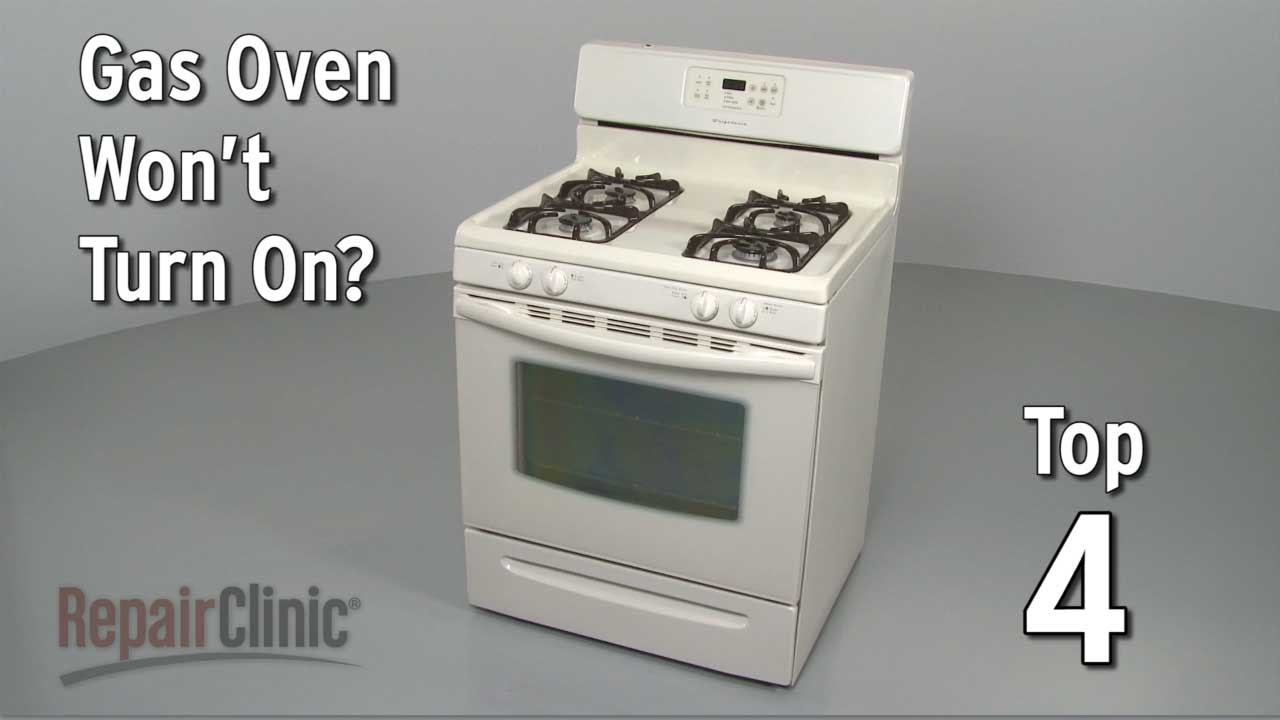
Safety is the top priority during GE Range Troubleshooting.
• Turn off power at the breaker before doing any electrical checks.
• Turn off the gas supply valve for gas ranges before working on burners or valves.
• Ventilate the area if you smell gas and leave immediately if the odor is strong.
• Use insulated tools for electrical parts and avoid water near wiring.
• Keep small parts organized; take photos of reconnects to avoid mistakes.
Diagnostic Checklist: Quick Steps to Start Troubleshooting
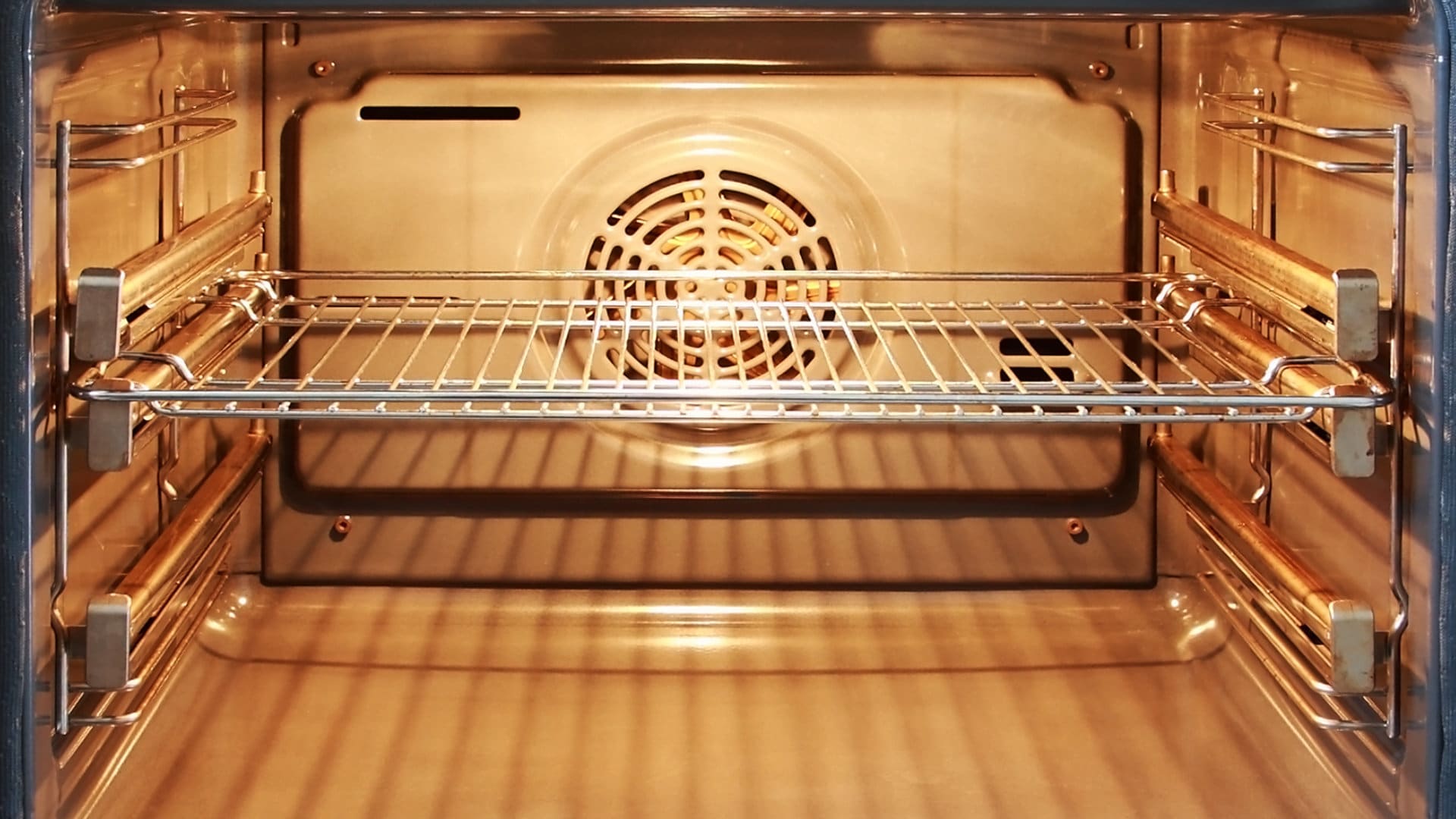
Use this checklist for organized GE Range Troubleshooting.
- Verify power: check breaker and outlet.
- Check gas supply: ensure valve is open and other gas appliances work.
- Inspect igniters: are they glowing or clicking?
- Clean burner caps and ports: remove debris and test flame.
- Note error codes: write them down for reference.
- Test oven element continuity with a multimeter if safe to do so.
- Confirm calibration: use an oven thermometer to compare readings.
Follow these steps in order. They stop you from replacing the wrong part.

Step-by-Step Fixes for Common Problems
This section provides targeted fixes in GE Range Troubleshooting.
Burner clicks but won't light
- Remove grate and cap. Clean ports with a soft brush.
- Dry igniter fully if damp; let it air-dry.
- Check for proper alignment of cap over base.
- If igniter does not glow or click continues, replace the igniter.
Weak or yellow flame
- Turn off burners and cool. Remove caps and clean clogged ports.
- Check for grease buildup under ports. Clean with a soft brush.
- If flame remains yellow, have a technician check burner orifices and gas pressure.
Oven does not heat
- For electric ovens, test bake element for continuity.
- For gas ovens, watch the igniter: if it glows but never lights, replace the igniter.
- Check the thermostat sensor for continuity and correct position.
- If the control board shows errors, note the code and consult repair guidance.
Oven runs too hot or too cold
- Verify temperature with a reliable oven thermometer.
- Calibrate using the range’s adjustment setting if available.
- Replace a faulty temperature sensor or thermostat if calibration fails.
Error codes and electronic faults
- Write down codes exactly as shown.
- Many GE codes point to thermal sensors, door switches, or relay faults.
- Reset power for a soft reboot and see if the code returns.
- Persistent codes usually require a control board or sensor replacement.
Self-clean or lock cycle problems
- Cancel the cycle and power off to reset.
- Inspect the door latch for obstruction.
- If the latch motor fails, replace the latch assembly per model instructions.

When to Call a Professional
Know the limits of DIY GE Range Troubleshooting.
• Smell of gas persists after basic checks. This is an immediate call to professionals.
• The issue involves sealed gas valves, regulators, or complex wiring.
• Control board replacement or advanced diagnostics are needed.
• The appliance is under warranty; DIY repairs may void it.
Call an authorized technician when safety or complex systems are involved. This avoids hazards and costly mistakes.
Maintenance Tips to Prevent Future Problems
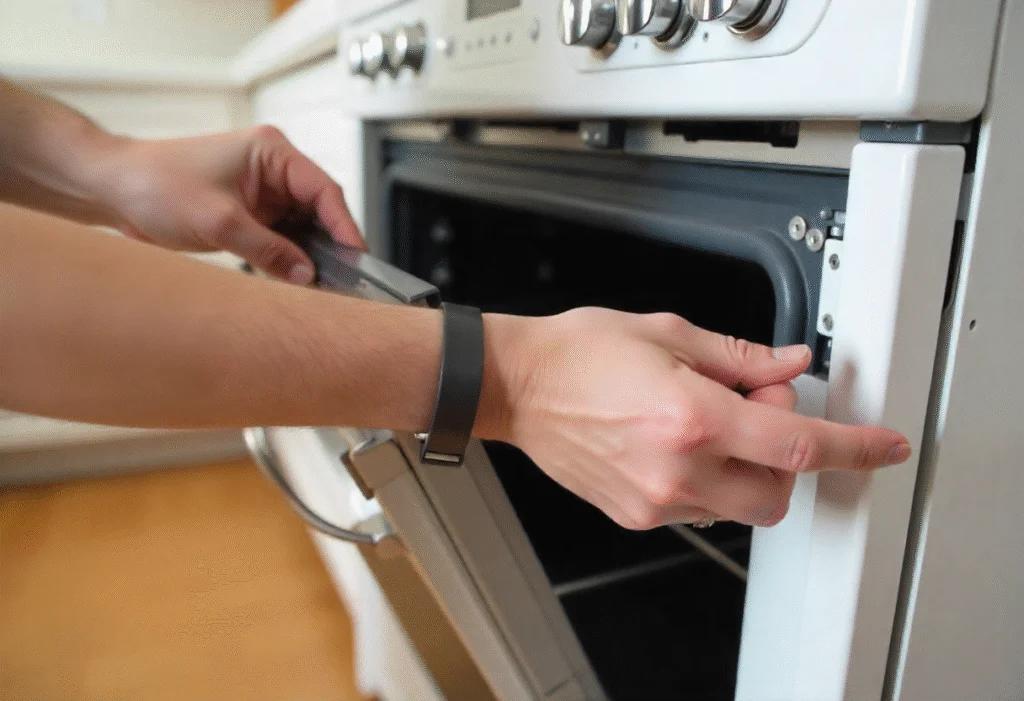
Regular care reduces the need for GE Range Troubleshooting.
• Clean burners and ports monthly to prevent clogging.
• Wipe spills quickly to avoid sensor and element damage.
• Run a thermometer check on the oven every few months.
• Schedule a yearly inspection for gas ranges to check pressure and valves.
• Replace worn grates, seals, and igniters early to prevent bigger failures.
Small habits prevent big problems. I use a monthly check routine that halved my service visits.

Parts, Tools, and Typical Costs
Know what you need for GE Range Troubleshooting and repair.
• Tools: multimeter, nut drivers, screwdrivers, cleaning brush, baking soda for cleaning.
• Common parts: igniters, bake/ broil elements, temperature sensors, switches, control boards.
• Cost range: igniter or sensor parts can be modest. Control boards are pricier. Labor varies by region.
• Order OEM parts by model number from the range label. This ensures compatibility.
Keeping familiar spare parts cuts downtime. I keep an igniter and sensor on hand for fast fixes.

PAA-Style Questions (People Also Ask)
How do I reset my GE range?
A power reset often clears minor electronic issues. Turn the breaker off for 30 seconds, then restore power and test functions.
Why does my GE range ignite but not stay lit?
A weak or failing igniter may glow but not sustain flame. Replace the igniter if cleaning and alignment do not fix it.
Can I replace a GE oven sensor myself?
Yes, simple sensors can be swapped with basic tools if power is off. If you are unsure, call a technician to avoid damage.
Frequently Asked Questions of Ge Range Troubleshooting
What does it mean when my GE range clicks continuously?
Continuous clicking often signals a failing igniter or a wet igniter. Clean, dry, and realign parts; replace the igniter if it keeps clicking.
How do I read GE range error codes?
Write the exact code and consult the range manual or service sheet. Reset power first, then check the code list for the likely component.
Is it safe to use a range with a yellow flame?
No. A yellow flame can mean incomplete combustion and carbon monoxide risk. Stop use and call a qualified technician.
Why is my oven temperature 25 degrees off?
The temperature sensor or thermostat may be faulty or miscalibrated. Verify with an oven thermometer and replace the sensor if needed.
How often should I clean the burners and igniters?
Clean burners and igniters at least monthly or after spills. Regular cleaning prevents many common GE range problems.
Can I fix a faulty control board myself?
Control board replacement can be done by experienced DIYers with proper parts and safety steps. Call a pro if you lack tools or confidence.
What should I do if I smell gas?
Leave the home immediately and avoid using electrical switches. Call emergency services or your gas company from a safe location.
Conclusion
GE Range Troubleshooting is about safe checks, clear diagnosis, and sensible repairs. Start with power and gas checks, clean parts, and simple replacements like igniters or sensors. Use an oven thermometer to confirm problems and keep a routine for maintenance. If you ever detect gas leaks, complex electrical faults, or persistent error codes, call a certified technician. Try the step-by-step tips here to fix many common problems, then subscribe or comment with your model and symptoms so we can help further.

