

Most Hayward pump issues trace to clogged baskets, air leaks, or electrical faults.
I’ve worked on pools for years and know Hayward Pool Pumps Troubleshooting inside out. This guide breaks down common problems, step-by-step fixes, and real-world tips to help you diagnose and repair Hayward pumps safely. You’ll get clear steps, simple checks, and my lessons learned so you can save time and avoid costly mistakes.

36% off Today’s Exclusive Deals
Limited-time Exclusive Deals. Check current discount on Amazon.
Check Price on Amazon As an Amazon Associate I earn from qualifying purchases.
Common Hayward Pool Pumps Troubleshooting: Symptoms and Causes
Hayward Pool Pumps Troubleshooting starts with noticing symptoms. Watch for no flow, low flow, strange noises, leaks, or tripping breakers. Each symptom points to likely causes. For example, low flow often means clogged skimmer basket, dirty filter, or an air leak in the suction line.
Common causes include:
- Clogged baskets or filters that restrict flow.
- Air in the pump caused by loose lids, bad seals, or cracked plumbing.
- Motor electrical problems, like tripped breakers or bad capacitors.
- Worn bearings or debris caught in the impeller.
- Valve mis-settings or blocked lines.
I once found a pump making a high whine. It turned out to be a small pebble stuck in the impeller. A simple clean fixed it and avoided a motor replacement. This is typical of Hayward Pool Pumps Troubleshooting—small details matter.

Step-by-Step Hayward Pool Pumps Troubleshooting Guide
Follow these steps in order to avoid wasted effort. Always ensure power is off before touching the pump.
- Visual check
- Inspect for visible leaks, cracks, or loose fittings.
- Check the pump lid o-ring for damage or debris.
- Clear baskets and filters
- Turn off pump, release pressure, and remove skimmer and pump baskets.
- Clean debris and reassemble.
- Prime and check for air leaks
- Tighten pump lid, inspect valves, and watch for air bubbles at skimmer.
- Use soapy water on unions and fittings; bubbles mean leaks.
- Check electrical
- Confirm circuit breaker is on and not tripped.
- Listen for humming (starter issues) or no sound (power issue).
- Inspect impeller and shaft
- After powering off and draining, open pump housing to clear hair and debris.
- Spin the shaft by hand to feel rough spots.
- Test run
- Reassemble and run pump. Note flow, sound, and pressure gauge reading.
These steps solve most Hayward Pool Pumps Troubleshooting cases. Keep a checklist near your pool equipment pad for quick diagnostics.
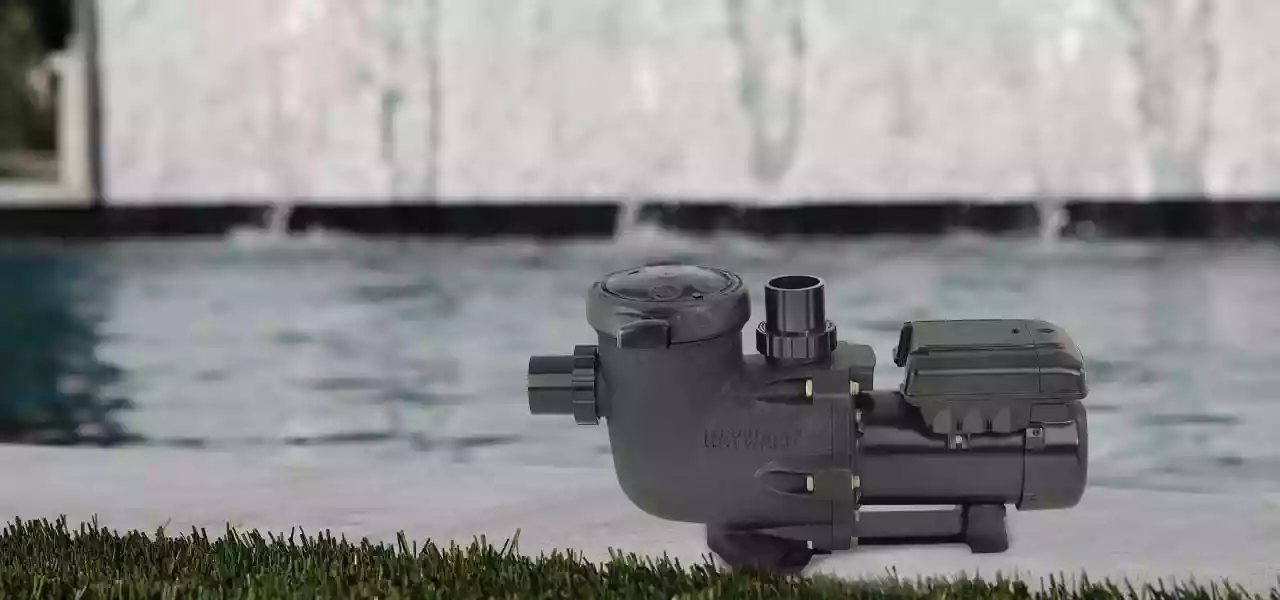
Electrical and Motor Issues: Diagnosis and Fixes
Electrical problems often look like motor failure. Use safe practices and a multimeter for checks.
Signs to watch for:
- Pump doesn’t start but breaker is good.
- Pump hums but won’t spin.
- Intermittent operation or tripping breakers.
Quick checks:
- Confirm power at the pump terminal with a multimeter.
- Check the capacitor; bulging or failure causes humming without start.
- Inspect the motor shaft for seized bearings.
- Ensure proper wiring and correct voltage for the motor.
When to call an electrician or pro:
- You find loose wires, burnt smells, or repeated breaker trips.
- You’re uncomfortable working with live wiring.
From my experience, replacing a starter capacitor fixed many “won’t start” calls. It’s an easy, low-cost fix that’s part of solid Hayward Pool Pumps Troubleshooting.

Hydraulic and Flow Problems: Finding Blockages and Air Leaks
Flow issues are common and often simple to cure. Think of the pump like your pool’s heart. If it can’t pull water, the pool slows down.
Check these areas:
- Suction lines for blockages or collapsed pipes.
- Skimmer and pump baskets for hair and leaves.
- Filter clean status; backwash or clean as needed.
- Valves set correctly between skimmer, main drain, and return lines.
Air leak checks:
- Look for air bubbles returning to the pump basket.
- Tighten all lid clamps, union nuts, and threaded fittings.
- Replace cracked pipe or old PVC primer joints.
A stubborn case I saw involved small tree roots crushing a PVC elbow. The pump lost prime intermittently. Replacing the elbow fixed the issue and restored steady flow. This shows how broad Hayward Pool Pumps Troubleshooting can be.
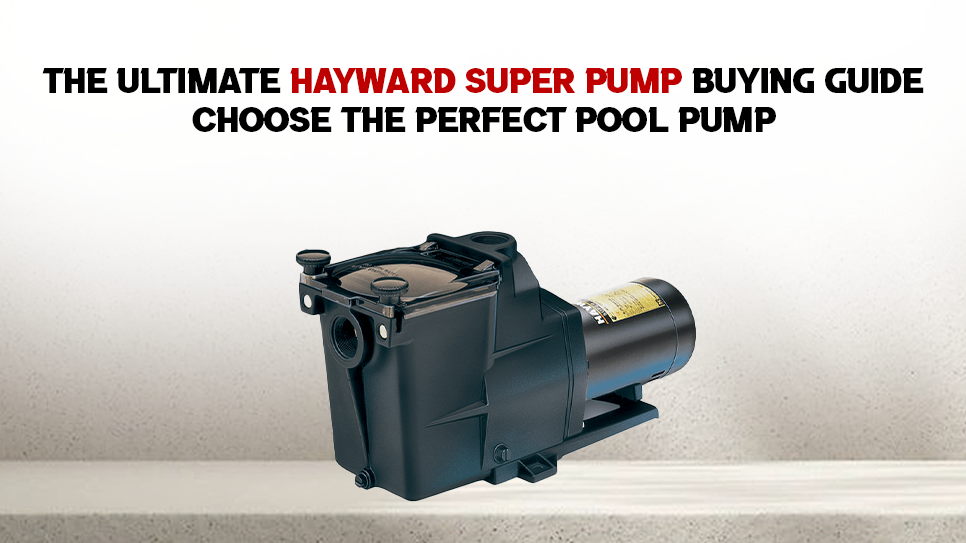
Routine Maintenance and Preventive Care for Hayward Pool Pumps
Routine care prevents most troubleshooting headaches. Spend an hour a month to avoid big repairs.
Monthly tasks:
- Clean skimmer and pump baskets.
- Check pump lid O-ring and lubricate with silicone grease.
- Inspect pump pad and secure bolts.
- Monitor filter pressure and clean when 8–10 psi above normal.
Seasonal tasks:
- Winterize or follow local freeze protection practices.
- Inspect motor vents and clear debris.
- Replace worn seals and bearings proactively if noisy.
Good maintenance reduces failures and extends pump life. I’ve saved many clients money by teaching this simple routine.
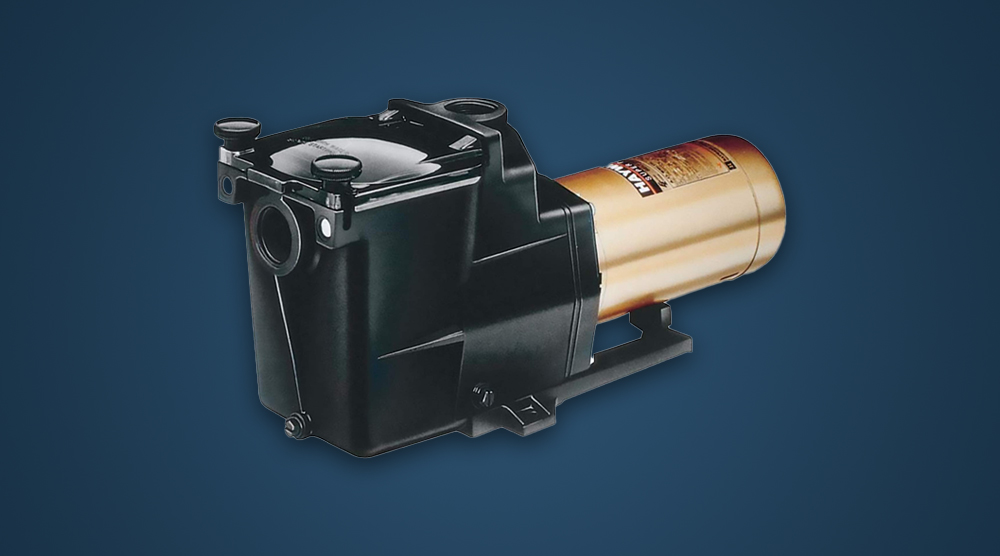
Parts Replacement and When to Call a Pro
Some repairs are DIY friendly. Others need a pro.
DIY-friendly replacements:
- Pump lid O-ring.
- Baskets and seals.
- Capacitors and timers (if comfortable with wiring).
Call a pro for:
- Motor replacements or rewiring.
- Complex hydraulic repairs like buried pipe or cracked manifolds.
- Persistent electrical faults or repeat trips.
Tips for parts:
- Use OEM Hayward parts for best fit and longevity.
- Record model and serial numbers before ordering.
- Keep a small parts kit: O-rings, union gaskets, and a spare basket.
I once replaced a motor for a client. The wrong motor spec caused low RPM and poor flow. Always match the motor HP and voltage to the Hayward unit for safe operation.

Hayward Pool Pumps Troubleshooting Checklist
Use this quick checklist when troubleshooting on site.
Before you start:
- Turn off power at breaker.
- Gather gloves, screwdrivers, multimeter, and silicone grease.
Diagnostic checklist:
- Clear baskets and check filter pressure.
- Inspect for air leaks at lid and unions.
- Listen for unusual noises or humming.
- Test electrical supply and capacitor.
- Inspect impeller and clear debris.
- Check for cracked plumbing or leaking seals.
If you follow this checklist you’ll solve most Hayward Pool Pumps Troubleshooting issues quickly. Keep the checklist laminated near your equipment for fast reference.
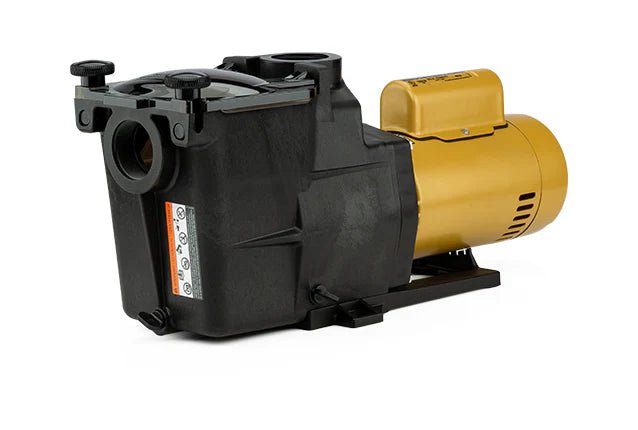
Personal Lessons and Mistakes to Avoid
I want to save you time and money. Here are real lessons from site work.
Lessons learned:
- Never run a dry pump. It overheats quickly.
- Tight lids carefully; over-tightening can tear O-rings.
- Always match replacement motors to pump specs.
- Clean hair and string from the impeller before assuming the motor is bad.
- Document repairs and dates for future troubleshooting.
A mistake I made early on was reusing an old union gasket. It leaked and caused hours of rework. Now I always replace gaskets when I open the system.
Safety Tips for Hayward Pool Pumps Troubleshooting
Safety should be your top priority. Pumps use high voltage and moving parts.
Key safety tips:
- Turn off power at the breaker before any work.
- Lock out the breaker if possible and post a warning.
- Avoid water contact with electrical connections.
- Use tools with insulated handles for electrical checks.
- Wear gloves and eye protection when opening pump housings.
If you are unsure about any step, hire a professional. Risking shock or damage isn’t worth a DIY moment.
Frequently Asked Questions of Hayward Pool Pumps Troubleshooting
What causes a Hayward pump to lose prime?
Loss of prime usually comes from air leaks in the suction line, cracked lids, or empty skimmer baskets. Tighten lids, inspect seals, and ensure water levels in the pool are adequate.
Why is my Hayward pump humming but not starting?
A humming pump often signals a bad start capacitor, seized bearings, or electrical issues. Test the capacitor and spin the shaft by hand after power-off to check for a stuck impeller.
How often should I clean the pump basket?
Clean the pump basket at least once every week during heavy use, and at minimum once a month in low use seasons. Consistent cleaning prevents clogs and helps with Hayward Pool Pumps Troubleshooting.
Can I replace a Hayward pump motor myself?
You can if you have basic electrical skills and match motor specs precisely. If you’re not comfortable with wiring or live power, hire a licensed electrician.
What filter pressure indicates a problem?
A rise of 8–10 psi above the clean filter reading suggests the filter needs cleaning or backwashing. Persistent high pressure even after cleaning can mean a blockage in plumbing or a failing pump.
Conclusion
Hayward Pool Pumps Troubleshooting is mostly about careful checks, simple fixes, and regular upkeep. Start with visual checks, clear baskets, and look for air leaks before assuming a major failure. Use the checklist and safety tips here to guide you through common issues and to decide when to call a pro. Take action this week: inspect your pump, clean the baskets, and note any odd sounds or leaks. If you found this useful, leave a comment, subscribe for more pool care guides, or share a troubleshooting story.

