

Choosing the right wakeboard tower can completely change your boating experience. It’s not just about style—your tower affects safety, performance, and even the value of your boat. Whether you’re a beginner or you’ve been wakeboarding for years, finding the right tower takes careful thought.
Many boat owners make mistakes, like picking a tower only for looks or failing to check compatibility. This guide will walk you through every important step, from key features and installation to common problems and practical tips. By the end, you’ll know exactly how to choose the best wakeboard tower for your boat and your needs.

36% off Today’s Exclusive Deals
Limited-time Exclusive Deals. Check current discount on Amazon.
Check Price on Amazon As an Amazon Associate I earn from qualifying purchases.What Is A Wakeboard Tower?
A wakeboard tower is a metal frame installed on a boat. It sits higher than the boat’s deck, usually rising 6-8 feet above it. The main purpose is to lift the tow rope attachment point. This gives the rider a higher pull, letting them jump further and higher off the wake.
Towers also provide mounting spots for accessories like speakers, lights, and board racks.
Most towers are made from aluminum, stainless steel, or powder-coated steel. Aluminum is lightweight and resists corrosion. Stainless steel is strong but heavier. Powder-coated steel offers durability and color options but needs extra care in salty water.
Why The Right Tower Matters
A wakeboard tower is not just an accessory—it’s an upgrade that affects several aspects:
- Performance: A higher tow point allows for bigger jumps and easier tricks.
- Safety: Strong towers reduce the risk of accidents from rope tangles or broken mounts.
- Versatility: Towers make it easier to add speakers, lights, and racks.
- Boat Value: A well-chosen tower can boost resale value.
- Style: Towers change the look of your boat, giving it a sporty, modern appearance.
Ignoring these factors can lead to regrets later. For example, a tower that’s not strong enough might bend or break. One that’s not compatible could damage your boat.
Key Factors To Consider
Choosing the right wakeboard tower means looking at multiple factors. Let’s break down what really matters.
1. Compatibility With Your Boat
Not every tower fits every boat. You need to check:
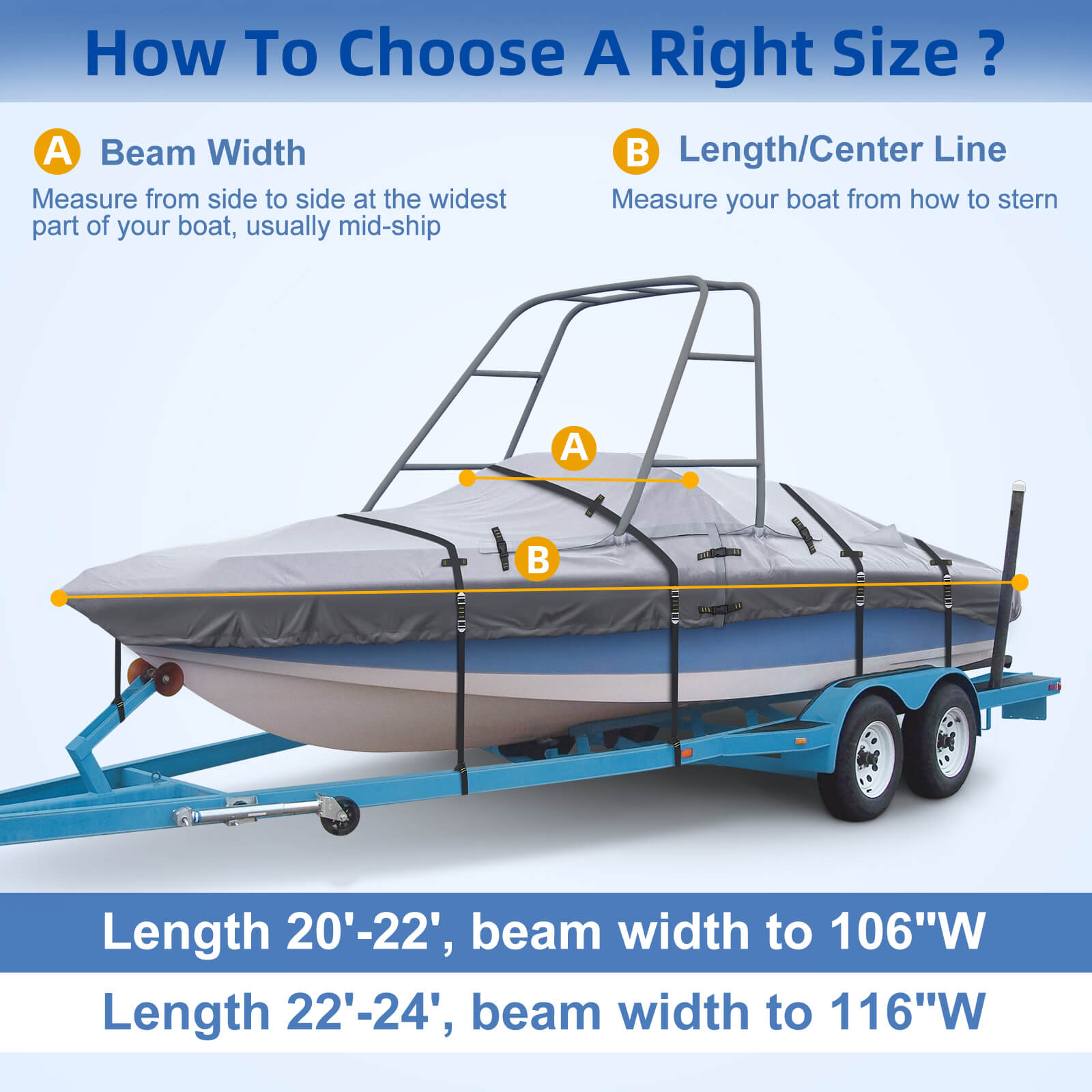
- Beam width: Measure your boat’s width at the mounting points.
- Deck strength: Make sure your boat’s deck can handle the stress.
- Hull shape: Some towers work only with specific hull types.
- Mounting location: Check for obstructions like rails or cleats.
If your boat is older or has an unusual shape, you might need a custom tower. Many buyers forget to check compatibility and end up with costly returns.
2. Material And Build Quality
Most towers are built from:
- Aluminum: Lightweight, corrosion-resistant, easy to handle.
- Stainless steel: Strong, durable, but heavier.
- Powder-coated steel: Affordable, good looks, but less resistant to saltwater.
Aluminum is the most popular choice for wakeboard towers because it balances strength and weight. Stainless steel is ideal for heavy-duty use. Powder-coated steel is fine for freshwater lakes but needs care in coastal areas.
3. Folding And Collapsible Features
Some towers can fold down. This feature is useful if you store your boat in a garage or under a low bridge. Folding towers usually have hinges and quick-release pins.
- Folding towers: Good for storage and transport.
- Fixed towers: Offer more strength, but take up space.
Not all folding towers are equal. Some fold easily, others require tools. Always check how the folding mechanism works before buying.
4. Mounting And Installation
Installation is a big factor. Towers can be:
- DIY-friendly: Come with clear instructions, pre-drilled holes, and simple hardware.
- Professional-only: Require special tools or skills.
Most towers take 2-4 hours to install. Some brands offer installation videos or phone support. If you’re not handy, choose a tower that offers professional installation.
5. Accessories And Expandability
A wakeboard tower isn’t just for towing. It’s also a platform for accessories:
- Board racks: Hold wakeboards, surfboards, or skis.
- Speakers: Add music for your rides.
- Lights: Improve visibility at night.
- Bimini tops: Provide shade.
Make sure your tower has mounting points for accessories. Some towers come with pre-installed mounts; others require drilling.
6. Price And Warranty
Wakeboard towers range from $500 to $2,500 or more. Cheaper towers often use thinner metal and weak joints. High-end towers are usually stronger, last longer, and include better warranties.
Always check the warranty. Some companies offer lifetime warranties, others only one year. A strong warranty means the company trusts its product.
Comparing Popular Wakeboard Tower Materials
To help you choose, here’s a quick comparison of the main materials used in wakeboard towers:
| Material | Strength | Weight | Corrosion Resistance | Price Range | Best For |
|---|---|---|---|---|---|
| Aluminum | High | Light | Excellent | $700-$2,000 | General use |
| Stainless Steel | Very High | Heavy | Excellent | $1,200-$2,500 | Heavy-duty/Commercial |
| Powder-Coated Steel | Moderate | Medium | Good (Freshwater) | $500-$1,200 | Budget buyers |
Non-obvious insight: Many beginners think stainless steel is always best, but its weight can affect boat handling. Aluminum is often the smarter choice for smaller boats.
Wakeboard Tower Styles
There are three main styles. Each suits different needs:
- Custom towers: Built for a specific boat. Perfect fit, but expensive.
- Universal towers: Adjustable to fit most boats. Good for flexibility.
- Factory towers: Designed by boat manufacturers. Match boat style, but usually pricier.
Universal towers are popular because they fit many boats and are easier to install. Custom towers give a clean look and maximize performance.
Universal Vs. Custom Towers: Pros And Cons
Here’s a side-by-side look to help you decide:
| Type | Fit | Price | Installation | Appearance | Expandability |
|---|---|---|---|---|---|
| Universal | Adjustable | Lower | DIY-friendly | Basic | Good |
| Custom | Perfect | Higher | Professional | Seamless | Excellent |
Non-obvious insight: Universal towers often need extra mounting hardware to prevent movement. Custom towers usually don’t.
Measuring Your Boat For A Tower
Many buyers skip this step and end up with an ill-fitting tower. Here’s how to do it right:
- Measure beam width at the intended mounting points (usually above the gunwale).
- Check deck thickness to ensure it can handle bolts.
- Look for obstructions like rails, cleats, or cup holders.
- Check height clearance if you plan to store your boat in a garage.
Write down these measurements before shopping. Some tower makers have online calculators to help you find the right size.
Installation: Diy Or Professional?
Installing a wakeboard tower is not as hard as many think, but it does require care.
Diy Installation
Many towers are designed for DIY installation. Kits include all hardware, instructions, and sometimes videos. Typical steps:
- Mark the mounting points.
- Drill holes in the deck.
- Bolt the tower to the boat.
- Tighten all connections.
You’ll need basic tools—drill, wrenches, and sealant. Most installs take 2-4 hours.
Professional Installation
If you’re not comfortable drilling holes in your boat, hire a professional. Pros can avoid mistakes like cracks or leaks. Expect to pay $200-$500 for labor.
Common Installation Mistakes
- Wrong placement: Causes instability.
- Overtightening bolts: Can crack fiberglass.
- Skipping sealant: Leads to leaks.
Take time to read instructions and double-check measurements.

Wakeboard Tower Accessories
A tower is more than a tow point. Accessories can make your boating experience much better.
Board Racks
These let you store boards safely. Look for racks that:
- Fit your board size
- Have padding to protect boards
- Lock in place to prevent loss
Speakers
Music adds fun to wakeboarding. Marine speakers mount on towers and are waterproof. Check for:
- Power rating (higher is louder)
- Bluetooth compatibility
- Easy mounting
Lights
LED lights help you ride at dawn or dusk. Pick lights that:
- Are waterproof
- Provide wide coverage
- Mount securely
Bimini Tops
A bimini top offers shade. Make sure it’s compatible with your tower. Some fold with the tower; others need to be removed.
Comparing Top Wakeboard Tower Brands
Brand reputation matters. Here’s a comparison of leading brands:
| Brand | Material | Warranty | Price Range | Special Features |
|---|---|---|---|---|
| Monster Tower | Aluminum | 5 years | $900-$2,000 | Folding design |
| Aerial Wakeboarding | Aluminum | Lifetime | $1,200-$2,500 | Custom fit |
| Origin Towers | Powder-coated steel | 1 year | $500-$1,200 | Budget friendly |
Practical tip: Some brands offer bundle deals—tower plus racks and speakers. This can save money.
How To Avoid Common Buyer Mistakes
Many people make simple errors when choosing a wakeboard tower. Here’s how to avoid them:
- Don’t choose based on looks alone: Always check strength and compatibility.
- Avoid cheap materials: They bend or break under stress.
- Measure carefully: A few inches can make a big difference.
- Check for expandability: Make sure you can add accessories later.
- Read reviews: Look for feedback from real users, not just marketing claims.
Non-obvious insight: Some towers look strong but use thin tubing. Always check wall thickness (1.5–2 inches is ideal).
Real-life Example: Upgrading A Family Boat
A family with a 20-foot runabout wanted to install a wakeboard tower. They measured their beam at 88 inches and chose an adjustable aluminum tower with folding arms. Installation was DIY, taking 3 hours. They added board racks and speakers. The result: safer rides, bigger jumps, and more fun for everyone. After two seasons, the tower still looked new, and the boat’s resale value increased by 15%.
Wakeboard Tower Maintenance
A tower needs care to stay strong and safe.
- Wash after each use: Saltwater can corrode metal, so rinse thoroughly.
- Check bolts regularly: Tighten loose bolts to avoid wobbling.
- Lubricate hinges: Folding towers need lubrication to prevent squeaks.
- Inspect for cracks: Look for stress marks, especially near mounts.
Some towers need extra protection in winter. Cover your tower or remove it if possible.
Safety Considerations
Safety is often overlooked. Here’s what to watch for:
- Strong mounts: Weak mounts can pull free under stress.
- Smooth edges: Avoid towers with sharp corners.
- Correct height: Too high can affect boat balance.
- Accessory placement: Make sure speakers and racks don’t block driver’s view.
Always use a tow rope designed for wakeboarding. Regular ropes can snap under high tension.

Environmental Impact
Wakeboard towers are usually made from recyclable materials like aluminum and steel. Some brands use eco-friendly coatings and packaging. If you care about sustainability, ask about recycling and material sourcing.
Wakeboard Tower Trends
Modern towers are getting lighter and stronger. Many offer tool-free folding, Bluetooth speakers, and quick-mount racks. Some brands now use hydraulic folding systems for easy storage.
Another trend is custom paint jobs. You can match your tower color to your boat for a unique look.
Should You Buy Used Or New?
New towers offer warranties and support. Used towers are cheaper but may have hidden damage. If you buy used:
- Inspect for cracks, corrosion, and missing parts.
- Ask for installation instructions.
- Check compatibility with your boat.
A new tower is usually safer and easier to accessorize.
Wakeboard Towers For Different Boat Types
Not all boats are ideal for wakeboard towers. Here’s a quick guide:
- Runabouts: Most universal towers fit.
- Pontoon boats: Need special brackets.
- Fishing boats: Usually not compatible.
- Bowriders: Easy to upgrade.
If you have a unique boat, look for specialty towers.
Wakeboard Tower Faqs
Frequently Asked Questions
What Is The Ideal Height For A Wakeboard Tower?
The best height is usually 6-8 feet above the deck. This gives riders a high tow point for bigger jumps, but doesn’t make the boat unstable. Taller towers are not always better—they can affect handling and storage.
Can I Install A Wakeboard Tower Myself?
Yes, many towers are DIY-friendly. You’ll need basic tools and careful measurements. Follow the instructions closely. If you’re unsure, get professional help to avoid damage.
How Do I Know If A Tower Fits My Boat?
Check your boat’s beam width, deck thickness, and hull shape. Most universal towers have adjustable bases. Always measure before buying, and use the manufacturer’s fit guide.
What Accessories Can I Add To A Wakeboard Tower?
Common accessories include board racks, speakers, lights, and bimini tops. Some towers offer extra mounts for cameras or navigation lights. Make sure the tower supports accessory installation.
Is Aluminum Better Than Stainless Steel?
Both are strong and resist corrosion. Aluminum is lighter and easier to handle, while stainless steel is stronger but heavier. For most boats, aluminum is the smart choice.
Final Thoughts
Choosing the right wakeboard tower is a big decision, but it doesn’t have to be hard. Start by measuring your boat, then pick a tower with strong materials, good accessories, and clear installation steps. Avoid common mistakes like buying only for looks or skipping compatibility checks. Invest in quality and safety, and your tower will give you years of fun and performance. For more technical information and installation tips, visit the BoatUS website.
With the right wakeboard tower, your boat becomes a better platform for adventure, family fun, and unforgettable memories. Take your time, ask questions, and make the best choice for your needs.

