

Jet lag is one of the most common problems for international travelers. It can turn a dream trip into a struggle, making you feel tired, confused, and unable to enjoy your destination. Many people believe jet lag is just about sleep, but it’s much more: it affects your mood, digestion, and even your ability to think clearly. Understanding jet lag and learning how to avoid it can help you travel better, whether you’re crossing one time zone or flying halfway around the world. In this guide, you’ll discover practical strategies, simple science, and smart tips to help you beat jet lag and stay energized during your travels.
What Is Jet Lag?
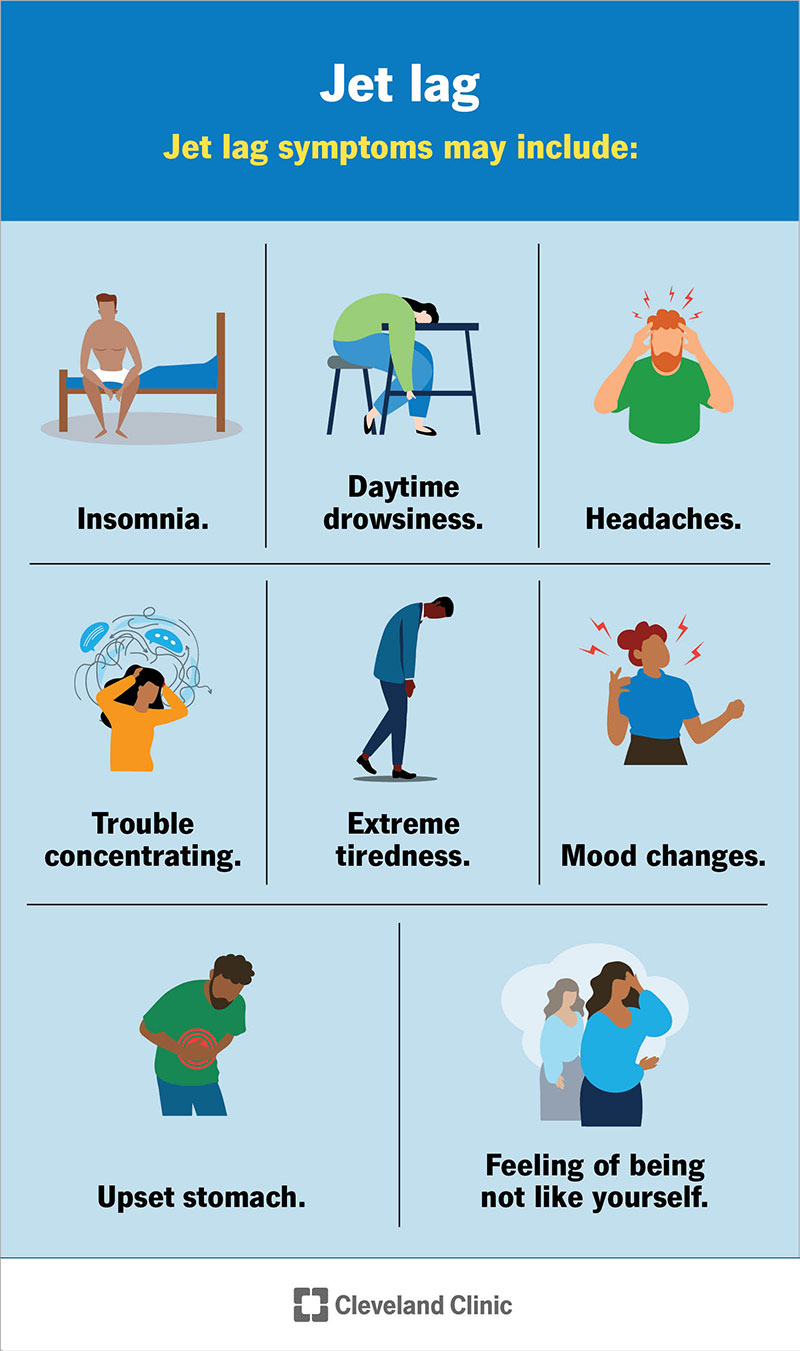
Jet lag, also known as desynchronosis, happens when your body’s internal clock is out of sync with the local time at your destination. This clock, called the circadian rhythm, controls when you feel awake and sleepy. When you cross multiple time zones quickly (like during a long flight), your body clock can’t adjust instantly. This creates symptoms such as:

36% off Today’s Exclusive Deals
Limited-time Exclusive Deals. Check current discount on Amazon.
Check Price on Amazon As an Amazon Associate I earn from qualifying purchases.- Sleep problems (trouble falling asleep or waking up too early)
- Fatigue (feeling tired during the day)
- Difficulty concentrating
- Mood swings
- Stomach issues (such as hunger at odd times or digestion troubles)
Jet lag is usually worse when flying east, because you lose hours and have to sleep earlier. It’s less severe when flying west, as your day gets longer. Studies show that for every time zone you cross, it takes about one day to adjust.
For example, crossing 6 time zones means you may need 6 days to fully recover.
Why Jet Lag Happens: Science Explained
Your body has a natural cycle of about 24 hours, guided by light and darkness. This cycle controls hormones like melatonin (which helps you sleep) and cortisol (which keeps you alert). When you travel quickly, your body still follows the old time zone. Sunlight, meal times, and social activities in the new location confuse your body clock.
Most people don’t realize that jet lag is not just about sleep. It affects your immune system, digestion, and even your athletic performance. For example, studies on athletes show that performance drops after long flights due to jet lag. Also, your body temperature, blood pressure, and mood can change during jet lag.
How To Avoid Jet Lag: Proven Strategies
Beating jet lag is possible. You don’t need to suffer every time you travel. Here are the most effective ways to minimize jet lag, supported by research and traveler experience.
1. Adjust Your Sleep Schedule Before Traveling
Start preparing a few days before your flight. If you’re flying east, go to bed and wake up one hour earlier each day. If you’re flying west, do the opposite: sleep and wake up one hour later. This helps your body clock shift gradually.
Example: If you’re flying from New York to London (5 hours ahead), try sleeping 1-2 hours earlier each night for 3-4 days before your trip.
2. Use Light Exposure Wisely
Light is the most powerful tool for resetting your body clock. After arriving, spend time outdoors during local daytime. If you need to stay awake, seek bright sunlight or use a light therapy lamp. Avoid bright screens and lights at night to help your body produce melatonin.
Pro tip: If you arrive in the morning, get outside right away. If you arrive at night, keep lights dim and avoid screen time.
3. Manage Caffeine And Alcohol
Caffeine can help you stay alert, but it can also disrupt sleep if used at the wrong time. Drink coffee or tea only in the morning at your destination. Avoid caffeine at least 6 hours before bedtime. Alcohol can make you sleepy, but it reduces sleep quality and worsens jet lag.
Stick to water and herbal teas.
4. Stay Hydrated
Airplane cabins are dry, which can cause dehydration and make jet lag worse. Drink water regularly before, during, and after your flight. Aim for at least one glass of water every hour while flying. Avoid salty snacks and limit alcohol.
5. Take Short Naps (if Needed)
If you’re very tired after arriving, take a nap—but keep it short. A nap of 20–30 minutes can help you feel refreshed without disturbing your sleep schedule. Long naps can make it harder to adjust.
6. Use Melatonin Supplements Carefully
Melatonin is a hormone that signals your body to sleep. Taking a melatonin supplement can help you adjust to a new time zone. The best time to take melatonin is about 30–60 minutes before your new bedtime. Use a low dose (0.
5–3 mg) and only for a few days.
Warning: Melatonin is not suitable for everyone. Consult your doctor before using it, especially if you have medical conditions or take medication.
7. Move During The Flight
Sitting for many hours slows your circulation and makes you feel sluggish. Get up every 1–2 hours and walk around the plane. Stretch your arms, legs, and neck. This helps your body stay active and reduces tiredness.
8. Eat According To Local Time
Try to eat meals at the local meal times, not your home time zone. This helps your body clock adjust. Choose light, healthy foods like fruits, vegetables, and lean proteins. Avoid heavy meals and sugary snacks, which can make you feel sleepy.
9. Avoid Sleep Aids (unless Needed)
Some people use sleeping pills to manage jet lag. These can help for one night, but they often cause side effects and don’t solve the real problem. Only use sleep aids if recommended by a doctor.
10. Plan Your Activities Wisely
Don’t schedule important meetings or events right after arriving. Give yourself a day or two to adjust before big tasks. Start with light sightseeing or relaxing activities. Listen to your body and rest when needed.
Jet Lag: East Vs. West
Flying east and west affects your body differently. Here is a quick comparison:
| Direction | Impact | Tips |
|---|---|---|
| Eastbound (e.g., US to Europe) | Harder to adjust, lose hours, sleep problems | Shift sleep earlier, morning light exposure, avoid late caffeine |
| Westbound (e.g., Europe to US) | Easier to adjust, gain hours, less severe jet lag | Shift sleep later, afternoon light exposure, avoid early naps |
Most travelers say eastbound flights cause more jet lag. You can make adjustment easier by preparing your body in advance and following light exposure tips.

How Long Does Jet Lag Last?
Jet lag duration depends on:
- Number of time zones crossed
- Direction of travel
- Age and health
- Personal habits
On average, jet lag lasts 1 day per time zone crossed. If you cross 7 time zones, expect 5–7 days to fully adjust. Young, healthy people recover faster. Older adults, or people with sleep problems, may need longer.
Jet Lag Duration By Time Zones
| Time Zones Crossed | Typical Recovery Time |
|---|---|
| 2–3 | 1–2 days |
| 4–6 | 3–5 days |
| 7–9 | 5–7 days |
| 10+ | 7–10 days |
How Jet Lag Affects Your Body
Jet lag is not only about feeling sleepy. Here are some real effects:
- Mood changes: You may feel irritable or sad.
- Digestive issues: Hunger at odd times, upset stomach, constipation.
- Poor concentration: Hard to focus or make decisions.
- Weak immune system: More likely to catch colds or get sick.
- Athletic performance drops: Runners and athletes report slower times after flying.
Many travelers don’t realize that jet lag can also cause headaches, muscle aches, and confusion. These symptoms are worse if you don’t prepare or if you have underlying health issues.
Practical Jet Lag Prevention Checklist
To make your trip easier, use this simple checklist before, during, and after your flight:
- Prepare your sleep schedule 3–4 days before departure.
- Pack sunglasses and a light therapy lamp (if needed).
- Drink water regularly throughout your journey.
- Avoid caffeine and alcohol before bedtime.
- Eat light meals on the plane and after arrival.
- Get sunlight exposure at your destination.
- Take short naps if very tired.
- Move and stretch every 1–2 hours during the flight.
- Use melatonin supplements only with medical advice.
- Schedule light activities after arrival.
Common Mistakes Travelers Make
Even experienced travelers can make mistakes that worsen jet lag. Here are a few you should avoid:
- Sleeping too much on the plane: This can make it harder to adjust on arrival.
- Using screens before bed: The blue light from phones and tablets reduces melatonin.
- Drinking too much alcohol: It disturbs sleep and dehydrates you.
- Skipping meals: Your body clock needs regular food cues to adjust.
- Ignoring light exposure: Staying indoors slows adjustment.
- Scheduling important events right away: You’ll be tired and perform poorly.

Real-life Example: Business Traveler
Maria, a business traveler from Chicago, flies to London every month. She crosses 6 time zones and used to suffer from severe jet lag—feeling tired, unable to focus, and missing meetings. By shifting her sleep schedule 1 hour earlier each day for four days before her trip, using a light therapy lamp in the mornings, and drinking water regularly, her jet lag symptoms dropped by 80%.
She also avoids caffeine in the afternoon and schedules important meetings on the second day after arrival.
Jet Lag And Kids
Children can also suffer from jet lag, but their bodies often adjust faster. Parents should help kids by:
- Adjusting sleep schedules before travel
- Keeping meal times regular
- Using sunlight to reset body clocks
- Avoiding sugary snacks and drinks
Extra tip: Bring familiar bedtime items (like a favorite toy or blanket) to help kids feel comfortable.
Jet Lag And Older Adults
Older adults may experience stronger jet lag symptoms, and recovery can take longer. It’s important to:
- Prepare sleep schedule in advance
- Stay hydrated
- Avoid heavy meals
- Take short walks after arrival
- Consult a doctor about melatonin or sleep aids
Jet Lag And Athletes
Athletes who compete internationally face unique challenges. Jet lag can reduce performance, reaction time, and focus. Coaches recommend:
- Arriving several days before competitions
- Using light exposure to adjust quickly
- Eating high-protein meals
- Avoiding intense training right after arrival
Jet Lag Vs. Travel Fatigue
Many travelers confuse jet lag with travel fatigue. Travel fatigue is tiredness from long flights, uncomfortable seats, and lack of movement. It goes away after rest. Jet lag is caused by time zone changes and lasts longer. You can have both, but the solutions are different.
| Jet Lag | Travel Fatigue |
|---|---|
| Caused by body clock disruption | Caused by physical tiredness |
| Lasts several days | Lasts hours or one day |
| Symptoms: sleep issues, mood changes | Symptoms: sore muscles, tiredness |
| Needs body clock adjustment | Needs rest and hydration |
Smart Packing To Reduce Jet Lag
What you pack can help you beat jet lag. Include:
- Eye mask and earplugs: For sleeping on the plane
- Travel pillow: Supports neck and improves rest
- Light therapy lamp: Useful in hotel rooms
- Water bottle: Stay hydrated
- Healthy snacks: Nuts, fruit, protein bars
- Melatonin (if approved by doctor)
Packing these items helps you rest better and adjust faster at your destination.
Jet Lag Apps And Tools
Several apps can help you plan your sleep and light exposure:
- Timeshifter: Customizes plans based on your flight, sleep habits, and destination.
- Jet Lag Rooster: Suggests sleep and light schedules.
- Sleep Cycle: Tracks sleep quality and suggests adjustments.
Using these apps can make your adjustment easier, especially for frequent travelers.
When To Seek Medical Help
Jet lag is usually harmless, but some people may have severe symptoms. See a doctor if:
- You have sleep problems lasting more than two weeks
- You feel unusually sad or anxious
- You have health conditions worsened by jet lag (like heart disease)
- You need advice on melatonin or sleep aids
Research And New Solutions
Scientists are developing new ways to fight jet lag. For example, airlines are testing special cabin lighting to reduce symptoms. Some hotels offer jet lag recovery programs, including light therapy and nutrition plans. Researchers believe that combining sleep, light, and meal adjustments gives the best results.
For the latest research, visit the Sleep Foundation.
Frequently Asked Questions
How Can I Adjust Quickly After Arriving?
Spend time outdoors during local daytime, eat meals at local times, and avoid naps longer than 30 minutes. Use light exposure to reset your body clock.
Is Melatonin Safe For Jet Lag?
Melatonin is safe for most people if used for a few days and at low doses (0. 5–3 mg). Always check with your doctor before using, especially if you have medical conditions.
Does Drinking Coffee Help With Jet Lag?
Coffee can help you stay alert, but only drink it in the morning at your destination. Avoid caffeine 6 hours before bedtime, as it can disturb sleep.
Can Children Get Jet Lag?
Yes, children can get jet lag. They often recover faster, but parents should adjust sleep schedules before travel and use sunlight to help kids adapt.
How Is Jet Lag Different From Travel Fatigue?
Jet lag is caused by time zone changes and affects your body clock. Travel fatigue is from physical tiredness after long flights. Jet lag lasts longer and needs adjustment of sleep and light.
Jet lag can be a challenge, but it’s not unbeatable. With smart planning, light exposure, and healthy habits, you can enjoy your travels and arrive feeling fresh. Remember, everyone’s body is different—try these strategies and find what works best for you.
Safe travels!

