

Becoming a virtual assistant is one of the fastest-growing remote career paths today. Many businesses, entrepreneurs, and even busy individuals are searching for skilled people who can handle tasks online. If you are organized, can communicate well, and want to work from home (or anywhere), this could be the right job for you.
But how do you become a virtual assistant? What skills do you need? Where do you start? This article explains everything in clear, simple steps, so you can decide if this is your next career move.

36% off Today’s Exclusive Deals
Limited-time Exclusive Deals. Check current discount on Amazon.
Check Price on Amazon As an Amazon Associate I earn from qualifying purchases.What Does A Virtual Assistant Do?
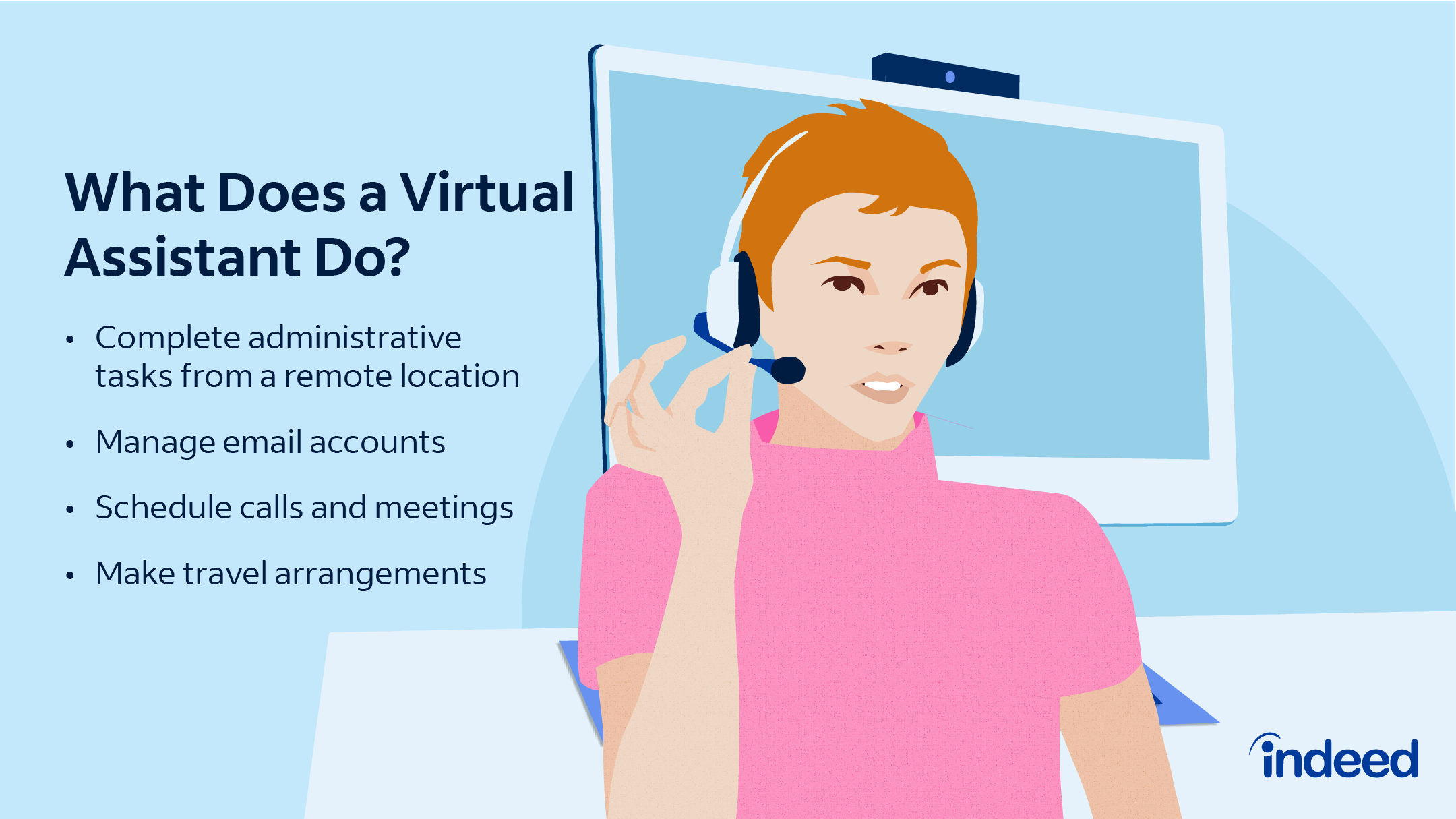
A virtual assistant (VA) is someone who offers support services to clients remotely. This means you work online, not in an office. Tasks can be simple or complex. Some VAs manage emails and schedules, while others help with social media, bookkeeping, or customer service.
Here are some common tasks virtual assistants handle:
- Managing emails and calendars
- Booking travel and appointments
- Data entry and research
- Creating presentations
- Social media posting and management
- Invoicing and basic bookkeeping
- Customer support via chat, email, or phone
Some VAs specialize in a few services. Others offer a wide range. The work depends on your skills and your clients’ needs.
Why Become A Virtual Assistant?
This career path has several benefits:
- Work from anywhere: All you need is a reliable internet connection and a laptop.
- Flexible hours: Many jobs let you set your schedule.
- Diverse work: You can work with clients from different industries.
- Scalability: Start part-time and grow into full-time, or even build an agency.
But there are challenges, too. You must manage your time, find clients, and sometimes work with difficult people or unclear instructions.
Is Virtual Assistance Right For You?
Before starting, ask yourself:
- Are you comfortable working alone and managing your time?
- Can you communicate clearly through email, chat, or video calls?
- Are you organized and detail-oriented?
- Do you learn new tools and software quickly?
- Are you good at solving problems on your own?
If you answered “yes” to most of these, you’re on the right track. If not, you might need to work on some skills before starting.
Essential Skills For Virtual Assistants
To succeed as a VA, you need more than just basic computer knowledge. Here are the most valuable skills:
Communication
You must write clear, polite emails and messages. Good communication builds trust and prevents mistakes.
Organization
VAs juggle many tasks. Tools like calendars, task lists, and reminders can help, but you also need a natural sense of order.
Tech Savvy
You don’t need to be a programmer, but you should know how to use:
- Email (Gmail, Outlook)
- Word processors (Google Docs, MS Word)
- Spreadsheets (Excel, Google Sheets)
- Video conferencing (Zoom, Google Meet)
- Project management tools (Trello, Asana)
Learning new tools is a constant part of the job.
Problem Solving
Clients will expect you to figure things out, sometimes with little guidance. Resourcefulness is key.
Attention To Detail
A missed meeting, wrong email, or typo can cost you a client. Double-check your work.
Time Management
Handling multiple clients means you must prioritize, plan, and sometimes say no.
Specialized Skills
Some VAs stand out by offering special services, such as:
- Social media management
- Basic graphic design (Canva, Photoshop)
- Website updates (WordPress)
- Bookkeeping (QuickBooks, Xero)
- Customer service
These can help you earn more and attract better clients.
What Qualifications Do You Need?
Most virtual assistant jobs do not require a college degree. However, having one can help you get better clients and higher pay. More important is your experience, skills, and attitude.
Certifications are not required, but some people take short courses in:
- Virtual assistance basics
- Social media management
- Bookkeeping
- Project management
These can help you learn faster and show clients that you are serious.
Setting Up Your Virtual Assistant Business
Starting as a VA is like starting a small business. Here’s how to prepare:
Step 1: Decide What Services To Offer
Think about your skills and interests. Choose services you can deliver well. Start with 2-4 main services, then expand as you gain confidence.
Step 2: Pick Your Target Clients
Do you want to work with coaches, small businesses, realtors, or e-commerce shops? Focusing on a type of client helps you tailor your services and stand out.
Step 3: Set Up Your Workspace
A quiet place, a reliable laptop, and stable internet are must-haves. Invest in a good headset and backup storage (like Google Drive or Dropbox).
Step 4: Create Basic Branding
You need a simple but professional online presence:
- Email address (ideally your own domain, e.g., yourname@domain.com)
- LinkedIn profile
- Simple website or landing page (Wix, WordPress, or even a good LinkedIn page can work)
- Logo (optional, but helps with branding)
Step 5: Decide On Your Pricing
Research what other VAs charge. Rates can range from $5 to $50+ per hour, depending on skill, experience, and location. Beginners often start lower but raise rates as they improve.
Tip: Avoid charging too little. Clients may think you are inexperienced, or worse, not take you seriously.
How Much Can You Earn As A Virtual Assistant?
Earnings vary widely based on your services, experience, and clients’ location. Here’s a comparison of typical rates:
| Experience Level | Hourly Rate (USD) | Services |
|---|---|---|
| Beginner | $5–$15 | Data entry, simple admin tasks |
| Intermediate | $15–$30 | Email management, calendar, customer service |
| Expert/Specialized | $30–$75+ | Bookkeeping, project management, tech support |
Location also matters. Clients in the US, UK, or Australia often pay more than those in other regions.
How To Find Clients As A Virtual Assistant
Landing your first clients can be tough. Here are the best ways to start:
Freelance Platforms
Websites like Upwork, Fiverr, and Freelancer are popular for beginners. They let you create a profile, apply for jobs, and get reviews. The competition is strong, and fees can be high, but it’s a good way to build experience.
Virtual Assistant Agencies
Some companies hire VAs and assign them to clients. Examples include Belay, Time Etc, and Prialto. These agencies help you find work but take a cut of your earnings.
Social Media
Use LinkedIn, Facebook groups, and even Instagram to connect with potential clients. Share helpful tips, answer questions, and showcase your skills.
Direct Outreach
Make a list of businesses or entrepreneurs you’d like to work with. Send personalized emails explaining how you can help them save time or grow their business.
Word Of Mouth
Tell friends, family, and past coworkers about your new business. Referrals are powerful and often lead to long-term clients.
Non-obvious insight: After completing a project, always ask for a testimonial. These build trust with new clients and can be used on your website or social media.
How To Write A Strong Virtual Assistant Proposal
When you apply for jobs, your proposal is your first impression. Here’s how to make it count:
- Address the client by name.
- Mention the job specifically — don’t send generic messages.
- Explain why you’re the right fit, using examples from your experience.
- Offer a simple solution to their problem.
- End with a call-to-action, like “Let’s schedule a call to discuss how I can help.”
Practical tip: Keep your proposal short and easy to read. Clients often get dozens of applications.
Building A Portfolio As A Beginner
A portfolio shows samples of your work. If you’re new, you may not have client projects yet. Here’s how to build one:
- Offer to help a friend or local business for free or at a low rate (for a short time).
- Create “mock” samples: For example, a sample social media calendar or a spreadsheet.
- Write short case studies about how you helped someone save time or solve a problem.
Put these samples in a simple PDF, Google Drive folder, or on your website.
Legal And Financial Basics
Running your own VA business means you need to handle some legal and money matters:
- Contracts: Always use a contract with clients. It protects both sides. You can find free templates online.
- Invoices: Use tools like PayPal, Wise, or FreshBooks to create and send invoices.
- Taxes: Keep records of your earnings and expenses. You may need to pay taxes as a freelancer in your country.
- Business bank account: Keep your work money separate from your personal money.
Common beginner mistake: Not saving for taxes or tracking payments. Set aside a percentage of every payment for taxes and future needs.
Tools Every Virtual Assistant Should Know
The right tools make you more efficient and professional. Here’s a table comparing some top options:
| Task | Recommended Tool | Free Version | Best Feature |
|---|---|---|---|
| Gmail | Yes | Integration with Google Workspace | |
| Scheduling | Google Calendar | Yes | Easy sharing and reminders |
| Project Management | Trello | Yes | Visual boards |
| Invoicing | PayPal | Yes | Wide acceptance |
| Video Calls | Zoom | Yes | Reliable group meetings |
Non-obvious insight: Learn keyboard shortcuts for your favorite tools. This small trick can save you hours each month.
Upgrading Your Skills And Services
The best VAs never stop learning. Here’s how to grow:
- Take online courses (many are free on YouTube or Udemy).
- Join VA communities and forums to learn from others’ experiences.
- Read client feedback and improve your weak points.
- Experiment with new tools or services, like automation or graphic design.
As you add skills, you can charge more and work with higher-quality clients.
Mistakes New Virtual Assistants Make (and How To Avoid Them)
Starting as a VA is exciting, but beginners often make avoidable mistakes:
- Undercharging: Low rates can attract clients who don’t value your work.
- Overpromising: Only offer services you can deliver well.
- Poor communication: Update clients regularly and clarify unclear instructions.
- Ignoring contracts: Always use a contract to protect your time and income.
- Not tracking time: Use time trackers (like Toggl) to log hours for hourly projects.
Tip: If you make a mistake, be honest with your client. They appreciate transparency and often give you a second chance.
Growing From Solo Va To Agency
Many VAs start alone but later build agencies. If you want to scale, here’s how:
- Find other skilled VAs to join you.
- Offer packages (like 10 hours/month) instead of only hourly work.
- Invest in a professional website and marketing.
- Use systems and templates to handle repeated tasks.
Advanced strategy: Specializing in one industry (like real estate or health coaches) can let you charge more and work with larger clients.
Real-life Examples: Virtual Assistant Success Stories
Understanding how others started can inspire you and give practical ideas. Here are three real-world examples:
- Maria in the Philippines: She began with data entry jobs on Upwork, charging $5/hour. After a year, she learned social media management and tripled her rate. She now works with US clients and chooses her hours.
- Jake in the US: A former office admin, he moved to VA work during the pandemic. He focused on bookkeeping and now earns $40/hour, working only 25 hours a week.
- Sophie in the UK: She started as a VA for coaches and built a team of five. Now she runs a small agency and spends her time finding new clients and training her assistants.
Key takeaway: The path is flexible. You can stay solo, or grow into a business owner.
:max_bytes(150000):strip_icc()/virtualassistant_definition_final_0915-89ea5f326ee047a7951ab350097af944.jpg)
Challenges And How To Stay Motivated
Working remotely has challenges:
- Isolation: Without coworkers, you might feel lonely. Join online groups or cowork in a café sometimes.
- Unstable income: Some months are busy, others slow. Build a financial cushion.
- Difficult clients: Not every client will be easy. Learn to say no and trust your instincts.
Celebrate small wins—like landing your first client or mastering a new tool. These keep you motivated for the long journey.
Staying Competitive In The Va Market
The remote work trend means more people want to be VAs. Here’s how to stand out:
- Always deliver work on time (or early).
- Keep learning and adding new skills.
- Ask for feedback and use it to improve.
- Build a reputation for reliability and honesty.
Expert tip: Specializing (for example, as a podcast VA or real estate VA) can help you find higher-paying clients and less competition.

Frequently Asked Questions
What Equipment Do I Need To Start As A Virtual Assistant?
You need a laptop or desktop computer, reliable high-speed internet, and a quiet workspace. A good headset, backup storage, and sometimes a smartphone are also useful. Most tasks can be done with free online tools at the start.
How Do I Get Paid As A Virtual Assistant?
Clients pay you through online services like PayPal, Wise, or direct bank transfer. Platforms like Upwork pay you after the client approves your work. Always agree on payment terms before starting, and use invoices.
Can I Work As A Virtual Assistant Part-time?
Yes. Many people start part-time while studying or working another job. You can increase hours as you gain clients. Flexibility is one of the biggest benefits of VA work.
Do I Need To Register A Business To Be A Va?
Not always. In many countries, you can work as a freelancer first. But as you grow, it’s smart to register your business for legal protection and tax reasons. Check your local rules.
Where Can I Learn More About Becoming A Virtual Assistant?
You can find free resources and courses online. For example, the Wikipedia Virtual Assistant page explains the basics and history of this profession.
Starting as a virtual assistant gives you control over your career, your time, and your growth. With practice, good communication, and a commitment to learning, you can build a rewarding remote career from anywhere in the world. Whether you want extra income or a full-time business, the possibilities are wide open.

