

Charging a car battery might seem like a simple process, but it’s a task that deserves careful attention. A weak or dead battery can leave you stranded, affect your car’s electrical systems, and cost you time and money. Whether you’re a new driver, a DIY enthusiast, or just want to avoid unnecessary trips to the mechanic, learning how to safely and efficiently charge your car battery is a valuable skill.
This guide will walk you through everything you need to know, from understanding battery basics to the right charging methods and common pitfalls to avoid. With the right knowledge, you can extend the life of your battery and avoid unexpected breakdowns.

36% off Today’s Exclusive Deals
Limited-time Exclusive Deals. Check current discount on Amazon.
Check Price on Amazon As an Amazon Associate I earn from qualifying purchases.Understanding Your Car Battery
Before you start charging, it’s important to know what kind of battery is in your car and how it works. Most vehicles use a lead-acid battery, which stores electrical energy and delivers it to start the engine and power electronics. Some modern vehicles use AGM (Absorbent Glass Mat) or gel cell batteries, which have different charging needs and safety considerations.
A typical car battery has a voltage of 12.6 volts when fully charged. If your battery voltage drops below 12.4 volts, it’s considered undercharged. At 12.0 volts or less, your battery is deeply discharged and may not start the car at all. Most batteries last 3–5 years, but regular charging and maintenance can extend their lifespan.
Types Of Car Batteries
| Battery Type | Common Vehicles | Maintenance Needed | Typical Lifespan |
|---|---|---|---|
| Lead-Acid (Flooded) | Most cars, trucks | Regular water top-up | 3–5 years |
| AGM (Absorbent Glass Mat) | Luxury, start-stop vehicles | Low maintenance | 4–7 years |
| Gel Cell | Some motorcycles, specialty vehicles | No maintenance | 3–5 years |
| Lithium-Ion | Electric/Hybrid cars | Very low maintenance | 8–10 years |
Knowing your battery type is important because not all chargers are compatible with every battery. Using the wrong charger can shorten battery life or cause damage.
Signs Your Car Battery Needs Charging
It’s not always obvious when your battery is getting low. Here are signs that your car battery needs attention:
- Slow engine crank: The engine turns over slowly when you start the car.
- Dim headlights: Lights look weaker than usual, especially at idle.
- Electrical issues: Power windows, radio, or dashboard lights flicker or fail.
- Clicking sound: You hear a rapid clicking noise when turning the key.
- Battery warning light: The battery icon lights up on your dashboard.
- Corroded terminals: White or green buildup on battery posts signals possible charging problems.
If you notice one or more of these, it’s time to check your battery’s health and possibly recharge it.
Safety Precautions Before Charging
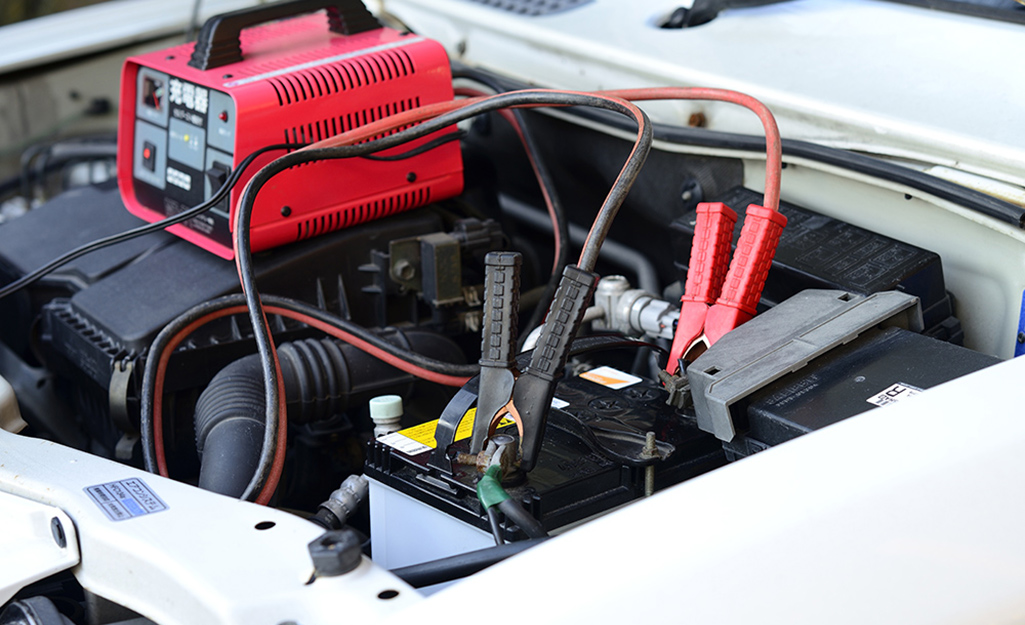
Charging a car battery involves electricity and chemicals, so safety comes first. Follow these steps:
- Wear safety goggles and gloves. Battery acid is corrosive and can burn skin or eyes.
- Work in a well-ventilated area. Charging releases hydrogen gas, which is flammable.
- Turn off the car and all electronics. Never charge a battery while the engine is running.
- Remove jewelry. Metal rings or watches can cause dangerous short circuits.
- Check for damage. If the battery case is cracked, leaking, or swollen, do not attempt to charge. Replace the battery.
- Read your car’s manual. Some vehicles have special charging instructions.
Basic Charging Safety Dos And Don’ts
| Do | Don’t |
|---|---|
| Charge in open air | Charge near flames or sparks |
| Use the correct charger | Mix battery types or chargers |
| Disconnect charger before moving cables | Touch both terminals with metal tools |
Choosing The Right Battery Charger
Not all chargers are created equal. Picking the right one depends on your battery type, how fast you want to charge, and your budget.
Main Types Of Car Battery Chargers
- Manual chargers: Simple devices where you control the charging time and must turn them off manually. Risk of overcharging if not watched closely.
- Automatic (smart) chargers: Stop charging when the battery is full, preventing damage. Good for beginners.
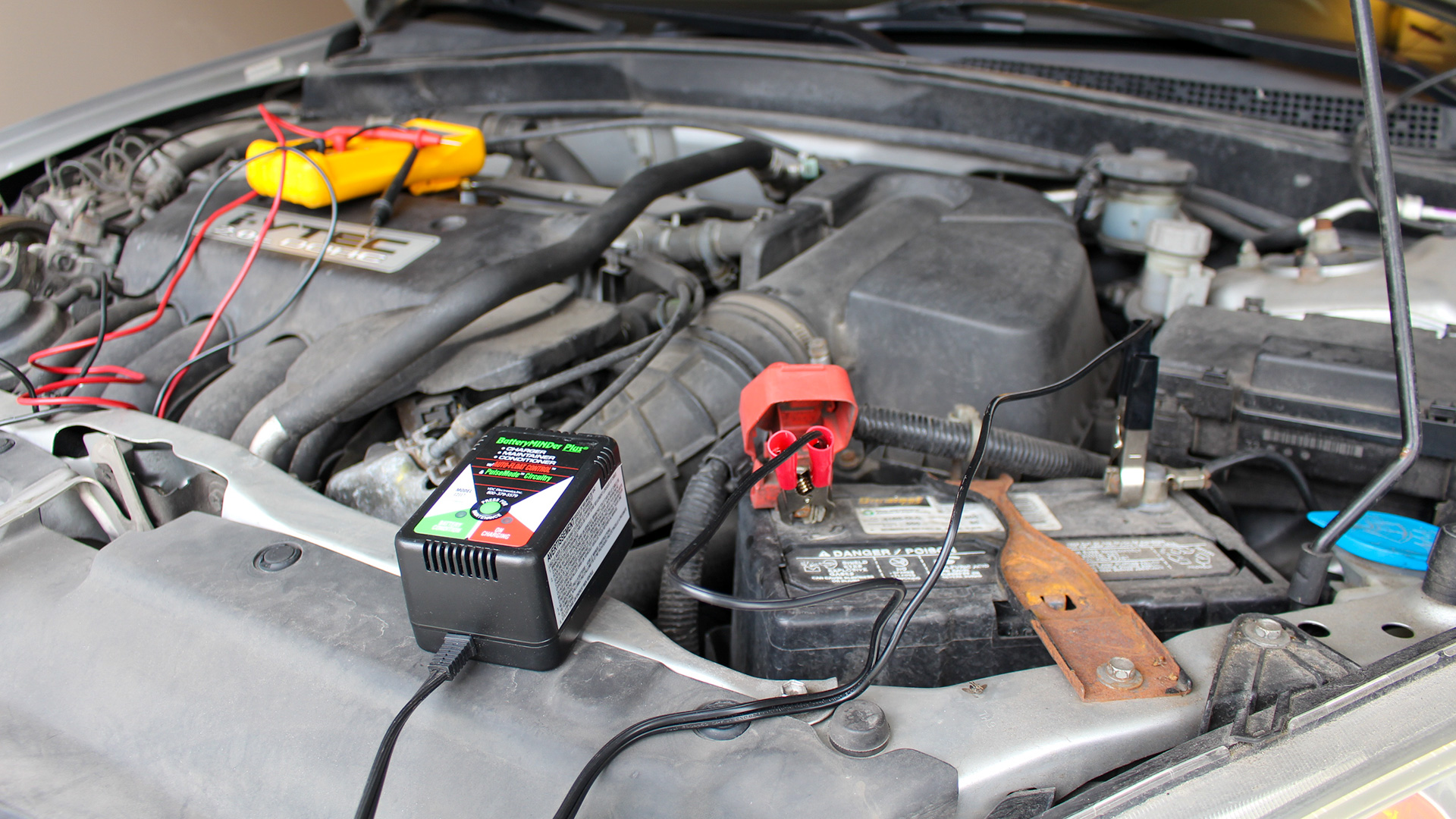
- Trickle chargers: Provide a very low, steady charge to keep a battery topped up over weeks or months. Ideal for vehicles not used often.
- Jump starters: Portable batteries that can start your car in an emergency but do not recharge the battery fully.
What Matters When Choosing
- Charger output (amps): Higher amp chargers fill batteries faster but can cause overheating if not compatible. For most cars, a 4–10 amp charger is safe.
- Compatibility: Match the charger to your battery’s voltage (most are 12V; some older cars use 6V).
- Safety features: Look for short-circuit protection, spark-proof clamps, and automatic shut-off.
- Price: Manual chargers cost less but require attention. Smart chargers cost more but are safer and easier.
Example: Comparing Charger Types
| Charger Type | Charging Speed | Ease of Use | Best For |
|---|---|---|---|
| Manual | Fast | Intermediate | Experienced users |
| Smart/Automatic | Medium | Beginner-friendly | Most drivers |
| Trickle | Slow | Very easy | Storage/seasonal cars |
| Jump Starter | Instant start only | Very easy | Emergencies |
How To Charge A Car Battery: Step-by-step Guide
Now that you understand the basics, let’s get hands-on. Here’s how to safely and effectively charge your car battery.
Step 1: Prepare Your Tools
- Battery charger (check voltage and amps)
- Safety goggles and gloves
- Battery terminal cleaner (wire brush or special spray)
- Wrench (usually 10mm) to disconnect cables if needed
Step 2: Check The Battery
Open your car’s hood and locate the battery. Inspect for cracks, leaks, or heavy corrosion. If you see any, do not charge—replace the battery instead. If it’s dirty, clean the terminals with a brush.
Step 3: Disconnect The Battery (optional But Safer)
For maximum safety, disconnect the negative terminal first (black, “–” sign), then the positive terminal (red, “+” sign). This prevents sparks and protects your car’s electronics. Some cars allow charging with the battery connected—check your manual.
Step 4: Connect The Charger
- Attach the positive (red) clamp to the battery’s positive terminal.
- Attach the negative (black) clamp to the negative terminal or, even safer, to a clean, unpainted metal part on the car’s frame (away from the battery).
- Make sure clamps are secure and not touching each other.
Step 5: Set The Charger
- Set the charger to the correct voltage (usually 12V for cars).
- Choose the charging rate: Slow (2 amps) for overnight, Medium (4–6 amps) for a few hours, Fast (10 amps) for quick charging (not recommended for deeply discharged batteries).
Step 6: Start Charging
Plug in or turn on the charger. Most chargers have lights or meters showing charging status. Let the charger work—do not rush this process.
- For a low battery, charging may take 4–12 hours.
- For a maintenance charge, 1–3 hours may be enough.
Step 7: Monitor Progress
Check progress every hour. Modern chargers switch off automatically when done. Manual chargers require you to turn them off; check the battery voltage with a multimeter—12.6 volts means fully charged.
Step 8: Disconnect And Reconnect
Turn off and unplug the charger. Remove the negative clamp first, then the positive. If you disconnected the battery, reconnect the positive cable first, then the negative.
Step 9: Start Your Car
Try starting your car. If it starts easily and electronics work well, you’ve done it right. If not, your battery may be damaged or need replacement.
Charging In Different Situations
Sometimes, charging is not a one-size-fits-all process. Here’s what to do in special cases.
Charging A Battery In The Car
You can often charge the battery without removing it, especially with a smart charger. However, make sure all electronics are off and the area is well-ventilated.
Charging A Completely Dead Battery
If your battery shows below 10 volts, many smart chargers won’t recognize it. Try a manual charger for a short period (1–2 hours) to “wake up” the battery, then switch to a smart charger for safe charging. If it still won’t hold a charge, replacement is needed.
Charging In Cold Weather
Batteries lose capacity in cold temperatures. Charging takes longer, and a battery below 32°F (0°C) may not accept a charge at all. Warm the battery to room temperature if possible before charging.
Charging Agm Or Gel Batteries
These batteries require voltage-regulated chargers. Overcharging can ruin them. Always use a charger labeled as safe for AGM or gel types.
Common Charging Mistakes To Avoid
Even experienced drivers can make errors that shorten battery life or cause safety risks. Here are mistakes to watch for:
- Overcharging: Leaving a manual charger connected too long boils off water and damages the battery.
- Wrong charger type: Using a high-amp “boost” charger on a small or AGM battery causes overheating.
- Incorrect cable order: Mixing up positive and negative leads can damage your car’s electronics.
- Ignoring corrosion: Dirty terminals reduce charging efficiency.
- Charging a frozen battery: This can crack the case and cause leaks.
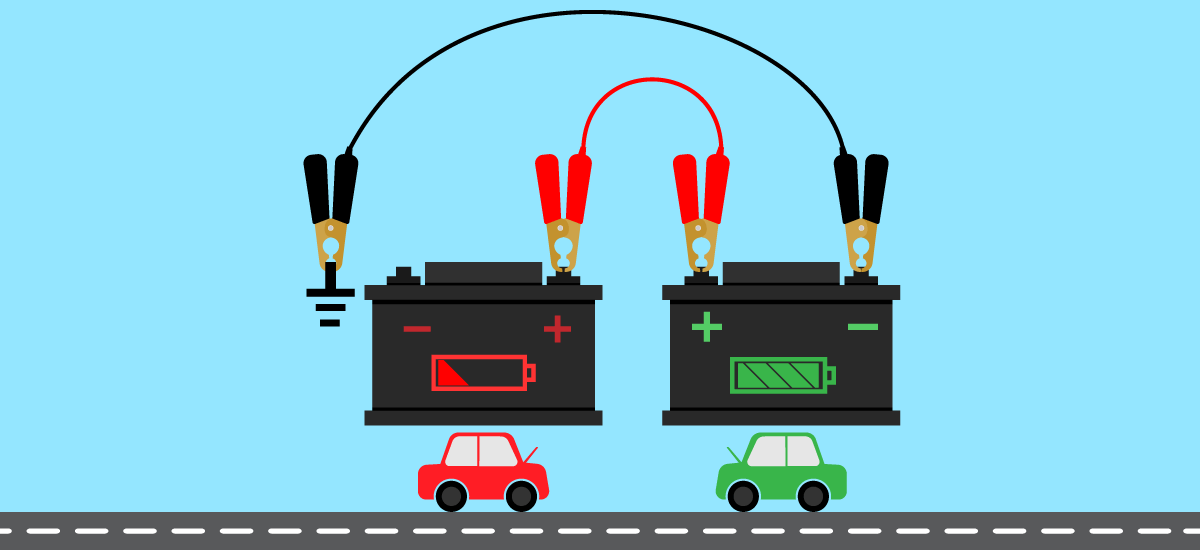
- Jump-starting instead of charging: Jump-starting is for emergencies, not for fully recharging a battery.
Many beginners overlook the importance of charging at the correct speed. A slow, steady charge is better for battery health than a quick boost, even if you’re in a hurry. Also, always double-check the polarity (positive/negative) before attaching clamps—reversing them can cause sparks or even an explosion.
Testing Your Car Battery After Charging
After charging, it’s wise to test the battery to ensure it’s healthy and holding a charge.
Using A Multimeter
- Set the multimeter to DC Volts (20V range).
- Touch the red lead to the positive terminal, black lead to negative.
- A healthy battery should read 12.6 volts or higher. If it’s below 12.4 volts after charging, the battery may be failing.
Load Testing
Some auto parts stores offer free load testing. This simulates starting the car and checks how well the battery performs under stress. Weak batteries can show good voltage when idle but fail under load.
How Often Should You Charge Your Battery?
If you drive daily, your car’s alternator keeps the battery charged. But if your car sits for more than a week, especially in cold weather, the battery can weaken.
- Weekly drives: No extra charging needed
- Monthly drives or storage: Use a trickle charger or maintainer
- After jump-starts: Always fully recharge the battery to avoid “memory effect”
Modern vehicles with alarms, GPS, and other electronics draw small amounts of power even when off. A battery can discharge in 2–4 weeks without driving.
Battery Maintenance Tips For Longer Life
Charging is just one part of battery care. Follow these tips to get the most from your battery:
- Keep terminals clean and tight. Dirty or loose connections reduce charging efficiency.
- Check fluid levels. For flooded batteries, add distilled water as needed.
- Secure the battery. Vibration damages internal parts.
- Avoid deep discharges. Running the battery flat repeatedly shortens its life.
- Park in a garage. Extreme heat or cold weakens batteries.
A little maintenance goes a long way. Studies show that poor charging habits and lack of maintenance are the main reasons batteries fail early.
When To Replace Instead Of Charge
Not all dead batteries can be saved. Here’s when it’s time for a new one:
- Battery is more than 5 years old
- Case is swollen, cracked, or leaking
- Will not hold a charge after repeated attempts
- Battery drains quickly after charging
- Jump-starts are needed regularly
Sometimes, investing in a new battery is cheaper and more reliable than repeated charging.
Environmental Impact And Battery Disposal
Batteries contain lead and acid, which can harm the environment if not handled properly. Never throw old batteries in the trash. Most auto shops and recycling centers accept used batteries for safe disposal.
In the United States, over 99% of lead-acid batteries are recycled—one of the highest recycling rates for any product. Proper recycling prevents pollution and allows materials to be reused.
Frequently Asked Questions
How Long Does It Take To Charge A Car Battery?
Charging time depends on the battery’s size and the charger’s output. With a 4–6 amp charger, most car batteries take 6–12 hours for a full charge. Fast chargers can do it in 2–3 hours but may reduce battery life if overused.
Can You Charge A Car Battery Without Disconnecting It?
Yes, you can usually charge the battery while it’s still connected to the car, especially with a modern smart charger. However, for maximum safety and to protect sensitive electronics, it’s best to disconnect the negative terminal.
What Happens If You Overcharge Your Battery?
Overcharging causes the battery to heat up, lose water, and release more hydrogen gas. This can damage internal plates, shorten battery life, and in extreme cases, lead to swelling or explosion. Always use a charger with an automatic shut-off or monitor charging closely.
How Do You Know If Your Battery Is Too Dead To Charge?
If a battery won’t accept a charge, shows less than 10 volts after several hours, or fails a load test, it’s likely sulfated or damaged beyond repair. In this case, replacement is the best option.
What’s The Difference Between Jump-starting And Charging?
Jump-starting gives your battery a quick boost from another battery so you can start the engine. It does not fully recharge the battery. Charging restores the battery’s energy gradually for long-term use. After a jump-start, always recharge the battery completely.
For more details about battery charging and safety, visit the U.S. Department of Energy.
Learning how to charge a car battery is a practical skill that can save you stress and money. With the right tools and knowledge, you can keep your vehicle running smoothly and avoid being stranded. Remember: safety first, use the correct charger, and don’t ignore the early signs of battery trouble. With regular care and smart charging habits, your car battery will last longer and perform better, giving you peace of mind wherever you drive.

