

Detailing a car is much more than just washing it. It’s about making your vehicle look, feel, and even smell like new. Whether you want to impress with a shiny exterior, protect your paint, or just enjoy a clean cabin, car detailing is the answer.
But many people don’t know what detailing really involves or how to do it properly. You don’t need to be a professional to get great results. With the right tools, products, and step-by-step guidance, you can detail your car at home and see a big difference.

36% off Today’s Exclusive Deals
Limited-time Exclusive Deals. Check current discount on Amazon.
Check Price on Amazon As an Amazon Associate I earn from qualifying purchases.This article will help you understand what car detailing is, why it matters, and show you the exact steps to detail your car inside and out. Along the way, you’ll learn tips that beginners usually miss, discover how to avoid common mistakes, and see how detailing can add value to your car.
What Is Car Detailing?
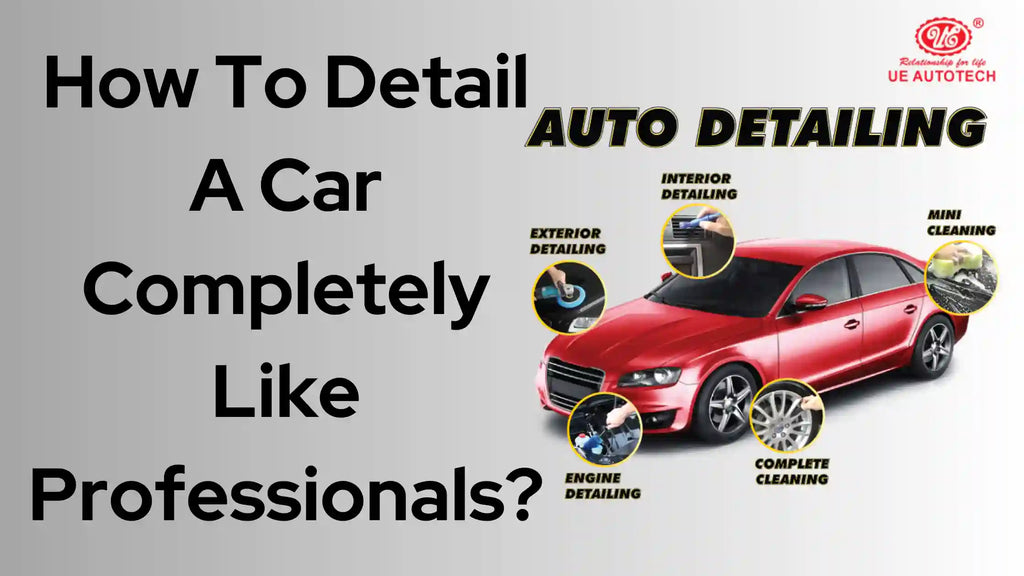
Car detailing means cleaning and restoring a car to its best condition, inside and outside. It’s more than a regular wash. Detailing includes deep cleaning, polishing, protecting surfaces, and sometimes fixing small flaws. Unlike a quick wash, detailing takes time and uses special products. You clean every part: wheels, glass, paint, seats, carpets, and even engine bay if needed.
Exterior detailing focuses on the paint, wheels, and glass. Interior detailing covers seats, carpets, dashboard, and other inside surfaces. Some detailers also do engine bay cleaning. Detailing can be basic or advanced, depending on your goals and budget. If you plan to sell your car, detailing can increase its value by up to 10%–15%.
Why Detail Your Car?
Detailing is not just about looks. It protects your car from damage and keeps it healthy. Here are some reasons to detail your car:
- Paint protection: Detailing removes dirt, bugs, and other things that can harm paint. Applying wax or sealant adds a protective layer.
- Higher resale value: A clean, shiny car attracts buyers and can get a better price.
- Healthier interior: Detailing gets rid of dust, allergens, and bacteria inside your car.
- Better driving experience: Clean seats, windows, and dashboard make driving more pleasant.
- Prevent damage: Regular detailing stops rust, fading, and cracking.
A study by the International Carwash Association showed that regular detailing can extend your car’s life and reduce repair costs.

Essential Tools And Products
To detail your car, you need the right tools and products. Using household cleaners or old towels can damage your car. Here’s what you should have:
| Tool/Product | Purpose | Beginner Tip |
|---|---|---|
| Microfiber towels | Safe cleaning and drying | Choose quality towels to avoid scratches |
| Car shampoo | Gentle washing | Never use dish soap—it removes wax |
| Buckets (2) | Wash and rinse | Two-bucket method keeps dirt off paint |
| Wash mitt | Washing without scratching | Use a soft mitt, not a sponge |
| Wheel brush | Cleaning wheels and tires | Use separate brush for wheels |
| Vacuum cleaner | Interior cleaning | Use attachments for tight areas |
| All-purpose cleaner | Interior surfaces | Check label for safe use |
| Glass cleaner | Windows and mirrors | Use ammonia-free for tint |
| Clay bar | Removing bonded dirt | Lubricate well to avoid marring |
| Polish | Restoring shine | Hand or machine application |
| Wax/sealant | Paint protection | Apply thin, even coats |
Non-obvious insight: Many beginners skip clay bar treatment, but it removes dirt that washing can’t. Also, using a separate towel for each area (paint, wheels, interior) avoids cross-contamination.
Step-by-step Exterior Detailing
Detailing the outside of your car is about making it look shiny and new. Follow these steps for best results.
1. Pre-wash And Rinse
Start by rinsing your car with water. This removes loose dirt and prevents scratching during washing. Use a hose or pressure washer if possible. Focus on wheel wells and lower panels—they collect the most dirt.
2. Wash Using The Two-bucket Method
Fill one bucket with water and car shampoo, and the other with clean water for rinsing your mitt. Dip your wash mitt in the soapy bucket, clean a section, then rinse it in the clean water. This keeps dirt off your paint.
Wash from top to bottom. The roof is cleanest, the lower panels are dirtiest. Washing lower panels last avoids spreading grit.
3. Clean Wheels And Tires
Wheels and tires need special attention. Use a wheel brush and wheel cleaner. Spray cleaner, scrub, and rinse well. Avoid using the same mitt or towel for wheels and paint—brake dust can scratch paint.
4. Clay Bar Treatment
After washing, use a clay bar to remove stubborn dirt and contaminants. Spray clay lubricant on a section, gently rub the clay bar, then wipe off with a microfiber towel. You’ll feel the surface become smoother. This step is key for a glass-like finish.
5. Drying
Dry your car with clean microfiber towels. Pat dry—don’t wipe hard, as this can scratch. Some detailers use air blowers to reach tight spots.
6. Polishing
Polishing removes minor scratches and restores shine. Use a quality polish and a foam applicator or polishing machine. Work in small sections. If you’re new, start with hand polishing.
Polishing is not the same as waxing. It improves the look but does not protect the paint.
7. Wax Or Sealant Application
After polishing, apply wax or paint sealant. Wax gives a deep shine, while sealant lasts longer. Use a foam applicator, spread a thin layer, and let it dry. Buff with a microfiber towel. This step protects paint from UV rays, rain, and road grime.
8. Glass And Trim
Use glass cleaner for windows and mirrors. Spray and wipe with a clean microfiber towel. For plastic and rubber trim, use a trim restorer. This prevents fading and cracking.
Non-obvious insight: Many people forget door jambs and fuel cap areas. Cleaning these spots shows real attention to detail.
Step-by-step Interior Detailing
A clean interior makes every drive more enjoyable. Interior detailing removes dust, stains, and odors. Here’s how to do it right.
1. Remove Trash And Personal Items
Clear out all garbage, receipts, and personal items. Check under seats and in compartments. This makes cleaning easier.
2. Vacuum Thoroughly
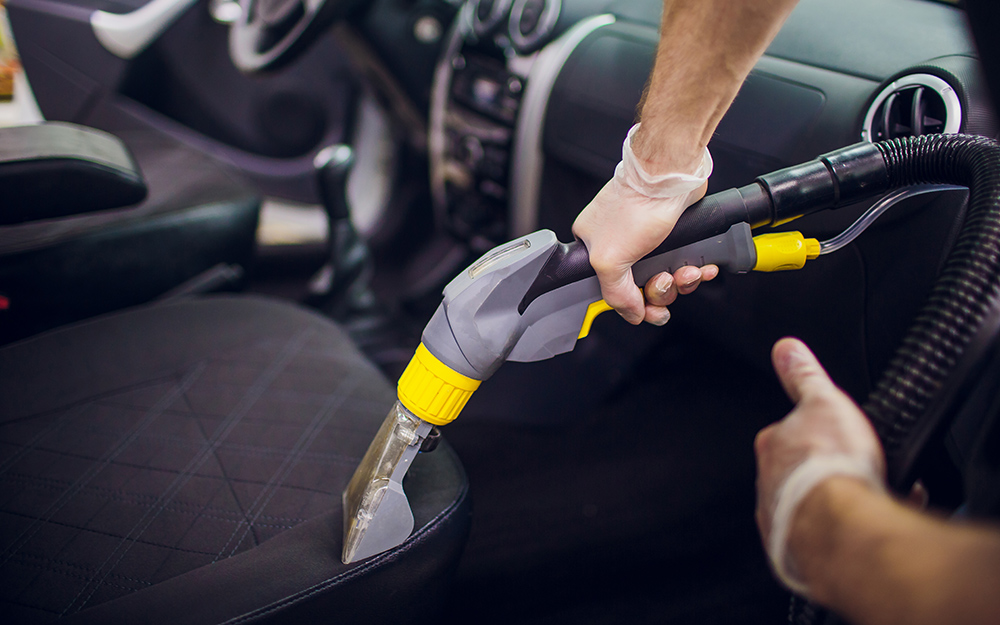
Vacuum seats, carpets, mats, and trunk. Use attachments for tight spots like between seats and under pedals. Don’t forget headliners and door panels.
3. Clean Seats And Carpets
For fabric seats and carpets, use a carpet cleaner. Spray, scrub gently, and blot with a towel. For leather seats, use a leather cleaner and conditioner. Don’t use harsh chemicals—they can damage leather.
4. Clean Dashboard, Console, And Doors
Spray an all-purpose cleaner on a microfiber towel (not directly on surfaces). Wipe dashboard, console, and door panels. Use a soft brush for vents and small crevices.
5. Clean Interior Glass
Use a separate towel and glass cleaner for inside windows. Wipe in straight lines to avoid streaks. Many beginners use the same towel for glass and dashboard, which leaves smudges.
6. Odor Removal
If your car has odors, use an odor eliminator spray or place an air freshener under the seat. For strong odors, try ozone treatment or remove and wash mats.
7. Protect Interior Surfaces
Apply protectant to dashboard and plastic surfaces. This prevents UV damage and keeps surfaces looking new. Avoid greasy products—they can attract dust.
Non-obvious insight: If you spill a drink, clean it right away. Stains set quickly and are harder to remove later.
Engine Bay Detailing
Not everyone cleans the engine bay, but it helps prevent damage and shows buyers you care for your car.
- Make sure the engine is cool.
- Cover sensitive parts (battery, alternator) with plastic.
- Spray degreaser on dirty areas.
- Agitate with a brush, rinse lightly.
- Dry with towels or air blower.
Don’t use high-pressure water in the engine bay—it can cause electrical problems.
Advanced Detailing: Paint Correction And Ceramic Coating
For those who want top results, advanced steps like paint correction and ceramic coating can make your car look better than new.
Paint Correction
Paint correction uses special machines and compounds to remove deeper scratches and swirl marks. It’s time-consuming and best for older cars or those with damaged paint.
Ceramic Coating
Ceramic coating is a liquid polymer applied to paint. It bonds to the surface and lasts up to 2–5 years. It protects against water, dirt, and chemicals, and gives a deep shine.
| Wax | Sealant | Ceramic Coating |
|---|---|---|
| Lasts 2-4 months | Lasts 6-12 months | Lasts 2-5 years |
| Easy to apply | Moderate skill needed | Best applied by professionals |
| Deep shine | Glossy look | Super hydrophobic, glossy |
Non-obvious insight: Ceramic coatings are not scratch-proof, but they make cleaning easier and prevent staining.
Common Mistakes To Avoid
Even experienced detailers make mistakes. Avoid these to get the best results.
- Using household cleaners: They can damage surfaces and remove protective layers.
- Washing in direct sunlight: Water and soap dry too fast, leaving spots.
- Skipping drying: Air drying leaves water spots and can cause rust.
- Using dirty towels: Old towels spread dirt and cause scratches.
- Applying too much product: More isn’t better; thin layers work best.
- Ignoring tight spots: Dirt in crevices and door jambs makes the car look unfinished.
- Polishing too often: Over-polishing can thin the paint and cause damage.
One extra tip: Always read product instructions. Some cleaners need to be diluted, and some waxes need special removal.
How Often Should You Detail Your Car?
How often you detail depends on your usage, climate, and personal standards. Most experts recommend full detailing every 4–6 months. If you drive in harsh conditions (snow, mud, salty roads), detail more often. Exterior washing can be done every week, but deep interior cleaning can be every 1–2 months.
| Detailing Task | Recommended Frequency |
|---|---|
| Exterior wash | Weekly |
| Interior vacuum | Bi-weekly |
| Wax/sealant | Every 3–6 months |
| Full detailing | Every 4–6 months |
Non-obvious insight: Seasonal changes affect detailing needs. After winter, salt and grime can damage paint. After summer, UV rays can fade surfaces.
Professional Vs Diy Detailing
Should you detail your car yourself or hire a pro? Here’s what to consider.
DIY Detailing:
- Costs less (basic products can cost $50–$100)
- Flexible schedule
- Good for regular maintenance
Professional Detailing:
- Costs $150–$300 for full service
- Advanced tools and experience
- Best for paint correction and ceramic coatings
If you’re new, start with DIY for regular cleaning. For deep scratches or special coatings, a pro is worth it.
How Detailing Adds Value
Detailing does more than just make your car look good. It can boost the value by up to 10%–15%, especially for used cars. Buyers notice clean interiors and shiny paint. A detailed car also shows you care for maintenance, which can help in negotiations.
In a study by Kelley Blue Book, cars with regular detailing sold faster and for higher prices compared to similar models that were not detailed.
Quick Tips For Better Results
- Always use clean microfiber towels.
- Wash and detail in the shade, not in direct sunlight.
- Start with the cleanest areas and move to the dirtiest.
- Use separate tools for wheels, paint, and interior.
- Don’t rush—take your time for a better finish.
If you want a deep shine, apply wax after every wash, but don’t overdo it. Too much wax can build up and look cloudy.
Frequently Asked Questions
How Long Does It Take To Detail A Car?
It usually takes 3–6 hours for a full detail, depending on the car size and condition. Beginners may need more time. Professional detailers are faster because they have better tools and experience.
What Is The Difference Between Car Washing And Detailing?
Car washing is a quick clean, usually outside only. Car detailing is deep cleaning, inside and outside, including paint protection, stain removal, and restoring surfaces. Detailing takes more time and uses special products.
Is Detailing Safe For All Cars?
Most detailing steps are safe for all cars. However, some products can harm older or classic cars. Always check labels and test in a small area before using. If your car has special paint or interior materials, use products made for them.
Can I Detail My Car If I Have No Garage?
Yes, you can detail outside, but avoid direct sunlight and windy days. Set up in the shade, or use a canopy if possible. Some steps, like waxing or polishing, work better in cool conditions.
Where Can I Learn More About Detailing?
You can find guides and videos online. The Autogeek Detailing Guide is a trusted resource for both beginners and pros.
Final Thoughts
Detailing your car is an investment in its look and health. It’s not just for car lovers or those selling their vehicle. Anyone can learn to detail with the right products and steps. Regular detailing keeps your car shining, protects it from damage, and makes every drive more enjoyable.
Start simple, avoid common mistakes, and don’t be afraid to try advanced methods as you gain confidence. The effort you put in will show every time you get behind the wheel.

