

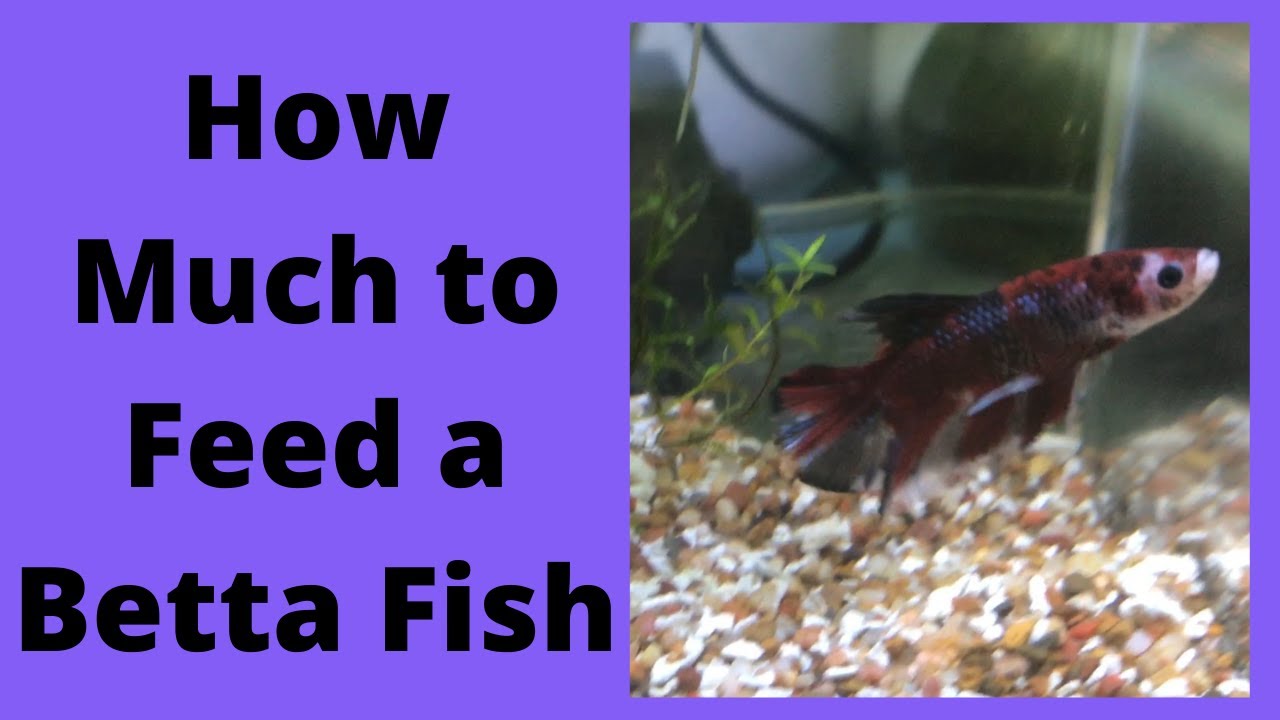
Betta fish, also known as Siamese fighting fish, are famous for their bright colors and flowing fins. They’re a favorite choice for both beginners and experienced aquarium owners. But many people make mistakes when feeding them, leading to health problems or even early death.
If you want your betta to live a healthy and vibrant life, understanding how to feed it properly is essential. This guide will help you avoid common errors, choose the best foods, and create the right feeding routine. With clear explanations and practical advice, even beginners can confidently feed their betta fish.

36% off Today’s Exclusive Deals
Limited-time Exclusive Deals. Check current discount on Amazon.
Check Price on Amazon As an Amazon Associate I earn from qualifying purchases.What Betta Fish Eat
Betta fish are carnivorous by nature. In the wild, they eat insects and insect larvae. Their diet is high in protein and low in carbs. Understanding this is key to their health in captivity.
Types Of Betta Fish Food
There are several types of food available for betta fish. Each has its pros and cons.
- Pellets: The most popular choice for betta owners. Good-quality pellets are packed with protein and vitamins. Always check the label—look for at least 40% protein.
- Flakes: Common in stores, but often less nutritious than pellets. Flakes can be used, but they may not provide enough protein.
- Frozen Food: Includes bloodworms, brine shrimp, and daphnia. These are closer to what bettas eat in the wild. They’re usually more nutritious but need careful handling to avoid contamination.
- Live Food: Examples include mosquito larvae, daphnia, and brine shrimp. Live foods are excellent for bettas but may carry diseases if not sourced safely.
- Freeze-dried Food: Bloodworms and brine shrimp can be freeze-dried. They’re easy to store but may lack some nutrients.
Which Food Is Best?
Pellets designed for betta fish are usually the best option for daily feeding. Supplement with frozen or live foods 2-3 times a week for variety and extra nutrition. Avoid generic fish food, as it often lacks the protein bettas need.
| Food Type | Protein (%) | Ease of Use | Risk of Disease |
|---|---|---|---|
| Pellets | 40–50 | Easy | Low |
| Flakes | 25–35 | Very Easy | Low |
| Frozen | 40–60 | Moderate | Medium |
| Live | 40–70 | Moderate | High |
| Freeze-dried | 35–50 | Easy | Low |
How Much To Feed A Betta Fish
Overfeeding is the most common mistake with betta fish. Their stomach is about the size of their eye. Feeding too much can cause bloating, constipation, or even death.
Daily Portion Size
A typical adult betta needs about 2–3 pellets per meal, twice a day. If using frozen or live foods, offer a small pinch—just enough that they can eat in 2 minutes.
- Pellets: 2–3 per meal, twice a day
- Frozen/live: Small pinch, 2–3 times a week
If your betta leaves food uneaten, reduce the portion next time. If it looks bloated or sluggish, skip a meal to allow digestion.
Feeding Schedule Example
Morning: 2 Pellets
Evening: 2 Pellets
Wednesday & Saturday: Replace One Pellet Meal With Frozen Bloodworms
Tip: Consistent timing helps bettas feel secure. Feed them at the same times each day.
How To Feed Your Betta Fish
Feeding bettas is simple, but the right method keeps them healthy and prevents water problems.
Steps For Proper Feeding
- Choose the right food: Use pellets made for bettas most days. Supplement with frozen or live foods for variety.
- Prepare the food: If using frozen food, thaw it in a cup of aquarium water. For freeze-dried food, soak in water for 2–3 minutes to prevent bloating.
- Add food to tank: Drop pellets or food gently into the water. Avoid dumping too many at once.
- Watch your betta: Stay nearby and see how much is eaten in 2–3 minutes. Remove any uneaten food with a net.
- Clean up: Always remove leftovers. Decaying food causes ammonia spikes, which are harmful.
Non-obvious insight: Bettas sometimes spit out food and then eat it again. This is normal and not a sign of illness.
Feeding Betta Fish In Different Tank Setups
The size and type of tank affect how you feed your betta fish.
Small Bowls Vs. Proper Tanks
Betta fish often live in small bowls, but this isn’t ideal. Small spaces get dirty fast, and leftover food can quickly pollute the water.
- Small bowls: Feed less, clean often, remove leftovers immediately.
- Aquarium (5+ gallons): More stable environment, but still remove uneaten food.
Data: Studies show that bettas in larger tanks live up to 2 years longer than those in small bowls.
With Other Fish Or Shrimp
If your betta shares a tank with other fish or shrimp, feeding gets tricky. Bettas may eat slower, or tank mates may steal food.
- Feed in a calm spot where your betta can eat alone.
- Try using tweezers to place food near your betta.
- Watch for aggression—bettas may fight for food.
Feeding Betta Fish During Special Situations
Sometimes, your betta needs a different routine.
Sick Betta Fish
If your betta is sick (looks pale, swims oddly, or isn’t eating), reduce feeding. Offer high-protein foods like frozen bloodworms to boost recovery. Avoid pellets if the betta is bloated.
After Water Changes
After changing water, wait an hour before feeding. Fish can get stressed during water changes, and waiting helps them adjust.
During Vacation
Going away? Bettas can survive without food for up to 10 days, but it’s not ideal. Use an automatic feeder or ask a friend to feed them. Never use vacation “blocks”—they often pollute water.
Foods To Avoid
Not all fish foods are safe for bettas. Avoid these to keep your fish healthy:
- Goldfish food: Too low in protein.
- Generic tropical flakes: Not enough nutrition for bettas.
- Bread, crackers, or human food: Causes bloating and pollution.
- Fatty or oily foods: Can lead to liver damage.
Non-obvious insight: Some freeze-dried foods are coated with color enhancers. These can cause allergies in sensitive bettas.
Signs Of Healthy Feeding
A well-fed betta shows clear signs:
- Bright color: Dull, faded colors mean poor diet.
- Active swimming: Bettas rest, but should swim smoothly and respond to you.
- Appetite: Healthy bettas eat quickly.
Watch for warning signs:
- Bloating: Swollen belly means too much food.
- Lethargy: Slow movement suggests overfeeding or illness.
- Clamped fins: Fins held tight to the body can mean stress or poor diet.
Comparing Betta Food Brands
Choosing the right brand matters. Here’s a quick comparison of popular options:
| Brand | Protein (%) | Added Vitamins | Average Price ($/oz) |
|---|---|---|---|
| Omega One Betta Pellets | 42 | Yes | 4.50 |
| Hikari Betta Bio-Gold | 38 | Yes | 5.00 |
| Fluval Bug Bites | 45 | No | 5.60 |
| Tetra BettaMin | 32 | Yes | 3.70 |
Tip: Always check the expiration date and store food in a cool, dry place.
How Water Quality Affects Feeding
Water quality is linked to feeding habits. Poor water leads to stress and illness, affecting appetite.
Ammonia And Uneaten Food
Food left in the tank breaks down and creates ammonia. High ammonia levels harm bettas.
- Test water weekly for ammonia.
- Remove uneaten food after 5 minutes.
- Do partial water changes every week.
Ph And Betta Health
Bettas prefer a pH of 6. 5–7. 5. Extreme pH can make it hard for them to digest food.
Example: If your tap water is very alkaline (pH above 8), add a water conditioner to stabilize it.
Feeding Betta Fry (baby Bettas)
Baby bettas, called fry, need special care. Their food must be tiny and high in protein.
What To Feed Betta Fry
- Infusoria: Microscopic organisms, ideal for newly hatched fry.
- Baby brine shrimp: Excellent protein source.
- Microworms: Good for growing fry.
Fry need to eat 3–4 times a day. As they grow, switch to crushed pellets or flakes.
| Age (Days) | Food Type | Feeding Frequency |
|---|---|---|
| 1–7 | Infusoria | 4x/day |
| 8–21 | Baby brine shrimp | 3x/day |
| 22+ | Microworms, crushed pellets | 2x/day |
Common mistake: Overfeeding fry. They need tiny amounts; too much food pollutes the water and kills fry.
Creating A Feeding Routine
Consistency is key for betta fish. They thrive on routine.
Example Weekly Feeding Plan
- Monday: Pellets (morning/evening)
- Tuesday: Pellets
- Wednesday: Frozen bloodworms (evening)
- Thursday: Pellets
- Friday: Pellets
- Saturday: Frozen brine shrimp (morning)
- Sunday: Pellets
Tips For Sticking To A Routine
- Set reminders on your phone.
- Keep food in one spot near the tank.
- Watch your betta’s behavior—adjust if needed.
Practical tip: Skip feeding once a week. This “fasting day” helps clear their digestive system.
Betta Fish Feeding Myths
Many myths surround feeding betta fish. Here are some you should ignore:
- Betta fish can live on plant roots: False. Bettas need animal protein.
- Bettas need constant food: Overfeeding is dangerous.
- More food means faster growth: Too much food leads to illness, not size.
- Bettas only eat floating food: Bettas can eat sinking food, though they prefer the surface.
Surprising insight: Some bettas enjoy hunting live food, which can reduce boredom.
Feeding In Cold Vs. Warm Water
Bettas are tropical fish and need warm water (76–82°F).
- Cold water: Slows metabolism; bettas eat less and may not digest well.
- Warm water: Promotes healthy appetite and digestion.
Always use a heater in your tank, especially during winter.
How Feeding Changes With Age
Young bettas (up to 6 months) are more active and need more protein. Older bettas (over 2 years) may eat slower and need smaller meals.
- Young bettas: Feed twice a day, high-protein foods.
- Older bettas: Feed once or twice a day, smaller portions.
Example: An elderly betta may prefer soft foods like thawed brine shrimp.
Training Your Betta Fish With Food
Betta fish are smart and can learn tricks for food rewards.
- Use pellets as treats for simple tricks (swimming through hoops).
- Avoid overfeeding during training—count each treat as part of daily food.
Practical tip: Bettas can learn to come when you tap the tank, making feeding easier.
Environmental Enrichment With Feeding
Feeding can be more than just nutrition. It’s an opportunity for enrichment.
- Use floating feeding rings to encourage natural hunting behavior.
- Offer live food in small amounts to stimulate activity.
- Vary feeding locations to prevent boredom.
Non-obvious insight: Changing feeding spots can make your betta more confident and less stressed.

Common Feeding Mistakes
Avoid these errors:
- Overfeeding: Causes bloating and dirty water.
- Underfeeding: Leads to weak, dull fish.
- Feeding wrong foods: Use only betta-specific foods.
- Ignoring leftovers: Always remove uneaten food.
- Feeding at irregular times: Bettas love routine.
Tip: If your betta stops eating, check water quality first.
When To Consult An Expert
If your betta refuses food for more than 3 days, shows signs of illness, or looks bloated, consult a vet or an experienced aquarist. Don’t wait until the fish is very sick.
For more information on betta fish care, visit Wikipedia.
:strip_icc()/GettyImages-1149846917-586f65edef31413ca965ebe5dd8f7115.jpg)
Frequently Asked Questions
How Often Should I Feed My Betta Fish?
Feed your betta fish twice a day with small portions. If you use pellets, offer 2–3 at each meal. Supplement with frozen or live food a few times a week for variety.
Can I Feed My Betta Fish Human Food?
No, betta fish cannot digest human food like bread or meat. These foods cause bloating and pollute the water. Always use foods made for bettas.
Why Is My Betta Fish Not Eating?
Bettas may stop eating if water quality is poor, if they’re stressed, or if the food is old. Check water temperature, pH, and ammonia levels. Also, make sure the food is fresh.
What Should I Do If I Overfeed My Betta Fish?
If you overfeed, remove uneaten food immediately. Skip the next meal and monitor your betta for signs of bloating. Keep the water clean to prevent ammonia spikes.
Are Automatic Feeders Safe For Betta Fish?
Automatic feeders are safe if used correctly. Test them before leaving your betta alone. Make sure they release the correct amount of food and don’t clog.
Feeding a betta fish is simple, but doing it right makes a huge difference. By understanding their dietary needs, choosing quality foods, and sticking to a routine, you’ll help your betta stay healthy and colorful. Remember to watch for signs of overfeeding, change water often, and enjoy the unique personality your betta shows at mealtime.
With these tips, your betta can live a happy, long life.

