

Grooming your dog is more than just keeping them looking clean and cute. It’s an important part of caring for your pet’s health and happiness. Well-groomed dogs are less likely to suffer from skin problems, parasites, or painful mats in their fur.
Regular grooming also strengthens the bond between you and your dog, turning what could be a stressful chore into enjoyable quality time. While many pet owners feel nervous about grooming, especially if their dog isn’t used to it, the right approach and tools can make the process smooth and rewarding.

36% off Today’s Exclusive Deals
Limited-time Exclusive Deals. Check current discount on Amazon.
Check Price on Amazon As an Amazon Associate I earn from qualifying purchases.In this guide, you’ll learn how to groom a dog step by step, whether you’re a first-time owner or want to improve your technique.
Why Grooming Your Dog Matters
Dog grooming is often underestimated. Many believe only long-haired or show dogs need it, but all breeds benefit from a regular routine. Grooming isn’t just about appearance—it’s crucial for your dog’s health. Brushing, bathing, nail trimming, and ear care help prevent infections, spot health issues early, and keep your dog comfortable.
For example, studies show that regular grooming reduces the risk of skin infections and parasite infestations. According to the American Kennel Club, over 60% of skin issues in dogs are linked to poor grooming habits or lack of regular checks. Grooming is also a chance to check for lumps, bumps, or changes in your dog’s body that could signal bigger health problems.
Understanding Your Dog’s Coat And Grooming Needs
Every dog is unique, and so is their coat. Before you start grooming, it’s important to understand what your dog’s fur type needs.
Common Coat Types
There are several main types of dog coats:
- Short-haired: Like Beagles or Dobermans. These dogs shed, but their fur rarely mats.
- Long-haired: Examples include Collies or Afghan Hounds. Their fur mats easily and needs frequent brushing.
- Curly/wavy: Breeds like Poodles or Bichons. Curly coats trap dirt and mat quickly.
- Double-coated: Breeds such as Huskies or Golden Retrievers. They have a soft undercoat and a coarse outer coat, which “blows” (sheds heavily) seasonally.
- Wire-haired: Terriers often have this rough, bristly fur. It needs special tools and sometimes hand-stripping.
How Often Should You Groom?
Frequency depends on coat type, activity level, and your dog’s health. Here’s a quick comparison:
| Coat Type | Brushing | Bathing | Professional Grooming |
|---|---|---|---|
| Short-haired | 1-2x/week | Every 2-3 months | Rarely needed |
| Long-haired | 3-7x/week | Monthly | Every 6-8 weeks |
| Curly/wavy | 2-3x/week | Monthly | Every 4-6 weeks |
| Double-coated | 2-3x/week | Every 2-3 months | Seasonally (during shedding) |
| Wire-haired | 1-2x/week | Every 2-3 months | Every 3-4 months |
Tip: Dogs with allergies or skin problems may need more frequent baths with special shampoos. If you’re unsure, ask your vet for advice.
Essential Tools For Dog Grooming
Before you start, gather all the tools you’ll need. The right equipment makes grooming safer and faster.
- Brushes and combs: Slicker brush, bristle brush, undercoat rake, and de-matting combs.
- Nail clippers or grinders: Choose a style that fits your hand and your dog’s nail thickness.
- Dog shampoo and conditioner: Use only pet-safe products; human shampoo can irritate skin.
- Ear cleaner and cotton balls: For gentle ear cleaning.
- Toothbrush and dog toothpaste: Dental care is part of grooming.
- Grooming scissors and clippers: For trimming fur, especially around paws and face.
- Towels and blow dryer: For drying after bathing.
Some tools are specialized. For example, a Furminator brush is excellent for double-coated breeds, while a pin brush works well for long, silky coats.
Preparing Your Dog For Grooming
Dogs can be nervous about grooming, especially if they’ve had a bad experience or are new to it. Preparation is key.
- Pick the right time: Choose a moment when your dog is calm, such as after a walk.
- Create a safe space: Groom your dog in a quiet area with non-slip flooring. Keep treats nearby for rewards.
- Introduce tools slowly: Let your dog sniff brushes and clippers before using them.
- Handle gently: Start by touching your dog’s feet, ears, and tail outside grooming sessions to build trust.
- Be patient: Take breaks if your dog becomes stressed.
Dogs notice your energy. If you’re calm and patient, they’re more likely to relax.
Brushing: The Foundation Of Dog Grooming
Brushing removes loose fur, dirt, and prevents mats. It also spreads natural oils, keeping the coat shiny.
How To Brush Your Dog
- Choose the right brush for your dog’s coat. Slicker brushes are good for tangles, while bristle brushes work well on short fur.
- Work in sections, starting at the head and moving toward the tail.
- Be gentle. Pulling on tangles hurts and can make your dog fear brushing.
- Pay attention to problem areas: Behind ears, under the legs, and around the collar are common mat zones.
- For double coats, use an undercoat rake during shedding seasons.
Dealing With Mats
If you find a mat, don’t cut it out immediately. Try to loosen it with a de-matting comb and a detangling spray. For stubborn mats, work slowly and reward your dog for patience. If the mat is tight to the skin, a professional groomer is safer.
Bathing Your Dog: When And How
Bathing keeps your dog’s skin and fur clean. But too much bathing can dry out their skin.
How Often Should You Bathe?
Most dogs need a bath every 4-12 weeks, depending on their activity and coat type. Dogs with oily skin (like Basset Hounds) may need more frequent baths, while breeds like Huskies do best with fewer.
Bathing Steps
- Brush first: Remove loose fur and mats before wetting your dog.
- Use lukewarm water: Too hot or cold can shock your dog.
- Wet thoroughly: Make sure the water soaks through the fur.
- Apply dog shampoo: Lather gently, avoiding eyes and inside ears.
- Rinse completely: Leftover soap can cause itching.
- Condition if needed: For long or curly coats, a dog conditioner helps prevent tangles.
- Dry well: Use towels first, then a blow dryer on a cool setting if your dog tolerates it.
Never use human shampoo, as it can upset your dog’s skin pH. If your dog rolls in mud or something smelly, it’s okay to bathe them more often, but use a gentle formula.
Bathing Tips
- Use a non-slip mat in the tub.
- Place cotton balls in your dog’s ears to keep water out, but don’t forget to remove them.
- Have towels and treats ready before you start.
Nail Care: Why And How To Trim Dog Nails
Overgrown nails can cause pain, make walking difficult, and even lead to joint problems. Trimming nails is often the most feared part of grooming for both dogs and owners, but with practice, it gets easier.
How Often To Trim
Most dogs need a nail trim every 3-6 weeks. Active dogs that walk on pavement may need less frequent trims, as the ground naturally files their nails.
How To Trim Nails Safely
- Choose clippers or a grinder: Scissor-style clippers work for most dogs; grinders are quieter and smooth rough edges.
- Hold the paw gently but firmly.
- Trim a little at a time: Avoid cutting into the quick (the sensitive area inside the nail). For dark nails, trim small bits and look for a dark spot inside—the quick is just before that.
- Stop bleeding fast: If you cut the quick, use styptic powder or cornstarch to stop bleeding.
Nail Clipper Comparison
| Clipper Type | Best For | Pros | Cons |
|---|---|---|---|
| Scissor-style | Small to medium dogs | Easy control, clean cut | Can crush thick nails |
| Guillotine | Small dogs | Precise, simple design | Not for large/thick nails |
| Grinder | All sizes | Smooth edges, less risk of cutting quick | Noisy, may scare dogs |
Extra Tips
- Trim after a bath when nails are softer.
- If you’re nervous, trim one or two nails a day until you’re more confident.
- Always reward your dog with praise and treats.
Ear, Eye, And Dental Care
Grooming isn’t just about fur and nails. Healthy ears, clean eyes, and good teeth are vital.
Ear Cleaning
Dogs with floppy ears or lots of hair in their ears (like Cocker Spaniels) are more prone to infections. Check ears weekly.
- Use a vet-approved ear cleaner.
- Moisten a cotton ball, gently wipe the visible part of the ear.
- Never insert cotton swabs deep into the ear canal.
Signs of problems include redness, odor, or your dog shaking its head often.
Eye Care
Tear stains and eye discharge are common, especially in small breeds.
- Use a damp, soft cloth to wipe away discharge.
- For tear stains, dog-safe wipes or solutions can help, but persistent stains may signal health issues.
Dental Care
Dental disease affects over 80% of dogs by age three. Brushing your dog’s teeth 2-3 times a week reduces the risk of gum disease and bad breath.
- Use a dog toothbrush and toothpaste (never human toothpaste).
- Start slow; let your dog lick the paste, then gently brush.
Dental chews and toys can help, but they don’t replace regular brushing.
Trimming And Clipping Your Dog’s Coat
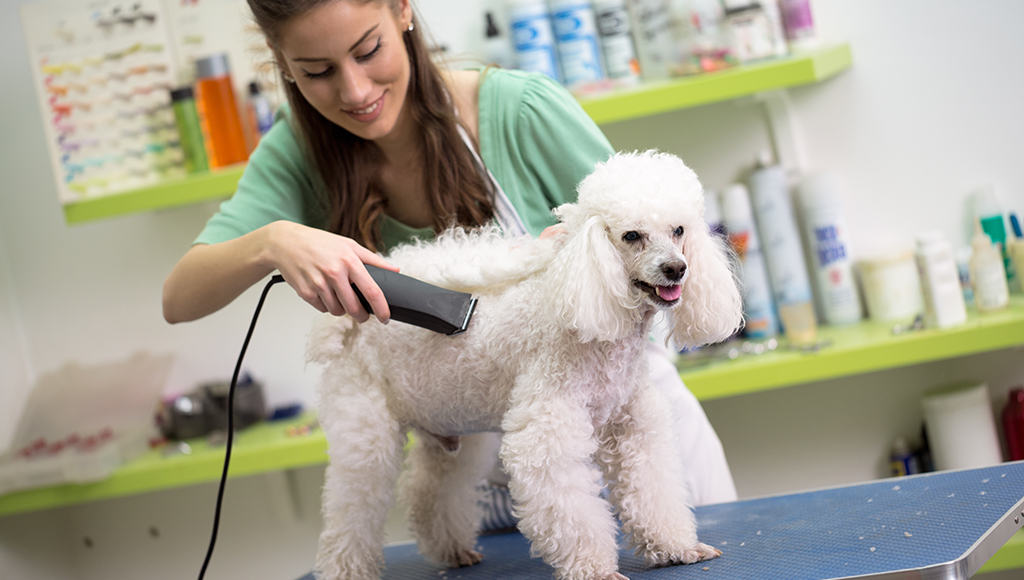
Some breeds, especially Poodles, Schnauzers, and Shih Tzus, need regular trims. Even if you don’t plan full haircuts at home, knowing how to tidy up paws and faces is useful.
Basic Trimming Steps
- Brush the coat to remove tangles.
- Use rounded-tip scissors for safety, especially around eyes and feet.
- Trim fur between paw pads to prevent mats and slipping.
- Clip hair around the anus (“sanitary trim”) to keep the area clean.
- For body trims, use electric clippers with the right guard length. Always move in the direction of hair growth.
If your dog fidgets or you’re unsure, it’s better to leave complex cuts to a professional groomer.
When To See A Pro
- Very matted coats
- Nervous or aggressive dogs
- Special breed cuts (like poodle clips)
- If you’re unsure about using clippers
Special Grooming Needs By Breed
Some breeds require extra attention. Here are a few examples:
- Bulldogs and Pugs: Clean skin folds daily to prevent infection.
- Cocker Spaniels: Check and clean ears often.
- Yorkshire Terriers: Fine hair mats quickly; daily brushing is best.
- Siberian Huskies: Heavy seasonal shedding means extra brushing in spring and fall.
- Shih Tzu and Lhasa Apso: Hair grows continuously; regular trims are a must.
For mixed breeds, look at the dominant coat type and plan accordingly.
Handling Puppies And Nervous Dogs
Puppies and rescue dogs may be especially sensitive to grooming. Early, positive experiences are critical.
- Start with short sessions—just a few minutes at first.
- Use lots of treats and gentle praise.
- Let them explore tools before using them.
- End sessions on a positive note, even if you only get a little done.
Never force or rush the process. Over time, most dogs learn to tolerate or even enjoy grooming.
Common Grooming Mistakes And How To Avoid Them
Even experienced owners make mistakes. Here are a few to watch for:
- Skipping regular brushing: Mats can form in just a few days, especially in long or curly coats.
- Using the wrong shampoo: Human products or harsh chemicals can irritate skin.
- Cutting nails too short: Hurts your dog and makes future trims harder.
- Neglecting ears and teeth: Can lead to infections and dental disease.
- Bathing before detangling: Wet mats tighten and become harder to remove.
- Forgetting to check for parasites: Fleas and ticks often hide in thick fur.
- Rushing the process: Leads to accidents and makes dogs dislike grooming.

Grooming And Seasonal Changes
Dogs shed more in spring and fall, especially double-coated breeds. This means more brushing and possibly a trip to the groomer for a de-shedding treatment.
- In summer, trim paw hair to help with cooling, but don’t shave double-coated breeds—this can damage their coat.
- In winter, trim less; fur helps insulate, but keep feet tidy to prevent ice buildup.
Seasonal allergies can also affect your dog’s skin and fur, so adjust your routine as needed.
When To Seek Professional Help
While home grooming is rewarding and budget-friendly, sometimes a professional is best. Seek help if:
- Your dog is aggressive, fearful, or very large.
- The coat is heavily matted or needs a breed-specific cut.
- You find skin problems, parasites, or injuries during grooming.
- You’re unsure about safe nail or ear care.
Professional groomers can also teach you techniques for at-home maintenance. For more on when to see a groomer, check the American Kennel Club.
Creating A Regular Grooming Schedule
A routine helps your dog know what to expect and reduces stress. Here’s an example schedule for a medium-haired breed:
| Task | Frequency |
|---|---|
| Brushing | 3x/week |
| Bathing | Every 2 months |
| Nail trimming | Monthly |
| Ear cleaning | Biweekly |
| Dental brushing | 3x/week |
| Professional grooming | As needed |
Adjust this schedule to fit your dog’s breed, age, and lifestyle.
Building A Positive Grooming Experience
Grooming should be a positive time for both you and your dog. Here are a few extra tips:
- End every session with a favorite treat or toy.
- Speak softly and move slowly.
- If your dog becomes anxious, stop and try again later.
- Over time, most dogs will even look forward to grooming if it means attention and treats.
Non-obvious insight: Dogs often react more to your attitude than the grooming itself. If you treat grooming like playtime, your dog is more likely to relax. Also, keep sessions short and frequent rather than long and stressful.

Frequently Asked Questions
How Often Should I Groom My Dog?
The frequency depends on your dog’s coat type, lifestyle, and health. Short-haired dogs may need brushing once a week, while long-haired breeds often need daily care. Bathing is usually needed every 4-12 weeks, and nails should be trimmed every 3-6 weeks.
What If My Dog Hates Being Groomed?
Go slowly, use lots of positive reinforcement, and keep sessions short. Try grooming after exercise when your dog is tired. If fear continues, consult a professional trainer or groomer.
Can I Use Human Shampoo On My Dog?
No. Human shampoos can disrupt your dog’s skin balance and cause irritation. Always use a shampoo designed for dogs.
How Do I Know If I’ve Cut The Nail Too Short?
If you see bleeding or your dog pulls away suddenly, you’ve cut into the quick. Apply styptic powder or cornstarch to stop bleeding. Trim just a little at a time to avoid this.
Do All Dogs Need Professional Grooming?
Not all, but some breeds (like Poodles, Shih Tzus, and Bichons) need regular professional trims. Even for short-haired dogs, a professional groomer can help with tasks like de-shedding, nail trims, and ear cleaning.
A well-groomed dog is a happy, healthy companion. With a little patience, the right tools, and a gentle hand, you can keep your dog looking and feeling their best. Grooming is more than maintenance—it’s a chance to build trust and enjoy time together.
Start small, stay positive, and your dog will thank you for it!

