

Planting a garden is more than just a weekend hobby. It’s a way to connect with nature, improve your health, and create a beautiful space around your home. For many, starting a garden feels overwhelming at first. There are so many choices—what to plant, where to plant, and how to care for your new green friends.
But with a bit of guidance, anyone can create a thriving garden, even if you’ve never picked up a shovel before. This article will walk you through the process step by step, sharing practical tips and expert insights to make your gardening journey a success.

36% off Today’s Exclusive Deals
Limited-time Exclusive Deals. Check current discount on Amazon.
Check Price on Amazon As an Amazon Associate I earn from qualifying purchases.Choosing The Right Location
The first and most important step in planting a garden is picking the right spot. Plants need certain conditions to grow well, and where you place your garden will affect everything else.
Sunlight is the number one factor. Most vegetables and flowers need at least 6 hours of direct sunlight each day. Observe your yard at different times to see which areas get the most sun. Avoid spots shaded by trees or buildings.
Soil quality is just as important. Healthy soil means healthier plants. Avoid areas where water collects after rain, as too much moisture can damage roots. Try to pick a flat area to make planting and watering easier.
Accessibility matters too. Choose a spot close enough to your house so you’ll see it every day. This makes it easier to water, weed, and harvest your crops. A garden that’s out of sight is often out of mind.
Deciding What To Grow
Think about what you want from your garden. Do you dream of fresh tomatoes and crisp lettuce? Or maybe you prefer flowers and herbs for beauty and fragrance? Your climate, available space, and personal taste all play a role.
Understanding Your Climate
Every plant has a preferred growing zone. The USDA Plant Hardiness Zone Map divides the US into zones based on average minimum temperatures. Check your zone to see which plants will thrive in your area. You can find your zone using your zip code on the USDA website.
Some plants, like tomatoes and peppers, love heat and need a longer growing season. Others, like spinach and radishes, grow best in cooler weather.
Starting Small
If you’re new to gardening, start with a small plot—10 feet by 10 feet is enough for most beginners. You can always expand next year. Growing too much at once can lead to frustration if you get overwhelmed.
Choosing Easy Plants
Some plants are easier for beginners. Here are a few suggestions:
- Tomatoes: Popular, productive, and easy to grow
- Lettuce: Fast-growing and can be harvested many times
- Radishes: Quick to grow and good for kids
- Marigolds: Bright flowers that deter pests
- Basil: Fragrant, grows well with tomatoes
Tip: Pick plants you and your family enjoy eating or looking at. This keeps you motivated to care for your garden.
Preparing The Soil
Healthy soil is the foundation of every successful garden. Plants get their nutrients from the soil, so this step is critical.
Testing Your Soil
Before planting, test your soil’s pH and nutrient levels. Most garden plants prefer a pH between 6.0 and 7.0. You can buy a simple soil test kit at a garden center or send a sample to your local cooperative extension service.
Non-obvious insight: Many beginners skip soil testing, but it can save you time and disappointment. For example, if your soil is too acidic, some plants won’t grow well no matter how much you water or fertilize.
Improving Your Soil
If your soil is sandy, clay-heavy, or lacks nutrients, don’t worry. Most soil can be improved. Mix in compost or well-rotted manure to add organic matter and nutrients. This helps the soil hold moisture and supports healthy root growth.
Here’s a quick comparison of different soil types:
| Soil Type | Texture | Drainage | Best Crops |
|---|---|---|---|
| Clay | Sticky, forms clumps | Poor | Broccoli, Cabbage |
| Sandy | Loose, gritty | Excellent | Carrots, Potatoes |
| Loam | Soft, crumbly | Good | Most vegetables |
If your soil isn’t perfect, don’t panic. Most gardens improve each year as you add more organic matter.
Clearing And Preparing The Site
Remove all weeds, rocks, and debris from your chosen spot. Use a shovel or garden fork to turn the soil to a depth of 8–12 inches. Break up large clumps and mix in compost. Rake the soil smooth and level.
Planning Your Garden Layout
Good planning saves time and helps your garden look better and produce more food or flowers.
Types Of Garden Beds
You have several choices for planting:
- In-ground beds: Traditional, simple, and cost-effective
- Raised beds: Soil is higher than the ground, easier to manage, good for poor soils
- Containers: Great for small spaces or patios
Here’s a quick comparison:
| Bed Type | Pros | Cons |
|---|---|---|
| In-ground | Low cost, natural look | May need more weeding |
| Raised | Better drainage, less bending | More expensive to build |
| Container | Portable, flexible | Dries out faster, limited space |
Arranging Your Plants
Group plants with similar needs together. For example, put sun-loving plants in the sunniest spot, and shade-lovers where they get some relief from the afternoon sun.
Non-obvious insight: Taller plants like corn or sunflowers should be placed on the north or east side of your garden. This way, they won’t shade smaller plants.
Leave enough space between rows and plants. Crowded plants compete for water and nutrients, and are more likely to get diseases.
Companion Planting
Some plants grow better when planted together. For example, basil helps tomatoes, and marigolds deter pests from vegetables. Mixing flowers and vegetables can also attract helpful insects like bees and butterflies.
Planting: Seeds Vs. Seedlings
You can start your garden from seeds or buy young plants (seedlings) from a nursery. Both methods work, but each has advantages.
Starting From Seeds
Seeds are cheaper and offer more variety. Many vegetables, like beans, peas, and carrots, grow best when planted directly in the ground.
Follow these steps:
- Read the seed packet for planting depth and spacing.
- Make shallow furrows in the soil.
- Drop seeds in, cover lightly with soil, and water gently.
Tip: Some seeds, like tomatoes and peppers, are started indoors 6–8 weeks before the last frost. This gives them a head start.
Planting Seedlings
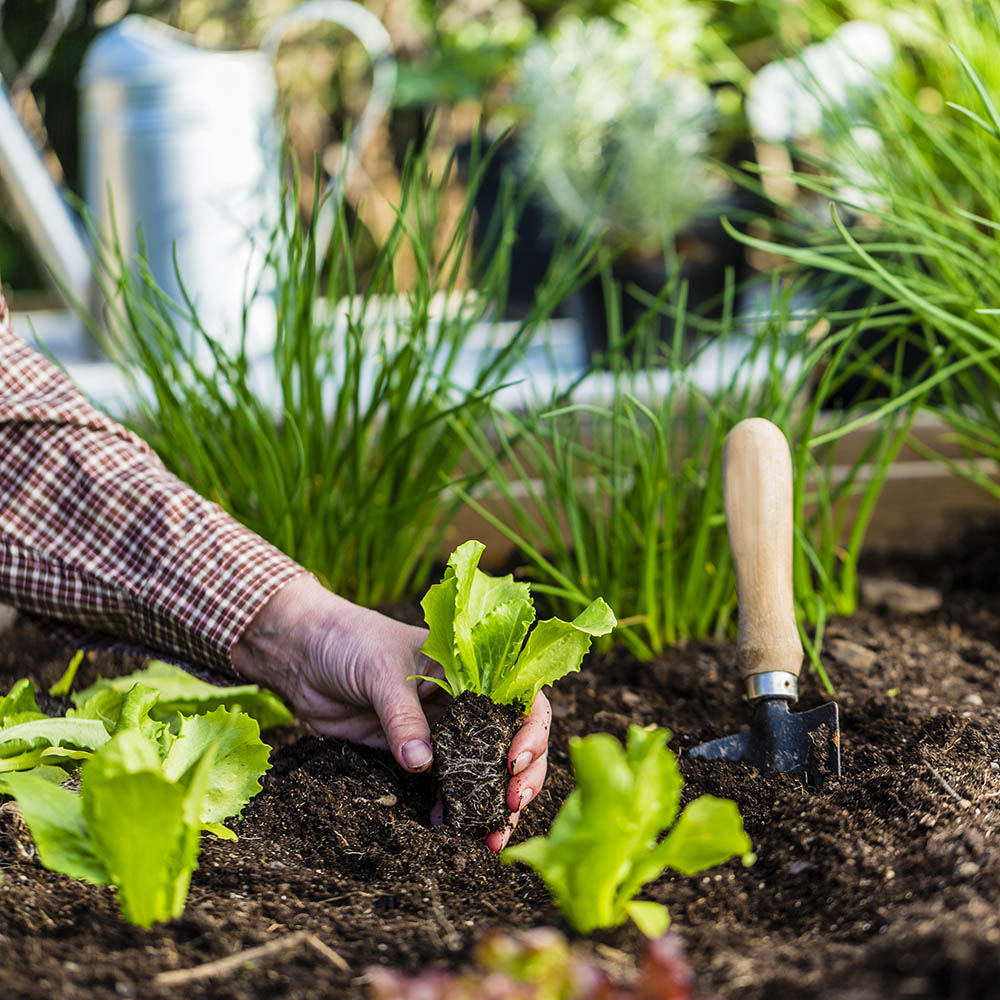
Seedlings are great if you want faster results or missed the window for starting seeds indoors. Handle seedlings gently to avoid damaging roots. Dig a hole slightly bigger than the root ball, set the plant in, cover with soil, and press gently.
Water well.
Common beginner mistake: Planting too deep or too shallow can stress young plants. Place seedlings at the same depth they were in their pots.
Watering Your Garden
Proper watering is key to healthy plants. Most gardens need about 1 inch of water per week, either from rain or your hose.
How To Water
- Water deeply and less often, rather than a little every day. This encourages roots to grow deeper.
- Early morning is the best time to water. This reduces evaporation and helps prevent diseases.
- Use a watering can, hose, or drip system for even coverage.
Mulching
Cover the soil with mulch (straw, wood chips, or grass clippings). Mulch holds moisture, keeps roots cool, and blocks weeds.
Non-obvious insight: Many gardeners don’t realize that mulching also improves soil as it breaks down, adding organic matter for next year.

Feeding And Fertilizing
Plants need nutrients to grow strong. Even with good soil, your garden may need extra feeding.
Types Of Fertilizer
There are two main types:
- Organic (compost, manure, bone meal)
- Synthetic (chemical mixes, usually labeled with N-P-K numbers)
Most beginners do well with balanced fertilizer (equal parts nitrogen, phosphorus, and potassium). Too much fertilizer can burn plants, so follow package directions.
When To Fertilize
- Before planting: Mix compost or slow-release fertilizer into the soil.
- As plants grow: Give them a boost with liquid feed every few weeks.
Tip: Leafy greens like lettuce prefer more nitrogen, while fruiting plants like tomatoes need more phosphorus and potassium.
Controlling Weeds And Pests
Weeds and pests are a part of gardening, but they don’t have to ruin your hard work.
Managing Weeds
- Mulch is your best friend. A thick layer keeps most weeds away.
- Pull weeds by hand when the soil is moist. This removes the roots.
- Use a hoe to slice young weeds at the surface.
Common mistake: Letting weeds go to seed. One weed can produce thousands of seeds, causing problems for years.
Preventing And Managing Pests
Check your plants regularly for signs of trouble: holes in leaves, sticky residue, or yellowing.
- Remove pests by hand or spray them off with water.
- Use insecticidal soap for soft-bodied bugs like aphids.
- Encourage helpful insects like ladybugs and lacewings, which eat pests.
Non-obvious insight: Not all bugs are bad. Some, like bees and butterflies, help pollinate your crops. Only use pesticides as a last resort, and choose products safe for edible plants.
Supporting And Maintaining Your Garden
Plants need ongoing care to thrive.
Staking And Supporting
Some plants, like tomatoes and beans, need support to grow upright. Use stakes, cages, or trellises to keep them off the ground and away from pests and diseases.
Pruning And Thinning
- Remove dead or yellow leaves to keep plants healthy.
- Thin crowded seedlings so each plant has room to grow.
Regular Checks
Walk through your garden every day if possible. Look for problems early—wilting, chewed leaves, or signs of disease. Early action makes solutions easier.
Harvesting Your Crops
Harvesting is the reward for your hard work. Picking at the right time gives you the best flavor and keeps plants producing.
- Lettuce: Pick outer leaves when they’re big enough to eat.
- Tomatoes: Wait until fruits are fully colored and slightly soft.
- Beans: Pick when pods are firm but before seeds swell too much.
Harvest in the morning, when produce is crisp and full of moisture.
Non-obvious insight: Frequent harvesting encourages many vegetables (like beans and zucchini) to produce more.
Extending The Growing Season
With a few tricks, you can stretch your garden’s productivity.
- Use row covers or cold frames to protect plants from frost.
- Start seeds indoors to get a jump on spring.
- Plant in succession—sow new seeds every few weeks for a continuous harvest.
Tip: Some hardy crops, like kale and carrots, taste even better after a light frost.
Keeping A Garden Journal
Many experienced gardeners keep a garden journal. Write down what you plant, when you plant it, and how it does. Note weather patterns, pests, and harvest times. This record helps you learn from both successes and failures.
Non-obvious insight: Over time, your garden journal becomes a custom guide for your own backyard, often more useful than generic advice.
Sample Planting Calendar
Here’s an example of a simple planting calendar for a typical temperate climate:
| Month | Tasks |
|---|---|
| March | Start seeds indoors: tomatoes, peppers, basil |
| April | Plant cool-season crops: lettuce, radishes, peas |
| May | Transplant seedlings outdoors, plant beans and squash |
| June–August | Water, weed, fertilize, harvest early crops, plant fall veggies |
| September | Harvest late crops, plant cover crops, clean up beds |
Check your local frost dates for more precise timing.
Enjoying The Benefits Of Gardening
Gardening offers more than just fresh food and flowers. Studies show it reduces stress, improves mood, and encourages physical activity. Even a small garden can provide a sense of achievement and connection to the natural world.
If you have extra produce, consider sharing with neighbors or a local food bank. Many communities also offer gardening clubs where you can exchange seeds, tips, and encouragement.
To dive deeper into gardening science and tips, visit the National Gardening Association.
Frequently Asked Questions
How Much Time Does It Take To Maintain A Garden?
Most home gardens need about 15–30 minutes a day for watering, weeding, and harvesting. Larger gardens or those with many types of plants may require more time, especially during peak growing season.
Can I Plant A Garden If I Only Have A Small Space Or Balcony?
Yes! Container gardening allows you to grow vegetables, herbs, and even some fruits in pots. Choose compact or dwarf varieties, and make sure containers have good drainage and receive enough sunlight.
What Are The Easiest Vegetables For Beginners?
Some of the best choices for new gardeners are lettuce, radishes, green beans, and zucchini. These plants grow quickly, require little care, and are forgiving of mistakes.
How Do I Know When To Water My Plants?
Check the soil with your finger. If the top inch feels dry, it’s time to water. Most gardens need about 1 inch of water per week, but hot weather or sandy soil may require more frequent watering.
What Should I Do If My Plants Get Diseases Or Pests?
First, identify the problem. Remove affected leaves and use organic methods like hand-picking pests or applying insecticidal soap. Avoid overusing chemicals, as they can harm helpful insects. If unsure, ask for help at a local garden center or cooperative extension office.
Planting a garden is a journey full of learning and reward. Start small, observe your plants, and enjoy the process. Each season brings new surprises and successes—happy gardening!

