

Shaving is a daily or weekly ritual for many people. It can make your face or body look clean, feel smooth, and boost your confidence. But if you do it wrong, you may get cuts, razor burn, or itchy, irritated skin.
The truth is, shaving properly is a skill. Anyone can improve their results with the right techniques, tools, and tips—even if you have sensitive skin or struggle with nicks and bumps.

36% off Today’s Exclusive Deals
Limited-time Exclusive Deals. Check current discount on Amazon.
Check Price on Amazon As an Amazon Associate I earn from qualifying purchases.In this guide, you’ll learn how to shave properly, whether you use a manual razor or an electric shaver. We’ll cover every step, from preparing your skin to choosing the right products, and even what to do after you finish.
Plus, you’ll find expert advice, common mistakes to avoid, and answers to the most asked questions. By the end, you’ll know how to get a closer, smoother, and safer shave—every time.
Why Shaving Technique Matters
Shaving is more than just removing hair. Good technique reduces the risk of problems like ingrown hairs, razor bumps, and skin irritation. According to the American Academy of Dermatology, improper shaving is a leading cause of facial irritation for men and women alike. In fact, studies show that up to 60% of men experience shaving-related skin issues at least once in their lives.
Not only does a proper shave look better, but it also feels better. You’ll avoid the burning, itching, and redness that come from rushing or skipping steps. Plus, your skin will be healthier and more hydrated.
Choosing The Right Razor
Your razor is your main tool, and not all razors work the same way. The right choice depends on your skin type, hair thickness, and personal preference.
| Razor Type | Pros | Cons | Best For |
|---|---|---|---|
| Disposable Razor | Cheap, easy to find, good for travel | Dulls quickly, can cause irritation | Occasional shavers |
| Cartridge Razor | Comfortable, easy to use, multiple blades | Refills can be costly | Most beginners |
| Safety Razor | Very close shave, less irritation when used right, eco-friendly | Steeper learning curve | Experienced shavers |
| Electric Shaver | Fast, no water or shaving cream needed | Not as close as manual razors | Quick, daily shaves |
Key tip: For sensitive skin, look for razors with pivoting heads and lubrication strips. These features help the blade glide smoothly and reduce pressure.
Preparing Your Skin For A Better Shave
Preparation is the foundation of a good shave. If you skip this step, you’re more likely to irritate your skin and get a rough result.
Cleanse Your Skin
Wash your face or the area you plan to shave with warm water and a mild cleanser. This removes oil, dirt, and dead skin cells that can block your razor and cause bumps.
- Use lukewarm water to open pores and soften hair.
- Avoid very hot water, which can dry out your skin.
Soften The Hair
Shaving dry, stiff hair is a common mistake. Soft hair is much easier to cut and less likely to cause tugging or pulling.
- Shave after a shower, or
- Apply a warm, wet towel to your skin for 2–3 minutes.
Exfoliate (optional But Helpful)
Exfoliating removes dead skin and helps prevent ingrown hairs. Use a gentle scrub or a soft brush once or twice a week, but not right before every shave, as over-exfoliation can irritate your skin.
Shaving Creams, Gels, And Alternatives
Using a shaving cream or gel is not just for comfort—it’s essential for protecting your skin. These products create a barrier and allow the razor to glide smoothly.
| Product | Benefits | Drawbacks | Best For |
|---|---|---|---|
| Shaving Cream | Rich lather, cushions skin | May clog some razors | Normal to dry skin |
| Shaving Gel | Clear, good for precision | Can feel sticky | Sensitive skin, shaping beards |
| Shaving Soap | Natural ingredients, traditional | Needs brush and bowl | Traditional wet shavers |
| Shaving Oil | Very slick, hydrates skin | Can be messy | Very sensitive skin |
Non-obvious tip: Avoid regular bar soap, as it dries out skin and does not provide enough lubrication.
If you have allergies or sensitive skin, look for fragrance-free and alcohol-free products.

Step-by-step Guide: How To Shave Properly
Follow these steps for a smooth, safe shave—whether you’re shaving your face, legs, or any other area.
1. Prepare Your Skin
- Wash and rinse with warm water.
- Pat dry gently, but leave skin slightly damp.
2. Apply Shaving Product
- Use a shaving brush or your hands to create a thick, even layer.
- Let it sit for 1–2 minutes to further soften the hair.
3. Use A Sharp, Clean Razor
A dull blade tugs at hair, causes nicks, and increases the risk of razor burn. Replace blades after 5–7 shaves, or sooner if you feel pulling.
4. Shave With The Grain
Shave in the direction your hair grows. This reduces irritation and the chance of ingrown hairs.
- For most men, facial hair grows downward on the cheeks and upward on the neck.
- For legs, hair usually grows downward.
Expert insight: It’s tempting to go “against the grain” for a closer shave. Only do this after a first pass with the grain, and always reapply shaving cream for each pass.
5. Use Gentle Pressure
Let the razor do the work. Pressing hard increases the risk of cuts. Hold the razor at a 30-degree angle for safety razors, or let the head of a cartridge razor guide you.
6. Rinse The Blade Often
After every few strokes, rinse your razor under warm running water. This clears away hair and shaving cream, keeping the blade effective.
7. Stretch The Skin
Use your free hand to gently pull the skin tight. This makes hairs stand up and helps you get a closer, smoother result.
8. Handle Difficult Areas Carefully
For spots like the jawline, knees, or ankles, go slowly. Use short, light strokes and adjust your angle as needed.
9. Rinse And Check
When you’re done, splash your skin with cool water. This closes the pores and soothes the area. Check for missed spots and touch up if needed.
Post-shave Care: Protect And Soothe Your Skin
Shaving removes a tiny layer of skin along with hair, so post-shave care is important. Here’s how to keep your skin healthy and calm.
Rinse Again
Use cool water to remove any leftover cream and close your pores.
Pat Dry, Don’t Rub
Gently pat your skin with a clean towel. Rubbing can cause irritation.
Apply Aftershave Or Moisturizer
Choose an alcohol-free aftershave or a light moisturizer. Alcohol-based products can sting and dry out your skin.
- Look for ingredients like aloe vera, chamomile, or vitamin E for soothing effects.
Avoid Touching Or Scratching
Your skin may be sensitive right after shaving. Avoid scratching, picking, or touching the area, as this can introduce bacteria and cause breakouts.
Sun Protection
Freshly shaved skin is more sensitive to sunlight. If you’re going outside, use a broad-spectrum sunscreen with at least SPF 30.
Common Shaving Problems And How To Avoid Them
Even with care, you might still face issues. Here’s how to handle the most common ones.
Razor Burn
- Cause: Using a dull blade, shaving too quickly, or not enough lubrication.
- Solution: Always use a sharp razor and good shaving cream. Shave slowly and moisturize afterward.
Ingrown Hairs
- Cause: Hair grows back into the skin, creating red, itchy bumps.
- Solution: Shave with the grain. Exfoliate regularly to keep pores clear.
Cuts And Nicks
- Cause: Pressing too hard, using an old blade, or shaving over pimples.
- Solution: Use gentle pressure. Replace blades often. If you cut yourself, press with a tissue until bleeding stops, and apply an antiseptic.
Dry, Tight Skin
- Cause: Hot water, harsh products, or skipping moisturizer.
- Solution: Use lukewarm water. Choose gentle, hydrating products. Moisturize right after shaving.
Shaving Too Fast
Rushing can cause mistakes and injuries. Take your time, especially in tricky areas.
Advanced Tips For A Perfect Shave
Once you’re comfortable with the basics, try these strategies to improve your results.
- Pre-shave oil: Apply a few drops before your shaving cream for extra lubrication.
- Double-edge safety razor: If you want a closer shave with less irritation, learn to use a safety razor.
- Shaving brush: This tool lifts hair and creates a richer lather, helping the razor cut more cleanly.
- Blade buffing: For stubborn spots, use very short, light strokes with plenty of lubrication.
- Change blades regularly: Don’t wait until the blade feels dull—replace after 5–7 uses.
- Cold compress: After shaving, press a cold, damp cloth to your skin to reduce redness and close pores.
Non-obvious insight: If your hair is very coarse or curly, try shaving at night. This gives your skin time to recover while you sleep, reducing morning irritation.
Shaving For Different Areas: Face, Legs, And More
Shaving isn’t just for faces. Here’s how to adapt your technique for other common areas.
Shaving Your Face
- Use a mirror and good lighting.
- Shave cheeks first, then chin, upper lip, and neck.
- For beards and mustaches, use clear gel for better visibility.
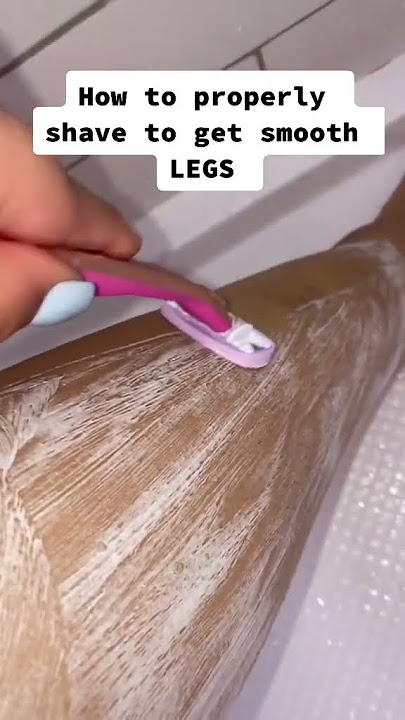
Shaving Your Legs
- Use longer strokes.
- Pay extra attention around knees and ankles—bend your leg to stretch skin.
- Always use shaving cream, not just water.
Shaving Underarms
- Shave in multiple directions, as hair grows differently.
- Rinse frequently to avoid clogging.
- Use a gentle, unscented deodorant afterward.
Shaving The Bikini Area
- Use a fresh blade and plenty of shaving cream.
- Shave with the grain first, then against the grain if needed.
- Avoid tight clothing right after shaving to prevent irritation.
Shaving Your Head
- Use a mirror and, if possible, a second hand mirror for the back.
- Go slowly and check for missed spots.
- Moisturize well after shaving.
Comparing Shaving With Other Hair Removal Methods
Shaving is the most popular form of hair removal, but it’s not the only option. Here’s how it stacks up against other methods:
| Method | Duration of Results | Pain Level | Cost | Best For |
|---|---|---|---|---|
| Shaving | 1–3 days | Low | Low | All skin types |
| Waxing | 2–4 weeks | Moderate to high | Medium | Longer-lasting results |
| Creams (Depilatories) | 3–5 days | Low to moderate | Low | Small areas, less frequent use |
| Laser Hair Removal | Permanent (with maintenance) | Low to moderate | High | Permanent reduction |
Fact: Shaving does not make your hair grow back thicker or darker. This is a common myth. Hair just appears coarser after shaving because it’s cut straight across.
Mistakes To Avoid For A Smoother Shave
Many people make the same shaving mistakes without realizing it. Here are some to watch out for:
- Shaving dry skin: This causes more friction, leading to cuts and irritation.
- Skipping pre-shave prep: Always cleanse and soften hair first.
- Using old or dirty razors: These carry bacteria and can cause infection.
- Going over the same spot too many times: This irritates the skin and increases the risk of razor burn.
- Not moisturizing after: Dry skin is more prone to redness and bumps.
Experience-based guide tip: If you often break out after shaving, try switching to a single-blade razor. Multi-blade razors can sometimes lift hair below the skin, making ingrown hairs more likely.
When To See A Dermatologist
If you get frequent razor bumps, severe irritation, or painful ingrown hairs, it may be time to see a skin doctor. Persistent problems can sometimes be a sign of folliculitis or other skin conditions. A dermatologist can recommend medicated creams or suggest alternative hair removal methods.
You can also find more shaving advice from the American Academy of Dermatology, a trusted source for skin health.
Frequently Asked Questions
How Often Should I Change My Razor Blade?
Most people should change their razor blade after 5–7 shaves, or sooner if they notice pulling or irritation. A dull blade is one of the main causes of cuts and razor burn.
Is It Better To Shave In The Morning Or At Night?
Both times work, but shaving at night allows your skin to recover while you sleep. This can reduce redness and irritation, especially for people with sensitive skin.
What Should I Do If I Get A Shaving Cut?
Clean the area with water and gently press with a tissue until the bleeding stops. Apply an antiseptic if available. Avoid shaving over the cut until it heals.
Can I Use Body Shaving Products On My Face?
It’s best to use products designed for the area you’re shaving. Body shaving creams may be too harsh for delicate facial skin. Look for face-specific products for the best results.
Why Do I Get Razor Bumps After Shaving?
Razor bumps are usually caused by hair growing back into the skin. Shaving with the grain, using proper lubrication, and exfoliating regularly can help prevent them.
A great shave isn’t just about removing hair—it’s about taking care of your skin and using the right methods for your unique needs. With a little practice and attention to detail, anyone can learn how to shave properly and enjoy smoother, healthier skin every day.

