

Affiliate marketing is one of the most popular ways to earn income online. You do not need to create your own products, handle shipping, or manage customer service. Instead, you promote other people’s products and earn a commission for each sale or action made through your unique referral link.
Many beginners are attracted to affiliate marketing because it’s flexible and can be started with little to no money. But getting real results takes more than just sharing links. It requires strategy, patience, and smart choices.

36% off Today’s Exclusive Deals
Limited-time Exclusive Deals. Check current discount on Amazon.
Check Price on Amazon As an Amazon Associate I earn from qualifying purchases.If you’re ready to learn how to start affiliate marketing, this guide will walk you through every step— from understanding the basics, choosing the right products, building your platform, to maximizing your earnings. You’ll also find practical tips, real-world examples, and answers to common questions that beginners often miss.
What Is Affiliate Marketing?
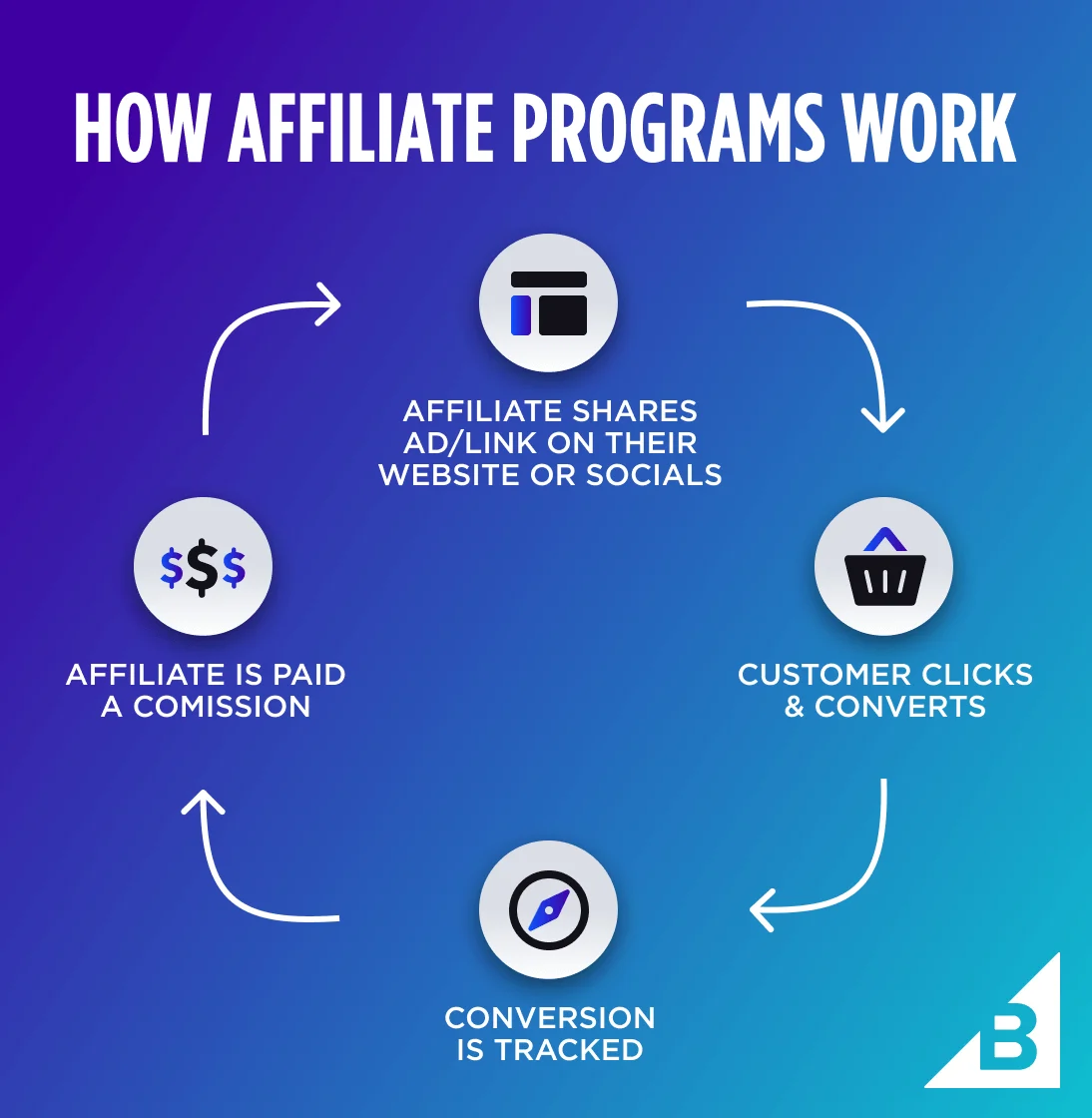
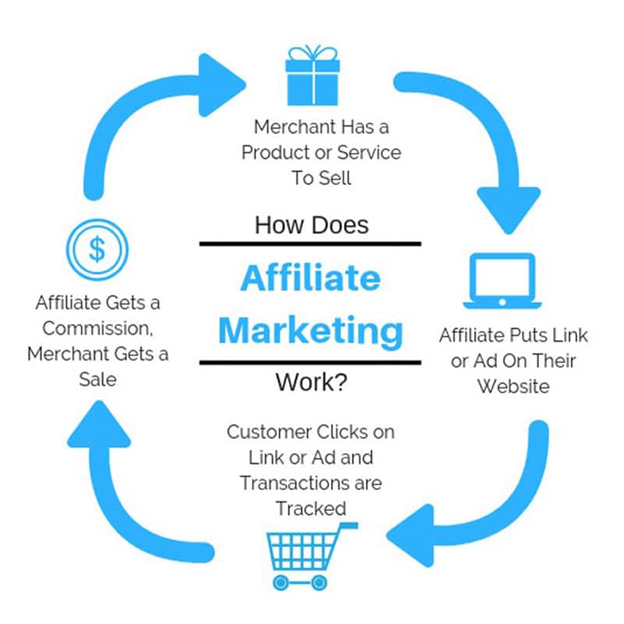
Affiliate marketing is a type of performance-based marketing. You earn a commission by promoting another company’s products or services. The process works like this:
- You join an affiliate program and get a special tracking link.
- You share the link on your website, blog, social media, or email.
- Someone clicks your link and buys the product or takes an action (like signing up).
- You earn money for that sale or action.
Affiliate marketing is a win-win for both the company and the affiliate. The company gets more sales without spending money upfront, and you earn by helping them reach new customers.
Real-life Example
Imagine you have a blog about fitness. You join an affiliate program for a popular protein powder. Whenever someone buys the protein powder using your special link, you earn 10% of the sale price. If 100 people buy through your link in a month, you earn a nice passive income.
Why Choose Affiliate Marketing?
Many people are drawn to affiliate marketing for several reasons:
- Low startup cost: No need to invest in inventory or product creation.
- Flexibility: Work from anywhere, set your own hours.
- Passive income: Earn money even when you’re not actively working.
- Scalability: Promote more products and grow your earnings over time.
However, many beginners miss that affiliate marketing is not a get-rich-quick scheme. It takes time to build trust with your audience and see consistent results. Some top affiliates earn over $10,000 per month, but most start with much less and grow gradually.
How Affiliate Marketing Works (step-by-step)
Understanding the process is key before you begin. Here are the basic steps:
- Choose a niche (topic or industry).
- Find affiliate programs in your niche.
- Build a platform (website, blog, YouTube, or social media).
- Create valuable content that attracts your target audience.
- Promote affiliate products naturally in your content.
- Drive traffic to your platform.
- Optimize and scale your efforts for higher earnings.
Let’s break down each step in detail.
Step 1: Choose Your Niche
A niche is a specific topic, industry, or group of people you want to focus on. Choosing the right niche is the foundation of your affiliate marketing success.
How To Pick A Profitable Niche
- Interest and knowledge: Choose a topic you enjoy and know about. It’s easier to create content and connect with your audience.
- Demand: Make sure people are searching for information or products in this niche. Use tools like Google Trends or Keyword Planner to check search volume.
- Profit potential: Some niches pay higher commissions (like finance, technology, or health). Others are more competitive but have a wider audience.
Examples Of Popular Niches
- Personal finance: Credit cards, loans, budgeting.
- Health and fitness: Supplements, workouts, healthy eating.
- Technology: Gadgets, software, online tools.
- Travel: Booking sites, gear, experiences.
- Beauty: Skincare, makeup, hair care.
Non-obvious Tip
Many beginners choose a niche just because it’s popular. But niches that are too broad (like “health”) are hard to compete in. Focus on a sub-niche, like “yoga for beginners” or “keto diet for busy moms,” to stand out.
Step 2: Find The Best Affiliate Programs
After picking your niche, you need to find affiliate programs that offer products or services related to your topic.
Where To Look For Affiliate Programs
- Affiliate networks: Sites like ShareASale, CJ Affiliate, and Rakuten have hundreds of programs in one place.
- Company websites: Many brands have their own affiliate programs. Look for links like “Affiliates” or “Partners” in website footers.
- Marketplace platforms: Amazon Associates, eBay Partner Network, and ClickBank let you promote thousands of products.
Comparing Affiliate Programs
It’s smart to compare programs before joining. Here’s a quick comparison of three popular options:
| Program | Commission Rate | Payout Method | Cookie Duration | Ease of Joining |
|---|---|---|---|---|
| Amazon Associates | 1%–10% | Bank transfer, gift card | 24 hours | Easy |
| ShareASale | 5%–50% | Bank, PayPal, check | Varies by merchant | Moderate |
| ClickBank | Up to 75% | Bank, check | 60 days | Easy |
Factors To Consider
- Commission rate: How much you earn per sale.
- Cookie duration: How long after clicking your link a sale counts.
- Product reputation: Only promote products you trust.
- Payout threshold: The minimum amount you must earn before getting paid.
Common Mistake
Many beginners chase high commissions without checking if the product is trustworthy. Promoting low-quality products can hurt your reputation and future earnings.
Step 3: Build Your Platform
To succeed in affiliate marketing, you need a place to share your content and links. This is called your platform. The most common platforms are websites/blogs, YouTube channels, and social media accounts.
Building A Website Or Blog
A website is the most stable and flexible platform. You own your content and can grow your business long-term.
- Buy a domain name that fits your niche (like fitnessforbeginners.com).
- Choose a reliable hosting service (such as Bluehost or SiteGround).
- Install WordPress for easy content management.
- Pick a simple, mobile-friendly theme.
Youtube And Social Media
YouTube is great for reviews, tutorials, or unboxings. Social media (Instagram, TikTok, Facebook) works well for quick tips, lifestyle content, and building a community.
Comparison: Website Vs. Youtube Vs. Social Media
| Platform | Pros | Cons |
|---|---|---|
| Website/Blog | Full control, SEO traffic, long-term growth | Slower to start, requires setup |
| YouTube | Easy to build trust, visual demos, viral potential | Video skills needed, platform rules change |
| Social Media | Fast audience growth, easy sharing | Less control, posts fade quickly |
Non-obvious Insight
Many new affiliates focus only on social media for quick wins. But platforms like Instagram or TikTok can ban or limit affiliate links. Owning a website protects your business if a social network changes its rules.
Step 4: Create Valuable Content
Content is the heart of affiliate marketing. People buy from those they trust. Valuable, honest content builds that trust and encourages people to use your links.
Types Of Content That Work Well
- Product reviews: Honest opinions, pros and cons.
- How-to guides: Show how the product solves a problem.
- Comparison posts: Compare different products or services.
- Tutorial videos: Demonstrate the product in action.
- Resource pages: List your favorite tools or products.
Example: Effective Product Review Structure
- Introduction: What problem does the product solve?
- Main features and benefits
- Pros and cons (be honest)
- Who is it for?
- Your personal experience
- Call to action with your affiliate link
Practical Tips
- Always disclose your affiliate relationships (it’s required by law in many places).
- Use your own photos, screenshots, or videos when possible.
- Answer common questions or objections in your content.
Common Mistake
Avoid copying product descriptions from the manufacturer. Write in your own voice and add real insights. Google rewards unique content, and so do your readers.
Step 5: Drive Quality Traffic
Even the best content will not earn money if no one sees it. Driving quality traffic—people interested in your niche—is essential.
Main Traffic Sources
- Search Engine Optimization (SEO): Optimize your content so it ranks on Google. This brings free, long-term traffic.
- Social media marketing: Share your content on Facebook, Instagram, Pinterest, or TikTok.
- Email marketing: Build an email list and send updates or offers.
- Paid advertising: Use Facebook Ads, Google Ads, or YouTube Ads to attract visitors (be careful with costs).
Quick Seo Checklist
- Use the main keyword naturally in your title, headings, and content.
- Answer questions people search for (use Google’s “People Also Ask”).
- Add images or videos to make content more engaging.
- Get backlinks from other reputable sites.
Example: How Seo Works In Affiliate Marketing
If you write a review about “best wireless headphones,” optimizing for this keyword can bring visitors looking to buy. If 1,000 people read your review and 2% buy through your link, you make sales passively every month.
Non-obvious Tip
Many beginners focus on high-traffic keywords only. But “long-tail” keywords (very specific searches, like “best running shoes for flat feet”) are less competitive and convert better.

Step 6: Optimize And Scale Your Earnings
Once you have traffic and some sales, it’s time to grow your results. Small changes can increase your commissions over time.
Ways To Optimize
- Test different calls to action: Try new button texts or locations for your links.
- Compare products: See which ones convert best and focus on them.
- Update old posts: Keep content fresh and relevant.
- Collect emails: Offer a free guide or checklist in exchange for email sign-ups.
Scaling Up
- Promote more products in your niche.
- Add new traffic sources, like YouTube or a podcast.
- Partner with other affiliates for joint promotions.
Tracking Your Results
Use tools like Google Analytics, affiliate dashboards, or plugins to see which pages, links, and strategies earn the most. Data helps you make better decisions and avoid wasting time.
Step 7: Stay Compliant And Build Trust
Being transparent is not just ethical, it’s required. Always tell your audience when you use affiliate links. This builds trust and keeps you out of legal trouble.
- Add a clear disclosure at the top or bottom of your posts.
- Follow FTC guidelines (if your audience is in the US).
- Recommend only products you truly believe in.
Some affiliate programs check your content and can ban you for misleading claims.
How Much Can You Earn With Affiliate Marketing?
Earnings vary widely. Some affiliates make less than $100 per month, while others earn six or seven figures. Income depends on your niche, traffic, and the quality of your content.
Example Income Breakdown
- Beginner: $50–$500/month after 3–6 months.
- Intermediate: $500–$2,000/month after 6–18 months.
- Advanced: $2,000+/month, sometimes much more.
Many successful affiliates treat it as a business, reinvesting in tools, courses, or paid ads to grow faster. It’s realistic to expect slow growth at first, with faster progress once you find what works.
Common Pitfalls To Avoid
Many beginners make mistakes that slow their progress. Here’s what to watch out for:
- Choosing too many niches: Focus on one at a time.
- Promoting low-quality products: Damages your credibility.
- Ignoring SEO: Limits your traffic and growth.
- Spamming affiliate links: People will lose trust.
- Giving up too soon: Results take time, sometimes months.
Tools And Resources To Help You Succeed
Smart affiliates use tools to save time and improve results. Some of the most useful include:
- Keyword research tools: Google Keyword Planner, Ubersuggest, Ahrefs.
- Content management: WordPress, Grammarly, Canva.
- Analytics: Google Analytics, Pretty Links (for tracking clicks).
- Email marketing: Mailchimp, ConvertKit, AWeber.
For more advanced research, check out AffiliatePrograms.com for a wide range of networks and resources.
Case Study: A Beginner’s Affiliate Journey
Sara, a college student, started a blog about budget travel. She joined affiliate programs for travel insurance, backpacks, and booking sites. By creating detailed guides like “How to Visit Europe on $30 a Day,” she attracted readers through Google and Pinterest.
After 6 months, her site made $300/month—enough to cover her own travel costs. She focused on answering real questions and sharing personal stories, building trust faster than generic content could.
Frequently Asked Questions
What Is The Easiest Way To Start Affiliate Marketing?
The easiest way is to pick a niche you know well, create a simple website or blog, and join a beginner-friendly affiliate program like Amazon Associates. Start by writing honest reviews or guides and share them on social media.
Do I Need A Website To Do Affiliate Marketing?
No, but a website is the most reliable long-term platform. You can also use YouTube, Instagram, or TikTok, but these platforms can change their rules or limit affiliate links. Owning a website gives you more control.
How Long Does It Take To Make Money With Affiliate Marketing?
Most people see their first earnings in 3–6 months if they work consistently. Building steady income can take 6–18 months, depending on niche, effort, and traffic. Results are faster if you already have an audience.
Can I Do Affiliate Marketing For Free?
Yes, you can start with free platforms like Medium, Blogger, or social media. But investing in your own website, even for $5–$10 per month, is much better for building a real business.
How Do I Find The Best Products To Promote?
Look for products with good reviews, fair prices, and high demand in your niche. Test the products yourself if possible. Avoid anything with a bad reputation or poor customer support.
Affiliate marketing offers a real path to online income, but it’s not instant. By focusing on helping your audience and choosing quality over quantity, you can build a steady, growing income. Start small, learn as you go, and remember: every successful affiliate started as a beginner. Take your first step today, and you might be surprised at where it leads.

