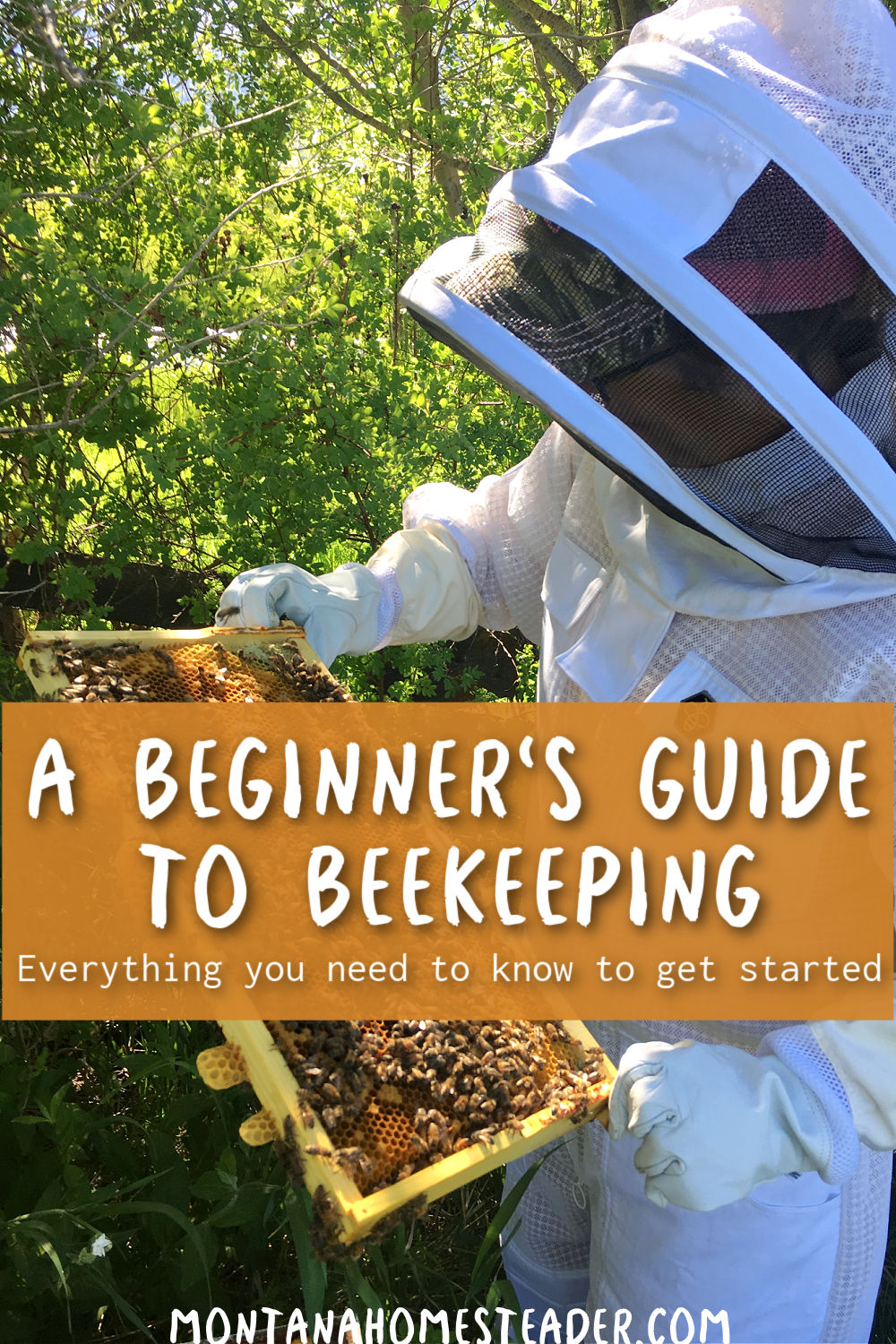
Beekeeping is more than just collecting honey. It’s about understanding bees, helping nature, and learning practical skills. Whether you want fresh honey or want to help pollinate your garden, starting beekeeping can be rewarding. Many beginners worry about the complexity, but with the right guidance, anyone can learn.
This article will show you how to begin beekeeping step by step. You’ll learn about equipment, bee biology, choosing the right hive, and how to care for your bees. We’ll cover useful tips, common mistakes, and give clear answers to frequent questions.

36% off Today’s Exclusive Deals
Limited-time Exclusive Deals. Check current discount on Amazon.
Check Price on Amazon As an Amazon Associate I earn from qualifying purchases.If you’ve ever wondered how to start beekeeping, you’re in the right place.
Why Beekeeping Matters
Beekeeping is important for several reasons. First, bees are essential pollinators. They help plants grow, reproduce, and produce food. Without bees, many crops would fail, leading to food shortages. Second, honeybees produce honey, wax, and other products. Honey is a natural sweetener with antibacterial properties. Beeswax is used in candles, cosmetics, and even medicines.
Another reason to keep bees is to help local ecosystems. Many areas suffer from bee population decline. When you start beekeeping, you support biodiversity and help your neighborhood gardens and farms. Finally, beekeeping can be relaxing and educational. It’s a chance to spend time outdoors, learn about nature, and connect with your environment.
Understanding Bees And Their Needs
Before buying equipment, you need to know bee biology and their needs. Bees are social insects. Each hive has a queen, workers, and drones. The queen lays eggs, workers gather food and care for the hive, and drones help with mating. Worker bees live for 5–6 weeks in summer, while queens can live several years.
Bees need three main things:
- Shelter: A safe, dry hive protects bees from weather and predators.
- Food: Bees collect nectar and pollen. They need flowers nearby, especially in spring and summer.
- Water: Bees drink water and use it to cool the hive.
It’s important to learn how bees communicate. They use “waggle dances” to show where food is found. Understanding this helps you spot healthy behavior and notice problems early.
Choosing The Right Location For Your Hive
Picking a good spot is crucial for successful beekeeping. Bees need a quiet, sunny area with little disturbance. Avoid places with heavy foot traffic or noisy equipment.
Here are key points to consider:
- Sunlight: Hives should get morning sun. This helps bees start working early and keeps the hive warm.
- Wind Protection: Place the hive near a hedge, fence, or shed to shield from strong winds.
- Water Access: Bees need water, but the source should not be too close. If you live in a dry area, provide a shallow water dish.
- Distance from Neighbors: Keep hives at least 25 feet from property lines if possible, to avoid conflicts.
- Legal Rules: Check local regulations. Some cities require permits or set rules about hive numbers and placement.
Many beginners forget to check for pesticide use nearby. If your neighbors spray chemicals, your bees might suffer. Always talk to neighbors before placing hives.
Selecting Your Hive Type
There are several hive designs. The most common are Langstroth, Top-Bar, and Warre hives. Each has pros and cons. Here’s a comparison to help you decide:
| Hive Type | Pros | Cons |
|---|---|---|
| Langstroth | Easy to find parts, standard for commercial beekeeping, efficient honey harvest | Heavy, needs regular maintenance, more expensive |
| Top-Bar | Natural comb, easier for beginners, lighter | Lower honey yield, harder to inspect |
| Warre | Low maintenance, mimics wild bee homes | Less honey production, harder to manage |
For most beginners, the Langstroth hive is recommended. It’s easy to learn, parts are widely available, and many online resources cover its management.
Essential Equipment For Beekeeping
Starting beekeeping requires some basic gear. You don’t need everything at once, but these are must-haves:
- Bee Suit: Protects from stings. Look for suits with elastic cuffs and a zippered veil.
- Gloves: Leather or latex gloves protect your hands but still allow movement.
- Hive Tool: Used to pry open hive boxes and scrape wax.
- Smoker: Calms bees by masking alarm pheromones.
- Bee Brush: Gently moves bees off frames.
- Hive Boxes and Frames: Where bees build their comb and store honey.
You may also want a frame lifter, queen excluder, and a feeder. Prices vary, but a basic setup costs $300–$500. If you buy used equipment, clean it well to prevent disease.
Here’s a quick comparison of bee suits:
| Suit Type | Protection | Comfort | Price Range |
|---|---|---|---|
| Full Suit | Excellent | Good | $100–$200 |
| Jacket Only | Moderate | Very comfortable | $60–$120 |
| Home-made | Low | Depends | $20–$50 |
Choose equipment based on your budget and comfort. It’s better to buy quality gear, especially for safety.
Getting Your Bees
Once you have equipment and a hive, you need bees. There are three main ways to get bees:
- Package Bees: Bees shipped in a box with a queen. Cost: $120–$180. Good for beginners.
- Nucleus (Nuc) Colony: Small hive with bees, brood, and a laying queen. Cost: $180–$250. Easier to start, less risk.
- Swarm Collection: Free, but requires skill and luck. Sometimes local beekeeping clubs offer help.
A nuc colony is usually best for new beekeepers. Bees are already settled and the queen is accepted. You can buy bees from local suppliers or order online. Always check for disease-free certification.
Setting Up Your Hive
Setting up your hive is a step-by-step process. Here’s how to do it:
- Assemble Hive Boxes and Frames: Follow instructions to build or set up the hive. Make sure frames fit snugly.
- Place Hive in Chosen Spot: Use a level surface. The entrance should face east or southeast for morning sun.
- Install Bees: If you have a package, gently shake bees into the hive. With a nuc, move frames into your hive box.
- Feed Bees: Use a sugar syrup feeder for the first few weeks. This helps them build comb and settle in.
- Monitor Activity: Watch for bees entering and leaving. Look for pollen on their legs—a sign they are foraging.
Many beginners forget to check for ant invasions or water leaks. Inspect the hive for pests and moisture regularly.
Managing Your Colony: Inspection And Maintenance
Regular hive inspections are necessary to keep bees healthy. You should check your hive every 7–14 days during spring and summer.
What to look for:
- Queen Activity: Check for eggs, larvae, and capped brood.
- Bee Health: Look for disease signs—discolored brood, dead bees, or mites.
- Honey Stores: Make sure bees have enough food, especially before winter.
- Hive Condition: Look for mold, leaks, and pests (like ants, wasps, or beetles).
Here’s a table of common bee problems:
| Problem | Signs | Action |
|---|---|---|
| Varroa Mites | Small red mites on bees, deformed wings | Use mite treatments, monitor regularly |
| Chalkbrood | White, chalky brood, weak colony | Remove infected brood, improve ventilation |
| Colony Collapse | Sudden loss of worker bees, queen remains | Check for pesticide exposure, consult experts |
Always use the smoker carefully. Too much smoke irritates bees; too little does not calm them. Move slowly and avoid crushing bees.

Harvesting Honey
Harvesting honey is a highlight for many beekeepers. It usually happens in late summer or early fall. You’ll need a honey extractor (manual or electric), uncapping tool, and containers.
Steps to harvest honey:
- Check Frames: Honey should be capped (covered with wax).
- Remove Frames: Gently brush bees off and take frames to a clean area.
- Uncap Honey: Use a knife or uncapping tool to remove wax caps.
- Extract Honey: Place frames in the extractor and spin. Honey flows out and is collected below.
- Filter and Bottle: Strain honey to remove wax, then pour into jars.
Beginner mistake: harvesting too early. Bees need enough honey for winter—leave at least 40–60 pounds in the hive. If you take too much, bees may starve.
Seasonal Care And Challenges
Beekeeping changes with the seasons. Each period needs special attention.
- Spring: Inspect hives, check for queen, feed if needed, watch for swarming.
- Summer: Monitor for pests, ensure water supply, harvest honey.
- Fall: Reduce inspections, leave enough honey, install entrance reducers to keep out rodents.
- Winter: Insulate hives, avoid disturbing bees, check food stores monthly.
Cold climates need extra insulation. In hot climates, shade the hives and provide water. Many beginners don’t realize bees cluster together in winter to stay warm.

Common Mistakes To Avoid
Starting beekeeping is exciting, but mistakes can hurt your colony. Here are errors to watch for:
- Ignoring Local Laws: Always check regulations before placing hives.
- Buying Cheap Equipment: Safety and bee health depend on quality gear.
- Over-Harvesting Honey: Bees need honey for winter.
- Missing Inspections: Problems can grow quickly—inspect regularly.
- Poor Placement: Hives in shade or near busy areas suffer.
- Neglecting Disease Control: Mites and infections can destroy colonies.
- Not Learning Continuously: Beekeeping requires ongoing education.
A less-known mistake is not planting enough flowers. Bees need diverse sources of nectar and pollen. Plant wildflowers and avoid using pesticides.
Finding Local Support And Resources
It helps to join a beekeeping club or talk with experienced beekeepers. Clubs offer classes, swarm alerts, and equipment loans. Many beginners overlook this, but local advice is invaluable.
You can also learn from online forums, books, and government guides. One useful resource is the Beekeeping Wikipedia page, which offers detailed information and links to scientific studies.
Non-obvious Tips For Beginners
Here are two insights beginners often miss:
- Bees are sensitive to smell. Avoid wearing perfume, scented lotions, or eating bananas before visiting the hive. Banana scent mimics a bee alarm signal.
- Record hive activities in a notebook. Write dates, weather, inspection notes, and problems. Over time, this helps you spot patterns and improve your skills.
Frequently Asked Questions
How Much Time Does Beekeeping Require Each Week?
Most beginners spend 1–2 hours per week during active seasons. Spring and summer need more attention for inspections and honey harvest. Winter requires less work—mostly checking food stores and insulation. As you gain experience, you’ll become faster and more efficient.
Is Beekeeping Safe For People With Allergies?
If you are allergic to bee stings, beekeeping can be risky. Always have an epinephrine auto-injector (EpiPen) nearby. Wear protective gear and learn proper handling. If you are uncertain, consult your doctor before starting.
How Much Honey Can One Hive Produce In A Year?
A healthy hive produces 25–60 pounds of honey per year. The exact amount depends on local flowers, weather, and bee health. Some commercial hives can produce more, but beginners should expect lower yields at first.
Can I Keep Bees In The City?
Yes, urban beekeeping is possible. Many cities allow hives if you follow rules. You need to provide water, keep hives away from busy areas, and talk to neighbors. Urban bees often do well because city gardens have diverse flowers.
What Happens If My Bees Swarm?
Swarming is natural. Bees leave to form a new colony. If you notice swarm signs (queen cells, crowded hive), add space or split the colony. If bees swarm, contact local beekeeping clubs—they often help collect swarms and return them to you.
Beekeeping is a journey, not just a hobby. With patience, knowledge, and regular care, you’ll enjoy honey, help the environment, and learn about the fascinating world of bees. Start small, ask questions, and keep improving. Your bees—and your garden—will thank you.