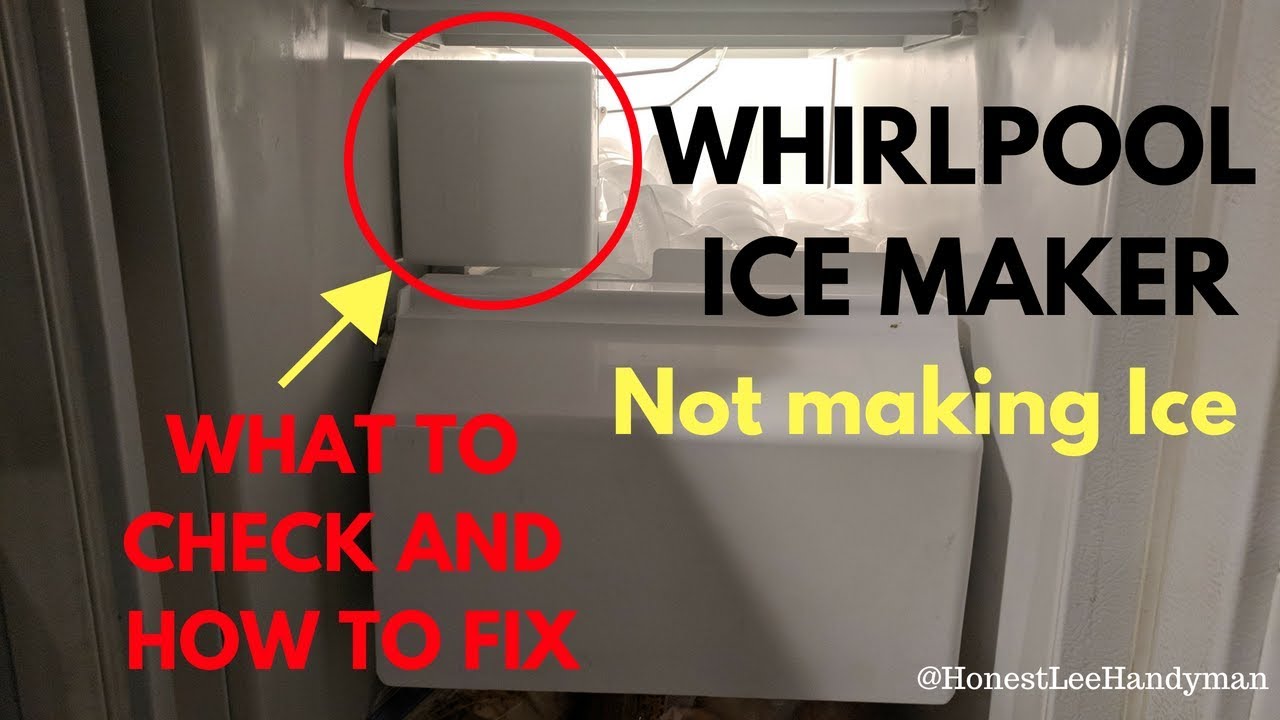
Many people depend on a Whirlpool ice maker for daily convenience, whether at home or in a small office. When it suddenly stops working, it can be frustrating. Ice makers seem simple, but several parts work together. A problem in one area can stop the whole process. The good news is, you can solve many issues yourself without calling a technician. This guide covers practical Whirlpool ice maker troubleshooting steps, common issues, and solutions that really work.
Understanding How A Whirlpool Ice Maker Works
Before fixing problems, it’s helpful to know the basics. A typical Whirlpool ice maker has a water supply line, inlet valve, ice mold, ejector arm, thermostat, and control module. When you turn on the ice maker, it fills the mold with water. The water freezes, the thermostat senses the temperature, and the ejector arm pushes the ice cubes into the bin. If any of these parts fail, ice production stops.

36% off Today’s Exclusive Deals
Limited-time Exclusive Deals. Check current discount on Amazon.
Check Price on Amazon As an Amazon Associate I earn from qualifying purchases.Common Whirlpool Ice Maker Problems
Most Whirlpool ice maker issues fall into a few main categories. Here are the top problems and what they usually mean:
- No ice production
- Small or misshapen ice cubes
- Ice maker not dispensing ice
- Ice maker leaking water
- Ice tastes or smells bad
Each problem has its own solutions and steps for troubleshooting.
Step-by-step Whirlpool Ice Maker Troubleshooting
Let’s break down each problem and how to solve it.
1. No Ice Production
If your ice maker isn’t making ice at all, check these areas:
- Power supply: Make sure the ice maker is turned on. Many Whirlpool models have a wire shut-off arm or a switch. The arm should be down for “on.”
- Water supply: Check the water line for kinks or blockages.
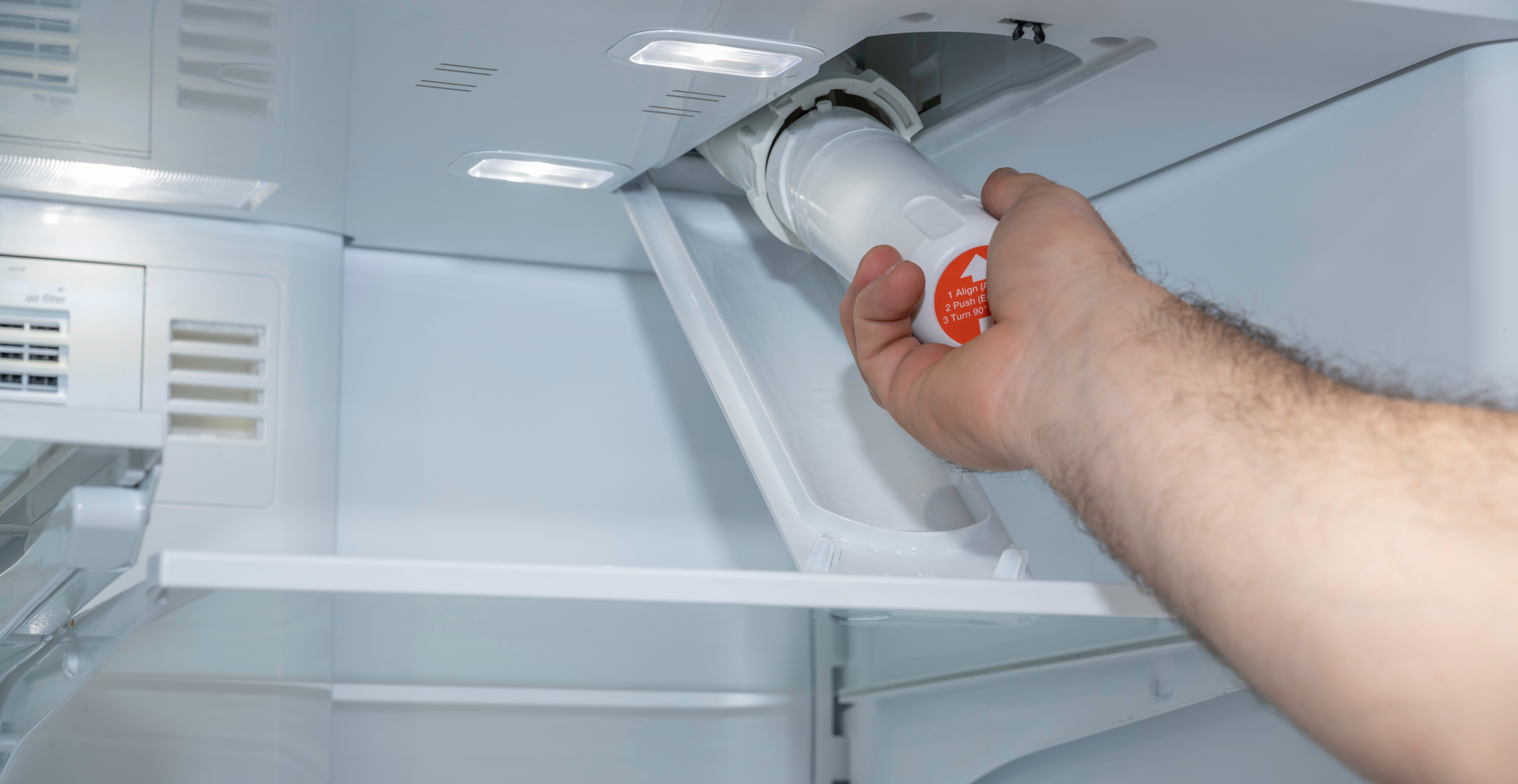
- Water filter: A clogged filter restricts water flow. Replace the filter every 6 months, or sooner if you have hard water.
- Freezer temperature: Ice makers work best when the freezer is set between 0°F and 5°F (-18°C to -15°C). Warmer temperatures slow ice production.
- Inlet valve: If you hear a buzzing sound but see no water, the valve may be faulty.
2. Small Or Misshapen Ice Cubes
Odd-shaped cubes or small cubes often mean a water flow problem. Try these steps:
- Replace the water filter if it’s old.
- Check water pressure: Whirlpool recommends a minimum of 20 psi. Low pressure can cause small cubes.
- Inspect the supply line for clogs or leaks.
- Clean the ice mold: Mineral deposits can build up over time.
3. Ice Maker Not Dispensing Ice
If the ice bin is full but nothing comes out:
- Check for ice jams: Ice can clump together, especially if you don’t use it often.
- Test the dispenser motor: Listen for a humming sound when pressing the dispenser. No sound may mean a failed motor or switch.
- Inspect the auger: This is the part that pushes ice forward. Make sure it’s not blocked.
4. Ice Maker Leaking Water
Leaks can be messy. Common causes include:
- Ice maker not level: Use a level tool to check your refrigerator.
- Loose or cracked water line: Inspect behind the fridge for leaks.
- Overflowing ice mold: This points to a faulty inlet valve.
5. Ice Tastes Or Smells Bad
Strange tasting ice can come from:
- Old food in the freezer: Odors transfer to ice.
- Dirty water filter: Change it regularly.
- Mold in the ice bin: Wash the bin with warm, soapy water.
Diagnosing With Whirlpool Error Codes
Many newer Whirlpool refrigerators display error codes on the control panel. These codes can speed up troubleshooting. Here’s a quick reference:
| Error Code | What It Means | Action |
|---|---|---|
| EF | Ice Fan Error | Check for blockages, clean fan area |
| EO | Ice Maker Off | Turn ice maker on |
| EC | Communication Error | Reset main control board |
| EH | Heater Error | Inspect heater connections |
If you see a code not listed here, check your model’s user manual or visit the official Whirlpool support page.
Essential Whirlpool Ice Maker Maintenance
Regular maintenance prevents most ice maker issues. Here’s what you should do:
- Replace the water filter every 6 months.
- Clean the ice bin monthly with warm water and mild soap.
- Check the supply line yearly for leaks or mineral buildup.
- Defrost the freezer if you notice frost buildup.
- Run a cleaning cycle (for models with this feature).
Neglecting maintenance is a common reason for ice maker failure.
Advanced Troubleshooting: When To Call A Professional
Some ice maker problems require special tools or technical skill. Call a technician if:
- You suspect a faulty control board
- The inlet valve does not respond after replacement
- There are refrigerant leaks
- You see unusual noises (like loud grinding or banging)
Trying to fix complex electrical or sealed system issues without proper training can make things worse.
Comparing Diy And Professional Whirlpool Ice Maker Repairs
Not sure if you should repair it yourself or call a pro? Compare the two approaches:
| DIY Repair | Professional Repair |
|---|---|
| Lower cost | Higher cost |
| Faster for simple fixes | Slower (scheduling required) |
| Risk of mistakes | Expert diagnosis |
| Tools needed | No tools needed for you |
If you’re comfortable with basic tools and following instructions, many Whirlpool ice maker problems are manageable at home.
Whirlpool Ice Maker Troubleshooting: Practical Examples
To make things clearer, here are two real-world scenarios:
Example 1: No Ice After Filter Change
Imagine you replaced the water filter, but the ice maker stopped working.
- Possible cause: Air trapped in the line.
- Solution: Press the water dispenser for 1–2 minutes to clear air.
- Key insight: Always flush the water system after changing the filter.
Example 2: Ice Maker Leaks Only When Making Ice
If your ice maker leaks only during ice production:
- Possible cause: The inlet valve is stuck open or has debris.
- Solution: Inspect the valve and replace if needed.
- Key insight: Leaks that happen only during cycles often point to the valve, not the supply line.
Quick Troubleshooting Reference
For a handy reference, see the table below.
| Problem | Likely Cause | Quick Fix |
|---|---|---|
| No ice | Ice maker off, blocked line, filter issue | Check power, water, replace filter |
| Small cubes | Low water pressure | Check supply line, water pressure |
| Leaking | Misaligned ice maker, faulty valve | Level unit, replace valve if needed |
| Bad taste | Old filter, dirty bin | Change filter, clean bin |
Two Non-obvious Insights For Whirlpool Ice Maker Owners
- Freezer airflow matters: Many users overlook the importance of airflow inside the freezer. Placing large boxes or bags near the vents can block cold air and slow down or stop ice production. Always keep vents clear for steady ice output.
- Water quality affects lifespan: Hard water or water with high mineral content not only clogs filters faster but can also cause mineral deposits on the ice mold and inlet valve. Using a water softener or installing an inline water filter helps prevent these issues and extends the life of your ice maker.

Preventing Future Ice Maker Problems
Once your Whirlpool ice maker is working again, prevent future issues by following these tips:
- Set freezer temperature to 0°F (-18°C)
- Replace the water filter at least twice a year
- Use ice regularly to prevent clumping
- Clean the ice bin and mold monthly
- Inspect the water line annually
Many ice maker failures happen because of skipped maintenance or blocked airflow.
Frequently Asked Questions
Why Is My Whirlpool Ice Maker Making Noise?
Some noise is normal, such as the sound of water entering the mold or ice dropping into the bin. However, loud grinding, banging, or clicking could mean a mechanical issue, like a jammed ejector arm or a failing motor. If noises are new or unusually loud, inspect for visible jams or call a technician.
How Do I Reset My Whirlpool Ice Maker?
Most Whirlpool ice makers can be reset by turning the unit off, waiting 5 minutes, then turning it back on. Some models have a reset button on the ice maker module. Always check your user manual for model-specific instructions.
Can I Use My Ice Maker Without A Water Filter?
Most Whirlpool ice makers will work without a filter if you have a bypass plug installed. However, using a filter is best for water quality and the health of your ice maker. Without a filter, mineral buildup and poor-tasting ice are common.
How Long Does It Take For A Whirlpool Ice Maker To Make Ice?
After installation or reset, it can take 6 to 12 hours for a Whirlpool ice maker to produce the first batch of ice. After that, a typical ice maker produces 8–10 cubes every 90 minutes.
What Should I Do If My Ice Maker Makes Too Much Ice?
If your ice maker won’t stop making ice, the shut-off arm might be stuck or broken. Make sure the arm can move freely. If the problem continues, the control module could be faulty and may need professional repair.
A working Whirlpool ice maker is a big convenience. By following these troubleshooting steps, you can solve most problems quickly and confidently. Regular maintenance and attention to small details will keep your ice maker running smoothly for years. If you ever feel unsure, don’t hesitate to reach out to a professional or check the official Whirlpool support page for more help.