

Buying accessories for your Sea-Doo can be exciting but also confusing. One add-on that catches the attention of many owners is the Sea-Doo ski pylon. If you enjoy water sports, you might wonder if this extra piece is really worth the investment. In this article, you’ll find a detailed look at what a ski pylon does, how it changes your Sea-Doo experience, and whether it makes sense for your needs and budget. This guide is designed to give you clear answers, practical advice, and a few surprising insights most buyers don’t realize.
What Is A Sea-doo Ski Pylon?
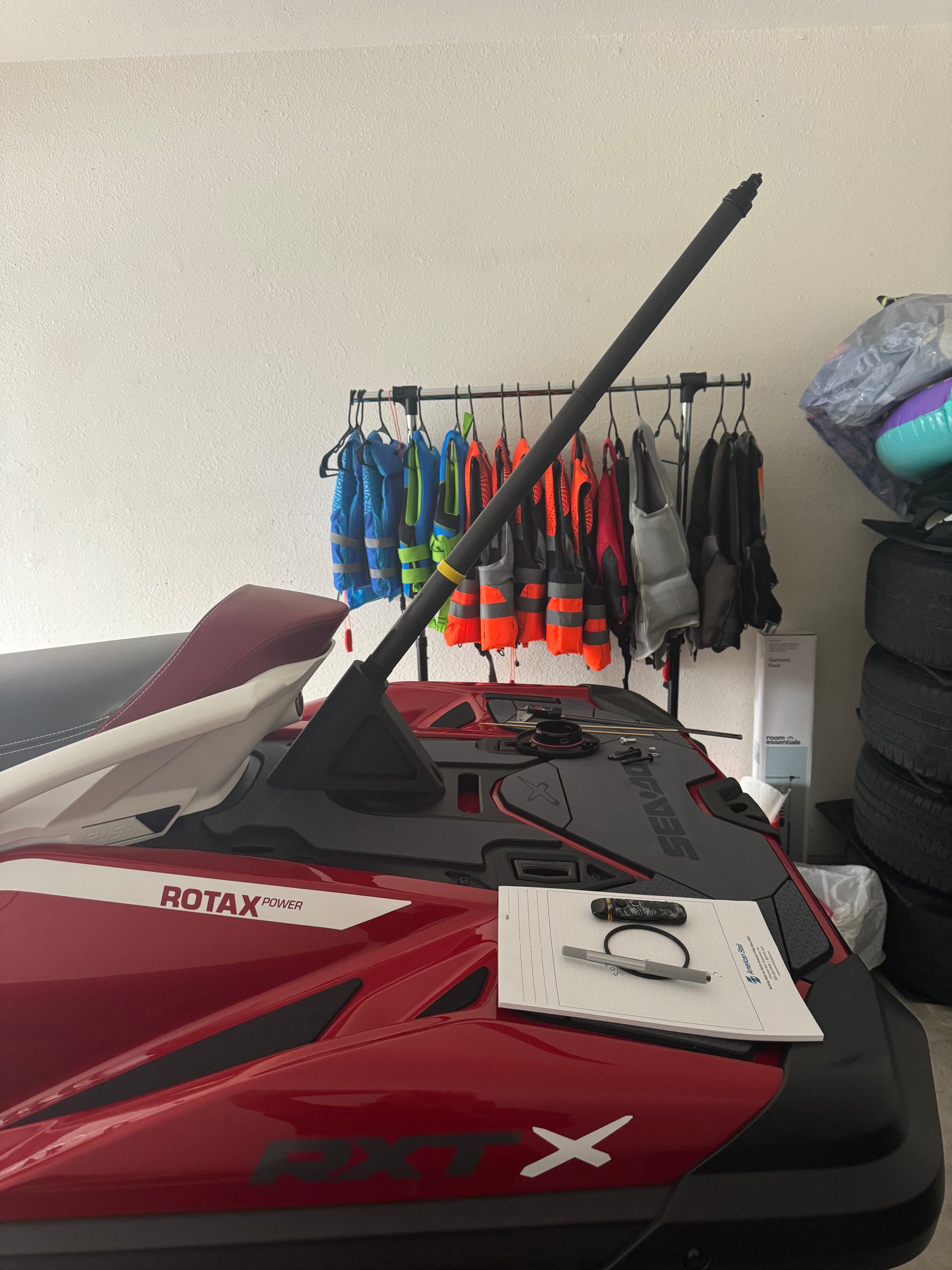
The Sea-Doo ski pylon is a strong, retractable post that mounts at the back of your personal watercraft (PWC). Its main job is to provide a higher tow point for watersports like wakeboarding, skiing, and tubing. Instead of tying the tow rope to a low point on the hull, the pylon lifts the attachment spot, making it easier and safer for the rider being towed.

36% off Today’s Exclusive Deals
Limited-time Exclusive Deals. Check current discount on Amazon.
Check Price on Amazon As an Amazon Associate I earn from qualifying purchases.Most Sea-Doo models allow you to add a ski pylon as an accessory. Some top-of-the-line models even include it as standard equipment. The pylon usually extends up for use and can be retracted or removed when you don’t need it.
Materials are typically stainless steel or strong aluminum, which handle the stress of pulling a person through water at high speeds.
How Does A Ski Pylon Work?
A ski pylon works by raising the tow line attachment above the watercraft’s back deck. When you pull a rider from a higher spot, the rope stays out of the water, reducing spray and drag. This makes it easier for a skier or wakeboarder to start, stay balanced, and perform tricks.
Some pylons also include built-in grab handles. These are helpful for the spotter—the person who sits facing backward, watching the rider and signaling to the driver. Most Sea-Doo pylons are designed to be sturdy yet simple to operate, often with a push-and-twist or pull-to-lock mechanism for raising and lowering.
A typical use scenario: you launch your Sea-Doo, extend the pylon, tie on the tow rope, and have your skier or tuber ready to go. When you’re done, you collapse the pylon to get it out of the way for regular riding or docking.

Benefits Of Using A Ski Pylon
Many Sea-Doo owners find a ski pylon makes a big difference in their water sports experience. Here are the top benefits:
- Higher tow point: The elevated position helps riders get up on skis or wakeboards faster and with less effort. It also reduces water spray hitting the rider’s face.
- Better rope management: The rope stays away from the jet pump and doesn’t drag in the water, making starts smoother and reducing the risk of tangling.
- Improved safety: With the rope higher, there’s less chance of it getting caught in the jet intake or under the hull, which can cause accidents or damage.
- Spotter handles: Built-in handles give the spotter a secure grip, which is much safer than grabbing the seat or holding onto the rider.
- Quick setup and storage: Most ski pylons can be extended or retracted in seconds, so you can switch between towing and regular riding without tools.
- Less hull damage: Towing from a low point can stress the hull and rear deck, sometimes causing cracks or wear. The pylon is designed to handle this force safely.
Comparing A Ski Pylon To Other Tow Options
It’s common to wonder if you can just tie your rope to the tow hook or a cleat instead of buying a pylon. Let’s look at the main differences:
| Feature | Ski Pylon | Tow Hook/Cleat |
|---|---|---|
| Tow Point Height | High (above deck) | Low (near waterline) |
| Rope Drag | Minimal | High |
| Rider Start Ease | Easier | Harder |
| Risk of Tangling | Low | Higher |
| Hull Stress | Distributes force | Can stress hull |
| Spotter Handles | Included | Not available |
As the table shows, a ski pylon offers clear advantages for towing. A low tow point can work for casual tubing or pulling kids, but for adults or anyone who wants to ski or wakeboard well, the pylon is a game-changer.
It’s also worth noting that some insurance policies may require approved tow points for coverage during water sports.
Is It Worth The Cost?
A Sea-Doo ski pylon is not a cheap accessory. Prices range from $300 to $600 depending on the model and whether you install it yourself or have a dealer do it. Installation time is usually 30–60 minutes for a DIYer, or less if you pay for professional help.
But is it really worth the money? Here’s how to decide:
- How often do you tow? If you only pull a tube once a summer, it might not be worth it. If you ski, wakeboard, or tow multiple times a month, it’s almost essential.
- Who are your riders? Heavier or more advanced riders benefit most from the easier starts and reduced drag.
- Resale value: Adding a ski pylon can improve your Sea-Doo’s resale value, especially if the buyer plans to use it for water sports.
Here’s a quick cost-benefit comparison:
| Usage Level | Benefit | Worth the Cost? |
|---|---|---|
| Frequent skiing/wakeboarding (10+ times/year) | Huge improvement | Yes |
| Occasional tubing (2–3 times/year) | Small benefit | Probably not |
| Family/kids use | Moderate improvement | Depends on budget |
| Solo riding, no tow sports | No benefit | No |
A useful insight: the cost of a pylon is small compared to the price of a new Sea-Doo (which can run $10,000–$20,000). If you’ll use it even a few times each summer for several years, most owners find it’s a good value.
Real-world User Experiences
Many Sea-Doo owners share their experiences online, and the feedback is mostly positive. Here’s what stands out:
- Easier starts for all ages: Adults and older kids get up on skis or boards with less effort, and beginners have a better chance of success.
- Less rope mess: Owners say the rope rarely gets sucked into the jet intake, which saves money on repairs and reduces frustration.
- Spotter comfort: The built-in handles make long days on the water more comfortable and safer for passengers. Some users even say it’s a must-have for bigger families.
However, a few users mention downsides:
- Extra step for storage: You need to collapse or remove the pylon before covering your Sea-Doo or storing it in a tight space.
- Some models rattle: On rough water, a few users hear minor rattling from the pylon assembly. This is usually solved with proper installation or tightening.
A detail many beginners miss: if you ride in very choppy water or saltwater, regular cleaning and lubrication of the pylon’s moving parts is important to prevent corrosion or sticking.
Installation: Diy Or Dealer?
Installing a ski pylon is usually straightforward if you’re comfortable with tools. Sea-Doo provides detailed instructions, and most kits come with all the hardware you need. Here’s what to expect:
- Check compatibility: Not all Sea-Doo models accept a pylon. Check your owner’s manual or the manufacturer’s website.
- Gather tools: You’ll need basic tools like a socket wrench, screwdriver, and possibly a drill.
- Follow the steps: Typical steps include removing the rear seat, bolting the pylon assembly to pre-drilled holes, and securing the grab handles.
- Test for tightness: Always double-check bolts and test the pylon at low speeds before towing a rider.
Dealer installation usually adds $100–$200 to the price but is fast and guarantees correct fitting. If you’re not comfortable with DIY projects, this is a good option.
One thing new owners often miss: sea trials. After installation, do a short test run with just the rope (no rider) at low speed to check for any wobbling or noise.
Compatibility With Sea-doo Models
Not every Sea-Doo can use the same ski pylon. Here’s a quick look at compatibility:
| Sea-Doo Model | Pylon Compatibility | Notes |
|---|---|---|
| GTX (2011+) | Yes | Direct fit |
| Wake Pro | Yes | Often standard |
| RXT | Yes (with kit) | Check year |
| SPARK | No | Not supported |
| Fish Pro | No | Not supported |
Always check your exact year and model before ordering a kit. Some older models or sportier versions (like the SPARK or Fish Pro) are not designed to carry a ski pylon.
Ski Pylon Vs. Wake Tower
Some boaters compare the ski pylon to a wake tower (the large arch seen on bigger boats). Here’s how they differ:
- Ski pylon: Simple, retractable, made for PWCs and small boats. Good for skiing, wakeboarding, and tubing.
- Wake tower: Permanent, more expensive, adds height for bigger air tricks but is heavy and not practical for Sea-Doos.
For Sea-Doo owners, the pylon is usually the only real option. Wake towers are too big and would change the balance and safety of the PWC.
Safety Considerations
A ski pylon, when used correctly, makes towing safer for both the rider and people on the Sea-Doo. However, there are important safety tips:
- Never overload: Only pull one person at a time unless your manual says otherwise.
- Use the spotter: Always have a passenger face backward to watch the rider and communicate with the driver.
- Inspect regularly: Check the pylon for signs of wear, looseness, or corrosion before every ride.
- Follow manufacturer limits: Each pylon has a weight and speed limit—exceeding these can cause failure.
- Turn slowly: Sharp turns with a rider in tow put extra force on the pylon and hull.
A smart detail: always use a tow rope rated for water sports (usually 1,500 lbs or more). Don’t use regular ropes, which can snap and cause injury.

Maintenance And Longevity
Most pylons are built to last, but regular maintenance helps avoid trouble. Here’s what to do:
- Rinse after saltwater use: Salt can corrode metal parts quickly.
- Lubricate moving joints: Use marine grease or spray to keep the extension mechanism smooth.
- Check for play: If the pylon wobbles, tighten bolts or bushings as needed.
- Store properly: Collapse or remove the pylon when not in use to avoid bending or accidental damage.
A hidden benefit: taking care of your pylon also protects your Sea-Doo’s value. A rusty, stuck pylon can lower resale price or require costly repairs.
Alternatives To A Ski Pylon
If a ski pylon isn’t right for your Sea-Doo, consider these alternatives:
- Tow hook (standard): Fine for light tubing or pulling small kids, but not ideal for skiing or wakeboarding.
- Aftermarket tow bars: Some companies offer clamp-on bars, but these can be less sturdy or may not fit all models.
- No towing: Stick to solo riding if you don’t plan to do water sports.
A final option is renting a boat with a tower or pylon for the few days you want to do water sports. This avoids the cost and installation but isn’t as convenient if you own your PWC.
Common Mistakes When Using A Ski Pylon
Many new users make simple mistakes that can be avoided:
- Towing too many people: Only tow as many riders as the manual allows (usually one).
- Using the wrong rope: Always use a water sports-rated tow rope.
- Forgetting the spotter: Never tow without a spotter—this is required by law in many states.
- Not checking for obstacles: Make sure the area behind your Sea-Doo is clear before starting.
- Ignoring weight limits: Overloading the pylon can cause failure and injury.
It’s also wise to review your local laws about towing behind PWCs. Some areas require special flags or restrict towing to certain times of day.
Is A Sea-doo Ski Pylon Worth It? The Bottom Line
For most Sea-Doo owners who love water sports, a ski pylon is a smart investment. It makes skiing, wakeboarding, and tubing safer, easier, and more enjoyable for both the driver and riders. While not every owner needs one, families, frequent tow sport users, and anyone looking to get the most out of their Sea-Doo will appreciate the upgrade.
One thing people often don’t realize: a ski pylon also helps protect your watercraft’s hull and engine from rope-related problems. This can save you money and headaches over time.
If you’re not sure, try borrowing or renting a Sea-Doo with a pylon first. For those who tow often, the improved performance and safety are worth the cost.
To learn more about safe towing and watercraft accessories, you can visit the official Sea-Doo website.
Frequently Asked Questions
Can I Install A Ski Pylon On Any Sea-doo Model?
No, not every Sea-Doo model supports a ski pylon. Most larger models like the GTX, Wake Pro, and RXT can accept a pylon, but smaller or sport-focused models (like SPARK or Fish Pro) often do not have the required mounting points. Always check your owner’s manual or ask your dealer before buying.
Is Towing From A Pylon Safer Than The Tow Hook?
Yes, towing from a ski pylon is generally safer. The higher tow point keeps the rope out of the water, lowers the risk of tangling in the jet intake, and reduces stress on the hull. It also provides secure handles for the spotter, improving safety for everyone on board.
How Much Weight Can A Sea-doo Ski Pylon Handle?
Most ski pylons are rated for one adult rider on skis, a wakeboard, or a tube—usually up to 250 lbs. Always check the rating in your Sea-Doo’s manual. Never exceed the recommended weight or tow multiple riders, as this can cause damage or accidents.
Does A Ski Pylon Affect Sea-doo Performance?
When retracted, the ski pylon has little to no effect on performance or top speed. When extended, it adds minimal wind resistance. The main thing to watch is not to turn too sharply with a rider in tow, as this adds extra force to the pylon and craft.
Can I Use A Homemade Pylon Or Aftermarket Alternative?
Homemade or aftermarket pylons may not be as safe or reliable. Always use a factory-approved kit designed for your Sea-Doo model. This ensures proper fit, strength, and keeps your warranty valid. Avoid DIY solutions, as they can damage your PWC or cause injury.
Sea-Doo ski pylons are a popular upgrade for a reason: they boost fun, safety, and performance for water sports fans. If you’re ready to take your riding to the next level, a ski pylon is definitely worth considering.

