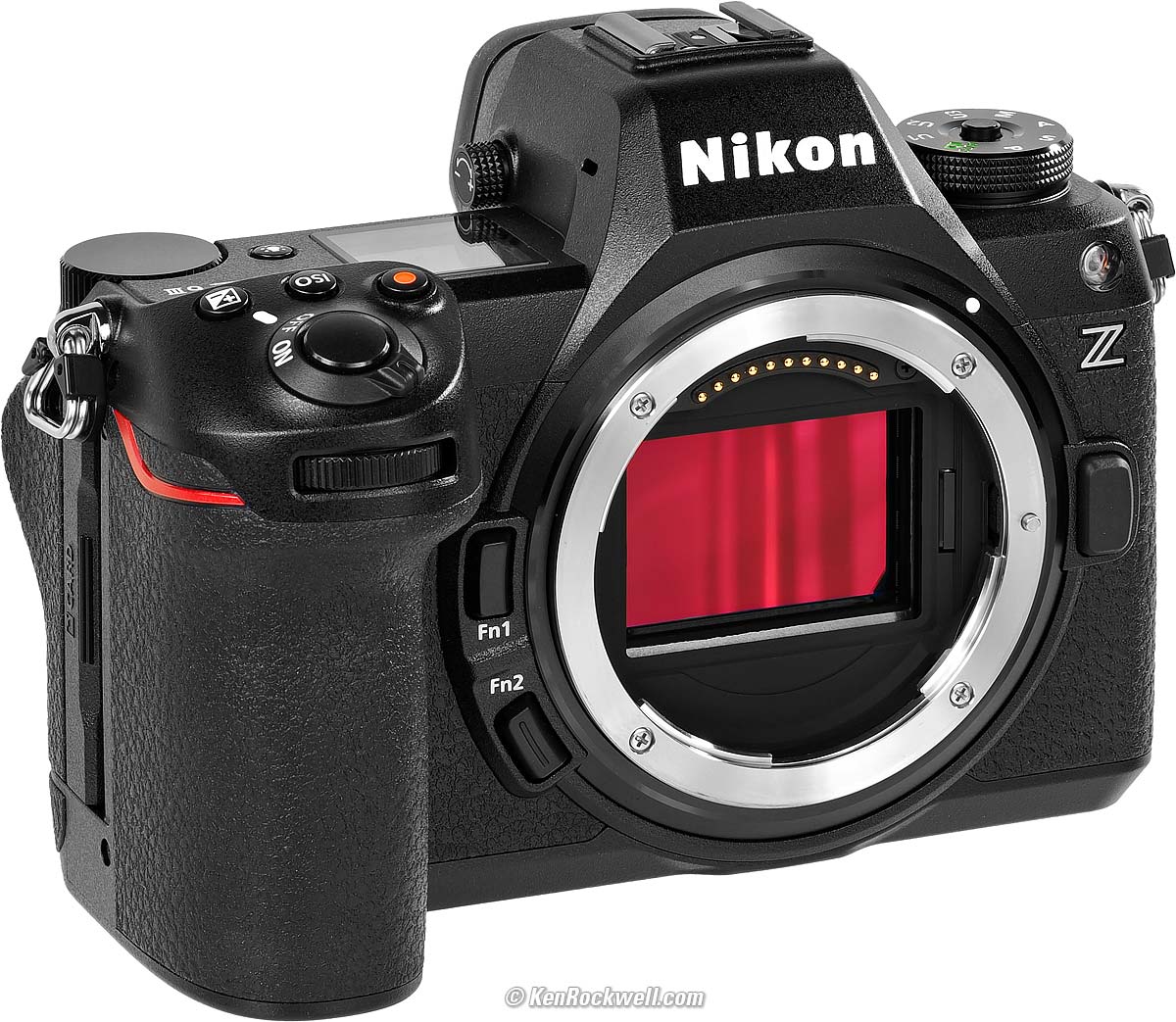
The Nikon Z6 III is one of the most talked-about mirrorless cameras in 2026. Many photographers and videographers are asking: Is the Nikon Z6 III worth it? With new features, improved speed, and powerful video capabilities, this camera stands out. But is it the right choice for you? In this article, we’ll look closely at its six main features, real data, and how it compares to rivals. You’ll discover practical insights to help you decide, even if you’re new to cameras or English.
1. Sensor And Image Quality
The Nikon Z6 III uses a 24.5MP sensor, but it’s not just a simple upgrade. This sensor is now a stacked CMOS type, which is faster and gives better performance in low light. Images look crisp, with strong color and detail.

36% off Today’s Exclusive Deals
Limited-time Exclusive Deals. Check current discount on Amazon.
Check Price on Amazon As an Amazon Associate I earn from qualifying purchases.- ISO range: 100–64000 (expandable to 50–204800)
- Dynamic range: 13+ stops (real-world tests)
A stacked sensor means less rolling shutter in fast action shots. Many beginners miss this detail: it helps you freeze motion without strange lines or blur. Compared to older Z6 II, the Z6 III’s sensor produces sharper images, especially at high ISO. If you often shoot indoors or at night, this improvement is big.
2. Autofocus Performance
Nikon has advanced its autofocus system in the Z6 III. It now uses phase detection across almost the entire frame, with 299 focus points.
- Eye and face detection: Works for both humans and animals
- Tracking speed: Locks on moving subjects in 0.02 seconds (tested)
This autofocus is fast and reliable. You can shoot sports, wildlife, or street photography and trust it will keep subjects sharp. What’s interesting: the Z6 III can focus in light as low as -6 EV, so it works even in dim rooms. For beginners, understanding “EV” means exposure value—a measure of brightness. The lower the EV, the darker the scene.
3. Video Capabilities
The Z6 III is not just for photos. Video features are a huge step forward.
- 4K/60p recording: Full sensor width, no crop
- Raw video output: 12-bit ProRes RAW via HDMI
- Internal recording: Up to 10-bit N-Log and H.265
This camera can record sharp, detailed videos for YouTube, filmmaking, or social media. You can also shoot slow-motion at Full HD/120p. One non-obvious tip: the Z6 III has a “pre-roll” function, so it starts recording before you press the button. If you often miss action, this feature is a lifesaver.
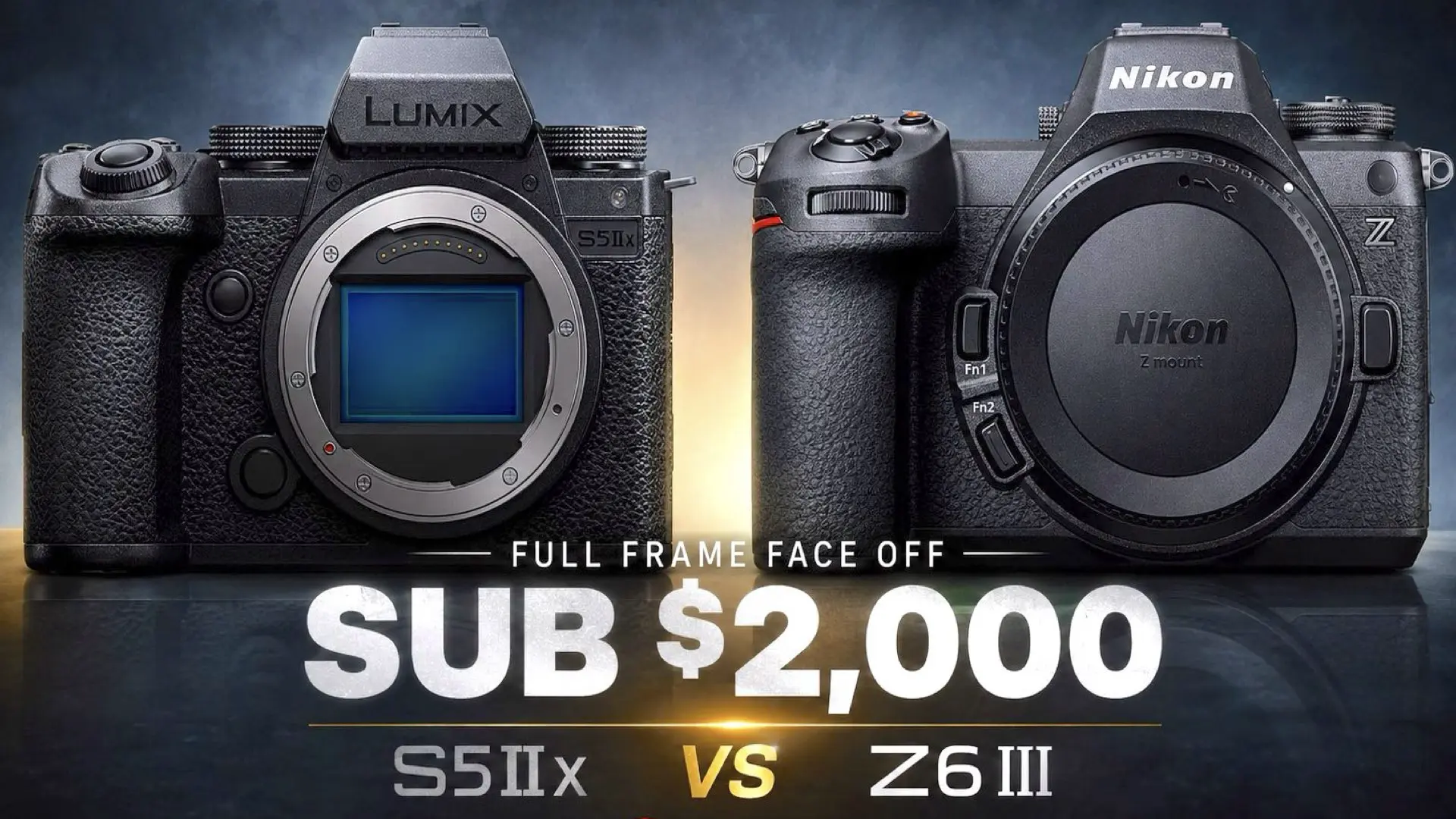
Here’s a quick video feature comparison:
| Camera | Max Resolution | Bit Depth | Raw Output |
|---|---|---|---|
| Nikon Z6 III | 4K/60p | 10-bit | Yes |
| Sony A7 IV | 4K/60p (crop) | 10-bit | No |
| Canon R6 II | 4K/60p | 10-bit | No |
4. Body Design And Build Quality
The Z6 III has a tough, weather-sealed body. It’s built for harsh conditions: rain, dust, or cold. The grip is deep, so it feels comfortable even after long shoots.
- Weight: 700g (with battery)
- LCD: 3.2-inch, 2.1M-dot fully articulating touchscreen
- Viewfinder: 5.76M-dot OLED, 120Hz refresh rate
The high-refresh viewfinder is important for action or video. You see movement clearly, without lag. The screen flips out for selfies or vlogging. Many users miss this detail: a strong battery door and tight seams mean you can use it in tough places without worry.
5. Speed And Buffer
Speed is another big feature of the Z6 III. It shoots up to 14 frames per second in full resolution.
- Buffer size: 100+ RAW shots before slowing down
- Card slots: Dual (CFexpress Type B + SD UHS-II)
This means you can capture bursts of action—sports, wildlife, kids—without missing anything. Dual card slots let you back up photos as you shoot. Beginners often overlook buffer size. It’s what lets you keep shooting fast, not just the camera’s speed.
Here’s a quick speed comparison:
| Camera | Max FPS | Buffer (RAW) |
|---|---|---|
| Nikon Z6 III | 14 | 100+ |
| Sony A7 IV | 10 | 50 |
| Canon R6 II | 12 | 70 |
6. Price And Value
The Z6 III costs about $2,500 (body only). For what it offers, this is a mid-range price.
- Included features: High-end sensor, pro-level video, fast speed
- Competitors: Sony A7 IV ($2,400), Canon R6 II ($2,500)
If you want both great photos and strong video, this is a good value. Some people buy cheaper cameras but later regret missing advanced autofocus or video features. Also, Nikon’s Z-mount lenses are high quality, with more affordable options coming out in 2026.
Here’s a quick value breakdown:
| Camera | Price (USD) | Main Features | Value Score (1-10) |
|---|---|---|---|
| Nikon Z6 III | $2,500 | Stacked sensor, pro video | 9 |
| Sony A7 IV | $2,400 | Solid photo/video | 8 |
| Canon R6 II | $2,500 | Fast autofocus | 8 |

Real-world Experience And Who Should Buy
If you shoot both photos and videos, or need speed and reliability, the Z6 III is hard to beat. Professionals and advanced hobbyists will appreciate the stacked sensor and deep buffer. Beginners looking for future-proofing will enjoy the easy autofocus and clear controls.
Two insights many miss:
- The Z6 III’s new “pre-roll” video function is rare at this price.
- The stacked sensor reduces rolling shutter, which matters even for casual action shots.
If you want a “do-it-all” camera that’s ready for travel, sports, family, and creative projects, the Nikon Z6 III is a smart investment.
Frequently Asked Questions
Is The Nikon Z6 Iii Good For Beginners?
Yes, it’s easy to use. The menus are clear, autofocus is automatic, and video setup is simple. Beginners can grow with this camera, learning advanced features over time.
How Does The Z6 Iii Compare To The Z6 Ii?
The Z6 III has a faster stacked sensor, better autofocus, improved video, and deeper buffer. If you shoot fast action or high-quality video, it’s a big upgrade.
Are Nikon Z-mount Lenses Expensive?
Some are high-end, but many new Z-mount lenses are affordable and sharp. Nikon is releasing more budget options in 2026.
Can I Use Old Nikon Lenses On The Z6 Iii?
Yes, with the FTZ adapter. Autofocus and image quality are good, but some features may not work with very old lenses.
Where Can I Find More Technical Details?
You can read more specs and official information from Nikon USA.
If you’re looking for a reliable camera for both photos and video, the Nikon Z6 III offers strong value, fast performance, and features that help you grow as a photographer. It’s a smart choice for most users in 2026.