

Most electric step problems are electrical, switch, or mechanical faults that you can diagnose and fix.
I’ve spent years repairing and maintaining RVs and motorhomes, so this guide on Motorhome Electric Step Troubleshooting packs hands-on tips, clear diagnostics, and step-by-step fixes. Read on to learn how to identify symptoms, test components, perform safe repairs, and decide when to call a pro—so your electric step works reliably on every trip.

36% off Today’s Exclusive Deals
Limited-time Exclusive Deals. Check current discount on Amazon.
Check Price on Amazon As an Amazon Associate I earn from qualifying purchases.
Overview: What is an electric step and why troubleshooting matters
An electric step is a powered entry step that extends and retracts when you open or close the door. Common parts include the motor, gearbox, limit switches, mounting brackets, wiring, relays, and the control module. Motorhome Electric Step Troubleshooting helps you find the root cause fast. A reliable step keeps entry safe and prevents damage to the coach.

Common symptoms to watch for
- Step will not deploy or retract at all.
- Step moves slowly or hesitates.
- Step extends then immediately retracts.
- Step sticks halfway or binds when moving.
- Clicking noise without movement.
- Intermittent operation—works sometimes, fails other times.
Motorhome Electric Step Troubleshooting begins by matching symptoms to likely causes. Note when the fault happens: with the door, ignition state, or remote switch.

Key components to inspect
- Motor and gearbox: Provide motion and torque.
- Limit switches: Tell the system when step is fully in or out.
- Control relay or module: Handles power and logic.
- Power source and fuses: Provide input voltage.
- Wiring and connectors: Carry current and signals.
- Mounts and slides: Mechanical guides that can seize.
Understanding these parts makes Motorhome Electric Step Troubleshooting efficient and safe.

Tools and safety checklist
- Multimeter for voltage and continuity checks.
- Non-contact voltage tester for quick live checks.
- Basic hand tools: socket set, screwdrivers, pliers.
- Contact cleaner and dielectric grease.
- A clean flashlight and mirror for tight spots.
- Gloves and safety glasses.
Always disconnect the battery when you open electrical connectors unless you actively test live circuits. Follow manufacturer torque specs when reassembling.
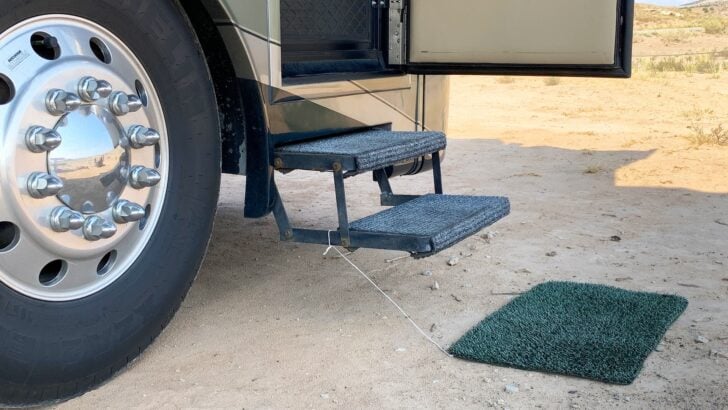
Step-by-step troubleshooting guide
- Visual check first. Inspect the step for debris, bent parts, or rust.
- Check power. Confirm battery voltage at the step’s power input with door open.
- Inspect fuses and relays. Swap or test relays and replace blown fuses.
- Test the switch. Use a multimeter on the door or step switch for continuity.
- Listen to the motor. If you hear clicking but no motor spin, suspect a relay or bad motor.
- Check limit switches. Manually actuate switches and check continuity when step position changes.
- Inspect wiring. Look for chafed wires, loose terminals, or corrosion.
- Test the control module. Replace or bench-test the module per the service manual if all else checks out.
- Lubricate moving parts. Use proper lubricants on slides and pivots to reduce friction.
- Re-test in normal conditions. Operate the door and step multiple times to confirm repair.
This ordered process streamlines Motorhome Electric Step Troubleshooting and reduces wasted time.

Common causes and fixes
-
Electrical supply issues
- Cause: Low battery or corroded battery terminals.
- Fix: Charge or replace battery; clean terminals and check ground.
-
Faulty switch or sensor
- Cause: Bad door or step switch fails to signal.
- Fix: Replace switch or clean contacts.
-
Worn motor or gearbox
- Cause: Brushes worn or gear teeth stripped.
- Fix: Rebuild gearbox or replace motor assembly.
-
Bad relay or control module
- Cause: Overheating, water ingress, or internal failure.
- Fix: Test relay; replace relay or control module when defective.
-
Mechanical binding
- Cause: Rust, debris, or misaligned mounts.
- Fix: Clean, lubricate, and realign the step hardware.
-
Wiring faults
- Cause: Pinched, corroded, or shorted wiring.
- Fix: Repair or replace wiring harness sections and use heat-shrink terminals.
These fixes are the backbone of Motorhome Electric Step Troubleshooting. Test after each repair to confirm the issue is resolved.

Repair, parts, and replacement considerations
- Match OEM or exact-fit replacements for mounts, motors, and modules.
- Keep a spare relay and fuse in your tool kit for roadside fixes.
- Consider a new assembly if motor and gearbox both fail; labor can be high.
- Use dielectric grease on connectors to prevent future corrosion.
- Verify replacement parts against wiring diagrams and pinouts.
Parts quality affects longevity. For Motorhome Electric Step Troubleshooting, invest in reliable parts to avoid repeated trips to the shop.
Preventive maintenance tips
- Operate the step monthly to keep parts moving.
- Clean and lubricate sliders once each season.
- Inspect and tighten mounting bolts regularly.
- Check wiring and connectors for moisture after wet trips.
- Test limit switches during routine inspections.
Simple maintenance reduces the need for urgent Motorhome Electric Step Troubleshooting and keeps your entry step dependable.
Costs and when to call a professional
- Simple fixes like fuses, relays, or cleaning connectors can be low cost and DIY-friendly.
- Motor or gearbox replacement can run higher due to parts and labor.
- Control module repairs may require specialized testing and dealer programming.
- Call a pro when you lack tools, the fault involves vehicle CAN or safety interlocks, or if disassembly risks frame or door alignment.
Get a few quotes and check warranty coverage before committing to expensive replacements.
People also ask (PAA-style questions)
Why does my motorhome electric step click but not move?
Clicking often means the relay is energizing but the motor is not receiving full power or the motor is seized. Check battery voltage, relay contacts, and motor continuity as part of Motorhome Electric Step Troubleshooting.
How do I test the limit switches on my step?
Use a multimeter to check continuity while manually moving the step to each stop position. A working limit switch will change state when the step reaches the correct position.
Can a weak battery cause step problems?
Yes. Low voltage can cause slow operation, stalling, or erratic behavior. Confirm battery health and charging system before deeper troubleshooting.
Personal experience and lessons learned
I once patched a motorhome step that failed on a rainy morning before a family trip. The fix was not the motor but a corroded connector under the step plate. I cleaned the terminals, applied dielectric grease, and the step worked perfectly again. Lesson learned: Always check connectors and power first. Quick roadside fixes are often about good diagnosis, not immediate part replacement.
My hands-on repairs taught me to carry a small kit with spare fuses, a relay, a length of 12 AWG wire, and terminal kits. These items save time and prevent a trip from being cut short.
Limitations and safety notes
- Complex control modules may need dealer-level tools to diagnose fully.
- Working under the step or near the door can be dangerous if the step moves unexpectedly.
- Water damage to electronics can hide intermittent faults that are hard to reproduce.
- If the step is a structural support while the door is open, avoid full disassembly on uneven ground.
When unsure, get professional help. Accurate Motorhome Electric Step Troubleshooting reduces risks and prevents accidental damage.
Related concepts and upgrades
- Upgrading to quieter motors or better seals extends life.
- Adding a manual retraction option helps in power loss situations.
- Integrating with central locking or entry sensors can add convenience but increases troubleshooting scope.
- Regular inspection of door hinge alignment reduces binding stress on the step.
Consider upgrades carefully; more complexity can increase troubleshooting needs later.
Frequently Asked Questions of Motorhome Electric Step Troubleshooting
What should I check first when my electric step stops working?
Check battery voltage, fuses, and the step’s main power connection first. These are the most common and easiest fixes.
How can I tell if the motor is bad?
Listen for motor noise and test for continuity and resistance with a multimeter; no spin with full voltage usually means motor failure. Try supplying direct battery power briefly as a test only if safe to do so.
Is it safe to operate the step with the ignition off?
Yes, most electric steps operate with ignition off if the battery has sufficient charge, but be mindful of battery drain. Avoid repeated operation on a weak battery.
Can I replace the step control module myself?
You can if you are comfortable with wiring and following the service manual, but some modules need programming or calibration by a dealer. Label connectors and take photos before disconnecting.
How often should I lubricate the step?
Lubricate sliders and pivots every 3–6 months or after exposure to salt, mud, or heavy rain. Regular lubrication prevents binding and extends life.
Conclusion
Motorhome Electric Step Troubleshooting is mostly methodical checks: power, switches, wiring, and mechanical parts. Start with simple tests, carry a small repair kit, and document what you find. Take safety seriously and call a professional for complex electronics or structural issues. Try the steps outlined here on your next inspection, subscribe for more RV maintenance guides, or leave a comment about a problem you want help diagnosing.

