

The tech world is full of exciting choices, especially when it comes to smartphone design. Two of the most talked-about devices today are the Motorola Razr+ and the iPhone 15 Pro. Each phone represents a unique approach to design, technology, and user experience. The Razr+ revives the flip phone nostalgia with modern foldable tech, while the iPhone 15 Pro continues Apple’s tradition of elegant, premium slabs. If you’re deciding between these two icons, or just curious about how they differ, a deep dive into their design features can help you understand what makes each one special.
In this article, we’ll compare the Motorola Razr+ and the iPhone 15 Pro across 15 key design aspects. These include build quality, display, ergonomics, camera setup, durability, and more. Whether you’re a tech enthusiast, a casual buyer, or a design lover, you’ll discover insights that go beyond the surface.

36% off Today’s Exclusive Deals
Limited-time Exclusive Deals. Check current discount on Amazon.
Check Price on Amazon As an Amazon Associate I earn from qualifying purchases.1. Overall Aesthetic
The Motorola Razr+ stands out for its foldable flip design, which instantly calls back to the classic Razr models of the early 2000s. When closed, it looks compact and pocketable, with a large external screen dominating the front. The hinge is visible but smoothly integrated. Its curves and slim profile (when unfolded) give it a futuristic feel, blending retro and modern in a way few phones can match.
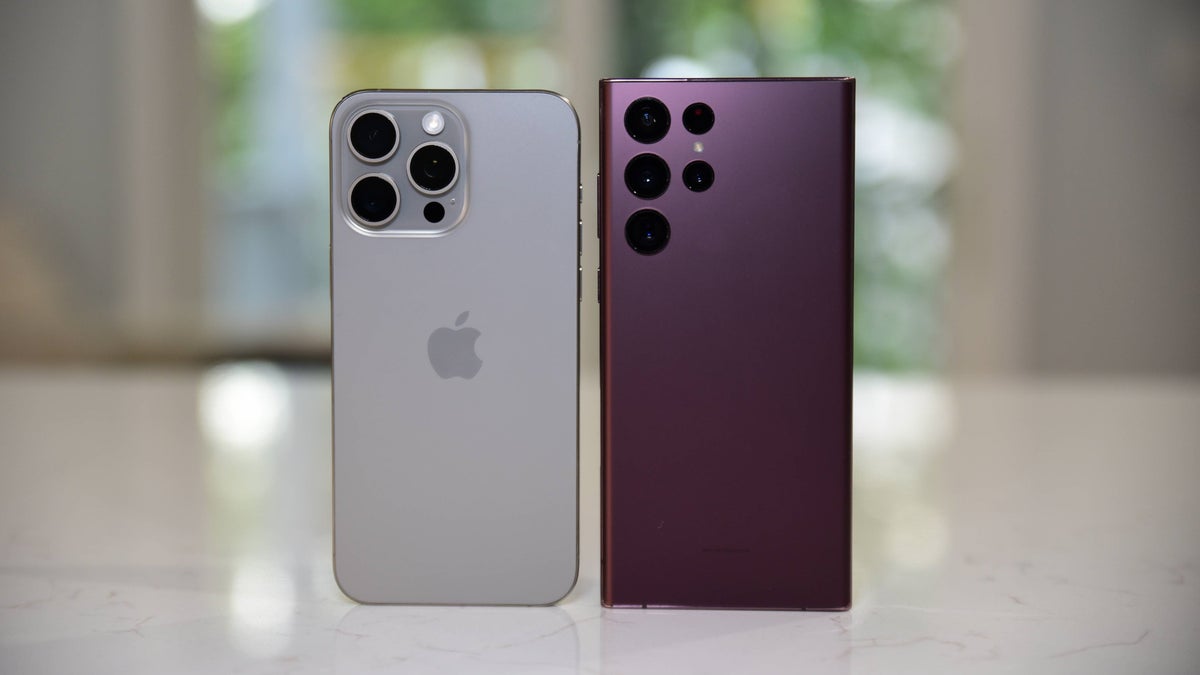
On the other hand, the iPhone 15 Pro maintains Apple’s signature style: a minimalist, flat-edged slab made of premium materials. The camera bump is prominent, and the display nearly reaches the edges. It’s instantly recognizable, sleek, and engineered for symmetry. Apple prefers subtlety—no moving parts, no surprises, just confidence in simplicity.
In summary, the Razr+ is bold and playful, while the iPhone 15 Pro is refined and timeless. Choosing between them often comes down to whether you value classic innovation or elegant tradition.
2. Build Materials
Materials play a major role in both look and feel. The iPhone 15 Pro uses a titanium frame, which is lighter and tougher than the stainless steel of previous models. The front and back are made from textured matte glass, offering a non-slip finish. This combination gives the phone a solid, premium touch and improved durability.
The Motorola Razr+ uses an aluminum frame with Gorilla Glass Victus on the external display and either glass or vegan leather on the back (depending on color). The hinge is reinforced with stainless steel components, ensuring strength where it matters most. The vegan leather option adds grip and a soft-touch feel, while the glass variant feels more classic.
Both devices feel expensive in the hand, but the Razr+’s mix of materials and the tactile sensation of opening and closing the phone are unique experiences.
3. Form Factor
The form factor is where these two phones truly diverge. The Razr+ is a foldable clamshell. Closed, it’s half the height of a regular phone, making it easy to slip into a small pocket or purse. Flip it open, and you get a tall, standard-sized screen. This flexibility is a major selling point for people who want something different from the typical smartphone slab.
The iPhone 15 Pro keeps the traditional bar shape. It doesn’t fold or flip, but it’s extremely thin and lightweight for its class. The squared edges help with grip, but some users find them less comfortable over long periods compared to rounded phones.
If portability and uniqueness matter to you, the Razr+’s foldable design is hard to beat. For those who prefer a standard, always-ready device, the iPhone 15 Pro remains the trusted choice.
4. Display Design
Displays are the window to a smartphone’s soul. The iPhone 15 Pro has a 6.1-inch Super Retina XDR OLED display. It’s flat, with thin bezels and a small Dynamic Island cutout at the top for the camera and Face ID sensors. The colors are vivid, blacks are deep, and the display is bright enough for sunny days.
The Razr+ features two displays. The main one is a 6.9-inch FHD+ pOLED foldable panel. It’s taller than most phones, due to the clamshell form. The crease in the middle is visible at certain angles, but Motorola has worked hard to make it less distracting. The external 3.6-inch pOLED display is also touch-enabled, perfect for quick tasks, selfies, and notifications without opening the phone.
Here’s a side-by-side look at the main display specs:
| Phone | Main Display Size | Type | Refresh Rate | Resolution |
|---|---|---|---|---|
| Motorola Razr+ | 6.9 inches | pOLED (foldable) | 165Hz | 2640 x 1080 |
| iPhone 15 Pro | 6.1 inches | Super Retina XDR OLED | 120Hz | 2556 x 1179 |
The Razr+ offers more screen real estate and a higher refresh rate, but the iPhone’s panel is renowned for color accuracy and outdoor visibility.
5. External Display (cover Screen)
One of the defining features of the Razr+ is its external cover display. At 3.6 inches, it’s the largest on any flip phone to date. You can run almost any app, check notifications, reply to messages, and even play games—all without opening the phone. The external screen is bright, colorful, and protected by Gorilla Glass.
The iPhone 15 Pro does not have a secondary display. All interactions happen on the main screen. Apple believes in simplicity and sees no need for a cover screen in its design philosophy.
For users who want quick glances or to use their phone one-handed for basic tasks, the Razr+’s cover display is a clear advantage.
6. Hinge Mechanism
The hinge is the secret behind the Razr+’s foldable magic. Motorola uses a custom-built, multi-link hinge that allows the phone to close completely flat—no visible gap between the halves. It’s rated for at least 400,000 folds, which translates to several years of heavy use. The movement is smooth, satisfying, and can be stopped at any angle for “Flex View” mode (great for hands-free selfies or video calls).
The iPhone 15 Pro, of course, does not have a hinge. Its unibody construction eliminates moving parts, which means fewer chances for mechanical failure. Apple prioritizes structural simplicity and long-term reliability.
While a hinge adds functionality and fun, it also introduces more points of potential wear. The iPhone’s approach is safer but less innovative in this aspect.
7. Durability
Durability means more than just surviving a drop. It’s about how a phone handles everyday life—scratches, spills, and the occasional accident.
- The iPhone 15 Pro is rated IP68 for water and dust resistance. This means it can be submerged in up to 6 meters of water for 30 minutes. The titanium and Ceramic Shield glass are tough, but glass can still crack with a bad fall.
- The Razr+ has a less robust IP52 rating, protecting against dust and light water sprays, but not full immersion. Foldable screens are made of flexible plastic and ultra-thin glass, which are more prone to scratches and dents than regular glass. The hinge is strong, but it’s still a moving part.
If you need a phone for rugged use, the iPhone 15 Pro’s higher water resistance and stronger glass offer more peace of mind.
8. Ergonomics And One-handed Use
Comfort in the hand often depends on weight, shape, and balance. The iPhone 15 Pro weighs about 187g and is 8.25mm thick. The squared edges make it easy to grip, and the screen size is manageable for most hands. However, some users find the flat edges dig into their palms during long use.
The Razr+ is much lighter (188g) and, when closed, is only 73. 95mm tall—easy to operate with one hand, especially for small tasks on the cover screen. When unfolded, the tall, narrow display means your thumb has to stretch for the top, but the lightweight body helps.
Both phones are pocket-friendly, but the Razr+’s compactness when closed makes it especially handy for small bags or tight jeans.
9. Camera Layout And Usability
Camera design is about more than just megapixels. It’s about how the cameras are arranged and how easy they are to use.
The iPhone 15 Pro uses a triple-camera system (main, ultrawide, telephoto) on the back, with all lenses housed in a square bump. The front camera sits in the Dynamic Island cutout. Apple’s camera bump is now iconic and allows for advanced features like ProRAW and cinematic video.
The Razr+ uses a dual-camera setup (main and ultrawide) right next to the cover display. The unique thing here: you can use the main cameras for selfies by closing the phone and using the cover screen as a viewfinder. There’s also a hole-punch selfie camera on the inside for video calls.
Here’s a quick camera layout comparison:
| Phone | Rear Cameras | Front Camera | Special Features |
|---|---|---|---|
| Motorola Razr+ | 50MP (main) + 13MP (ultrawide) | 32MP (hole-punch inside) | Selfies with main camera, Flex View hands-free |
| iPhone 15 Pro | 48MP (main) + 12MP (ultrawide) + 12MP (telephoto) | 12MP (Dynamic Island) | ProRAW, Cinematic mode, Deep Fusion |
The Razr+ offers more creative ways to use its cameras thanks to its folding design.
10. Buttons And Ports
Physical controls are a core part of usability. The iPhone 15 Pro has the classic volume buttons, a new customizable Action Button (replacing the mute switch), and a power button. The charging port is now USB-C (a first for iPhones), supporting fast charging and data transfer.
The Razr+ has standard volume and power buttons (the power button doubles as a fingerprint reader) on the side. It also uses USB-C for charging and data. There is no dedicated mute switch or action button. Both phones lack a headphone jack, reflecting the industry’s move to wireless audio.
The placement and feel of the buttons are solid on both devices, but the iPhone’s Action Button adds extra customization for power users.

11. Color Options
Personalization matters. The iPhone 15 Pro offers four colors: Black Titanium, White Titanium, Blue Titanium, and Natural Titanium. All colors have a brushed metal look, subtle and elegant.
The Razr+ is more playful, with options like Infinite Black (glass), Glacier Blue (glass), Viva Magenta (vegan leather), and Peach Fuzz (vegan leather). The vegan leather finishes stand out, adding both grip and visual flair.
If you want professional and understated, the iPhone wins. If you prefer fun and fashion-forward, the Razr+ offers more personality.
12. Bezels And Screen-to-body Ratio
A modern phone’s “wow factor” often comes from how immersive its display looks. The iPhone 15 Pro has extremely thin bezels, with a screen-to-body ratio of around 89%. The Dynamic Island cutout is smaller than last year’s notch, but it’s still visible during use.
The Razr+ main display has slim bezels and a punch-hole camera. Its screen-to-body ratio is about 85% when unfolded, but the flexible display requires slightly larger borders for protection. The external display covers almost the entire front when closed, making it look like a miniature smartphone.
Apple’s engineering allows for the thinnest bezels, but Motorola’s cover screen offers a different kind of immersion.
13. Weight And Thickness
Weight and thickness affect how a phone feels all day. The iPhone 15 Pro is 187g and 8.25mm thick. It’s lighter than previous Pros thanks to titanium and is easy to hold for long periods.
The Razr+ is 188g and 7mm thick when unfolded, but only 15.1mm thick when closed. The foldable design means it’s thinner in use but chunkier in the pocket (when closed).
Here’s a side-by-side look:
- IPhone 15 Pro: 187g, 8.25mm thick (always)
- Razr+: 188g, 7mm (open) / 15.1mm (closed)
The iPhone is more consistent, while the Razr+ gives you portability or a big screen when you want it.
14. Tactile Experience
The way a phone feels in your hand is subjective, but some differences stand out. The iPhone 15 Pro is cool to the touch, with a dense and precise feel. The matte glass resists fingerprints, and the titanium edges are smooth but grippy.
The Razr+ is all about interaction. The opening and closing motion is satisfying, and the vegan leather variants are soft and comfortable. The foldable screen feels different from glass—slightly softer, with a subtle crease.
One non-obvious insight: The Razr+’s tactile “snap” when closing the phone adds a sense of closure to ending calls or finishing tasks. For some users, this is addictive and fun, bringing back memories of classic flip phones.
15. Design For Sustainability
Today’s consumers care more about sustainability. The iPhone 15 Pro is Apple’s most eco-friendly Pro yet. The titanium is 100% recycled, the internal frame uses 100% recycled aluminum, and the packaging is plastic-free. Apple aims for carbon neutrality by 2030, and every step of the design reflects that goal.
Motorola also makes progress: the Razr+ uses recycled materials in the packaging and offers vegan leather (a synthetic, animal-free alternative). However, the foldable screen and hinge are harder to recycle, and the device is less repairable than a standard phone.
Apple leads the way in sustainability, but Motorola is catching up by offering eco-friendly finishes and packaging.
Standout Design Experiences
Some design features only become apparent with everyday use. For example, the Razr+’s ability to sit half-open on a table for hands-free video calls is practical and fun. It can act as its own tripod for photos. The iPhone 15 Pro’s Action Button allows you to launch the camera, record a voice memo, or turn on accessibility features instantly.
Many users don’t realize that the Razr+’s cover display can run full apps, not just widgets. This means you can check Google Maps, reply to messages, or even watch YouTube—without ever opening the main screen. It’s a small convenience that adds up.
Similarly, the iPhone’s Dynamic Island is more than just a camera cutout. It changes shape to show timers, incoming calls, music controls, and more—making multitasking smoother.
Aesthetic Longevity
One thing buyers often overlook is how well a design will age. The iPhone 15 Pro’s style is classic and unlikely to look old for years. The titanium finish resists scratches and fingerprints, and the flat edges may even become more iconic with time.
The Razr+ stands out now, but foldable designs are evolving fast. In a few years, today’s hinge and crease may seem dated as technology improves. However, the “flip phone” aesthetic has nostalgic appeal and could remain popular among fans of retro tech.
Repairability And Upkeep
Repairing a phone is rarely fun, but it’s an important part of ownership. The iPhone 15 Pro scores better than previous models for repairability. Many parts (like the back glass) are easier to replace, and Apple’s global support network means you can get genuine parts almost anywhere.
The Razr+ is trickier. Foldable screens are more delicate, and hinge repairs require specialized skills. Not every repair shop can handle them, and replacement parts are less common. This means higher costs and longer wait times if something goes wrong.

User Feedback And Real-world Impressions
Looking at reviews and forums, users praise the iPhone 15 Pro for feeling “just right” in the hand. Many love the new lighter weight and the durability of the titanium frame. Criticisms include the camera bump being too large and the Dynamic Island still taking up valuable screen space.
For the Razr+, users love the nostalgia and fun factor. The cover screen gets rave reviews for convenience, but some worry about the long-term durability of the foldable display. The hinge is praised for its smoothness, but dust and debris can still be concerns after months of use.
Choosing The Right Design For You
There’s no universal “best” design—just the best for your needs. Here are some questions to help you decide:
- Do you want a phone that stands out? The Razr+ is a conversation starter.
- Do you need rugged durability? The iPhone 15 Pro is more water- and dust-resistant.
- Is one-handed use a priority? The Razr+’s cover screen is unmatched.
- Do you prefer a classic, timeless look? The iPhone 15 Pro sets the standard.
- Are you an early adopter who loves new tech? The Razr+’s foldable screen is for you.
Both devices are premium, but they target different personalities and priorities.
Frequently Asked Questions
What Makes The Motorola Razr+ Unique Compared To The Iphone 15 Pro?
The Razr+ stands out for its foldable clamshell design and large external cover display. You can use many apps without opening the phone, and the folding action brings back classic flip phone nostalgia. The iPhone 15 Pro is more traditional, with a focus on premium materials and a minimalist look.
Which Phone Is More Durable: Razr+ Or Iphone 15 Pro?
The iPhone 15 Pro is generally more durable. It has an IP68 rating for water and dust, a titanium frame, and Ceramic Shield glass. The Razr+’s foldable screen is more prone to scratches and only has an IP52 rating, making it less resistant to water and dust.
Can The Razr+’s External Display Run All Apps?
Yes, the Razr+ external display can run most Android apps, including maps, messaging, and even games. Not all apps are perfectly optimized, but Motorola allows users to choose which apps show up on the cover screen.
Does The Iphone 15 Pro Have Any Foldable Or Secondary Display Features?
No, the iPhone 15 Pro is a traditional slab phone with a single main display. There is no foldable screen or external display. Apple focuses on simplicity and durability with its design.
Which Phone Is More Sustainable?
The iPhone 15 Pro leads in sustainability. It uses recycled titanium and aluminum and comes in plastic-free packaging. Apple also has strong commitments to reducing its environmental impact. The Razr+ makes progress with vegan leather and recycled packaging, but foldable tech is harder to recycle.
For more details on smartphone design trends and materials, check out the Smartphone Wikipedia page.
Both the Motorola Razr+ and the iPhone 15 Pro showcase the best in modern phone design, but in very different ways. Whether you choose the playful innovation of the Razr+ or the classic elegance of the iPhone 15 Pro, you’re getting a device that’s a statement in your pocket.
The right choice depends on your style, needs, and how much you value unique experiences versus timeless reliability.

