Are you ready to take your camping adventures to the next level without carrying a heavy load? Imagine having all the essential gear you need, perfectly packed into one backpack that you can easily carry anywhere.
This means more freedom, less hassle, and more time to enjoy the great outdoors. You’ll discover the must-have camping gear that fits in a backpack—gear designed to keep you comfortable, safe, and prepared on every trip. Keep reading, and you’ll learn exactly what to pack so you’re ready for anything, without being weighed down.
Backpack Selection
Choosing the right backpack is the first step for any camping trip. It holds all your gear and makes carrying easier. A good backpack fits your body and your trip needs. The right choice helps you walk longer and feel comfortable.
Choosing The Right Size
Select a backpack that fits your trip length. For short trips, 20-35 liters work well. Longer trips need 40-60 liters or more. Too big means extra weight. Too small means no space for essentials.
Features To Look For
Look for padded shoulder straps for comfort. A waist belt helps spread the weight. Multiple pockets keep items organized. Water-resistant material protects from rain. Adjustable straps help fit the pack to your body.
Weight Considerations
Choose a backpack that is light when empty. Heavy packs tire you out faster. Check the pack’s weight before buying. Balance weight with durability. A light but strong pack is best for hiking.
Shelter Options
Shelter is key for a good camping trip. It protects from wind, rain, and bugs. Choosing the right shelter saves space and weight in your backpack. Small, light options make hiking easier and camping more fun.
Lightweight Tents
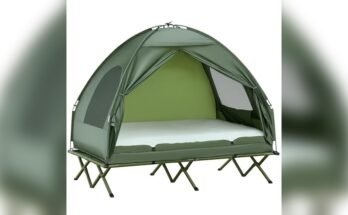
Lightweight tents offer good protection and comfort. They pack small and weigh little. Most tents fit one to three people. Look for tents with easy setup and strong poles. A rainfly helps keep you dry during storms.
Tarp And Hammock Choices
Tarps and hammocks are great for minimalist campers. Tarps provide a simple roof over your head. Hammocks keep you off the wet or rocky ground. Both options are very light and pack small. They need trees or poles to hang from.
Sleeping Bags And Pads
Sleeping bags keep you warm at night. Choose bags with insulation for the season you camp in. Down bags weigh less but cost more. Synthetic bags dry faster if wet. Pads add comfort and insulation from the cold ground. Inflatable or foam pads both work well.
Cooking Gear
Cooking gear is essential for any backpacking trip. It lets you prepare hot meals easily and enjoy fresh food outdoors. The right gear saves space and weight in your backpack.
Choose items that are small but strong. They should pack well and work well on the trail. Compact and lightweight cooking gear makes your trip smoother.
Compact Stoves
Compact stoves are small and easy to carry. They use fuel efficiently and light quickly. Some stoves fold or collapse to save space. Pick one that fits your cooking style and fuel preference.
Look for stoves that offer good heat control. They help you cook meals evenly. A stable base is important for safety on uneven ground.
Cookware Sets
Cookware sets include pots and pans made for backpacking. They are lightweight and often nest inside each other. This nesting design saves room in your pack.
Materials like aluminum or titanium are common. They heat food fast and clean up easily. Choose a set with lids to keep heat in and cook faster.
Utensils And Accessories
Bring utensils that are small and sturdy. A spoon, fork, and knife are basic tools. Some utensils combine two or three tools to save space.
Other useful accessories include a small cutting board, a lighter, and a cleaning sponge. These items help with meal prep and cleanup. Pack only what you really need to keep weight low.
Clothing Essentials
Packing the right clothes is key for a successful camping trip. Clothes must be light but strong. They should protect you from cold, heat, and rain. Choosing smart clothing saves space and keeps you comfortable. Here are the main clothing essentials for your backpack.
Layering Basics
Layering helps you adjust to changing temperatures. Start with a thin base layer to keep sweat away. Add a warm middle layer like fleece or wool. Finish with a waterproof outer layer to block wind and rain. Layers can be added or removed fast. This keeps you dry and warm without too much bulk.
Weather-appropriate Fabrics
Choose fabrics that fit the weather and activity. Synthetic materials dry fast and are light. Wool is warm even when wet and resists odors. Avoid cotton because it holds water and chills you. Quick-dry and breathable fabrics help keep your body temperature steady. This prevents discomfort and illness during your trip.
Footwear Options
Good footwear protects your feet and supports your walk. Hiking boots offer ankle support and grip on rough trails. Trail runners are lighter and dry faster but offer less protection. Carry extra socks to keep feet dry and blister-free. Choose shoes that fit well to avoid pain and injuries.
Navigation Tools
Navigation tools are essential for safe camping trips. They help you find your way in the wild. Carrying lightweight and compact tools saves space in your backpack. These tools keep you on track and prevent getting lost.
Maps And Compasses
Paper maps are reliable and do not need batteries. They show trails, landmarks, and terrain clearly. A compass helps you understand directions easily. Together, they are simple and effective navigation tools. Learning to use them is a useful skill.
Gps Devices
GPS devices provide accurate location details. They work with satellites to show your position. These devices are small and fit in any backpack. They often have extra features like route tracking. Battery life is important for long trips.
Smartphone Apps
Many smartphone apps offer offline maps and navigation. They use GPS to guide you through trails. These apps save space since you already carry your phone. Download maps before leaving for areas with no signal. Keep your phone charged for safety.
Safety And First Aid
Safety is a top priority on any camping trip. Carrying the right first aid and safety gear can protect you from many common problems outdoors. These items should be compact and fit easily in your backpack. Prepare for minor injuries and unexpected situations with simple tools and supplies. This ensures peace of mind and helps you enjoy nature confidently.
Basic First Aid Kit
A small first aid kit is essential for every camper. Include bandages, antiseptic wipes, and adhesive tape. Pack pain relievers and allergy medicine. Carry tweezers for splinters and scissors for cutting. Keep everything in a waterproof pouch. This kit fits easily in your backpack and treats minor cuts or scrapes fast.
Emergency Signaling
Emergency signaling devices help you get attention if lost or hurt. A whistle is loud and light to carry. A small mirror reflects sunlight for long-distance signals. Consider a compact flashlight or headlamp with extra batteries. These tools are vital for safety and fit neatly in your pack.
Insect Protection
Insects can cause bites and irritation. Pack insect repellent sprays or wipes. Use lightweight mosquito nets if camping near water. Wear long sleeves and pants to reduce bites. Choose products that fit in your backpack without adding weight. Insect protection helps you stay comfortable and safe outdoors.
Hydration And Food
Staying hydrated and well-fed is key for any camping trip. Carrying the right gear helps keep energy up and thirst away. Packing smart saves space and weight in your backpack.
Water Filters And Purifiers
Water filters and purifiers make unsafe water drinkable. They remove dirt, bacteria, and parasites from streams or lakes. Compact models fit easily inside a backpack. Some use pump action, others rely on gravity or UV light. Choose one based on trip length and water source. Clean water means fewer health risks and better energy.
Lightweight Food Options
Lightweight food keeps your pack light and your body fueled. Freeze-dried meals are easy to carry and prepare. Trail mix, energy bars, and nuts provide quick energy boosts. Dehydrated fruits add vitamins without extra weight. Pick foods that need little cooking and have a long shelf life. This reduces time spent on meal prep and cooking.
Storage And Packing Tips
Use airtight containers or resealable bags to keep food fresh. Pack meals in small portions to avoid waste. Store food in odor-proof bags to keep animals away. Place heavy items close to your back for better balance. Organize your gear so you can reach snacks and water quickly. Smart packing makes your hiking easier and safer.
Lighting Solutions
Good lighting is essential for any camping trip. It helps you see clearly at night and keeps you safe. Choosing the right lighting that fits easily in your backpack makes your trip smoother. Lightweight and compact options save space and add convenience.
Headlamps
Headlamps free your hands for tasks like cooking or setting up tents. They are small, light, and easy to carry. Look for models with adjustable brightness and a comfortable strap. LED headlamps last longer and use less power.
Lanterns
Lanterns provide soft, wide light around your campsite. Pick compact, collapsible lanterns that pack flat. Battery-powered lanterns are safer and cleaner than fuel ones. Choose models with multiple brightness settings to save energy.
Extra Batteries
Bring extra batteries to avoid running out of light. Store them in a dry, safe place inside your backpack. Rechargeable batteries are eco-friendly and save money over time. Check your devices’ battery type before packing extras.
Multi-tools And Accessories
Multi-tools and accessories are essential for any camping trip. They save space and add convenience. These items fit easily in your backpack. They help you handle many tasks without carrying bulky gear.
Knives And Multi-tools
A good knife is a must-have. It cuts rope, prepares food, and helps with many tasks. Multi-tools combine knives with other useful tools. Pliers, screwdrivers, and scissors often come in one compact device. Choose a lightweight, durable option for easy carrying.
Repair Kits
Small repair kits fix gear problems fast. They include patches for tents and tubes. Needle and thread handle clothing tears. Some kits have duct tape and extra buckles. These kits keep your gear working and avoid big issues on the trail.
Packing Organizers
Packing organizers keep your backpack neat. They separate clothes, gadgets, and food. Using organizers saves time finding things. Lightweight bags or cubes work best. They also protect gear from dirt and damage. Organized packing means less stress on your trip.
Frequently Asked Questions
What Essential Camping Gear Fits Easily In A Backpack?
Essential backpack camping gear includes a compact tent, sleeping bag, portable stove, headlamp, multitool, and hydration system. These items are lightweight and compact, ensuring easy transport and efficient use of space for a comfortable outdoor experience.
How To Choose Lightweight Camping Gear For Backpacking?
Select gear made from durable, lightweight materials like aluminum or titanium. Prioritize multifunctional items and compact designs. Always check weight and packability to ensure comfort and ease during long hikes.
What Are The Best Compact Sleeping Bags For Backpacking?
Best compact sleeping bags are lightweight, compressible, and suitable for the climate. Down or synthetic insulation options provide warmth without bulk. Look for bags with a good temperature rating and easy packability.
Can I Carry Cooking Gear For Camping In A Backpack?
Yes, carry compact cooking gear like a small stove, lightweight pots, and utensils. Opt for items designed for backpacking, which are small, efficient, and easy to clean for convenience.
Conclusion
Packing the right gear makes any camping trip better. Choose items that are light and useful. A good backpack holds all essentials without feeling heavy. Remember to include shelter, food tools, and safety items. Small things can make a big difference outdoors.
Being prepared helps you enjoy nature with less stress. Keep your backpack ready for every adventure ahead. Simple gear, smart choices, great trips.