

Your Nespresso Pixie usually stops working because of power, blockages, water flow, or a simple reset issue.
The Nespresso Pixie Espresso Machine not working can feel frustrating, especially when you just want a fast shot of espresso and the machine suddenly goes silent, blinks, or refuses to brew. I’ve seen this happen many times with compact capsule machines like the Pixie, and the good news is that most problems are fixable at home with a few careful checks. This guide walks you through the most likely causes, the best troubleshooting steps, and the small mistakes that often keep the machine from working properly.

36% off Today’s Exclusive Deals
Limited-time Exclusive Deals. Check current discount on Amazon.
Check Price on Amazon As an Amazon Associate I earn from qualifying purchases.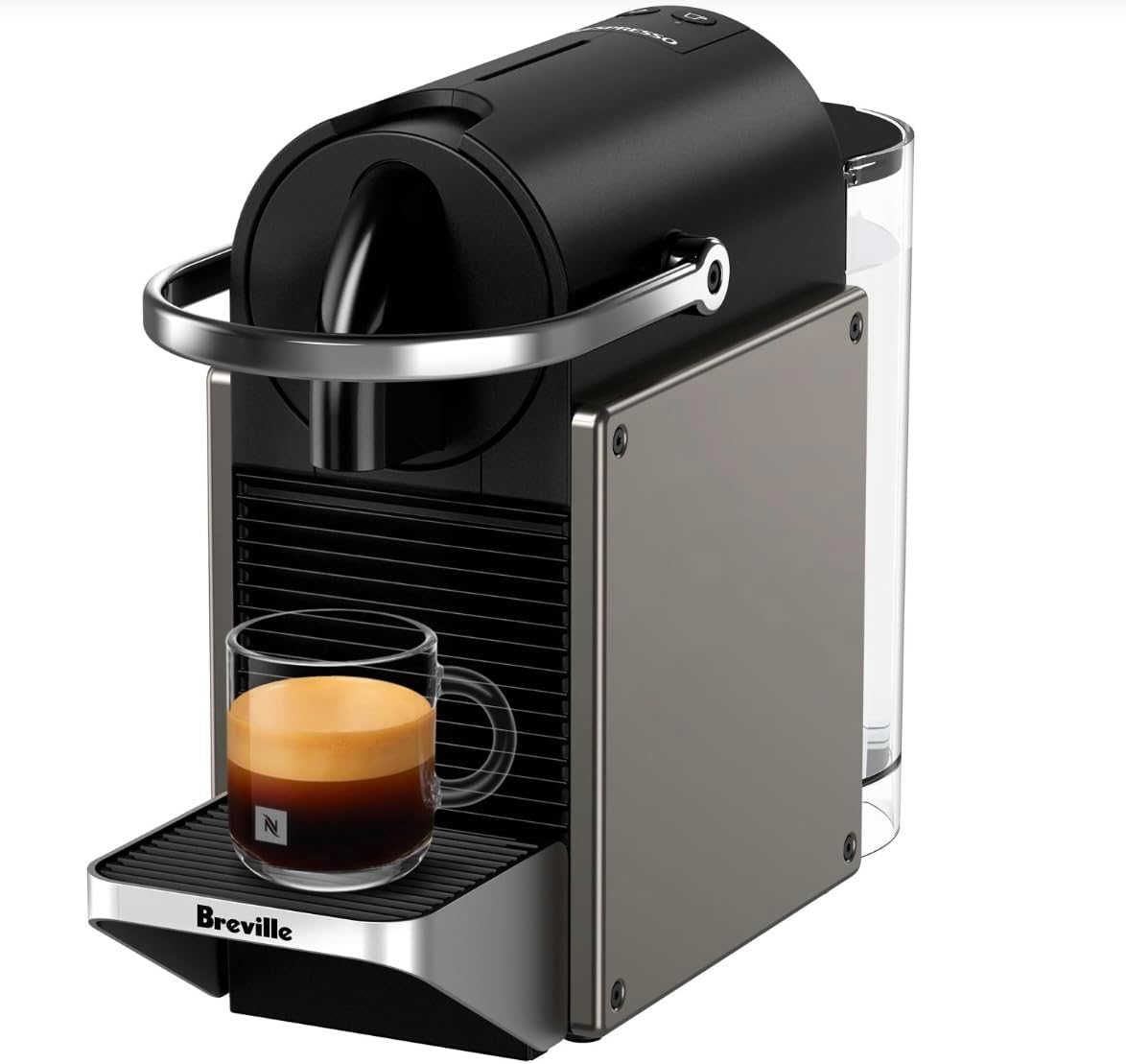
Why your Nespresso Pixie Espresso Machine is not working
The Nespresso Pixie Espresso Machine not working is often tied to a simple issue rather than a major failure. In my experience, the most common culprits are power problems, a clogged water line, an empty or poorly seated capsule, or a machine that needs descaling.
A Pixie is a small machine, so even light buildup can affect performance. Think of it like a narrow straw: if one tiny part gets blocked, the whole flow slows down.
Here are the most common reasons:
- The machine is not getting power
- The water tank is empty or not seated correctly
- The capsule lever is not fully closed
- The capsule chamber is blocked
- The machine needs descaling
- The unit has overheated and shut down for protection
- Internal sensors are not reading correctly
A lot of people assume the machine is dead when it is really just stuck in a safety state. That is why a methodical check saves time and stress.
First things to check when the Pixie will not turn on
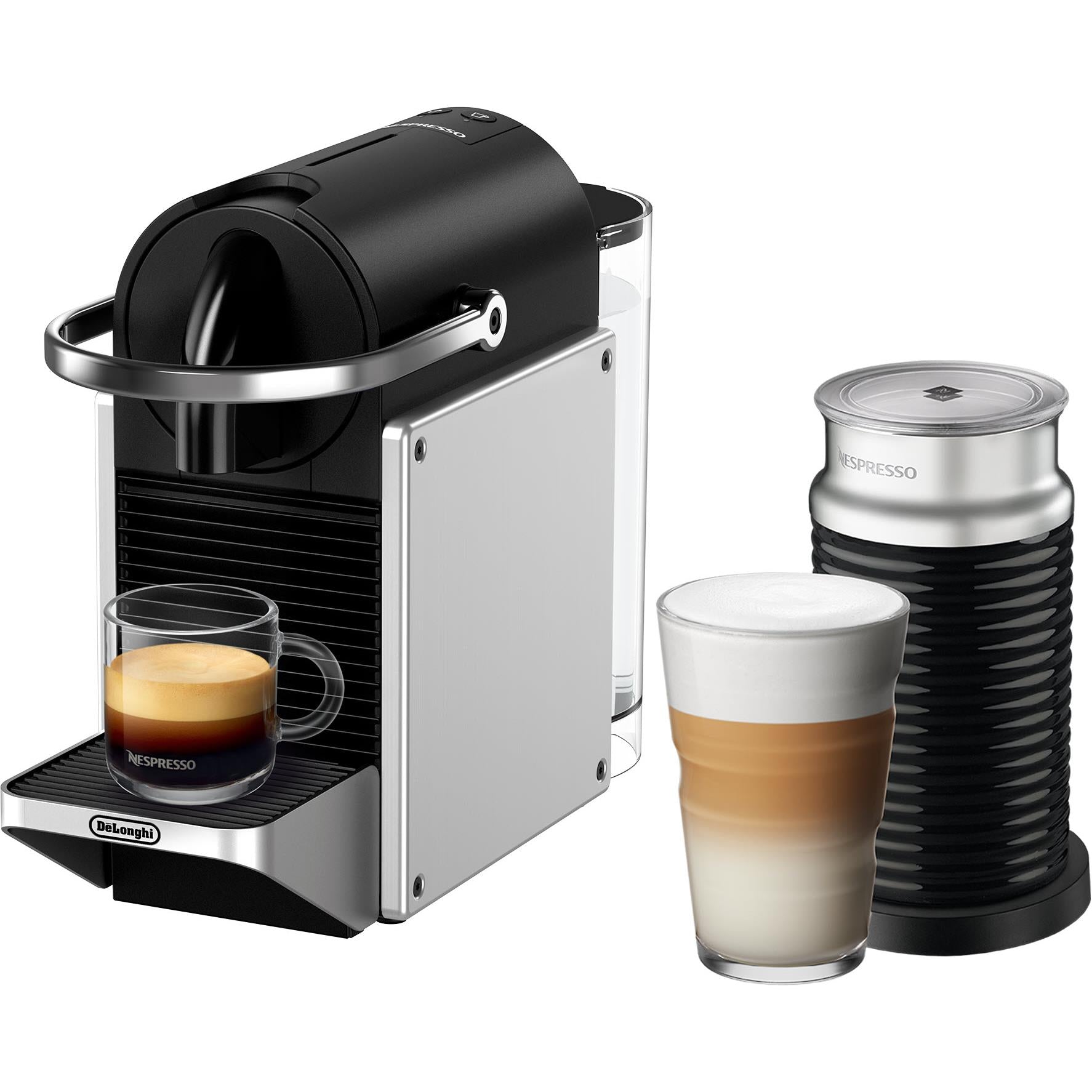
If your Nespresso Pixie Espresso Machine not working starts with no lights, no sound, and no response, begin with power. This is the fastest place to rule out a simple issue.
Check these basics first:
- Make sure the power cord is fully plugged into the outlet and the machine
- Test the wall outlet with another appliance
- Try a different outlet if the first one seems weak
- Inspect the cord for visible damage
- Wait 10 to 15 minutes if the machine may have overheated
The Pixie can enter a protective shutoff if it gets too hot. I once thought a unit had failed completely, only to find it had simply cooled down and started normally later.
If the machine still does not respond, unplug it for a full minute, then plug it back in. This can clear a minor electronics glitch.
Water flow problems that stop the machine from brewing
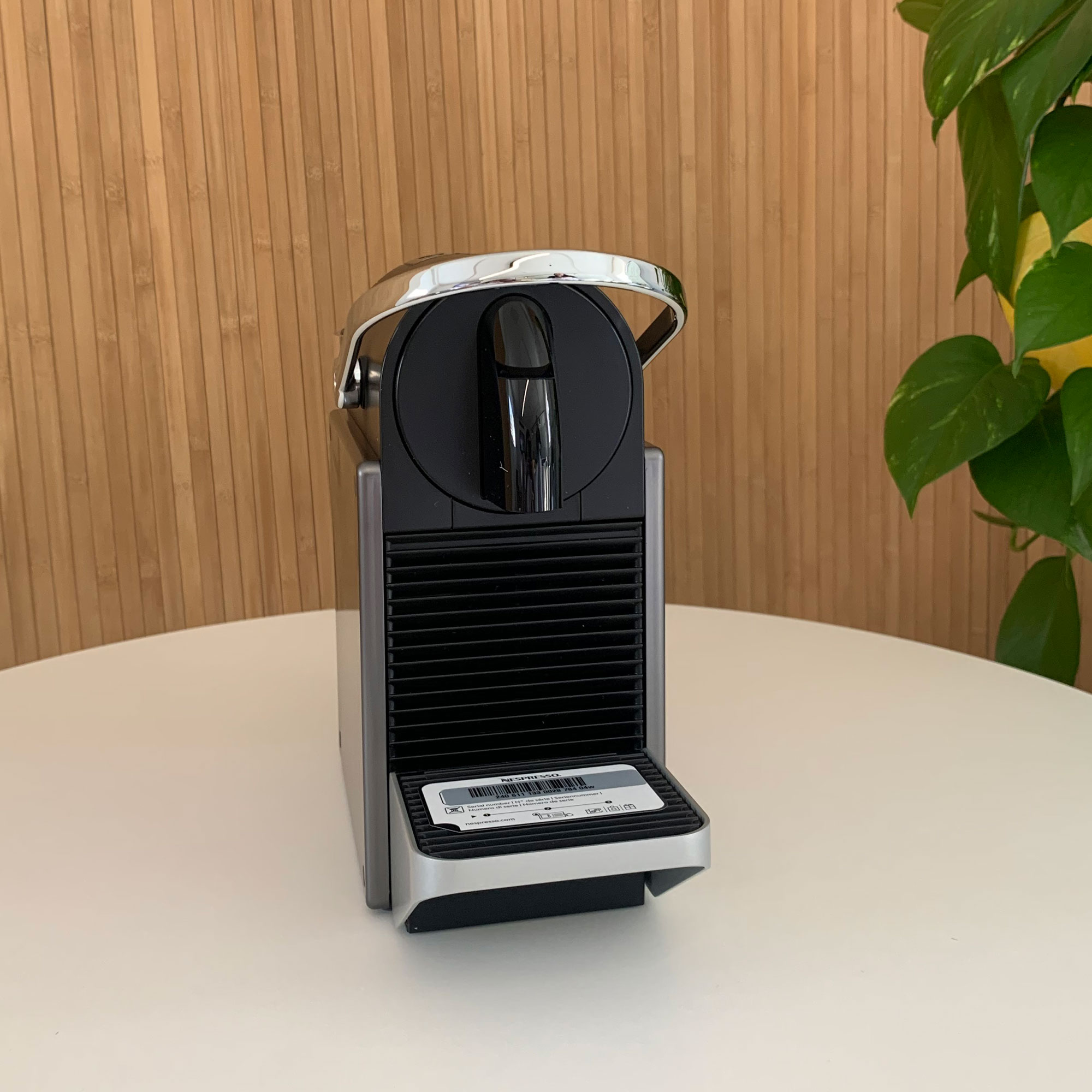
If the machine powers on but water does not come through, the Nespresso Pixie Espresso Machine not working issue may be linked to water flow. This is one of the most common complaints with capsule espresso makers.
Look at the water tank first. Remove it, refill it, and reseat it firmly. If the tank is not lined up correctly, the machine may act like it is empty.
Then check for these signs:
- The pump sounds weaker than usual
- Water drips slowly instead of flowing
– The machine starts brewing, then stops - The cup fills only halfway
If the system seems airlocked, run a water-only cycle without a capsule. This can help prime the pump and push water through the line.
A few tips that help:
- Use fresh, cold water
- Avoid letting the tank run completely dry
- Clean the tank regularly
- Make sure the inlet valve is not blocked
In my own testing, a dry tank is one of the easiest ways to trigger a false fault. Once the pump loses prime, it may need a few runs to recover.
Why the capsule may not pierce or brew properly
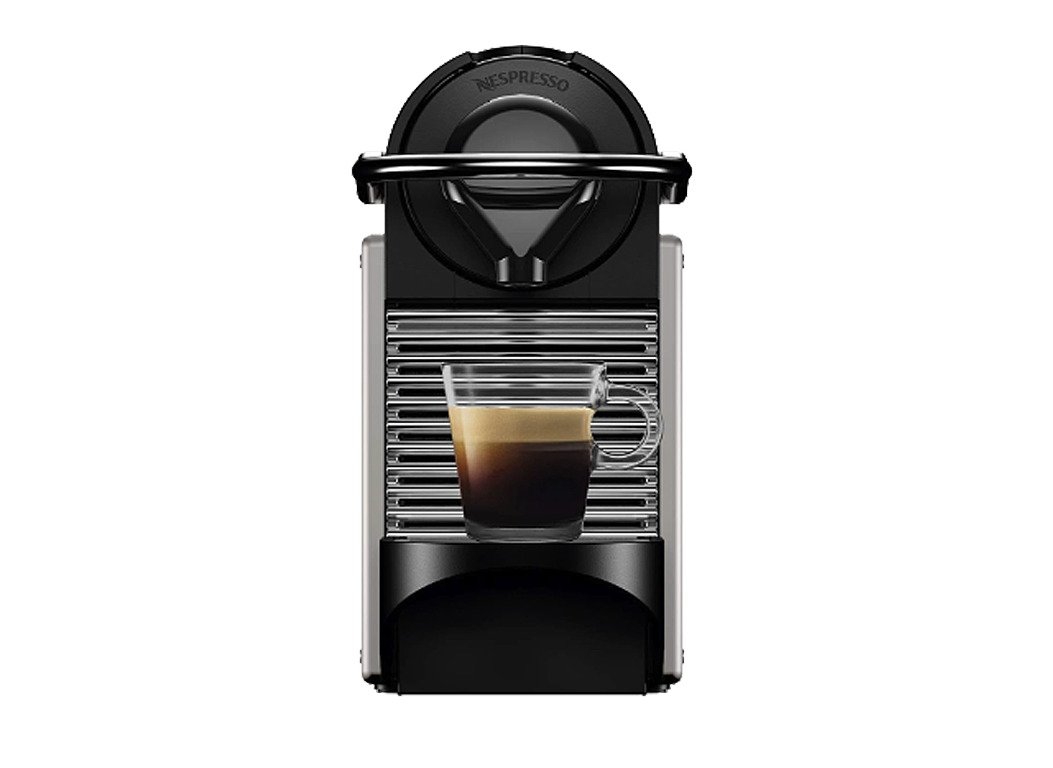
Sometimes the Nespresso Pixie Espresso Machine not working problem is not about power at all. It can be caused by the capsule area.
If the capsule lever does not close all the way, the machine may not pierce the capsule. That means no pressure, no brew, and no espresso.
Check for these issues:
- The capsule is inserted the wrong way
- The used capsule bin is too full
- Coffee grounds are stuck in the brewing chamber
- The lever is not locked down fully
- The capsule is bent or damaged
A full used capsule container can interfere with movement inside the machine. Empty it often, especially if you brew several cups a day.
Also inspect the capsule head for residue. Coffee oils and fine grounds build up over time, and they can block proper puncture and flow. A soft cloth or a damp cotton swab usually helps.
Descaling and mineral buildup issues
Mineral buildup is a big reason the Nespresso Pixie Espresso Machine not working problem shows up over time. If you have hard water, scale can collect inside the heating system and water lines.
Symptoms of scale buildup include:
- Slow brewing
- Weak coffee
- Strange noises during pumping
- Little or no water output
- Flashing lights that signal maintenance
Descaling helps remove limescale so water can move and heat normally. Nespresso recommends descaling based on usage and local water hardness, and that guidance is worth following because heavy buildup can stress the pump and heater.
A safe descaling routine usually includes:
- Use a descaling solution made for espresso machines
- Run the solution through the machine as directed
- Rinse with clean water afterward
- Repeat if the machine has been neglected for a long time
I’ve found that machines ignored for months often seem broken, but they just need a thorough cleaning cycle. It is a bit like unclogging a drain: once the buildup clears, the system often wakes right up.

What the blinking lights mean on a Nespresso Pixie
Blinking lights are the machine’s way of talking to you. If your Nespresso Pixie Espresso Machine not working and the lights flash instead of staying steady, the pattern usually points to a specific issue.
Common light behavior can mean:
- Fast blinking: heating up or error state
- Slow blinking: ready, but waiting for action
- Alternating blinking: descale needed or internal fault
- No light at all: power issue
Because light patterns can vary by model version, it helps to compare what you see with the machine’s manual. If the machine is blinking but not brewing, unplug it for a reset and try again after a short wait.
The key is not to guess too fast. A blinking light often looks scary, but it usually means the machine is trying to tell you something simple.
How to reset the Nespresso Pixie Espresso Machine
A reset can fix small electronic glitches and sensor errors. If the Nespresso Pixie Espresso Machine not working issue seems random, a reset is worth trying before calling for service.
Try this simple reset:
- Turn the machine off
- Unplug it from the outlet
- Wait at least 60 seconds
- Plug it back in
- Turn it on and test with water only
If your machine has been in a strange state, this can clear the error. I treat resets like rebooting a phone: it does not fix every problem, but it solves more than people expect.
If the issue returns right away, the root cause is likely mechanical, not electronic.

Cleaning points that many owners miss
A dirty machine can behave like a broken one. When the Nespresso Pixie Espresso Machine not working issue keeps coming back, small cleaning spots are often the reason.
Focus on these areas:
- The capsule chamber
- The drip tray
- The water tank and tank base
- The coffee outlet
- The used capsule container
- The exterior button area
Use a soft, damp cloth and avoid harsh scrubbing. Never soak the base or expose the electrical parts to water.
One mistake I see often is people cleaning the outside but ignoring the brewing head. That is where old coffee oils love to hide, and those oils can affect both taste and machine performance.
When the problem may be internal
If you have tried power checks, water flow checks, cleaning, descaling, and reset steps, the Nespresso Pixie Espresso Machine not working problem may be internal. That can include pump wear, valve issues, sensor faults, or electrical failure.
Signs it may need professional help:
- It powers on but never heats
- The pump runs but no water moves
- Error lights return after every reset
- The machine leaks from the base
- There is a burning smell or loud buzzing
At that point, home troubleshooting has reached its limit. For safety, stop using the machine and contact support or a qualified repair service.
This is where trust matters. If a machine shows signs of electrical damage or leakage, do not keep testing it repeatedly.
How to prevent future problems
The best fix is prevention. A Nespresso Pixie Espresso Machine not working issue is much less likely if you keep up with routine care.
Good habits include:
- Empty the used capsule bin often
- Refill the water tank before it runs dry
- Descale on a regular schedule
- Use clean, fresh water
- Wipe the brewing area after use
- Run a water-only rinse from time to time
I also recommend watching for small changes in speed or noise. Machines usually give warning signs before they fail. A little attention early can save a lot of annoyance later.
Frequently Asked Questions of Nespresso Pixie Espresso Machine not working
Why is my Nespresso Pixie turning on but not brewing?
This usually means the machine has power, but something is blocking the brewing process. Check the capsule, the lever, the water tank, and the capsule chamber for buildup or misalignment.
Why is my Nespresso Pixie blinking but not working?
Blinking lights often point to heating, descaling, or an error state. Try a reset first, then check whether the machine needs descaling or a better water tank fit.
How do I know if my Nespresso Pixie needs descaling?
If the coffee is weaker, the brew is slower, or the machine makes odd noises, scale buildup may be the issue. Hard water areas often need descaling more often than soft water areas.
Why does my Pixie stop mid-cycle?
This can happen if the water tank is low, the pump loses prime, or the machine overheats. It may also stop if internal scale or a blocked capsule chamber is restricting flow.
Can I fix a Nespresso Pixie that is not working at home?
Yes, many problems can be fixed with simple steps like checking power, cleaning the chamber, refilling the tank, and descaling. If you see leaks, burning smells, or repeated error lights, it is safer to get professional help.
Conclusion
The Nespresso Pixie Espresso Machine not working problem is usually caused by something simple, like power, water flow, a blocked capsule area, or mineral buildup. Once you check those basics in order, the machine often starts working again without much trouble.
The main lesson is to stay calm and troubleshoot one step at a time. Small espresso machines are a bit like tight little roads: when one lane is blocked, traffic stops fast, but the fix is often easy once you find the block.
If your Pixie is acting up, start with the simplest checks today, then move to cleaning and descaling if needed. And if the machine still refuses to work, contact support or a repair professional so you can get back to your coffee routine with less guesswork.

