

Most common Northstar water softener issues are simple and fixable with basic maintenance.
I have worked with household water systems for years and have helped homeowners diagnose and fix many softener problems. This Northstar Water Softener Troubleshooting Guide gives clear steps, checks, and fixes you can use today. Read on to learn how your Northstar system works, how to spot symptoms, when to DIY, and when to call a pro. The guidance mixes practical repair tips, my real-world experience, and trusted troubleshooting methods so you can restore soft water fast.

36% off Today’s Exclusive Deals
Limited-time Exclusive Deals. Check current discount on Amazon.
Check Price on Amazon As an Amazon Associate I earn from qualifying purchases.
How Northstar Water Softeners Work
A Northstar water softener removes calcium and magnesium from water. It does this with resin beads that swap hard minerals for sodium or potassium ions. The system runs a regeneration cycle to flush the resin and recharge it with salt. Most models use a control valve to time regenerations and monitor use.
Knowing how the system works helps you find the problem fast. If soft water is gone, the issue is often salt, an interrupted regen, or a worn valve. This Northstar Water Softener Troubleshooting Guide uses that basic process to guide tests and fixes.
Common Problems and Underlying Causes
Below are the issues you will most likely see in a Northstar Water Softener Troubleshooting Guide, with causes and quick actions.
-
No soft water
- Cause: Low salt level, stuck bypass valve, failed regen, or clogged injector.
- Quick fix: Check salt, ensure unit is in service, and try a manual regen.
-
Salt taste or salty water
- Cause: Overfilling, brine draw problems, or a stuck brine valve.
- Quick fix: Check for salt bridging and run extra rinses.
-
Salt bridge
- Cause: Moisture compacts salt into a hard crust.
- Quick fix: Break up the bridge with a broom handle or scoop; avoid sharp tools.
-
Unit is leaking
- Cause: Loose fittings, cracked brine tank, or damaged seals.
- Quick fix: Tighten fittings and inspect seals. Replace damaged parts.
-
Frequent regeneration or high salt use
- Cause: Wrong hardness setting, resin problems, or plumbing leaks.
- Quick fix: Verify hardness setting and check for visible leaks or bypass flow.
-
No regeneration cycle
- Cause: Timer/control failure, power loss, or blocked drain.
- Quick fix: Check power, review control settings, and inspect drain line.
-
Resin problems (cloudy water or reduced softening)
- Cause: Resin exhaustion or fouling from iron or chlorine.
- Quick fix: Test for iron and consider resin cleaning or replacement.
This Northstar Water Softener Troubleshooting Guide focuses on these common causes. Most fixes are simple and low-cost if diagnosed early.
Step-by-Step Troubleshooting Guide
Follow these steps to find and fix most Northstar softener issues. Work from simple checks to more detailed tests.
- Confirm the problem
- Check a faucet for hard water with a quick soap test. Hard water leaves soap scum and won’t lather well.
- Inspect the salt level
- Open the brine tank. Salt should be above the water line but not full to the top.
- Look for a salt bridge
- Tap the salt surface. If it rings like a drum, break the crust carefully.
- Check the bypass valve
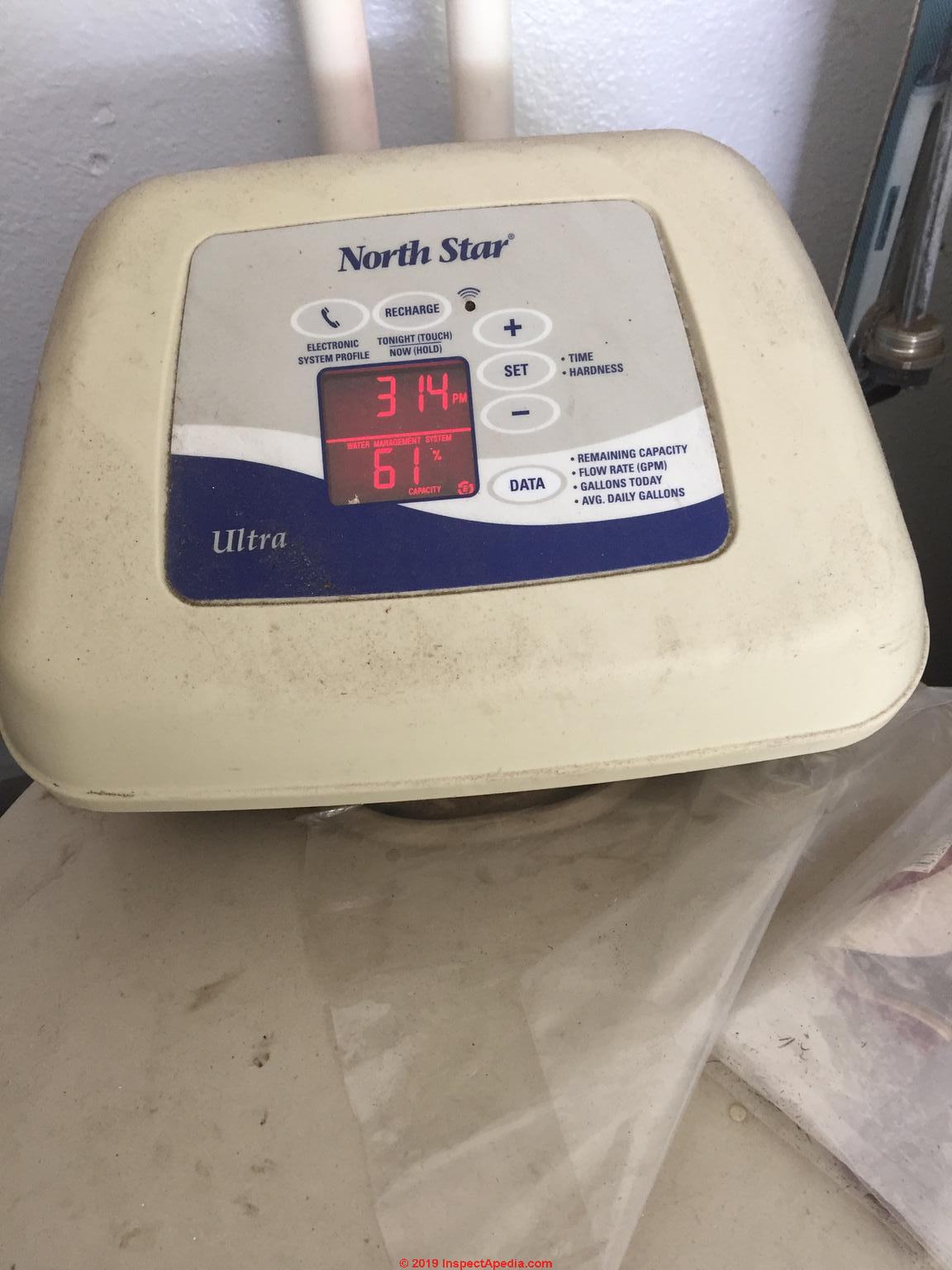
- Ensure the unit is set to “service” and not on bypass.
- Run a manual regeneration
– Start a regen from the control head. Watch for movement through the cycle. - Inspect the drain and brine line
- Make sure the drain isn’t clogged and the brine line is clear.
- Clean the injector and nozzle
- A clogged injector blocks brine draw. Clean or replace small plastic parts.
- Test control head and timer
- Confirm programming and power. Replace batteries or repair wiring if needed.
- Check resin condition
- If resin is old or fouled, plan for cleaning or replacement.
Tools you may need
- Screwdrivers and pliers
- Wrench set
- Salt scoop
- Multimeter for electrical checks
- Small brush and vinegar for cleaning injector parts
Use this structured approach in the Northstar Water Softener Troubleshooting Guide to isolate the fault quickly. Working step-by-step avoids unnecessary part swaps.
DIY Repairs and Regular Maintenance
Good maintenance prevents most problems in this Northstar Water Softener Troubleshooting Guide. Follow these practical tips.
-
Monthly tasks
- Check salt level and top up with recommended salt type.
- Look for salt bridges and break them if needed.
-
Quarterly tasks
- Clean the brine tank with mild soap and rinse.
- Inspect fittings and hoses for wear or leaks.
-
Annual tasks
- Clean the control valve screen and injector.
- Test water hardness to confirm settings.
- Consider a professional service if iron or sulfur is present.
Personal tip from experience
I once fixed a softener that never regenerated. The injector was clogged with sand. A 15-minute clean restored normal cycles and saved a costly valve replacement. Small cleanings prevent big headaches.
When to replace parts
- Replace seals and O-rings at the first sign of leak or wear.
- Replace resin when cleaning won’t restore performance. Resin usually lasts 10–15 years depending on water quality.
Follow these maintenance steps from the Northstar Water Softener Troubleshooting Guide to keep your system reliable.
Error Messages and Control Head Alerts
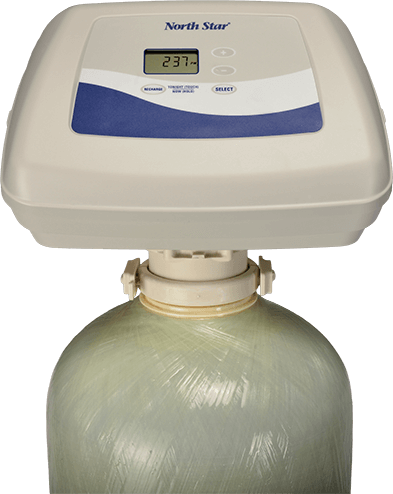
Most Northstar systems use simple displays or lights. The exact messages can vary by model. Here are common alerts and how to respond.
- No power or dead clock
- Action: Check electrical connection and backup battery. Reset time and settings.
- Service or check light
- Action: Inspect for bypass, low salt, or stuck regen. Run manual regen.
- Low salt indicator
- Action: Add salt. Clear salt bridge and run a regeneration.
- Continuous regen or long regen
- Action: Check drain for blockage and control valve for issues.
If your model shows a numeric error, consult the product manual for precise meanings. If you cannot find the manual, reset the control and run a manual regen. Persistent errors usually mean the control valve or timer needs repair.
When to Call a Professional
Not all repairs are DIY. Call a licensed technician when you see these signs.
- Persistent hard water after checks and manual regen
- Electrical or control board failures
- Major leaks or cracked tanks
- Resin replacement or complex plumbing work
- Unit is under warranty and repair may void coverage
A pro has tools to test resin, measure brine draw accurately, and handle warranty work. Use the Northstar Water Softener Troubleshooting Guide to gather observations before the visit. Clear notes save time and money.
Parts, Tools, and Typical Replacement Costs
Knowing parts and costs helps you plan repairs found in the Northstar Water Softener Troubleshooting Guide.
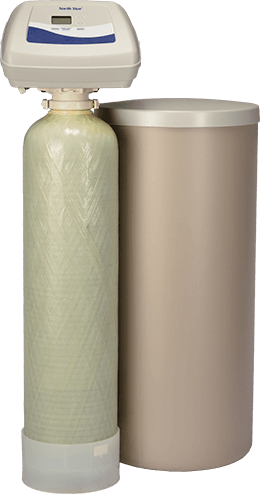
- Control valve or control head
- Typical cost range: $150 to $450 depending on model and features.
- Resin tank or resin bead replacement
- Typical cost range: $100 to $500 for resin plus labor.
- Brine tank
- Typical cost range: $80 to $250.
- Injector/nozzle and seals
- Typical cost range: $10 to $60 for small parts.
- Labor
- Typical service call: $75 to $150. Major repairs cost more.
Tools to keep on hand
- Multimeter for electrical checks
- Wrench set and pliers
- Small brush and vinegar for cleaning parts
- Salt scoop and wet/dry vac for bridging issues
Prices vary by region and vendor. Use this section of the Northstar Water Softener Troubleshooting Guide to set realistic expectations.
Tips to Extend Lifespan and Improve Performance
Small habits make a big difference for your Northstar softener. Follow these points regularly.
- Use the right salt type
- Pellet or crystal salt reduces bridging. Avoid rock salt when possible.
- Keep the brine tank dry above the waterline
- Excess moisture causes bridging and clumps.
- Maintain a pre-filter on the house inlet
- This protects resin from sediment and iron fouling.
- Program hardness properly
- Set the unit to match your water test results and household use.
- Inspect once a month
- Quick checks find problems early and save money.
These tips come from hands-on work with many systems. They are core parts of any Northstar Water Softener Troubleshooting Guide aimed at longevity and reliable soft water.
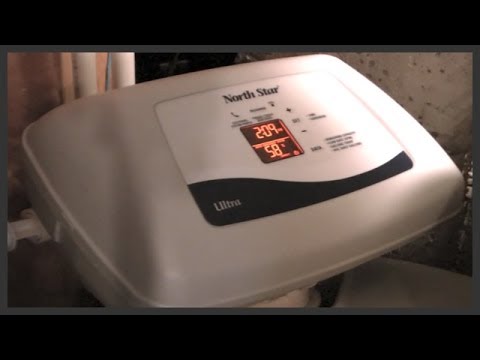
Troubleshooting Checklist (Quick Reference)
Use this checklist when you need fast answers from the Northstar Water Softener Troubleshooting Guide.
- Confirm hard water with a soap test
- Check the bypass valve position
- Verify salt level and look for a salt bridge
- Run a manual regeneration cycle
- Inspect drain line and brine line for blockages
- Clean injector/nozzle and control valve screen
- Check control settings and power
- Test for iron or chlorine that can foul resin
- Call a professional if problems persist after these steps
Keep this checklist near the unit for quick diagnostics.
Frequently Asked Questions of Northstar Water Softener Troubleshooting Guide
Why is my Northstar water softener not regenerating?
Check the power and control settings first. Also confirm the bypass valve is closed and the brine tank has enough salt.
How often should I add salt to my Northstar softener?
Most homes add salt every 4 to 6 weeks. Frequency depends on water hardness and household water use.
How do I clear a salt bridge safely?
Tap the surface gently with a broom handle and break the crust into pieces. Avoid sharp tools that can damage the tank.
Can I clean the resin myself?
Minor cleaning for iron fouling can be DIY using recommended resin cleaners. For full resin replacement or severe fouling, hire a pro.
When does the resin need to be replaced?
Replace resin when cleaning does not restore softening or if the resin is more than 10–15 years old. Tests can confirm resin efficiency.
How do I reset my Northstar water softener?
Reset steps vary by model; generally power-cycle the unit and follow the control head prompts. If unsure, consult the user manual or your installer.
Why does my softener make noise during regeneration?
Normal regen has flowing and draining sounds. Loud banging or continuous noise may indicate a stuck valve or obstructed drain.
Conclusion
This Northstar Water Softener Troubleshooting Guide gives step-by-step checks, common fixes, and clear signs when to call for help. Use the checklist and maintenance tips to prevent problems before they start. Start with simple checks like salt level and bypass position, run a manual regen, and clean small parts. If issues persist, gather your observations and call a professional for a fast, cost-effective repair. Try these steps today, and leave a comment with your experience or questions to get tailored advice.

