

Most Whirlpool softener issues stem from low salt, salt bridges, or incorrect settings.
I have worked with water treatment systems for years. I know Whirlpool softeners inside out. This guide on Whirlpool Softener Troubleshooting walks you through common faults, clear fixes, and real steps you can do at home. Read on to save time and avoid needless service calls.

36% off Today’s Exclusive Deals
Limited-time Exclusive Deals. Check current discount on Amazon.
Check Price on Amazon As an Amazon Associate I earn from qualifying purchases.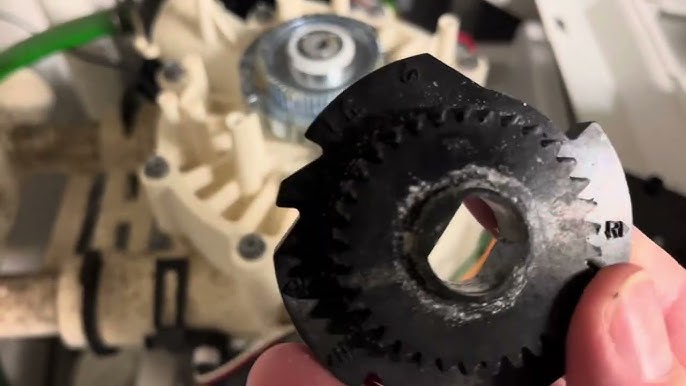
Common problems and quick fixes
Whirlpool Softener Troubleshooting often starts with simple checks. Many faults show clear signs like no soft water or low flow. Begin with the basics before calling a technician.
Common causes to check first:
- Salt low or empty: Refill the tank with the correct salt type.
- Salt bridge: Tap the tank gently and break crusts.
- Bypass valve: Ensure the valve is not in bypass mode.
- Power or clock error: Verify the unit has power and the control display is set.
- Ongoing regeneration: Look for continuous or failed regen cycles.
Quick fixes you can do:
- Add water softener salt and clear clumped salt.
- Restart the control by unplugging for 30 seconds.
- Run a manual regeneration cycle.
- Move the bypass to service position and test water flow.
- Clean the brine well and check for debris.
These basic steps fix many issues in Whirlpool Softener Troubleshooting. Try them first to narrow the problem.
Step-by-step troubleshooting guide
Follow this ordered checklist for Whirlpool Softener Troubleshooting. Work from easiest to hardest. Keep notes as you go.
Step 1 — Check salt level and salt condition
- Open the brine tank. Look for crystals or a hard crust.
- Break any salt bridge with a broom handle or similar tool.
- Refill with high-purity softener salt if needed.
Step 2 — Inspect the control settings
- Confirm time of day is correct.
- Check hardness setting and regeneration schedule.
- Reset to factory defaults if settings are corrupted.
Step 3 — Run a manual regeneration
- Start a regen from the control panel.
- Watch for normal cycle progression: fill, brine draw, rinse.
- If the cycle stalls, record the stage where it stops.
Step 4 — Verify power and electronics
- Ensure the unit is plugged in and outlet works.
- Check for error codes on the display.
- Replace batteries if the clock or memory fails.
Step 5 — Test water at point of entry and exit
- Measure hardness before and after the softener.
- If hardness is present after a regen, resin or valve may fail.
- If hardness is only at certain taps, check plumbing bypasses.
Step 6 — Inspect valve and motor
- Listen for unusual noise during regeneration.
- Check for stuck or jammed rotor pieces.
- Lubricate O-rings and seals with approved products.
PAA-style questions (short, direct answers)
How do I know if my Whirlpool softener is regenerating?
A regen cycle runs on schedule, and you can hear water and motor action. Check the display for a regen indicator and test softened water after the cycle.
What causes a salt bridge and how do I fix it?
High humidity and poor-quality salt cause a hard crust in the tank. Break the bridge gently and replace salt with pellet or solar salt.
Why is my softener stuck in continuous regeneration?
A faulty control board, stuck valve, or miswired sensor often causes continuous regen. Power-cycle the unit and inspect the control and valve assembly.
This step-by-step guide helps you handle most Whirlpool Softener Troubleshooting tasks safely and efficiently.

Maintenance tips to prevent issues
Good upkeep reduces the need for Whirlpool Softener Troubleshooting. Follow a few simple habits.
Monthly tasks:
- Check salt level and add salt when low.
- Visually inspect the brine tank for bridges.
- Record any unusual sounds during cycles.
Quarterly tasks:
- Clean the brine tank with mild soap and water if slime builds up.
- Check for leaks around valves and hoses.
- Replace worn O-rings and small parts as needed.
Annual tasks:
- Have the resin bed tested if softening capacity drops.
- Replace control batteries and run a full diagnostic.
- Consider a professional tune-up if your area has very hard water.
These routines stop most common problems. Simple maintenance saves money and keeps your softener running well.
When to call a technician
Some problems go beyond DIY Whirlpool Softener Troubleshooting. Call a pro when you see these signs.
When to call:
- Control board error codes that you cannot clear.
- Mechanical failures like a broken motor or gear.
- Resin contamination indicated by iron or sludge in the tank.
- Persistent low pressure or flow after basic checks.
- Repeated regeneration failures despite resets.
What a technician will do:
- Run diagnostics with manufacturer tools.
- Replace worn valves, motors, or control boards.
- Flush and replace resin if it is fouled.
- Check plumbing integration and bypass valves.
If you are unsure, a qualified technician can prevent further damage and ensure correct parts are used.

Parts, tools, and replacement guide
Having the right parts speeds Whirlpool Softener Troubleshooting. Keep common items on hand.
Essential parts:
- Food-grade softener salt (pellet or solar).
- O-rings, seals, and valve lubricants.
- Control board or timer replacement kit.
- Resin bed (if replacement is needed after years of use).
Basic tools:
- Small flashlight for inspecting tanks.
- Broom handle or plastic stick to break salt bridges.
- Adjustable wrench and pliers for valve work.
- Multimeter to check power and continuity.
How to replace common parts:
- O-rings: Turn off water, relieve pressure, swap rings, and test for leaks.
- Control board: Follow manual instructions, power off, and label wires before disconnecting.
- Resin: Drain tank, remove resin, add new resin per volume specifications.
Having parts and tools makes Whirlpool Softener Troubleshooting faster and safer. Always use OEM or compatible parts.
Troubleshooting examples and real-life tips
I once fixed a Whirlpool softener that cycled constantly. The owner had low salt and a warped float valve. I cleaned the tank and replaced the float. The unit ran like new.
Lessons I learned:
- Always check salt condition first. It solves many issues.
- Take photos before disassembling. Reassembly is easier.
- Keep a small log of regenerations and errors.
Common mistakes to avoid:
- Using road salt or household salt with impurities.
- Forcing parts or using metal tools inside plastic tanks.
- Skipping the bypass test — sometimes the softener is bypassed without notice.
These stories show how simple checks can save time and money when doing Whirlpool Softener Troubleshooting.

Frequently Asked Questions of Whirlpool Softener Troubleshooting
How often should I add salt to my Whirlpool softener?
Add salt when the level falls below half the brine tank. Most homes refill every 6 to 8 weeks, depending on water use and hardness.
What salt type is best for Whirlpool softeners?
Use high-purity pellet or solar salt made for water softeners. Avoid rock salt with impurities that cause bridging and resin fouling.
My softener shows an error code; what should I do?
Power-cycle the unit first and consult the manual for the code meaning. If the code persists, call a certified technician.
Why is my water still hard after regeneration?
Check the bypass valve, salt level, and resin condition. If those are fine, the control valve or resin may need service or replacement.
Can I clean the resin bed myself?
Minor cleaning is possible, but full resin replacement is complex and heavy. For severe fouling, a professional replacement is safer and more effective.
Conclusion
Whirlpool Softener Troubleshooting is often a matter of systematic checks and simple fixes. Start with salt, settings, and regeneration. Move on to valve and control checks, then call a pro for complex electrical or resin issues. Take one step at a time, keep a maintenance log, and act early to prevent big problems. Try the tips here, subscribe for updates, or leave a comment about your Whirlpool softener experience.

