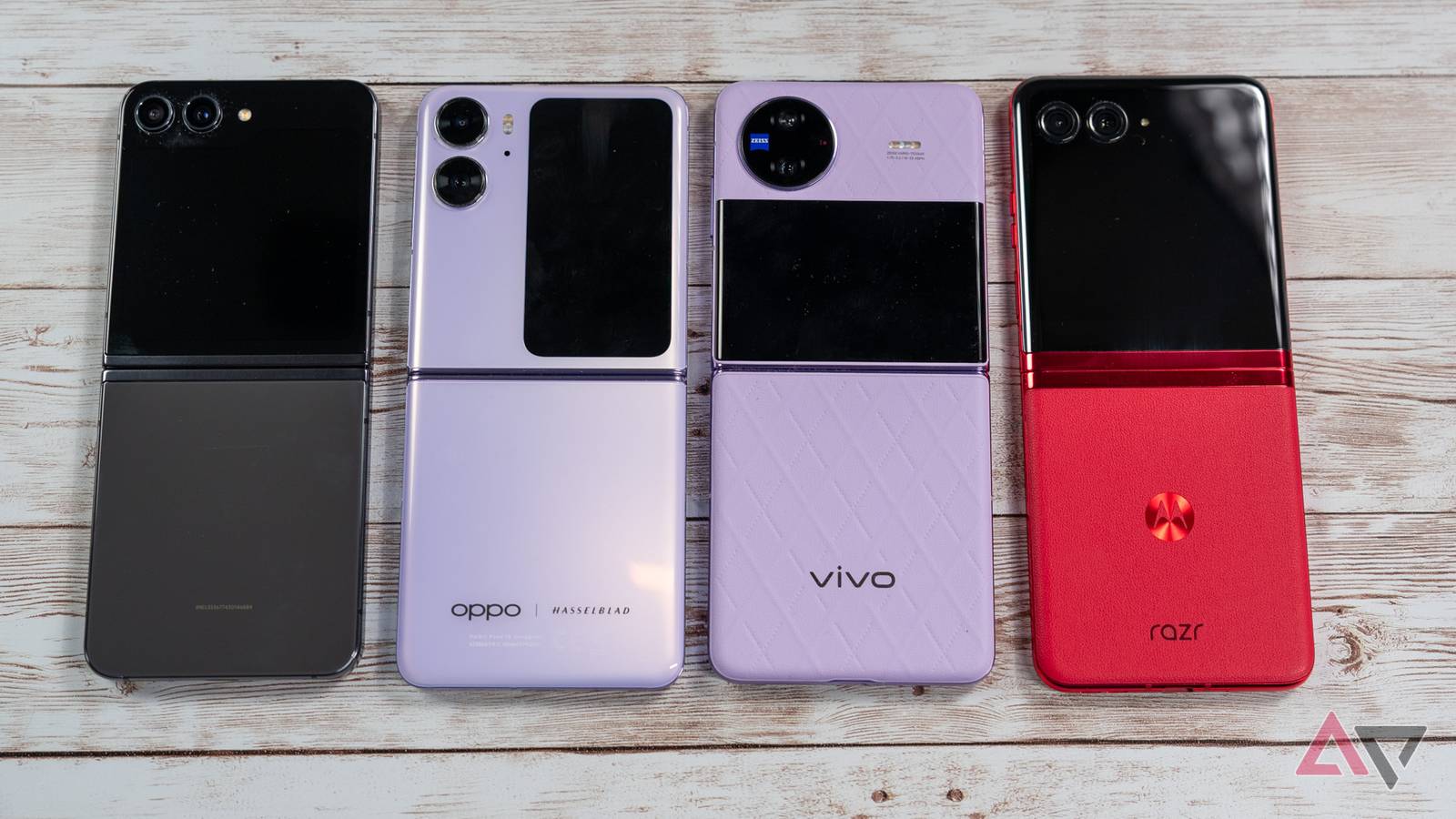
Choosing a foldable phone is not easy. Today, two big names stand out: Oppo Find N3 Flip and Vivo X Flip. Both are innovative, stylish, and powerful. But which one is better for you? Whether you are looking for a compact design, high-quality cameras, or long battery life, this comparison will help you decide. We will look at design, display, performance, camera, battery, software, and unique features. You will also find clear tables, practical advice, and answers to common questions. By the end, you will have a clear idea which flip phone fits your needs.
Design And Build Quality
The design of a flip phone matters a lot. You want something that feels good in your hand, opens smoothly, and looks modern. Both Oppo and Vivo focus on style and durability, but there are key differences.

36% off Today’s Exclusive Deals
Limited-time Exclusive Deals. Check current discount on Amazon.
Check Price on Amazon As an Amazon Associate I earn from qualifying purchases.Oppo Find N3 Flip
The Oppo Find N3 Flip has a polished look with a glass and aluminum body. Its rounded edges make it comfortable to hold. The hinge is strong and tested for over 400,000 folds, which means it should last for years. Oppo offers three colors: Moonlight Gold, Mist Rose, and Astral Black. The phone feels premium, and it is a bit heavier than its rivals at 198 grams. The cover screen is vertical, making it easy to check notifications and use quick features.
Vivo X Flip
The Vivo X Flip is slightly lighter at 189 grams. Its design is more minimal, with a flat edge and a glossy finish. Vivo uses a similar glass and metal combo, but the hinge is less pronounced. The phone feels slim and fits easily in your pocket. It comes in Purple, Gold, and Black. The cover screen is horizontal and wider, which looks more like a mini phone. This makes it easier to preview photos and control music.
Durability
Both phones have no official IP rating, so they are not fully waterproof. But their hinges are tested for durability. Some users report that Oppo’s hinge is a bit firmer, while Vivo’s is smoother but slightly less sturdy.
| Feature | Oppo Find N3 Flip | Vivo X Flip |
|---|---|---|
| Weight | 198g | 189g |
| Hinge Test | 400,000 folds | 300,000 folds |
| Colors | 3 options | 3 options |
| Cover Screen | Vertical, 3.26″ | Horizontal, 3.0″ |
Display Quality
Display is a key factor, especially for foldables. You want a clear, bright screen that folds without creasing too much. Let’s see how Oppo and Vivo compare.
Main Screen
Both phones use AMOLED technology for the main screen. This means deep blacks and bright colors. The Oppo Find N3 Flip has a 6.8-inch display, while the Vivo X Flip has a 6.74-inch screen. Oppo’s screen is just a bit bigger, but both are sharp with over 1080 x 2520 pixels resolution.
Refresh rate is important for smooth scrolling. Oppo offers 120 Hz, and Vivo matches this. You will notice fast, fluid movement, which is great for gaming and videos.
Cover Screen
The cover screen is useful for quick tasks. Oppo’s is vertical, so you can scroll notifications easily. Vivo’s is wider, making it better for watching short videos or previewing selfies.
Crease
Foldable phones often have a crease in the middle. Oppo’s crease is less visible because of its improved hinge design. Vivo’s crease is a bit deeper, but not too distracting.
Brightness And Outdoor Use
Oppo’s main screen can reach up to 1200 nits brightness, while Vivo’s goes up to 1100 nits. This means both are readable in sunlight, but Oppo is slightly better.
| Feature | Oppo Find N3 Flip | Vivo X Flip |
|---|---|---|
| Main Screen | 6.8″ AMOLED | 6.74″ AMOLED |
| Resolution | 1080 x 2520 | 1080 x 2520 |
| Refresh Rate | 120 Hz | 120 Hz |
| Brightness | 1200 nits | 1100 nits |
| Cover Screen | 3.26″ Vertical | 3.0″ Horizontal |
Performance And Hardware
A foldable phone should be fast and reliable. Both Oppo and Vivo use high-end processors, but there are differences in RAM, storage, and extra features.
Oppo Find N3 Flip
Oppo uses the MediaTek Dimensity 9200 chipset. This is a flagship processor, similar to Snapdragon 8 Gen 2 in speed. The phone comes with 12 GB RAM and 256 GB or 512 GB storage. There is no microSD slot, so you cannot expand storage. The Dimensity 9200 is good for gaming, multitasking, and AI tasks.
Vivo X Flip
Vivo uses Snapdragon 8+ Gen 1. This is a slightly older chip but still fast. Vivo offers 12 GB RAM and 256 GB or 512 GB storage. Like Oppo, there is no microSD card slot. Snapdragon chips are well-known for stability and power efficiency.
Cooling And Heat Management
Oppo uses a vapor chamber for cooling. Vivo relies on a graphite cooling system. Both keep the phone from getting too hot during heavy use, but Oppo’s system is a bit more advanced.
Biometrics
Both phones have a side-mounted fingerprint sensor and face unlock. Oppo’s fingerprint sensor is a bit quicker, but the difference is small.
| Feature | Oppo Find N3 Flip | Vivo X Flip |
|---|---|---|
| Processor | Dimensity 9200 | Snapdragon 8+ Gen 1 |
| RAM | 12 GB | 12 GB |
| Storage | 256/512 GB | 256/512 GB |
| Expandable Storage | No | No |
| Fingerprint Sensor | Side-mounted | Side-mounted |
Camera System
Foldable phones are not just about looks—they also need great cameras. Both Oppo and Vivo focus on quality, but Oppo stands out with extra features.
Oppo Find N3 Flip
Oppo uses a triple camera setup on the back:
- 50 MP main camera (Sony IMX890 sensor)
- 8 MP ultra-wide
- 32 MP telephoto
This is unique because most flip phones have only two cameras. The main camera takes sharp photos in daylight and low light. The telephoto lens is good for portraits and zoom. The ultra-wide is decent, but not as sharp as the main sensor.
Oppo also partners with Hasselblad for color tuning. Photos look natural and rich. The cover screen can be used for selfies, making it easy to get high-quality shots without opening the phone.
Vivo X Flip
Vivo has a dual camera setup:
- 50 MP main camera (IMX866 sensor)
- 12 MP ultra-wide
The main camera is strong, with vivid colors and good details. The ultra-wide lens is wider than Oppo’s, so it’s better for group photos. Vivo does not offer a telephoto lens.
Vivo uses Zeiss optics for color tuning. This gives photos a blue tint, which some people like.
Front Camera
Both phones have a 32 MP front camera. This is good for video calls and selfies. But using the cover screen for selfies with the main camera produces better results.
Video
Oppo can record up to 4K at 60 fps. Vivo supports 4K at 30 fps. Oppo’s video stabilization is stronger, so videos are smoother.
Camera Features
Oppo has more camera modes, including pro mode, night mode, and portrait mode. Vivo keeps it simple but offers strong beauty filters.
| Feature | Oppo Find N3 Flip | Vivo X Flip |
|---|---|---|
| Main Camera | 50 MP (IMX890) | 50 MP (IMX866) |
| Ultra-Wide | 8 MP | 12 MP |
| Telephoto | 32 MP | None |
| Front Camera | 32 MP | 32 MP |
| Video Max | 4K @ 60 fps | 4K @ 30 fps |

Battery Life And Charging
Flip phones are small, so battery life is always a concern. Both Oppo and Vivo try to offer long battery and fast charging.
Oppo Find N3 Flip
Oppo uses a 4300 mAh battery. It supports 44W fast charging. You can get 50% charge in about 23 minutes. The phone lasts a full day with normal use, but heavy gaming or camera use will drain it faster.
Vivo X Flip
Vivo has a 4400 mAh battery. It supports 44W fast charging. Vivo’s battery is slightly bigger, but battery life is almost the same as Oppo. You can expect a full day with moderate use.
Neither phone supports wireless charging. This is a common limitation in flip phones because of the hinge.
Real-world Usage
Both phones handle calls, social media, and video well. If you use the camera often, Oppo’s battery drains a bit faster because of extra camera features.
Charging Safety
Both Oppo and Vivo include safety features to prevent overheating while charging.
Software And User Experience
Software makes a big difference in how enjoyable your phone is. Both brands use Android with their own custom skins.
Oppo Find N3 Flip
Oppo uses ColorOS 13 based on Android 13. ColorOS is smooth, fast, and has many customization options. The cover screen supports widgets, quick replies, and camera controls. You can run mini apps without opening the main screen.
Oppo promises 3 years of major updates and 4 years of security patches. The phone includes features like split screen, floating windows, and multi-tasking shortcuts.
Vivo X Flip
Vivo uses OriginOS 3 based on Android 13. OriginOS is colorful, with customizable icons and widgets. The cover screen is less flexible than Oppo’s, but you can still reply to messages and control music.
Vivo promises 2 years of major updates and 3 years of security patches. It offers similar multitasking features, but fewer advanced options.
Unique Software Features
Oppo’s cover screen supports more mini apps, including calendar, camera, and voice recorder. Vivo’s cover screen is better for media playback and photo previews.
Bloatware
Both phones come with some pre-installed apps. Oppo’s bloatware is easier to remove. Vivo’s system apps are more integrated and harder to delete.
Unique Features And Innovations
Some features set these phones apart from other flip phones.
Oppo Find N3 Flip
- Triple camera system: Most flip phones have only two cameras.
- Hasselblad color tuning: Professional-grade photos.
- Vertical cover screen: Easier to use for notifications.
- Longer software support: 3 years of updates.
- Advanced cooling system: Keeps phone cool during heavy use.
Vivo X Flip
- Wider cover screen: Great for media playback and group selfies.
- Zeiss optics: Unique color profile for photos.
- Lightweight design: Easier to carry in your pocket.
- Ultra-wide camera: Better for group shots.
Common Features
Both phones have:
- Fast charging
- AMOLED displays
- Side fingerprint sensor
- Strong hinge durability
- Dual SIM support
Price And Availability
Price is often the deciding factor. Both phones are premium and cost more than regular smartphones.
Oppo Find N3 Flip
- Starting price: $999 for 256 GB version.
- 512 GB model costs about $1099.
- Available in Asia, Europe, and some US markets.
Vivo X Flip
- Starting price: $899 for 256 GB version.
- 512 GB model costs $999.
- Available mostly in Asia and Europe.
Both phones sometimes have discounts or bundle deals. Oppo is a bit more expensive, but offers extra camera features and longer software support.
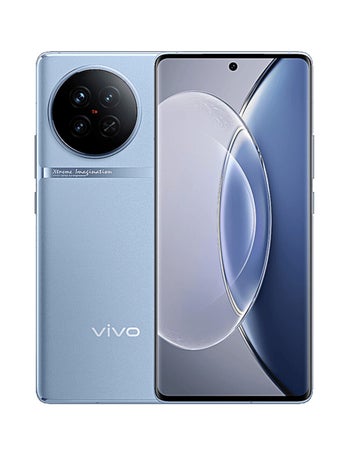
Real-world User Insights
Here are two insights that new buyers often miss:
- Cover screen usability: Oppo’s vertical screen is better for quick tasks, but harder for media. Vivo’s horizontal screen is easier for watching videos or previewing photos, but not as good for notifications.
- Camera versatility: Oppo’s triple camera system is unique in flip phones. If you care about zoom and portrait shots, Oppo is a better choice. Vivo’s ultra-wide is better for group photos, but lacks zoom.
Another important point: Oppo’s update policy is longer, which means your phone stays secure and up-to-date for more years. Many users ignore this, but it matters for long-term use.
Buyer Tips And Common Mistakes
If you are buying a flip phone, keep these points in mind:
- Check hinge durability: Make sure the phone can handle daily folding.
- Test the cover screen: See which style (vertical or horizontal) works for your daily habits.
- Look at camera needs: Do you need zoom or just wide-angle?
- Software updates: Longer support means fewer problems in the future.
- Battery size: Small difference, but check your daily usage.
Common mistakes:
- Ignoring cover screen usability: Many buyers think all cover screens are equal, but they work differently.
- Not considering camera versatility: Dual vs triple camera matters for certain photos.
- Forgetting software support: Shorter support can lead to old, insecure phones.
Which Phone Should You Choose?
If you want the best camera system, longer software support, and a more advanced cooling system, the Oppo Find N3 Flip is the right choice. It is a bit more expensive, but offers more features.
If you prefer a lighter design, wider cover screen, and strong ultra-wide camera, the Vivo X Flip is a good option. It is cheaper and better for media lovers.
Both phones are excellent, but your needs will decide which is better. Remember to check real user reviews and test the phone in person if possible. For more technical details, you can visit the official sites or trusted sources like GSMArena.
Frequently Asked Questions
Is The Oppo Find N3 Flip Waterproof?
No, the Oppo Find N3 Flip is not fully waterproof. It does not have an official IP rating. It can handle small splashes, but avoid dropping it in water.
Does The Vivo X Flip Support Wireless Charging?
No, the Vivo X Flip does not support wireless charging. This is because the hinge design makes wireless charging difficult in flip phones.
Which Phone Has A Better Camera For Selfies?
Both phones have a 32 MP front camera and can use the main camera for selfies via the cover screen. However, Oppo’s triple camera system gives more options for portraits and zoom, making it slightly better for selfies.
How Many Years Of Software Updates Will I Get?
Oppo promises 3 years of major updates and 4 years of security patches. Vivo offers 2 years of major updates and 3 years of security patches.
Can I Expand The Storage With A Microsd Card?
No, neither phone supports microSD card expansion. You must choose the storage size you need when buying.
Choosing between the Oppo Find N3 Flip and Vivo X Flip is not just about specs—it’s about your daily habits and needs. Both phones push the limits of foldable technology, but each has unique strengths. Take your time, check the features, and you will find the flip phone that fits your life.