

Choosing a new phone is more than just picking a brand. For many, it’s about finding a device that matches your lifestyle, work habits, and even your taste. The Samsung Galaxy Z Flip 7 and the Google Pixel 9 Pro are two of 2024’s most exciting flagship phones, but they’re designed for very different people. If you’re deciding between these two, you probably care about more than just specs. You want to know how each phone feels, performs, and fits into real life.
Both devices push boundaries in different ways. The Z Flip 7 stands out with its unique folding screen and compact shape. The Pixel 9 Pro focuses on a pure Android experience and exceptional cameras. On paper, each has strengths and weaknesses.

36% off Today’s Exclusive Deals
Limited-time Exclusive Deals. Check current discount on Amazon.
Check Price on Amazon As an Amazon Associate I earn from qualifying purchases.In daily use, those differences can feel much bigger or smaller depending on what you value most.
This guide breaks down the key areas where these phones differ, with real-world examples and insights. Whether you’re a power user, a casual photographer, or just want the best value for money, you’ll get a clear sense of which phone is the right fit for you.
Design And Build Quality
The first thing you notice about any phone is its look and feel. With the Z Flip 7 and Pixel 9 Pro, the design philosophies couldn’t be more different.
Samsung Galaxy Z Flip 7
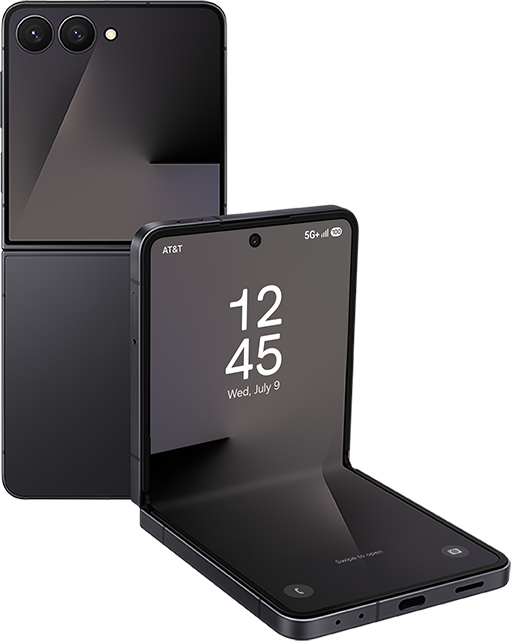
The Z Flip 7 is all about innovation and style. When closed, it’s a compact square that fits easily in your pocket or bag. Flip it open, and you get a tall, bright screen. The hinge is tougher than ever, thanks to new materials and a refined mechanism rated for over 400,000 folds. That means even with heavy use, you shouldn’t worry about breakage for years.
Samsung uses Gorilla Glass Victus 2 on the outer shell and a stronger ultra-thin glass inside. The aluminum frame has a polished finish, giving it a premium feel. The phone is also IPX8 water-resistant, so spills and rain aren’t a big concern.
Google Pixel 9 Pro
The Pixel 9 Pro follows a more classic design. It’s a solid unibody with rounded edges and a flat screen. Google uses recycled aluminum for the frame and Gorilla Glass Victus 2 front and back. The camera bar—a signature Pixel look—runs across the upper rear, making it easy to recognize.
Unlike the Flip, the Pixel 9 Pro isn’t foldable, but it’s thinner and lighter. It’s also IP68 rated for dust and water resistance, giving it strong protection in harsh environments.
Real-world Impressions
If you want a phone that turns heads, the Z Flip 7 is hard to beat. It’s fun to flip open during calls or to prop up for selfies. But it’s slightly thicker when closed, and the hinge adds a moving part some people worry about.
The Pixel 9 Pro feels familiar and sturdy. It slides easily into any pocket and doesn’t draw as much attention. Its camera bar can make the phone wobble on flat surfaces, but many users get used to it quickly.
Display Quality
Screens are one of the most important parts of any modern smartphone. Both Samsung and Google are known for their displays, but their approaches differ.
Samsung Galaxy Z Flip 7
The Z Flip 7 features a 6.9-inch Dynamic AMOLED 2X main display with a resolution of 2640 x 1080 pixels. It supports a 120Hz adaptive refresh rate, making scrolling and animations extremely smooth. Colors are vivid, blacks are deep, and the screen is bright enough to use outdoors, even in direct sunlight.
On the outside, a 3.4-inch Super AMOLED cover screen lets you check notifications, control music, or snap quick selfies without opening the phone. This outer screen has improved usability, supporting more widgets and even limited app access.
Google Pixel 9 Pro
The Pixel 9 Pro boasts a 6.7-inch LTPO OLED display with a sharper 3200 x 1440 resolution. It also supports a 120Hz refresh rate, delivering fluid motion. Google’s screen is flat, making it easier to use with screen protectors and reducing accidental touches.
The Pixel’s brightness matches Samsung’s, and its color accuracy is among the best, especially for photography and video editing.
Which Display Wins?
If you want the largest possible screen in a compact body, the Z Flip 7 is unmatched. The folding design gives you tablet-like space that fits in small pockets. However, the crease where the phone folds is still faintly visible, though less noticeable than before.
The Pixel 9 Pro’s display is sharper and better for media and gaming, especially if you’re picky about detail. Its flat design is more practical for drawing or reading long articles. If you rarely use the phone closed, the Pixel’s display feels more “traditional” and immersive.

Performance And Hardware
Flagship phones are expected to be fast, smooth, and reliable. Here’s how these two compare in the real world.
Samsung Galaxy Z Flip 7
Under the hood, the Z Flip 7 runs on the Qualcomm Snapdragon 8 Gen 4 chipset. It comes with 12GB of RAM and storage options from 256GB up to 1TB. This hardware handles demanding apps, multitasking, and gaming without effort.
Samsung’s cooling system is improved, so the phone stays comfortable even during long gaming sessions. The fingerprint sensor is side-mounted for quick unlocks, and the phone supports 5G, Wi-Fi 7, and Bluetooth 5.3.
Google Pixel 9 Pro
The Pixel 9 Pro uses Google’s new Tensor G4 chip, also paired with 12GB RAM and similar storage options. The Tensor G4 is designed for AI features—real-time translation, voice commands, and advanced photo processing.
Benchmark scores for both phones are close, but the Z Flip 7 has a slight edge in raw speed, while the Pixel 9 Pro excels in intelligent background tasks. The Pixel uses an in-display fingerprint sensor and face unlock, both of which are fast and accurate.
Real-world Usage
For everyday tasks—browsing, messaging, social media—both phones are overkill. Power users might notice Samsung’s hardware is a bit faster in games or video editing, but Google’s AI features make the Pixel more helpful in daily life. For example, live transcription or smart reply suggestions are noticeably quicker and more accurate on the Pixel.
Camera System
For many buyers, cameras are the most important part of a smartphone. Here’s how the Z Flip 7 and Pixel 9 Pro stack up.
Samsung Galaxy Z Flip 7
The Z Flip 7 offers a dual rear camera setup:
- Main: 50MP wide sensor with OIS (optical image stabilization)
- Ultra Wide: 12MP sensor
Samsung improves low-light photography with better image processing and larger sensor size. The flip design allows you to use the main cameras for selfies, giving you better quality than most front cameras.
Video recording supports up to 8K at 30fps and 4K at 60fps, with advanced stabilization.
Google Pixel 9 Pro
The Pixel 9 Pro uses a triple camera system:
- Main: 50MP wide sensor with OIS
- Ultra Wide: 48MP sensor
- Telephoto: 48MP sensor with 5x optical zoom
Google’s strength is software. The Pixel 9 Pro uses AI and computational photography to create stunning images, even in difficult lighting. The telephoto lens is a clear advantage for portraits and distant subjects.
Video is strong, with 4K at 60fps on all lenses, plus new real-time video enhancement modes.
Camera Comparison
If you want the most flexible setup, the Pixel 9 Pro wins thanks to its telephoto lens and smarter processing. Night Sight and Magic Editor features are unmatched for fixing or enhancing photos.
The Z Flip 7’s main advantage is the flip design: you can shoot selfies with the main camera, use the phone as a tripod, or get creative with angles. For social media creators, this is a big plus.
Software Experience
The operating system can change how a phone feels, no matter how good the hardware is.
Samsung Galaxy Z Flip 7
The Z Flip 7 runs One UI 7 based on Android 14. Samsung’s skin adds lots of features: split-screen multitasking, customizable themes, and special Flex Mode tools that use the folding screen. For example, you can have the top half play a video while the bottom half holds controls.
Samsung promises four years of major Android updates and five years of security patches. The phone comes with some pre-installed Samsung apps, but most can be removed if you prefer Google’s apps.
Google Pixel 9 Pro
The Pixel 9 Pro offers the purest Android experience with Android 15. It’s clean, fast, and free of bloatware. Google integrates exclusive features, like advanced voice recognition and Call Screen, which blocks spam calls before they reach you.
Google promises seven years of updates, a major plus for long-term buyers. The Pixel gets new features first, often months before other Android phones.
User Experience Differences
Samsung’s interface is more customizable, with features for power users. If you like tweaking settings or using split-screen apps, you’ll appreciate One UI.
Google’s version is simpler and more consistent. It’s ideal for users who want a phone that “just works” and stays up-to-date the longest.
Battery Life And Charging
Battery life can make or break a phone, especially if you’re always on the move.
Samsung Galaxy Z Flip 7
The Z Flip 7 packs a 4000mAh battery—bigger than previous Flip models but still smaller than most flagships. This is because of the foldable design’s space limits. With normal use, you can expect around a full day, but heavy gaming or lots of camera use can drain it faster.
Charging is fast, with 35W wired and 15W wireless support. You can go from 0 to 50% in about 25 minutes.
Google Pixel 9 Pro
The Pixel 9 Pro uses a 5000mAh battery, one of the largest in any flagship. It easily lasts a full day, and often more, even with heavy use. Power efficiency from the Tensor G4 helps stretch battery life.
Charging is a bit faster, at 45W wired and 23W wireless. Pixel also supports reverse wireless charging for accessories.
Battery Comparison
If you want the absolute longest battery life, the Pixel 9 Pro is the clear winner. The Z Flip 7 does well for a foldable, but power users might need a midday top-up. The Pixel charges faster and supports more charging options.

Price And Value
Flagship phones are expensive, but how much value do you get for your money?
Samsung Galaxy Z Flip 7
- Starting price: $1099 (256GB)
- 512GB: $1199
- 1TB: $1299
You’re paying for the unique folding design and advanced engineering. Samsung often includes trade-in offers or free accessories at launch.
Google Pixel 9 Pro
- Starting price: $999 (256GB)
- 512GB: $1099
- 1TB: $1199
The Pixel 9 Pro is slightly cheaper at each level. Google also bundles free Google One storage and sometimes Pixel Buds with pre-orders.
Value Analysis
If you want the most advanced hardware design, the Z Flip 7 is worth the premium. If you care more about camera quality, battery life, and long-term software support, the Pixel 9 Pro offers better value.
Comparison Tables
Here are side-by-side comparisons for a clearer look.
| Feature | Samsung Galaxy Z Flip 7 | Google Pixel 9 Pro |
|---|---|---|
| Display | 6.9″ Foldable AMOLED, 120Hz 3.4″ Cover AMOLED |
6.7″ LTPO OLED, 120Hz |
| Processor | Snapdragon 8 Gen 4 | Tensor G4 |
| RAM | 12GB | 12GB |
| Storage | 256GB/512GB/1TB | 256GB/512GB/1TB |
| Rear Camera | 50MP + 12MP | 50MP + 48MP + 48MP |
| Front Camera | Uses main camera via cover screen | 12MP |
| Battery | 4000mAh | 5000mAh |
| Water Resistance | IPX8 | IP68 |
| Software Updates | 4 years major, 5 years security | 7 years |
| Price (starting) | $1099 | $999 |
Battery charging speeds and camera features are important for many users:
| Charging | Z Flip 7 | Pixel 9 Pro |
|---|---|---|
| Wired | 35W | 45W |
| Wireless | 15W | 23W |
| Reverse Wireless | No | Yes |
| Camera Zoom | Digital only | 5x Optical |
| Video Max | 8K 30fps | 4K 60fps |
Which Phone Should You Choose?
The decision between the Samsung Galaxy Z Flip 7 and Google Pixel 9 Pro depends on what you value most.
- Choose the Z Flip 7 if you love unique gadgets, enjoy compact shapes, and want a phone that stands out. It’s perfect for people who enjoy creative photography and want something different from the usual slab design.
- Choose the Pixel 9 Pro if you care about camera quality, battery life, and long-term software support. It’s the best choice for Android fans who want regular updates and a pure experience.
Many users worry about the durability of foldables. With each generation, Samsung improves build quality. But if you’re rough on devices or want something you don’t have to think about, the Pixel 9 Pro is a safer bet.
One insight many beginners miss: Samsung’s Flex Mode opens up unique ways to use your phone, but not every app supports it. Check which features matter most to you before buying. Another detail: Pixel’s AI features can automate tasks like call screening or photo editing, which can save time every day if you learn how to use them.
For most people, both phones are far more powerful than you need. Think about your habits, not just the specs.
Frequently Asked Questions
Is The Samsung Galaxy Z Flip 7 As Durable As Regular Phones?
The Z Flip 7 is much tougher than older foldables. Its hinge is tested for over 400,000 folds, and Gorilla Glass Victus 2 resists scratches. However, the folding screen is still more sensitive to sharp objects and dust than a non-folding phone like the Pixel 9 Pro.
Does The Pixel 9 Pro Get Android Updates Before Other Phones?
Yes. Google’s Pixel phones get Android updates first—often months before other brands. The Pixel 9 Pro is guaranteed seven years of updates, which is the best in the Android world. This means new features and security fixes arrive quickly.
Which Phone Is Better For Photography?
The Pixel 9 Pro has a more advanced camera system, especially for zoom and low-light shots. Google’s AI features also make editing and fixing photos easier. The Z Flip 7 lets you use the main camera for selfies, which is unique, but overall, the Pixel 9 Pro wins for serious photographers.
Can I Use Both Phones With One Hand?
The Z Flip 7, when closed, is easy to hold and use for quick tasks. Opened, it’s tall and may require two hands. The Pixel 9 Pro is a bit wider but lighter. Both have one-handed modes, but the Z Flip 7’s compact shape makes it slightly more pocket-friendly.
Where Can I Read More About These Phones?
You can find full technical details and the latest news on their official pages. The Android Authority site also offers deep dives and user reviews for both the Galaxy Z Flip 7 and Pixel 9 Pro.
Both phones are among the best you can buy in 2024. Whether you choose the Z Flip 7 or the Pixel 9 Pro, you’ll get a cutting-edge device that will last for years—just make sure it fits your real needs, not just the feature list.

