

Most Ge microwaves stop heating because of a failed magnetron, diode, fuse, or door switch.
I’ve spent years fixing kitchen appliances and diagnosing microwave faults. This guide on Ge Microwave Not Heating Troubleshooting shares clear steps, safety tips, and real-world fixes. Read on to learn how to diagnose, test, and resolve common heating problems safely and confidently.

36% off Today’s Exclusive Deals
Limited-time Exclusive Deals. Check current discount on Amazon.
Check Price on Amazon As an Amazon Associate I earn from qualifying purchases.
Common causes of Ge Microwave Not Heating Troubleshooting
Many heating failures stem from a handful of parts. Identifying the right cause saves time and money. This section lists the usual suspects and what each one does.
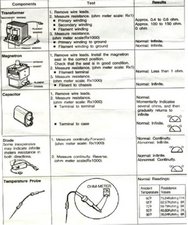
- Magnetron — Produces microwave energy. If it fails, the oven won’t heat.
- High-voltage diode — Converts AC to DC for the magnetron. A bad diode stops heating.
- High-voltage capacitor — Works with the diode and transformer. Failure prevents energy delivery.
- High-voltage transformer — Supplies power to the magnetron. A burned transformer means no heat.
- Door switches and interlocks — If the door switches fail, the microwave won’t allow operation.
- Thermal fuse or thermostat — Prevents overheating. If blown, the unit won’t heat.
- Control board — Rarely, the control electronics fail and stop power to high-voltage parts.

Safety first before Ge Microwave Not Heating Troubleshooting
Safety matters. Microwaves store lethal voltages. Never skip safety steps when you troubleshoot Ge Microwave Not Heating Troubleshooting.
- Unplug the microwave before opening it.
- Discharge the high-voltage capacitor using a well-insulated tool and a resistor or follow manufacturer advice.
- Use insulated gloves and eye protection.
- Work in a dry area with good light.
- If you’re unsure, stop and call a qualified appliance repair technician.

Step-by-step Ge Microwave Not Heating Troubleshooting guide
Follow these steps. They help isolate the fault quickly. Use a multimeter and basic hand tools.
- Confirm the symptom
- Run a simple test: heat a cup of water for 30 seconds. If it remains cool, proceed.
- Check power and settings
- Ensure the microwave is plugged in and circuit breakers are on. Reset if needed.
- Inspect door latches and switches
- Open and close the door. Look for broken hooks or loose switches. Test switches for continuity with the door closed.
- Check the fuse and thermal cutouts
- Remove the back panel. Test line fuses and thermal fuses with a multimeter for continuity.
- Test the high-voltage diode
- Disconnect one diode lead and measure resistance. Compare to expected values. A short or open diode indicates failure.
- Test the capacitor and transformer
- Inspect for burn marks. Use proper procedures to discharge and test the capacitor for continuity and capacitance.
- Test the magnetron
* Look for visible damage. Measure filament continuity and check for shorts to the case. - Evaluate the control board
- If high-voltage parts test fine but no power goes to them, the control board may be at fault.
PAA-style quick questions:
What should I test first?
- Test the simple items: power, door switches, and the external fuse before moving to high-voltage parts.
Can a microwave run with no magnetron?
- Mechanically it can power on, but it will not heat without a functioning magnetron.

How to test and replace common parts in Ge Microwave Not Heating Troubleshooting
Here are practical tests and replacement notes. Prices are estimates. Always buy OEM or quality aftermarket parts.
- Door switches
- Test: continuity with multimeter when door is closed. Replace if no continuity.
- Cost: $10–$30.
- Fuse and thermal cutouts
- Test: continuity. Replace blown fuses.
- Cost: $5–$25.
- High-voltage diode
- Test: multimeter diode check or resistance test. Replace if open/shorted.
- Cost: $15–$40.
- Capacitor
- Test: capacitance meter or compare resistance behavior after discharge. Replace if faulty.
- Cost: $20–$60.
- Magnetron
- Test: filament continuity and case short test. Replace if defective.
- Cost: $80–$250.
- High-voltage transformer
- Test: visual signs of damage, smell, and resistance checks. Replace if bad.
- Cost: $60–$200.
- Control board
- Test: visual inspection for burned components and check outputs with service manual. Replace if needed.
- Cost: $80–$300.

When to DIY vs when to call a pro for Ge Microwave Not Heating Troubleshooting
Know your limits. Safety and cost matter.
- Try DIY if:
- You can safely discharge capacitors.
- You have a multimeter and basic tools.
- The issue is a simple part like a door switch or fuse.
- Call a pro if:
- You suspect magnetron, transformer, or capacitor faults and you’re not trained.
- You smell burning or see smoke.
- The microwave is under warranty.

Preventive maintenance to reduce future Ge Microwave Not Heating Troubleshooting
Small habits extend microwave life and prevent heating faults.
- Keep the cavity clean from food splatter.
- Avoid running the microwave empty.
- Use microwave-safe containers only.
- Inspect door seals and hinges regularly.
- Replace worn turntables or rollers to avoid damage.

Cost estimates and expected lifespan for parts during Ge Microwave Not Heating Troubleshooting
Knowing costs helps decision-making.
- Magnetron: 3–7 years typical life; replacement cost $80–$250.
- Diode and capacitor: 5–10 years; low-medium cost to replace.
- Transformer: rarely fails but can be costly.
- Control board: can last many years; replacement often pricey.
- Labor: expect $80–$150 hourly when hiring pros.

Troubleshooting examples and real-life fixes from my experience with Ge Microwave Not Heating Troubleshooting
I repaired many microwaves. Here are short stories with lessons.
- Case 1: No heat, burnt smell
- Found a shorted diode and burned capacitor. Replaced both. Appliance worked. Lesson: smell often points to high-voltage failure.
- Case 2: No heat after a power surge
- The line fuse blew and a door switch was damaged. Replaced parts and tested. Lesson: check simple parts first.
- Case 3: Intermittent heating
- Loose door latch caused intermittent switch contact. Tightened latch and replaced the switch. Lesson: mechanical wear shows simple fixes.
Frequently Asked Questions of Ge Microwave Not Heating Troubleshooting
Why is my Ge microwave not heating but the light and turntable work?
Most likely a failed magnetron, high-voltage diode, or capacitor. These parts handle heat production while the control panel can still power lights and motors.
Can a blown fuse cause a microwave to stop heating?
Yes. A blown internal fuse or thermal cutout can stop power to the high-voltage circuit and prevent heating. Check continuity after unplugging.
Is it safe to test the magnetron myself?
Testing requires discharging the capacitor first and knowledge of safe procedures. If you’re not confident, hire a professional.
How much does it cost to replace a magnetron on a Ge microwave?
Parts and labor typically range from $150 to $400 depending on model and local labor rates. Compare cost to replacement microwave for older units.
Will resetting the microwave fix heating problems?
Sometimes a power reset can clear control glitches. If heating still fails after reset, the issue is likely a hardware fault.
Conclusion
Ge Microwave Not Heating Troubleshooting is often straightforward when you follow safe, logical steps. Start with simple checks like power, door switches, and fuses. Move to high-voltage parts only with the right tools and safety precautions. If a fix seems risky or costly, call a qualified repair technician. Take action today: inspect basic items, note error patterns, and choose DIY or professional repair based on your comfort level. Share your experience or questions below and subscribe for more appliance troubleshooting tips.

