

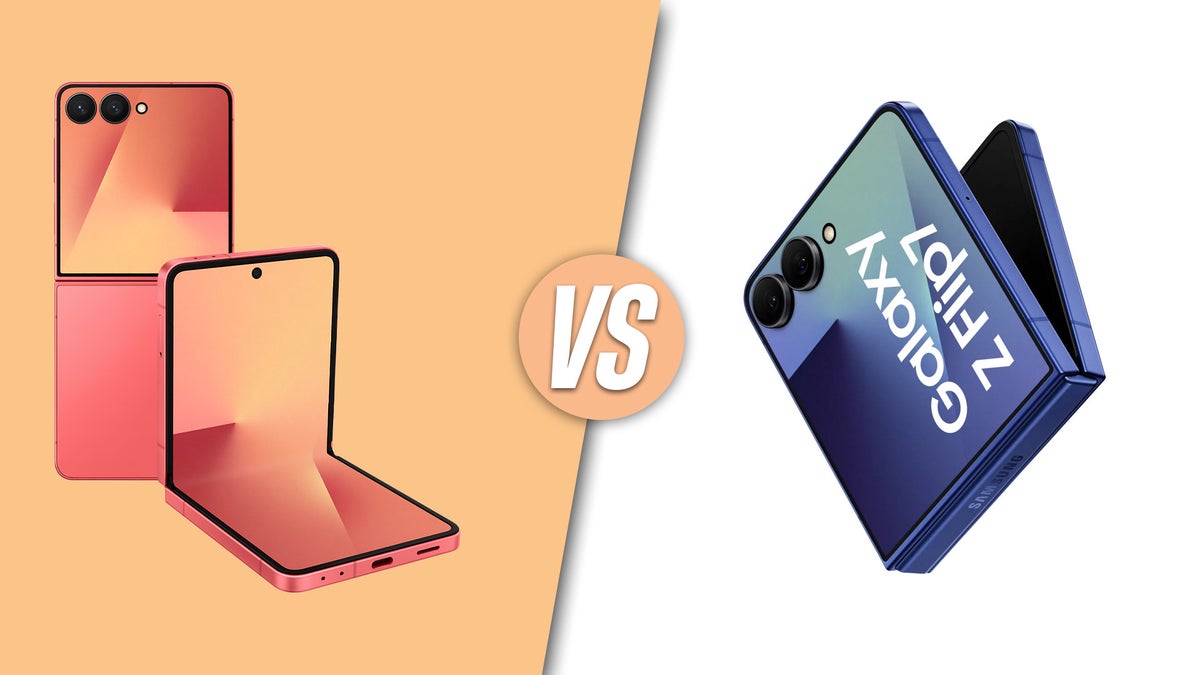
When you think of modern foldable phones, two names often come up: Samsung Z Flip 7 and Huawei Pocket 2. These devices are leading the way in the flip-style foldable market, each promising a mix of style, compact design, and top performance. But which one truly stands out? This comparison dives deep into the seven most important factors—design, display, camera, performance, battery life, software, and price. Whether you’re a tech fan or a casual user, you’ll find all the details you need to decide which of these smart flip phones fits your life best.
Design And Build Quality
The first thing you’ll notice about both phones is their unique folding form factor. The Samsung Z Flip 7 continues Samsung’s tradition of slim, refined flip phones. It uses an aluminum frame and Gorilla Glass Victus 2 on the exterior, giving it a premium feel. The hinge mechanism is improved for smooth folding and reduced gap when closed, which helps keep dust out. The phone is rated IPX8 for water resistance, so accidental splashes aren’t a big worry.

36% off Today’s Exclusive Deals
Limited-time Exclusive Deals. Check current discount on Amazon.
Check Price on Amazon As an Amazon Associate I earn from qualifying purchases.The Huawei Pocket 2, on the other hand, takes a more fashion-forward approach. It often comes in special edition finishes and limited colors, targeting users who love style. The body uses a combination of glass and a toughened metal frame, but it lacks an official IP rating for water or dust resistance.
However, Huawei puts a strong focus on the hinge, which feels sturdy and is tested for thousands of folds. The exterior cover is also slightly curved, making it comfortable to hold.
One non-obvious design detail is the Z Flip 7’s flatter hinge when closed, which makes it easier to slip into tight pockets. The Pocket 2 is a bit rounder and can feel bulkier in small bags. Users also mention that Samsung’s fingerprint-resistant coating is better at hiding smudges, which is helpful if you use your phone without a case.
Display Quality
Both phones feature foldable inner displays, but the experience is not exactly the same. Let’s look at the numbers and the practical differences.
| Phone | Main Display | Cover Display | Refresh Rate | Peak Brightness |
|---|---|---|---|---|
| Samsung Z Flip 7 | 6.9″ FHD+ Dynamic AMOLED | 3.4″ Super AMOLED | 120Hz | 1750 nits |
| Huawei Pocket 2 | 6.8″ FHD+ OLED | 1.04″ Circular OLED | 120Hz | 1600 nits |
The Samsung Z Flip 7 shines with its larger, brighter cover display. The 3.4-inch outside screen is perfect for quick tasks—checking notifications, replying to messages, or using widgets without opening the phone. The inner display is tall and vibrant, with Dynamic AMOLED tech for rich colors and deep blacks.
Huawei’s Pocket 2 uses a smaller, round cover display. It’s mainly for checking the time, notifications, or snapping quick selfies. The inner display is nearly as large as Samsung’s, but the cover screen is less useful for everyday tasks.
One thing many beginners miss: Samsung’s main display crease is less visible thanks to its advanced hinge, making videos and browsing feel smoother. Huawei’s screen crease is more noticeable in bright light, which can be distracting for some users.
Camera Capabilities
Foldable phones aren’t usually the best for photography, but these two models are changing that idea. Both phones pack serious camera hardware, and each has its unique strengths.
Samsung Z Flip 7 Camera
- Main camera: 50MP, f/1.8, OIS
- Ultra-wide: 12MP, f/2.2
- Front camera: 10MP
Samsung uses its latest image processing to deliver sharp, colorful photos in all conditions. Night mode is impressive, and the ultra-wide lens is great for group shots or landscapes. The cover screen can act as a viewfinder, so you can use the main cameras for high-quality selfies.
Video recording goes up to 4K at 60fps, and stabilization is solid.
Huawei Pocket 2 Camera
- Main camera: 40MP, f/1.8, RYYB sensor
- Ultra-wide: 13MP, f/2.2
- Telephoto: 8MP, 3x optical zoom
- Front camera: 10.7MP
Huawei stands out with a triple camera setup, including a telephoto lens for real optical zoom. The RYYB sensor captures more light, making low-light photos bright and detailed. The cover display is handy for quick selfies, but less useful for composing complex shots. Video is also strong, but some users find the color science a bit more “natural” and less punchy than Samsung’s.
A useful tip: If you need zoom, Huawei wins. For video creators, Samsung’s stabilization and color profiles are excellent. Beginners often ignore the usefulness of the cover screen as a viewfinder—on both phones, it helps you take better selfies and group shots.
Performance And Hardware
Performance is more than just raw speed—it’s about how the phone feels every day, from gaming to multitasking.
| Phone | Processor | RAM | Storage Options | 5G Support |
|---|---|---|---|---|
| Samsung Z Flip 7 | Snapdragon 8 Gen 3 | 8GB / 12GB | 256GB / 512GB | Yes (global) |
| Huawei Pocket 2 | Kirin 9000S | 12GB | 256GB / 512GB / 1TB | Limited (China only) |
The Samsung Z Flip 7 is powered by Qualcomm’s latest Snapdragon chip. This means super-fast app launches, smooth gaming, and reliable multitasking. The phone stays cool, even under heavy use, thanks to improved thermal management.
Huawei’s Pocket 2 runs on the Kirin 9000S, which is fast but not quite as powerful as the Snapdragon 8 Gen 3. It handles daily tasks and most games well, but might lag behind in demanding 3D games or heavy video editing.
Huawei offers more storage options, including a huge 1TB model, which is great if you store a lot of photos or videos.
One detail many miss: Samsung’s 5G works worldwide, while Huawei’s 5G is mostly limited to China due to software and hardware restrictions. If you travel or need global 5G, Samsung is the safer choice.
Battery Life And Charging
Foldable phones have to fit batteries into a small body, which makes battery life a challenge. Let’s see how each phone handles it.
- Samsung Z Flip 7: 3,700mAh battery
- Huawei Pocket 2: 4,000mAh battery
Samsung’s battery is a bit smaller, but its software is very efficient. You can expect a full day of mixed use—calls, social media, some video—with around 5-6 hours of screen-on time. The phone supports 25W wired charging and 15W wireless charging.
Fast charging can get you from 0 to 50% in about 30 minutes.
Huawei’s Pocket 2 packs a larger battery, and it shows in real use. Many users report 6-7 hours of screen-on time, so it can last a bit longer, especially if you use the cover screen for quick tasks. Huawei supports 40W wired charging and 27W wireless charging, which is faster than Samsung.
In 20 minutes, you can get a significant charge boost.
One hidden advantage: Huawei also supports reverse wireless charging. This means you can top up your earbuds or another phone just by placing them on the Pocket 2’s back. Samsung does not offer this feature.
Software Experience
The software is where these two phones really feel different, especially for users outside China.
Samsung Z Flip 7
Samsung uses One UI based on Android 14. It’s smooth, intuitive, and packed with features. You get Google Play, all Google services, and the full Android app ecosystem. Samsung promises at least four years of major updates, so your phone stays secure and up to date.
Special features include Flex Mode (apps adapt to the folded screen), multitasking with split-screen, and lots of customization options. Samsung’s ecosystem (Galaxy Buds, Watch, DeX) works seamlessly if you have other Samsung devices.
Huawei Pocket 2
Huawei runs HarmonyOS 4.2 outside of China and EMUI for international models. The OS is fast and clean, but you won’t find Google services—no Play Store, Gmail, or Google Maps. You need to use Huawei’s AppGallery or install apps via APKs.
HarmonyOS has a neat widget system and strong privacy controls. It’s smooth for daily use, but some international apps may not work or require extra steps to install. Huawei promises regular updates, but the ecosystem is more isolated compared to Samsung.
A non-obvious insight: If you depend on Google apps, the Z Flip 7 is the easy choice. Huawei’s AppGallery is growing, but gaps remain—especially for banking, streaming, and social media outside China.

Price And Value
Foldable phones are expensive, but the price can vary a lot based on storage, country, and promotions.
| Model | Base Price (USD) | Top Variant Price | Availability |
|---|---|---|---|
| Samsung Z Flip 7 | $999 (256GB) | $1,199 (512GB) | Global |
| Huawei Pocket 2 | $1,099 (256GB) | $1,399 (1TB) | Asia, Europe (limited) |
The Samsung Z Flip 7 is usually cheaper for the base model and easier to find in most countries. It also offers trade-in deals and bundles, so you might get extra value if you’re upgrading from an older device.
Huawei’s Pocket 2 is more expensive, especially at the top end, and is harder to find outside Asia. Some users pay extra for the designer editions, but resale value is lower outside China due to software limitations.
A common mistake: Some buyers overlook the cost of missing Google services on Huawei. If you need to side-load or find workarounds, it could be more hassle than it’s worth, especially if you’re not tech-savvy.
Which Flip Phone Is Right For You?
Both the Samsung Z Flip 7 and Huawei Pocket 2 are excellent foldables, but they suit different users.
- Choose Samsung Z Flip 7 if you want the best global compatibility, top software experience, and a practical cover display.
- Pick Huawei Pocket 2 if you want longer battery life, a unique look, and great camera zoom—but can live without Google services.
If you want the most reliable, everyday flip phone, the Z Flip 7 is a safer bet for most users. But if you love trying new tech and don’t mind working around missing apps, Huawei’s Pocket 2 offers a stylish, powerful alternative.
For more technical details and the latest updates, you can visit the official Samsung Z Flip 7 page.

Frequently Asked Questions
Is The Samsung Z Flip 7 Or Huawei Pocket 2 More Durable?
The Z Flip 7 has an IPX8 rating for water resistance and uses Gorilla Glass Victus 2, which helps with everyday drops and spills. The Pocket 2 has a tough hinge and frame, but no official water or dust rating. For rough use, Samsung is more durable.
Can I Use Google Apps On The Huawei Pocket 2?
No, the Pocket 2 does not come with Google Play services due to US restrictions. You can use Huawei’s AppGallery or try to install some apps manually, but compatibility is not guaranteed. If you rely on Google apps, the Z Flip 7 is better.
Which Phone Has A Better Camera For Zoom?
Huawei Pocket 2 offers a dedicated telephoto lens with 3x optical zoom, which is better for detailed shots from a distance. The Z Flip 7 only has a main and ultra-wide camera, so zooming relies on digital cropping.
How Do The Cover Displays Compare In Daily Use?
Samsung’s 3.4-inch cover screen is much more functional. You can reply to messages, run mini-apps, and use widgets without opening the phone. Huawei’s small circular cover screen is more basic—good for notifications and selfies, but less interactive.
Which Phone Gets Longer Software Support?
Samsung promises four years of major Android updates and five years of security patches. Huawei gives regular HarmonyOS updates, but the global experience and app support are not as strong or as long-lasting.
Both phones have their strengths, but your choice will depend on your needs, preferred apps, and style. With this detailed comparison, picking between the Samsung Z Flip 7 and Huawei Pocket 2 should now be much easier.

