

Signia Hearing Aids Troubleshooting quickly fixes sound, connection, battery, and app problems.
I’ve worked with hearing devices and helped many people solve everyday issues. This guide on Signia Hearing Aids Troubleshooting explains common problems, step-by-step fixes, app tips, maintenance practices, and when to seek professional help. Read on for clear, practical solutions you can try today.

36% off Today’s Exclusive Deals
Limited-time Exclusive Deals. Check current discount on Amazon.
Check Price on Amazon As an Amazon Associate I earn from qualifying purchases.
Why Signia Hearing Aids Troubleshooting matters
Signia Hearing Aids Troubleshooting helps you stay independent and confident. Small faults often have simple fixes, and diagnosing problems quickly prevents long-term damage. Knowing basic steps saves time, reduces visits, and improves hearing performance.
Common reasons to troubleshoot include debris build-up, battery or charging faults, app pairing issues, and feedback or sound quality changes. Familiarity with these causes makes troubleshooting faster and easier. Use this guide to spot patterns and solve issues without stress.

Quick checklist for Signia Hearing Aids Troubleshooting
Use this short checklist before deeper troubleshooting. It resolves many common problems fast.
- Check batteries or charging status. Replace or charge fully.
- Clean the microphones and receiver openings with a soft brush.
- Restart the hearing aids: power off, wait 10 seconds, power on.
- Ensure the Signia app is updated and phone Bluetooth is on.
- Move to a quieter environment to test sound and reduce interference.
- Remove and re-pair hearing aids in the phone’s Bluetooth settings if needed.
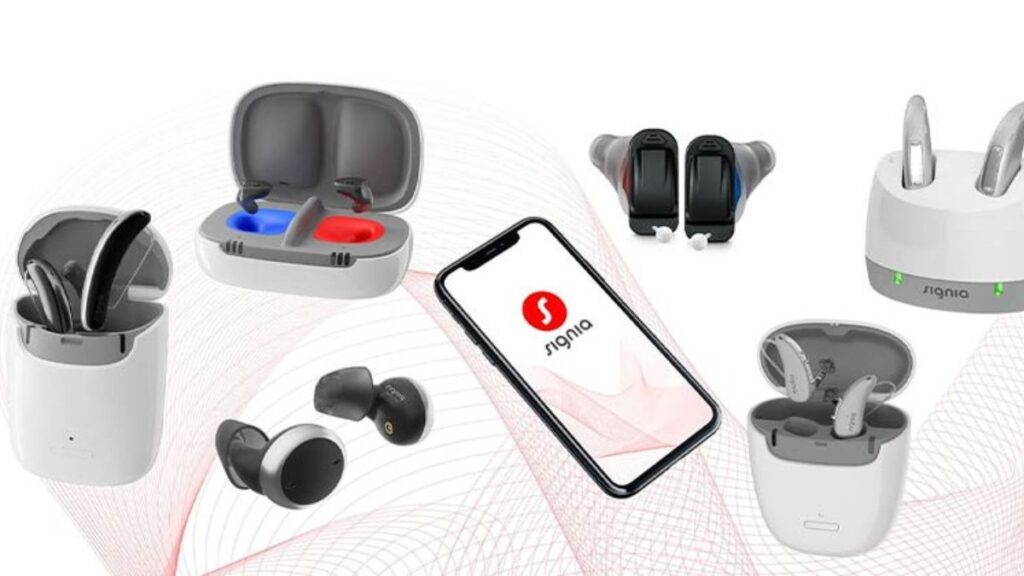
Common problems and practical fixes
Below are typical issues and clear steps for Signia Hearing Aids Troubleshooting. Try simple fixes first and move to advanced steps only when needed.
No sound or very low sound
Causes
- Dead battery or empty rechargeable cell.
- Blocked microphone or wax in the receiver.
- Program or volume set too low.
Fixes
- Replace batteries or place the hearing aids in the charger until fully charged.
- Clean the microphone ports and receiver tip with the supplied brush or wax pick.
- Check volume and programs via buttons or the Signia app.
- Try a soft reset: power off, wait 10 seconds, power on.
Static, buzzing, or crackling
Causes
- Moisture, corrosion, or debris on contacts.
- Wireless interference from nearby electronics.
- Loose tubing or domes on behind-the-ear models.
Fixes
- Dry the hearing aids overnight in a dry box or dehumidifier.
- Ensure contacts and charging pins are clean and dry.
- Move away from strong wireless devices and test again.
- Re-seat domes or tubing and ensure a snug fit.
Feedback and whistling
Causes
- Poor fit or blocked receiver.
- Excessive volume or wrong program.
- Earwax pushing the speaker tip away from the ear canal.
Fixes
- Inspect and clean the receiver and dome.
- Reduce volume slightly or switch to a different program.
- Reposition the hearing aid for a tighter seal.
- If feedback continues, ask your provider to re-fit or retube.
Connectivity and Bluetooth issues
Causes
- Outdated Signia app or hearing aid firmware.
- Phone Bluetooth issues or multiple paired devices.
- Low battery affects wireless performance.
Fixes
- Update the Signia app and check firmware status in the app.
- Turn Bluetooth off and on, then restart the phone and hearing aids.
- Remove and re-add the hearing aids in the phone’s Bluetooth settings.
- Keep only essential Bluetooth devices connected while testing.
Poor sound quality or muffled sound
Causes
- Blocked receiver or wax in the ear canal.
- Wrong program for the environment.
- Hearing aid needs a software update or reprogramming.
Fixes
- Clean the receiver and perform an earwax check.
- Try a different program or use the app to select environment modes.
- Update firmware or contact your hearing professional for reprogramming.
Using the Signia app and connectivity tips
The Signia app offers controls, remote adjustments, and firmware updates. Good app use is central to effective Signia Hearing Aids Troubleshooting.
-
Pairing steps
- Open the Signia app and follow on-screen pairing prompts.
- Enable Bluetooth on your phone and allow permissions.
- If pairing fails, restart phone and hearing aids and try again.
-
Firmware and app updates
- Keep the app and firmware updated for stability and features.
- Perform updates with full battery or while charging.
- Updates may fix bugs that cause sound or connectivity problems.
-
Remote fine-tuning and support
- Use the app’s remote control to change programs and volume.
- Some Signia models allow remote adjustments by your audiologist.
- Share app logs if a professional asks for diagnostic details.

Battery, charging, and maintenance best practices
Proper care prevents many troubleshooting issues. These simple routines extend life and performance.
-
Rechargeable vs disposable
- Rechargeable batteries need full cycles; avoid frequent short charges.
- For disposable batteries, store them in a cool, dry place and insert fresh ones when low.
-
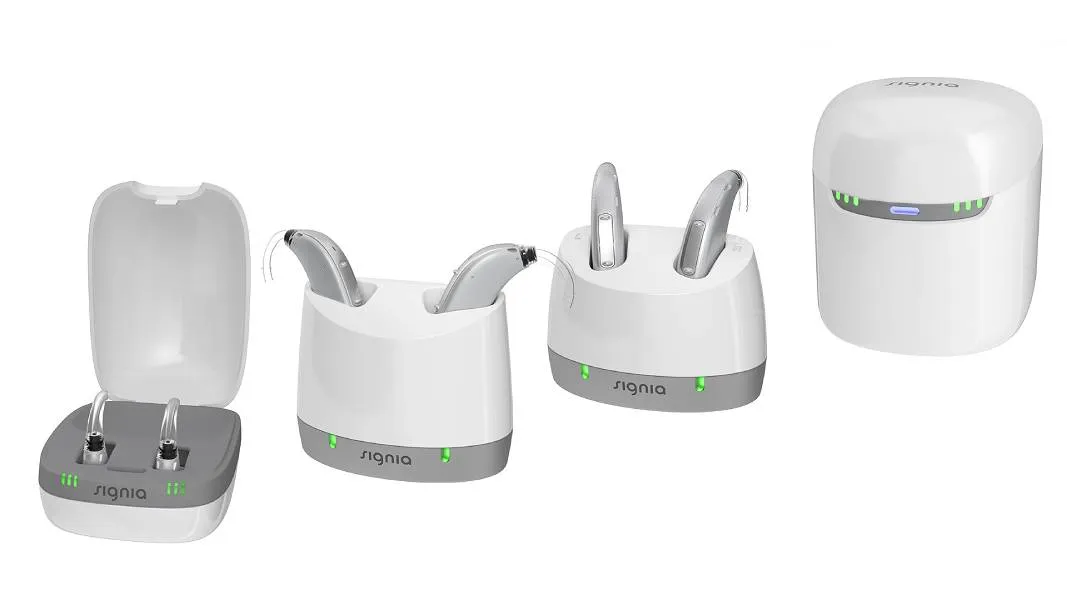
Charging tips
- Clean charging contacts regularly.
- Allow a full charge cycle before long use.
- Use the original charger for best compatibility.
-
Daily cleaning and care
- Wipe hearing aids with a soft cloth daily.
- Remove wax and debris from microphones and receivers.
- Store in a dry, ventilated container overnight.
When to contact your hearing care professional
Some issues need expert help. Contact a professional if you see any of the following after basic troubleshooting.
- Persistent loss of sound after battery change and cleaning.
- Continued feedback or whistling that you cannot fix.
- Physical damage, water ingress, or cracked cases.
- Repeated connectivity or firmware update failures.
When you visit, bring the hearing aids, charger, batteries, and a note describing the issue. This helps your provider diagnose faster and offer precise solutions.

Troubleshooting checklist for common scenarios
Use these step-by-step flows tailored to everyday situations.
-
If no sound:
- Replace batteries or charge fully.
- Clean microphones and receiver.
- Restart the hearing aids.
- Check program and volume settings.
- Contact professional if still silent.
-
If Bluetooth disconnects:
- Confirm phone Bluetooth is on.
- Restart phone and hearing aids.
- Re-pair from Bluetooth settings.
- Update app and firmware.
- Test with another phone to isolate the issue.
-
If feedback occurs:
- Clean receiver and dome.
- Reduce volume slightly.
- Reposition for a better seal.
- Try different earmolds or dome sizes.
- See your professional for fitting adjustments.
Tips from my experience with Signia Hearing Aids Troubleshooting
I’ve helped clients fix simple problems quickly. A few lessons I learned:
- Always try a full charge before assuming a device is faulty. I once replaced a hearing aid unnecessarily; a full charge solved it.
- Keep a spare set of batteries and a small cleaning kit handy for travel.
- Note when problems started—environmental factors often trigger intermittent issues.
- Don’t ignore small changes in sound; early action prevents larger problems.
These practical tips save time and money while keeping hearing consistent and reliable.

Frequently Asked Questions of Signia Hearing Aids Troubleshooting
How do I reset my Signia hearing aids?
To reset, turn the hearing aids off, wait 10 seconds, and turn them on again. For a factory reset, follow the Signia app instructions or contact your provider, since full resets vary by model.
Why is my Signia hearing aid making a buzzing sound?
Buzzing often comes from debris, moisture, or wireless interference. Clean the microphone and receiver, dry the device, and test away from electronics.
How do I update Signia hearing aid firmware?
Update via the Signia app when prompted, and ensure hearing aids are charged during the update. If updates fail, restart devices and retry or consult your hearing professional.
What should I do if my Signia hearing aids won't pair with my phone?
Restart the phone and hearing aids, remove previous pairings, and enable Bluetooth permissions in the app. Try pairing again and ensure the app is updated.
When should I replace my Signia hearing aid battery?
Replace disposable batteries when sound dims or battery indicators show low. For rechargeable models, charge when performance drops and replace the battery pack only after professional assessment.
Can earwax cause my Signia hearing aids to stop working?
Yes, earwax can block the receiver and reduce sound or cause feedback. Regular cleaning and ear checks prevent blocked sound and damage.
Conclusion
Signia Hearing Aids Troubleshooting is about clear steps, regular care, and knowing when to get expert help. Use the checklists here to solve most problems quickly, keep your devices charged and clean, and rely on app updates and professional support when needed. Take action today: try the quick fixes, note any persistent issues, and reach out to your hearing care provider to keep hearing at its best. Leave a comment with your experience or subscribe for more practical tips on hearing health.

