

Most Snapper mower issues are fixable with basic checks: spark, fuel, air, blades, or battery.
I have spent years repairing and riding Snapper mowers. This guide on Snapper Lawn Mower Troubleshooting walks you through fast diagnostics, step-by-step fixes, and preventive care. Read on to learn clear checks, common causes, and when to call a pro so you can get your mower cutting smoothly again.

36% off Today’s Exclusive Deals
Limited-time Exclusive Deals. Check current discount on Amazon.
Check Price on Amazon As an Amazon Associate I earn from qualifying purchases.
How to diagnose common Snapper Lawn Mower problems
Start with simple checks. Look and listen. Smell fuel or burnt oil. These clues narrow down the problem fast. I use a short routine that finds 80% of issues in minutes. This section shows that routine for Snapper Lawn Mower Troubleshooting.

Engine won't start
- Check fuel level and fresh gas. Old gas often stops combustion.
- Inspect spark plug. A fouled plug is a common cause.
- Verify the kill switch and safety interlocks are set correctly.
Runs rough or stalls
- Clean or replace the air filter. A clogged filter chokes the engine.
- Check carburetor for varnish or gummed fuel. Use a carb cleaner for light cases.
- Tip: run the engine after cleaning to see if performance returns.
Excessive smoke
- Blue smoke means oil burning. Check oil level and look for leaks.
- Black smoke signals rich fuel mixture. Clean air path and carburetor.
- White smoke can indicate coolant on engines with liquid cooling (rare on Snapper).
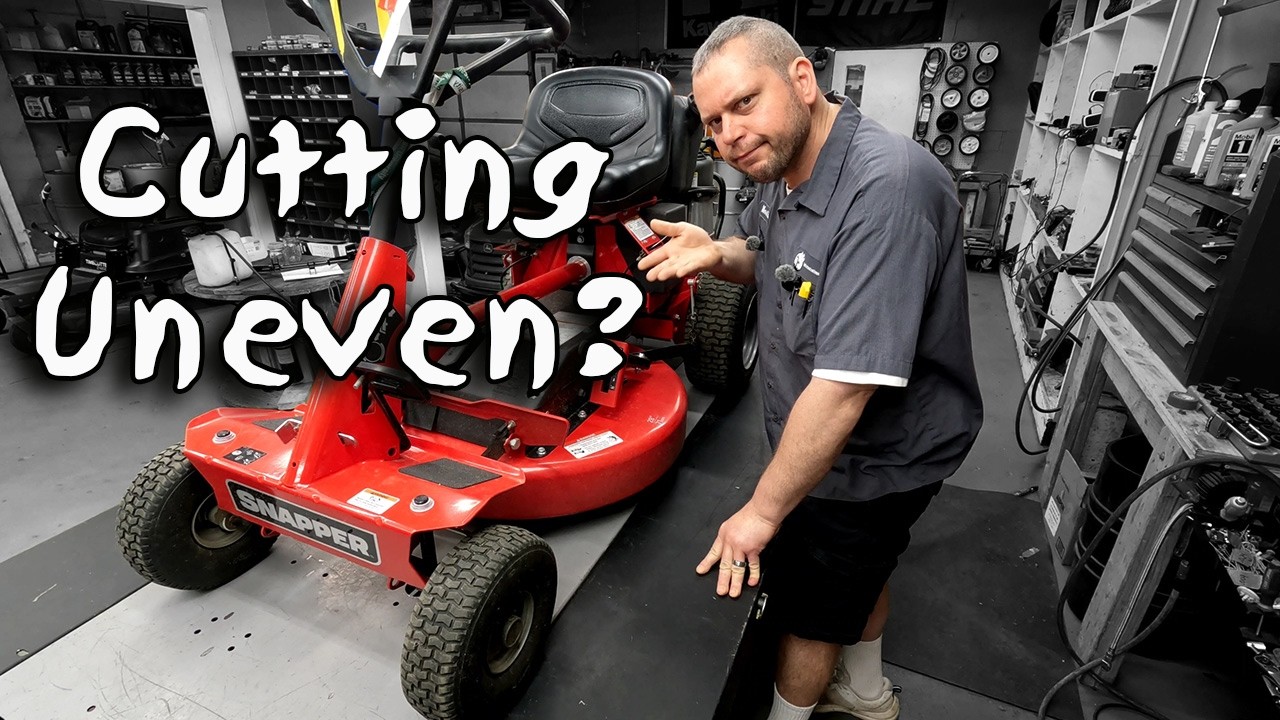
Poor cutting or uneven deck
- Inspect blade sharpness and balance. Dull blades tear grass.
- Check deck level and belt tension. Worn belts slip and reduce cutting power.
- Remove built-up grass under the deck.
Drive or traction issues
- For self-propelled models, check the drive belt and transaxle fluid (if serviceable).
- Look for worn drive cable or linkage adjustments.
Step-by-step Snapper Lawn Mower Troubleshooting checklist
Use this checklist when you first approach a non-working mower. It moves from easiest fixes to deeper work. Follow it in order to save time.
- Safety first: remove the key and disconnect the spark plug.
- Check fuel: age, level, and smells of varnish.
- Check battery (for electric start models): voltage and connections.
- Inspect spark plug: color, gap, and condition.
- Check air filter: clean or replace if dirty.
- Examine fuel line and primer bulb: cracks or blockages.
- Clean carburetor or use fuel additive for mild gum buildup.
- Check blade, belt, and deck underside for obstructions.
- Start engine and listen for abnormal sounds.
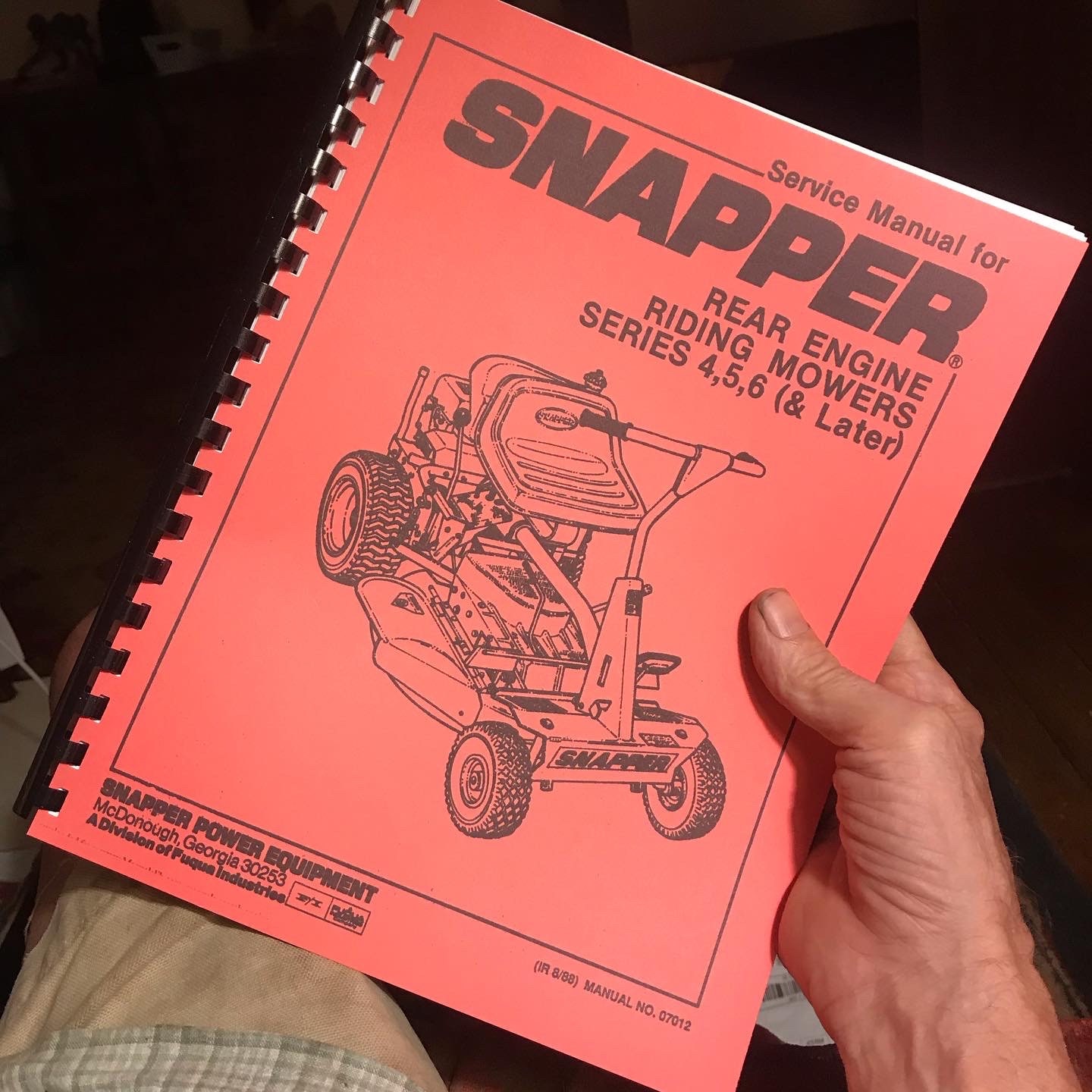
- If unresolved, consult a service manual or call a technician.
Common problems, causes, and practical fixes
Here are the frequent issues I see on many Snapper mowers and how I fix them in the yard.
-
Fouled spark plug
- Cause: dirty plug or wrong gap.
- Fix: clean, re-gap, or replace the plug.
-
Old or contaminated fuel
- Cause: stale gas turns gummy.
- Fix: drain and refill with fresh gas and fuel stabilizer.
-
Dirty carburetor
- Cause: gas varnish clogs jets.
- Fix: clean jets or rebuild carburetor if necessary.
-
Clogged air filter
- Cause: dusty conditions and long use.
- Fix: replace filter or washable type as per manual.
-
Worn belts and blades
- Cause: normal wear and debris damage.
- Fix: replace belts and sharpen or replace blades.
-
Safety switch or wiring fault
- Cause: broken switch, frayed wire, or loose connection.
- Fix: test switches and wiring with a multimeter and replace faulty parts.

Maintenance routines to reduce Snapper Lawn Mower Troubleshooting needs
Routine care stops many problems before they start. I recommend a short schedule you can follow each season.
-
Before each use
- Check oil and fuel level.
- Clear the deck and inspect blades.
-
After each cutting session
- Brush grass from deck and engine fins.
- Wipe off grease and debris.
-
Every 25 hours or monthly
- Change the oil if used in heavy work.
- Clean the air filter or replace if needed.
-
Every season
- Replace spark plug and fuel filter.
- Sharpen or replace blades.
- Add fuel stabilizer for storage.
-
Winter storage
- Drain or treat fuel.
- Store in a dry place with battery removed or maintained.
Parts to check and when to replace
Knowing part life helps avoid breakdowns. Replace these parts on a schedule or when performance drops.
- Spark plug: replace yearly or at first sign of hard starting.
- Air filter: replace every season or more often in dusty areas.
- Fuel filter: replace every season or if fuel flow drops.
- Belts: inspect yearly; replace if cracked or glazed.
- Blades: sharpen twice a season; replace if bent or chipped.
- Battery: replace when it fails load tests or cannot hold charge.
Safety tips for Snapper Lawn Mower Troubleshooting
Safety keeps repairs simple and injury-free. Follow these clear rules.
- Always remove the spark plug wire before working under the deck.
- Wear gloves and eye protection when handling blades or chemicals.
- Use jack stands or blocks if you must raise the mower.
- Avoid tipping the mower more than necessary; keep carburetor and oil openings upright.
- Read your Snapper manual for model-specific safety items.
When to call a professional for Snapper Lawn Mower Troubleshooting
Some problems need a pro. Call help for issues that risk damage or safety.
- Transmission or hydrostatic drive failures.
- Major engine repair like piston or crank issues.
- Complex electrical faults beyond simple switches.
- If you suspect fuel tank or frame damage after a collision.
- When DIY attempts have failed and the mower still won’t run.

People also ask (quick PAA-style answers)
How do I prime my Snapper mower?
Use the primer bulb per the owner’s guide. Press the bulb the recommended number of times to draw fuel into the carburetor.
How often should I change the oil on a Snapper mower?
Change oil after the first five hours for new engines, then every 25 to 50 hours or once each season for normal use.
Why does my Snapper mower surge while cutting?
Surging often means a clogged air filter, poor fuel flow, or carburetor issues. Clean filters and inspect fuel and carb systems.
Frequently Asked Questions of Snapper Lawn Mower Troubleshooting
How do I know if the spark plug is bad?
A bad spark plug shows heavy deposits, a white or oily coating, or a worn electrode. Replace it and test again to confirm.
Can stale gas damage my Snapper mower?
Yes. Stale gas creates varnish and clogs the carburetor and fuel lines. Drain and use fresh gas with stabilizer.
Why won't my electric-start Snapper mower crank?
Check the battery charge, terminals, and starter solenoid. A weak battery or loose connection is the common cause.
What causes the mower deck to clog?
Wet grass, dull blades, and low engine speed cause buildup under the deck. Sharpen the blade and mow at proper speed.
Is it safe to clean the carburetor myself?
Yes for basic cleaning if you have simple tools and follow safety steps. For rebuilds or jets work, consider a pro if you lack experience.
How do I sharpen Snapper blades correctly?
Remove the blade and secure it in a vice. File or grind a small, even angle across the cutting edge. Balance the blade before reinstalling.
What maintenance prevents engine overheating?
Keep cooling fins and air passages clear. Check oil level and avoid heavy throttling while cutting dense grass.
Conclusion
Snapper Lawn Mower Troubleshooting becomes easy when you follow simple checks and a routine. Inspect fuel, spark, air, blades, and belts first. Keep parts fresh with basic maintenance to avoid most breakdowns. Try the checklist, apply the quick fixes, and call a pro for complex engine or drive issues. If this helped, subscribe for more tips, leave a comment about your mower, or share a photo of your repair success.

