

Jungle trekking promises adventure, mystery, and a raw connection with nature. But the jungle is not just a green paradise—it’s also home to animals that can be dangerous if you aren’t careful. If you plan to trek through rainforests in South America, Southeast Asia, Africa, or beyond, understanding which animals to avoid can help keep your journey safe and enjoyable.
This article will give you clear, practical advice on what animals you should watch out for during jungle trekking, how to recognize the risks, and ways to protect yourself.

36% off Today’s Exclusive Deals
Limited-time Exclusive Deals. Check current discount on Amazon.
Check Price on Amazon As an Amazon Associate I earn from qualifying purchases.Why Animal Awareness Matters In The Jungle
The jungle ecosystem is both stunning and unpredictable. Wild animals are not just a part of the scenery; they are active, alert, and sometimes territorial. While most animals prefer to avoid humans, surprise encounters can lead to serious injuries or even death. Data from the World Health Organization shows that animal-related injuries are a significant cause of medical emergencies for travelers in tropical regions. In some countries, up to 20% of travel-related hospital visits in remote areas involve animal bites, stings, or attacks.
The risks are not always obvious. Many dangerous animals are skilled at hiding or camouflaging themselves. Some are small and easy to miss, while others might be curious about your presence. Trekking without understanding these risks is like walking blindfolded in a new city.
You don’t need to be scared, but you must be informed.
Large Mammals: Power And Territory
Big Cats
Big cats such as jaguars, leopards, and tigers roam many jungles. While attacks on humans are rare, these animals are at the top of the food chain.
- Jaguars in South America often stay hidden. They attack only if surprised or threatened.
- Leopards in Africa and Asia are more likely to be active at dusk or night.
- Tigers in Southeast Asia and India can be unpredictable, especially if they feel their cubs are at risk.
What to look out for:
- Large paw prints or fresh scat
- Animal calls or warning growls (especially at dusk)
- Sudden silence among birds or monkeys, which can mean a predator is nearby
Never walk alone in areas where big cats are present. Make noise, travel in groups, and avoid trekking at dawn or dusk.
Elephants
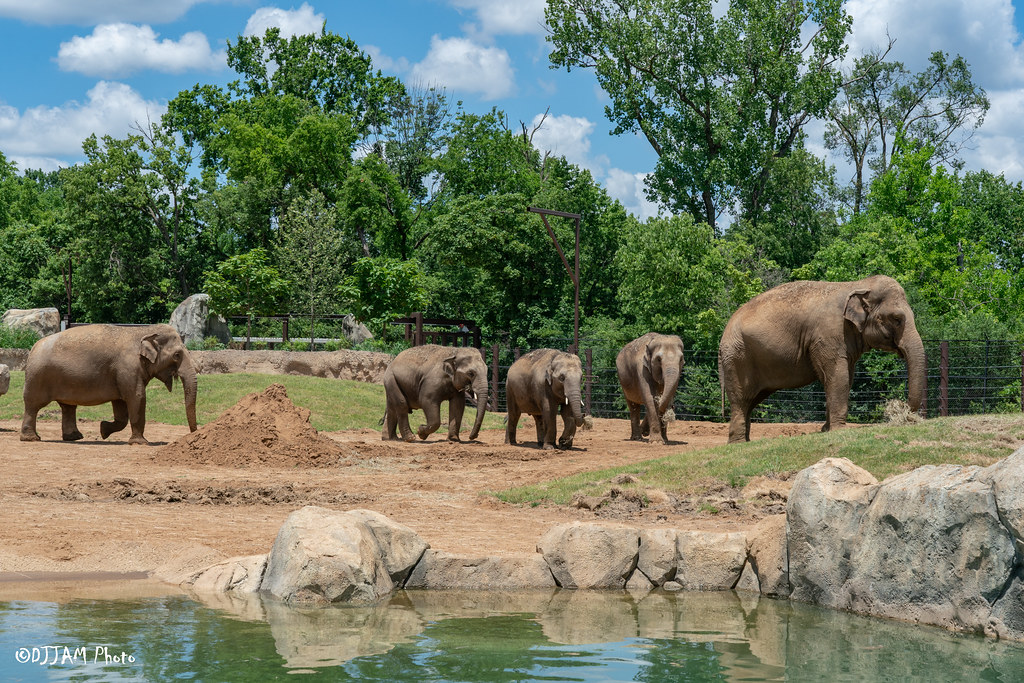
The Asian and African elephants are the largest land animals. In the jungle, elephants are powerful, fast, and can be very aggressive if surprised.
- Most elephant attacks happen because people enter their territory or get between a mother and her calf.
- A charging elephant can reach speeds of up to 25 mph (40 km/h).
Warning signs:
- Fresh tracks, broken branches, or dung
- Loud trumpeting or ear flapping
If you see these signs, back away quietly and avoid dense undergrowth where visibility is low.
Wild Boars
Wild boars live in jungles worldwide. They are short-tempered, fast, and have sharp tusks.
- Boars usually avoid humans, but can charge if startled.
- They are most dangerous during mating season or when protecting young.
Avoid walking near thick bushes or water holes at dusk, and never approach piglets.

Venomous Snakes: Hidden Threats On The Trail
Snakes are one of the most common dangers for jungle trekkers. While many are harmless, some are highly venomous and can be life-threatening.
Common Venomous Jungle Snakes
- Fer-de-lance (Central and South America): Responsible for most snakebites in the region.
- King cobra (Southeast Asia): The world’s longest venomous snake.
- Gaboon viper (Africa): Has the longest fangs and delivers a massive dose of venom.
- Bushmaster (South America): Prefers dense, undisturbed forest.
Here’s a quick comparison of these snakes:
| Snake Species | Region | Main Danger | Typical Habitat |
|---|---|---|---|
| Fer-de-lance | Central & South America | Hemotoxic venom | Leaf litter, forest floor |
| King cobra | Southeast Asia | Neurotoxic venom | Bamboo, dense forest |
| Gaboon viper | Africa | Hemotoxic venom | Leaf litter, rainforests |
| Bushmaster | South America | Hemotoxic venom | Undisturbed forest |
How to stay safe:
- Always watch where you step or place your hands.
- Wear high boots and thick socks.
- Use a stick to probe ahead on overgrown trails.
- Do not try to handle, photograph, or chase wild snakes.
Non-obvious insight: Many bites happen because people sit or step on a snake without seeing it. Always check logs or rocks before sitting.
Insects And Arthropods: Small But Deadly
The jungle is buzzing with life, and not all of it is friendly. Insects cause more problems for trekkers than any large animal.
Mosquitoes
Mosquitoes are the world’s deadliest animals, responsible for over 700,000 deaths each year through diseases like malaria, dengue, and yellow fever.
- In the jungle, mosquitoes breed in stagnant water.
- They are most active at dawn and dusk.
Use insect repellent with DEET, wear long sleeves and pants, and sleep under a mosquito net.
Ticks
Ticks can carry Lyme disease, Rocky Mountain spotted fever, and other illnesses. They latch onto skin and feed on blood.
- Ticks are common in grassy or bushy areas.
- They can be as small as a poppy seed.
Check your body for ticks after hiking, especially armpits, behind knees, and around the waist.
Bullet Ants
The bullet ant is famous for having the most painful sting of any insect, described as “like being shot.” Found in the rainforests of Central and South America, their stings are not usually deadly but can cause intense pain and swelling for up to 24 hours.
- They nest in tree bases and rotten logs.
If you see large, wingless ants (up to 1 inch long), avoid the area.
Centipedes And Scorpions
Jungle centipedes and scorpions deliver venomous bites or stings. Most are not fatal, but they can cause severe pain, swelling, and allergic reactions.
- Centipedes hide under rocks or in leaf litter.
- Scorpions are more active at night.
Practical tip: Always shake out shoes, clothing, and bedding before use.
Amphibians: Colorful But Dangerous
Many jungle frogs and toads are harmless, but some are extremely poisonous.
Poison Dart Frogs
Found mainly in Central and South America, poison dart frogs are tiny but brightly colored. Their skin secretes batrachotoxin, which can be fatal if it enters the bloodstream.
- Local tribes once used their toxins to poison hunting darts.
- Do not touch or handle any brightly colored frog.
Cane Toads
Cane toads are large, invasive amphibians with glands that release a milky toxin. If this gets in your eyes, mouth, or open wounds, it can cause severe pain or illness.
Avoid handling toads, and keep food and hands clean.
Birds: Silent But Aggressive
Most birds avoid people, but some can be dangerous, especially if you approach their nests.
Cassowaries
The cassowary is a large, flightless bird found in Papua New Guinea and Northern Australia. It is considered the world’s most dangerous bird.
- Cassowaries can run up to 30 mph and jump 5 feet.
- They have powerful legs and dagger-like claws that can cause deep wounds.
If you see a cassowary, back away slowly. Never run or make sudden movements.
Hornbills And Raptors
While not usually aggressive, large hornbills or eagles can attack if you come near their nests. Watch for warning calls or swooping behavior.
Jungle Primates: Curious And Sometimes Aggressive
Monkeys and apes are clever, social, and often unafraid of humans, especially where tourists feed them. But they can be unpredictable.
Baboons And Macaques
Baboons (Africa) and macaques (Asia) can become aggressive, especially if you have food.
- They may bite, scratch, or steal bags.
- Monkey bites can transmit rabies and herpes B virus.
Do not feed or approach monkeys, and secure all food and shiny objects.
Chimpanzees
Wild chimpanzees are strong and unpredictable. In rare cases, they may attack if they feel threatened or cornered.
Stay on marked trails and avoid groups of chimpanzees.
Aquatic Hazards: Rivers And Swamps
Jungles are often crossed by rivers, streams, and swamps. These waters are home to animals that can be just as dangerous as anything on land.
Crocodiles And Alligators
Crocodiles (Africa, Asia, Australia) and alligators (Americas) are ambush predators.
- Most attacks happen at riverbanks or when people wade into water.
- Some crocodile species can grow over 20 feet long.
Avoid swimming, washing, or camping near riverbanks. Be especially cautious at dawn and dusk.
Electric Eels And Stingrays
In South America, electric eels can deliver a shock of up to 600 volts, enough to knock a person unconscious in water.
Stingrays hide in shallow, muddy bottoms. Stepping on one can cause a painful, venomous sting.
Shuffle your feet in murky water and never reach into crevices.
Spiders: The Hidden Web
While most spiders are harmless, a few jungle species can cause serious problems.
Brazilian Wandering Spider
Known as the world’s most venomous spider, the Brazilian wandering spider is aggressive and delivers a potent neurotoxin.
- Bites can cause intense pain, paralysis, or even death without treatment.
- These spiders hide in clothing, shoes, and banana plants.
Always check your gear before use, and seek medical help immediately if bitten.
Tarantulas
Tarantulas look scary but are rarely dangerous to humans. However, their bite can cause pain, swelling, and allergic reactions.
Leave all spiders alone, and never put your hands into holes or thick vegetation.
Jungle Animal Danger Comparison
To better understand the risks, here’s a summary of some of the most dangerous jungle animals trekkers should avoid:
| Animal | Main Risk | Fatality Rate (Approx.) | Region |
|---|---|---|---|
| Tiger | Attack if threatened | Up to 10% if attacked | Asia |
| Elephant | Charge, trampling | Up to 15% if attacked | Africa, Asia |
| Fer-de-lance | Venomous bite | 5-10% without treatment | Central/South America |
| Mosquito | Disease transmission | High (700,000+/year globally) | Tropics worldwide |
| Cassowary | Kicking, clawing | Low, but can be fatal | Australia/New Guinea |
| Crocodile | Ambush, drowning | Up to 50% if attacked | Africa, Asia, Americas |
How To Reduce Animal Risks While Jungle Trekking
Knowing which animals to avoid is only the first step. Smart behavior and preparation are your best defenses.
- Travel in groups: Animals are less likely to approach larger groups.
- Use local guides: They know the area, animal habits, and warning signs.
- Make noise: Quiet walkers surprise animals—talk or clap occasionally.
- Stay on marked trails: Most animal attacks happen off-trail.
- Avoid hiking at night: Many predators are more active after dark.
- Keep food sealed: Strong smells attract animals, especially monkeys and boars.
- Never try to feed wild animals: This changes their behavior and makes them more aggressive.
- Check for ticks and stings regularly: Early removal reduces disease risk.
- Wear proper clothing: Long sleeves, pants, and boots protect against bites and stings.
- Carry a first aid kit: Include antivenom if traveling in areas with dangerous snakes.
Non-obvious insight: Many trekkers forget that insects and parasites pose the most common risks. Taking care with clothing, insect repellent, and campsite hygiene will protect you more than any weapon or gadget.
Animals That Look Harmless But Aren’t
Some jungle animals look innocent but can be surprisingly dangerous.
- Slow loris: This small, wide-eyed primate has a venomous bite.
- Cone snails: Found in shallow tropical waters, their sting can be fatal.
- Caterpillars: Some, like the Lonomia, have venomous hairs that cause severe reactions.
Always ask guides before touching or picking up any animal, no matter how cute or small.
What To Do If You Encounter A Dangerous Animal
Knowing how to react can save your life. Here are some basic rules:
- Stay calm: Sudden movements can provoke attacks.
- Back away slowly: Do not run unless you’re certain the animal is not chasing.
- Make yourself look bigger: For big cats or wild boars, raise your arms and speak loudly.
- Don’t turn your back: Keep facing the animal as you retreat.
- If bitten or stung: Seek medical help immediately, even if you feel fine.
Expert tip: Most attacks happen when people panic or try to run. Animals may see this as a reason to chase.
Regional Differences In Jungle Animal Risks
Not all jungles are the same. Here’s a quick breakdown of what to expect in different regions:
- Amazon (South America): Snakes, bullet ants, jaguars, poison frogs, piranhas.
- Central Africa: Elephants, gorillas, Gaboon vipers, mosquitoes, leopards.
- Southeast Asia: Tigers, king cobras, macaques, centipedes, slow loris.
- Australia/New Guinea: Cassowaries, crocodiles, venomous spiders.
Always research your destination and ask locals about current risks.
Frequently Asked Questions
What Should I Do If I Am Bitten By A Snake During Jungle Trekking?
If bitten by a snake, keep calm and limit movement to slow the spread of venom. Do not try to suck out the venom or cut the wound. Remove tight items like rings or watches near the bite. Keep the bitten limb at or below heart level and seek medical help immediately. If possible, remember the snake’s color and markings for identification.
Are All Jungle Animals Dangerous To Humans?
No, most jungle animals are not dangerous if left alone. The real risk comes from surprising animals, trying to feed or touch them, or moving off marked trails. Respecting wildlife and their space is the best way to stay safe.
What Is The Biggest Animal Danger For Jungle Trekkers?
Statistically, mosquitoes cause the most harm by spreading diseases. For physical attacks, elephants, big cats, and crocodiles are the most dangerous. Insects like ticks and spiders also pose health risks.
How Can I Protect Myself From Insects And Parasites?
Wear long sleeves and pants, use strong insect repellent, and sleep under a mosquito net. Check your body for ticks and stings daily. Keep your campsite clean and food sealed to avoid attracting bugs and rodents.
Should I Carry Any Special Equipment For Animal Safety?
Yes, bring a first aid kit with supplies for bites and stings. Consider carrying a whistle, flashlight, and snake bite kit if trekking in high-risk areas. Always travel with a local guide who knows the wildlife and emergency procedures.
Jungle trekking is an unforgettable adventure, but it comes with real risks. With the right knowledge, preparation, and respect for the wild, you can avoid dangerous animals and make your journey both safe and thrilling. For more details on wildlife safety, visit the Wikipedia Jungle page.

