

Jungle trekking is one of the most thrilling ways to connect with nature. It offers a chance to see wild animals, explore dense forests, and test your limits. But with so many jungles around the world, where should you go for the best experience?
This guide will take you through the top destinations for jungle trekking, what makes each special, and how to make the most of your adventure. Whether you’re a first-time trekker or a seasoned explorer, you’ll find real insights here, including non-obvious tips that can change your journey.

36% off Today’s Exclusive Deals
Limited-time Exclusive Deals. Check current discount on Amazon.
Check Price on Amazon As an Amazon Associate I earn from qualifying purchases.What Makes A Jungle Trekking Destination Great?
Not all jungles are the same. The best destinations for jungle trekking offer a mix of wild beauty, biodiversity, safety, and accessibility. Some are famous for their rare animals, while others offer dramatic landscapes or deep cultural history. When choosing your destination, think about these factors:
- Biodiversity: More plant and animal species make the trek richer.
- Scenery: Rivers, waterfalls, and mountains add to the experience.
- Trail Quality: Well-marked but not over-developed trails are ideal.
- Local Guides: Knowledgeable guides can turn a good trek into a great one.
- Safety and Access: Remote jungles are exciting but require careful planning.
Two insights many beginners miss: Trekking in the wet season can be more challenging but also more rewarding, with fewer tourists and more animal activity. Also, some famous treks are best enjoyed with locals who can show you hidden spots or explain traditions.
Let’s explore the world’s top destinations for jungle trekking, each unique in its own way.
1. The Amazon Rainforest, South America
The Amazon Rainforest is the world’s largest jungle, stretching across nine countries. Brazil, Peru, and Ecuador are the most popular gateways for trekking.
You can spot jaguars, sloths, and hundreds of bird species. The dense canopy, winding rivers, and mysterious sounds make it feel like another world. Common trekking routes include the Tambopata Reserve in Peru and the Jau National Park in Brazil.
Travelers often underestimate the difficulty here. Trails can get muddy and navigation is tough without a guide. Disease-carrying insects are common, so vaccinations and mosquito repellent are a must. One unique tip: Trekking by river canoe can let you reach deeper, less-visited spots, especially during the wet season.

2. Borneo, Malaysia And Indonesia
Borneo is famous for its wild orangutans, lush rainforests, and limestone caves. The Malaysian states of Sabah and Sarawak, and Indonesia’s Kalimantan, offer world-class trekking.
Gunung Mulu National Park is known for its caves and canopy walkways. The Danum Valley is a top pick for serious trekkers and wildlife lovers. You might see pygmy elephants, clouded leopards, and exotic birds.
Many visitors don’t realize that Borneo’s jungles are highly humid. Trekking here can be physically demanding, especially in the rainy season. Local guides often know the best times and places to see rare animals. A night trek, guided by a local, is a special experience: you’ll see glowing fungi, night monkeys, and perhaps a slow loris.
3. The Congo Basin, Central Africa
The Congo Basin is Africa’s largest rainforest and home to gorillas, chimpanzees, and forest elephants. Treks here are about deep immersion in wilderness.
Odzala-Kokoua National Park in the Republic of Congo offers guided walks to see western lowland gorillas. The Democratic Republic of Congo’s Virunga National Park is another hotspot, though it requires extra caution due to regional instability.
This is a challenging destination—many parts are remote and basic infrastructure is limited. Permits are required for gorilla trekking, and group sizes are small to protect wildlife. Always check for up-to-date safety advice before planning your trip. A little-known fact: Short dry spells (usually July-August and December-February) are best for trekking, as many trails can flood during the rainy season.
4. The Daintree Rainforest, Australia
The Daintree Rainforest in Queensland is the oldest rainforest on Earth. It’s home to unique plants, birds, and reptiles you won’t see anywhere else.
Popular treks include the Mossman Gorge walk and the Mount Sorrow Ridge Trail. You might spot a cassowary—a large, colorful flightless bird. The trails are well-marked, and swimming in forest streams is a highlight.
First-timers often overlook the dangers of tropical sun and dehydration. Even short hikes require plenty of water, sunscreen, and insect repellent. For an extra experience, join an Aboriginal-guided walk to learn about traditional uses of rainforest plants.
5. Corcovado National Park, Costa Rica
Corcovado National Park on the Osa Peninsula is one of the most biodiverse places in the world. It covers lowland rainforests, swamps, and wild beaches.
You might see tapirs, scarlet macaws, and four monkey species in a single day. The Sirena Ranger Station is a hub for trekkers, with trails leading into the heart of the jungle.
Access is limited to keep the park wild—permits and guides are required. Many people don’t realize that tides can affect river crossings, making some routes impassable for hours. Plan your trek with local advice to avoid getting stuck.
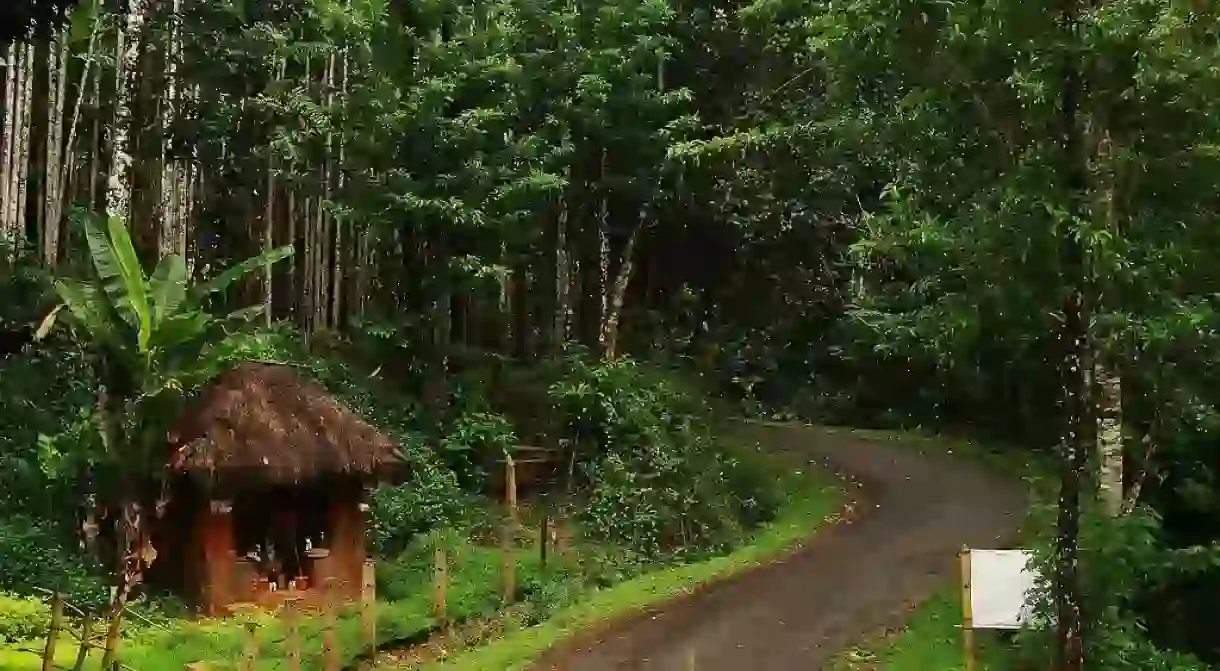
6. Taman Negara, Malaysia
Taman Negara is one of the world’s oldest rainforests, estimated to be 130 million years old. The park covers more than 4,300 square kilometers.
Trek through thick jungle, cross canopy walkways, and spot rare animals like the Malayan tiger (though sightings are rare). The park’s highlight is the climb up Gunung Tahan, Peninsular Malaysia’s highest peak.
Humidity and leeches are common surprises for new trekkers. Protective clothing and leech socks are a good investment. Night walks reveal insects, frogs, and sometimes slow lorises. For a quieter experience, visit during the weekdays.
7. Manu National Park, Peru
Manu National Park is a UNESCO World Heritage Site and covers Andean highlands, cloud forest, and lowland jungle. It’s often called Peru’s most diverse park.
Many treks start from Cusco, taking you from mountains down into lush rainforest. You’ll see giant river otters, macaws, and possibly jaguars if you’re lucky. The park is less crowded than the Amazon near Iquitos or Manaus.
Travelers often underestimate the length and remoteness of treks here. Many routes require at least a week, including river travel. Proper planning and experienced guides are essential. A smart tip: Bring binoculars for the best birdwatching—you’ll regret not having them.
8. Sinharaja Forest Reserve, Sri Lanka
The Sinharaja Forest Reserve is a UNESCO World Heritage Site and Sri Lanka’s last viable area of primary tropical rainforest.
Trekking here is about spotting endemic birds, insects, and plants. The forest is alive with color—especially butterflies and rare birds like the Sri Lanka blue magpie.
Trails are often slippery, especially after rain. Leeches are common, but local guides provide leech socks. Many visitors don’t realize that early morning is the best time to see wildlife. Afternoon rains are frequent, so start your trek early.
9. Sumatran Rainforest, Indonesia
The Sumatran Rainforest includes the Gunung Leuser, Kerinci Seblat, and Bukit Barisan Selatan National Parks.
This is one of the few places to see wild Sumatran orangutans. Treks also offer chances to see Thomas leaf monkeys, gibbons, and even the rare Sumatran tiger (though sightings are extremely rare).
Trails are steep and muddy, so sturdy boots are important. Many tours include overnight camping, adding to the adventure. Local guides know the best spots for animal sightings and can explain local conservation efforts—something most tourists miss.
10. Madagascar
Madagascar’s jungles are unlike anywhere else. Over 90% of the island’s wildlife is found nowhere else on Earth.
Andasibe-Mantadia National Park and Ranomafana National Park are trekking highlights. You’ll see lemurs, colorful chameleons, and unique orchids. Some trails are easy day walks; others require multi-day treks with camping.
Weather can be unpredictable, so pack for both rain and sun. Many new trekkers don’t realize that the best wildlife viewing is during the dry season (May to October), when animals are more active and trails are less slippery.
11. Monteverde Cloud Forest, Costa Rica
The Monteverde Cloud Forest is famous for its misty trails and rich wildlife. Trekking here feels magical, with hanging bridges and thick ferns.
Look for the resplendent quetzal, a bright green and red bird, and dozens of orchid species. Trails range from short walks to longer, challenging hikes. The cloud forest’s cool, damp air is a welcome change from lowland jungle heat.
A common mistake: Not dressing in layers. Mornings can be chilly, but you’ll warm up quickly while trekking. Guided night walks reveal tree frogs, insects, and sleeping birds.
12. The Western Ghats, India
The Western Ghats are a biodiversity hotspot stretching along India’s west coast. The Periyar Tiger Reserve and Silent Valley National Park are top jungle trekking spots.
You’ll find elephants, bison, and a rich variety of birds. Trails often lead through spice plantations, bamboo forests, and grasslands.
Monsoon season (June-September) brings leeches and slippery paths but also lush greenery and waterfalls. Many trekkers miss out by avoiding local homestays, which offer insights into forest life and cuisine.
13. Kalimantan, Indonesian Borneo
Kalimantan is the Indonesian part of Borneo, less visited than Malaysia’s side but just as wild.
The Tanjung Puting National Park is famous for orangutan trekking by river boat. You’ll see proboscis monkeys and crocodiles, too. Trekking here is often combined with river travel in a klotok (wooden boat).
One thing many overlook: Communication can be a challenge. English is less common, so learning a few Indonesian phrases helps. Dry season (June-September) is best for comfortable trekking.
14. Papua New Guinea
Papua New Guinea is one of the world’s last true wilderness frontiers. Jungle trekking here is for the adventurous.
The Kokoda Track is the most famous route, with deep history from World War II. Other regions like the Sepik River basin offer cultural and wildlife experiences.
Trails can be steep, muddy, and remote. Trekkers often face sudden weather changes. Hire local guides, not just for safety but for their knowledge of culture and plants. Many miss out on village stays, which add depth to the experience.
15. The Choco, Colombia And Ecuador
The Choco region is one of the wettest places on Earth. Its jungles are full of rare frogs, birds, and orchids.
Trekking here is less developed but rewarding. Rain is common year-round, so good waterproof gear is essential. Some trails are only accessible with local guides due to changing river levels.
A non-obvious insight: The Choco is also home to Afro-Colombian and Indigenous communities. Cultural experiences can be as memorable as wildlife sightings.
Comparison Of Key Jungle Trekking Destinations
To help you compare the top choices, here’s a table showing their main highlights:
| Destination | Main Attraction | Unique Wildlife | Best Time to Visit |
|---|---|---|---|
| Amazon Rainforest | Biodiversity, River Trips | Jaguars, Sloths, Macaws | May–September |
| Borneo | Orangutans, Caves | Orangutans, Elephants | March–October |
| Daintree | Ancient Rainforest | Cassowaries, Tree Kangaroos | May–September |
| Corcovado | Wild Beaches, Biodiversity | Tapirs, Scarlet Macaws | December–April |
| Manu NP | Cloud Forest to Jungle | Giant Otters, Macaws | May–October |
Essential Tips For Jungle Trekking
Jungle trekking is rewarding, but also demanding. Preparation is key to safety and enjoyment.
- Always trek with a local guide. They know the terrain, dangers, and wildlife.
- Pack light but smart. Essentials: Sturdy boots, quick-dry clothes, insect repellent, sunscreen, hat, water filter, and leech protection where needed.
- Stay hydrated. In humid jungles, you’ll sweat more than you think.
- Respect wildlife. Don’t feed or approach animals.
- Be ready for rain. Even in the dry season, showers are common.
- Carry cash. Many remote areas have no ATMs or card facilities.
- Get the right vaccinations. Check requirements for yellow fever, malaria, and other diseases.
Many new trekkers forget that jungle weather can change quickly. A lightweight poncho and quick-drying socks can make a huge difference. Also, don’t ignore small cuts—clean them immediately to prevent infection in humid conditions.

Trekking Difficulty And Accessibility
Not all jungle treks are equal in difficulty. Here’s a quick comparison:
| Destination | Trek Difficulty | Best For | Permit Required? |
|---|---|---|---|
| Amazon Rainforest | Medium–Hard | Wildlife, River Travel | Often |
| Borneo | Medium | Wildlife, Caves | No |
| Daintree | Easy–Medium | Family Treks | No |
| Corcovado | Medium–Hard | Serious Trekkers | Yes |
| Manu NP | Hard | Remote Wilderness | Yes |
What To Expect On A Jungle Trek
Jungle trekking is not just a walk in the woods. Here’s what you might experience:
- Thick vegetation: Sometimes you’ll push through vines and ferns.
- Wildlife encounters: Monkeys, birds, insects, and sometimes large mammals.
- Humidity: Sweat is constant. Clothes rarely dry.
- River crossings: Water levels change with rain, so routes can shift.
- Basic accommodation: Often camping or simple lodges.
A less obvious challenge is the mental side. The sounds and isolation can feel overwhelming at first, but many trekkers find it deeply calming after a few days.
Choosing The Right Trek For You
With so many choices, how do you pick? Think about:
- Skill level: Some treks are suitable for beginners, others need fitness and experience.
- Wildlife interests: Want to see orangutans, gorillas, or birds?
- Length of trek: From a few hours to over a week.
- Cultural experiences: Some treks include village stays or historic sites.
If you’re not sure, start with a shorter trek in a more developed area, like the Daintree or Monteverde. For a real challenge, try Manu National Park or the Congo Basin with an experienced guide.
Environmental And Cultural Responsibility
Jungle ecosystems are fragile. Follow these guidelines:
- Leave no trace: Pack out all trash.
- Stick to marked trails: Avoid damaging plants and disturbing animals.
- Support local communities: Use local guides and stay in eco-lodges.
- Respect traditions: Many jungles are home to Indigenous people—learn and follow their customs.
A mistake many make: bringing snacks in plastic wrappers. Choose biodegradable options or reusable containers.
Jungle Trekking Safety
Jungle trekking is generally safe if you’re prepared. Always let someone know your route and expected return. Use a guide, especially in remote or unfamiliar jungles. Keep a small first aid kit and know basic first aid for bites or stings.
In some regions, like the Congo or Papua New Guinea, check government travel advisories before your trip. Some areas are off-limits due to political or health risks.
For up-to-date safety information, check resources like the Lonely Planet website.
Frequently Asked Questions
What Is The Best Season For Jungle Trekking?
The best season varies by region. In most places, the dry season is ideal (e.g., May–September in the Amazon and Borneo). This makes trails easier to walk and reduces the risk of flooding. However, some wildlife is more active in the wet season, and there are fewer tourists.
How Safe Is Jungle Trekking?
Jungle trekking is generally safe when done with a guide and proper preparation. Risks include insect bites, dehydration, and getting lost. Always trek with a group, carry a first aid kit, and follow your guide’s advice.
What Should I Pack For A Jungle Trek?
Pack lightweight, quick-dry clothes, sturdy boots, insect repellent, sunscreen, water purification tablets, a hat, a lightweight rain jacket, and a small first aid kit. In some regions, leech socks and binoculars are useful. Bring cash, as remote areas may not accept cards.
Do I Need A Guide For Jungle Trekking?
In most jungles, a local guide is highly recommended or required. Guides know the terrain, can spot wildlife, and help with language or cultural barriers. They also improve safety and support local communities.
Can Beginners Enjoy Jungle Trekking?
Yes, many destinations offer easy treks suitable for beginners, such as the Daintree Rainforest or Monteverde Cloud Forest. Choose shorter, guided treks to start. Be honest about your fitness level and prepare for humidity and insects.
Jungle trekking opens the door to a world of wild beauty and adventure. With the right preparation and respect for nature, your trek will be unforgettable. Whether you dream of spotting orangutans in Borneo, gorillas in the Congo, or lemurs in Madagascar, the world’s jungles are waiting for you.

