

Jungle trekking is more than just walking through dense forests. It’s an adventure that tests your stamina, sharpens your senses, and connects you deeply with nature. For many, it’s the thrill of discovering wild landscapes, hidden waterfalls, and unique wildlife.
For others, it’s about escaping busy city life and breathing clean, fresh air. No matter the reason, jungle trekking offers something special for everyone.

36% off Today’s Exclusive Deals
Limited-time Exclusive Deals. Check current discount on Amazon.
Check Price on Amazon As an Amazon Associate I earn from qualifying purchases.But what exactly is jungle trekking? How does it differ from other types of hiking? What should you expect, and how do you prepare? Let’s explore the world of jungle trekking in detail, covering everything from the basics to advanced tips, so you’ll be ready for your first—or next—adventure.
What Is Jungle Trekking?
Jungle trekking is the activity of hiking or walking through dense tropical forests. Unlike regular hiking, it involves navigating thick vegetation, slippery paths, river crossings, and sometimes steep hills. The main goal is to explore the natural beauty and biodiversity of the jungle, often in regions like Southeast Asia, South America, Africa, and Central America.
Jungle trekking can be:
- Guided tours led by experienced locals or park rangers
- Solo adventures for those with strong survival skills
- Group excursions with friends, clubs, or organizations
The terrain is often challenging. You may encounter mud, insects, wild animals, and unpredictable weather. Trekkers must be prepared both physically and mentally.
Key Features Of Jungle Trekking
- Dense vegetation: Thick trees, vines, and plants block sunlight and paths.
- High humidity: The air is moist, which can make walking more exhausting.
- Wildlife encounters: From birds and monkeys to snakes and insects.
- Natural obstacles: Rivers, steep slopes, fallen logs, and slippery rocks.
Jungle trekking is popular in countries like Malaysia, Thailand, Indonesia, Brazil, and Costa Rica. Famous spots include the Amazon Rainforest, Taman Negara in Malaysia, and Corcovado National Park in Costa Rica.
Jungle Trekking Vs. Other Types Of Hiking
To understand jungle trekking better, it helps to compare it with other hiking styles.
| Aspect | Jungle Trekking | Mountain Hiking | Desert Hiking |
|---|---|---|---|
| Terrain | Dense forest, muddy, humid | Rocky, steep, cool | Sand, dry, hot |
| Visibility | Low, blocked by plants | High, wide views | Open, clear skies |
| Wildlife | Birds, insects, mammals | Goats, birds, reptiles | Snakes, insects, rodents |
| Challenges | Humidity, insects, slippery | Altitude, cold, thin air | Heat, dehydration, sand storms |
While hiking in mountains or deserts requires different skills, jungle trekking often demands adaptability and awareness of the environment. The jungle is unpredictable, and conditions can change quickly.
Why People Love Jungle Trekking
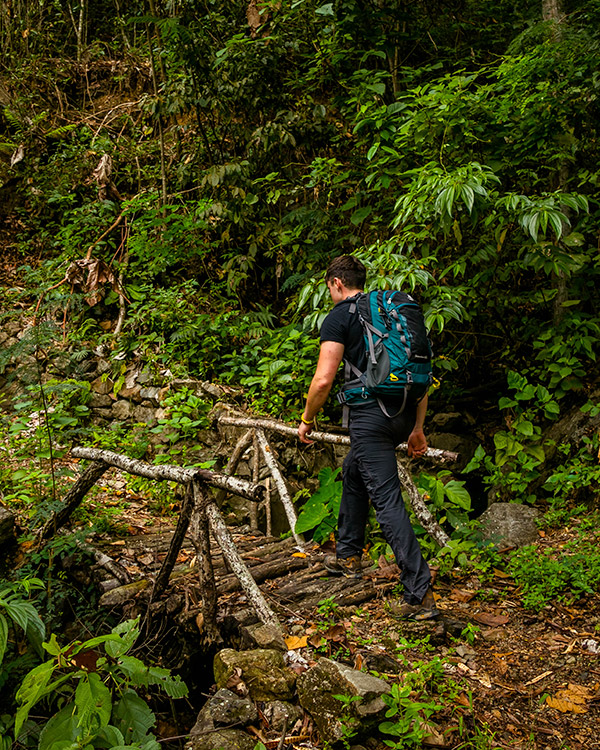
Jungle trekking is not just about walking. It’s a full experience that attracts thousands of adventurers every year. Here’s why people love it:
- Wildlife spotting: You can see animals and plants not found anywhere else.
- Connection with nature: The jungle is alive, vibrant, and full of surprises.
- Physical challenge: Trekking builds stamina and strength.
- Mental reset: The calm and beauty of the forest can reduce stress.
- Adventure: Every trek is unique, with new trails and discoveries.
A study by the Adventure Travel Trade Association found that jungle trekking is one of the top three reasons tourists visit tropical countries. It combines adventure, education, and relaxation.
Essential Gear For Jungle Trekking
Packing the right gear is critical for a safe and enjoyable trek. The jungle is unforgiving if you come unprepared.
| Item | Purpose | Tips |
|---|---|---|
| Lightweight boots | Protect feet, grip slippery ground | Choose waterproof and quick-drying |
| Long-sleeve shirt and pants | Prevent scratches, insect bites | Use breathable, moisture-wicking fabric |
| Rain jacket | Shield from rain, keep dry | Packable and lightweight is best |
| Hat and sunglasses | Protect from sun and branches | Wide-brim hats offer better coverage |
| Insect repellent | Guard against mosquitoes and bugs | Apply often, especially after rain |
| Water bottle or hydration pack | Stay hydrated in humid conditions | Carry at least 2 liters |
| First aid kit | Handle minor injuries | Include bandages, antiseptic, painkillers |
| Navigation tools | Find your way (map, compass, GPS) | Download offline maps before trekking |
| Snacks | Boost energy | Choose nuts, energy bars, dried fruit |
| Whistle | Signal for help | Attach to backpack for easy access |
A common mistake is overpacking. The jungle is hot and humid, so lightweight gear is best. Carry only what you need, but never skip essentials.
How To Prepare For Jungle Trekking
Preparation starts long before you enter the forest. Here’s how to get ready:
Physical Training
- Build endurance: Walk, jog, or climb stairs several weeks before your trek.
- Increase strength: Focus on legs, core, and arms.
- Practice balance: Try exercises like yoga or balance boards.
Jungle trekking is tough on the body. If you’re not fit, you’ll tire quickly, which can lead to mistakes.
Research And Planning
- Study the route: Learn about the terrain, distance, and difficulty.
- Check weather conditions: Rain can make trails unsafe.
- Get permits: Some jungles require official permission.
- Arrange guides: Local guides know the area and can help in emergencies.
Many beginners forget to check the weather. Heavy rain can flood paths and make river crossings dangerous. Always check forecasts and prepare for sudden changes.
Vaccinations And Health
- Get vaccines: Hepatitis, typhoid, and yellow fever are common requirements.
- Carry medicines: Include allergy pills, insect bite cream, and diarrhea medicine.
- Drink clean water: Use water filters or purification tablets.
Health risks in jungles are higher than in urban areas. Even small wounds can get infected quickly due to humidity and bacteria.
Safety Tips For Jungle Trekking
Safety is the number one priority. The jungle is beautiful, but it can be dangerous if you’re not careful.
Stay On Marked Trails
Always follow marked paths or guides. Going off-trail increases the risk of getting lost or encountering dangerous animals.
Watch Your Step
The ground is often slippery and uneven. Take small steps and use a walking stick if needed.
Protect Against Insects
Mosquitoes and other insects can carry diseases. Wear long sleeves, use repellent, and check for ticks after the trek.
Be Aware Of Wildlife
Never feed or approach wild animals. Some are harmless, but others can be aggressive or carry diseases.
Hydrate Often
The humid air causes you to sweat more. Drink water regularly, even if you don’t feel thirsty.
Emergency Preparedness
- Tell someone your plan and expected return time.
- Carry a fully charged phone or a GPS device.
- Know basic first aid.
A non-obvious tip: Carry a small mirror. It’s useful for signaling rescuers if you get lost.
Popular Jungle Trekking Destinations
There are many jungles around the world, each with unique features. Here are some of the best-known destinations:
- Amazon Rainforest, Brazil – The world’s largest tropical forest, home to over 400 billion trees and thousands of animal species.
- Taman Negara, Malaysia – One of the oldest rainforests, with canopy walks and river crossings.
- Corcovado National Park, Costa Rica – Rich in biodiversity, famous for jaguars and monkeys.
- Sumatra Rainforest, Indonesia – Known for orangutans and rare plants.
- Bwindi Impenetrable Forest, Uganda – Famous for gorilla trekking.
Each destination offers different experiences, from spotting rare wildlife to exploring ancient trees. Choose based on your interests and skill level.
Jungle Trekking And Conservation
Jungle trekking can help protect forests—if done responsibly. Many parks and organizations use trekking fees to fund conservation projects. Trekkers also become advocates for nature, sharing their experiences and encouraging others to care for the environment.
However, irresponsible trekking can damage fragile ecosystems. Here’s how to tread lightly:
- Leave no trace: Take all trash with you.
- Stay on trails: Avoid disturbing plants and animals.
- Support local guides: They often help with conservation.
A study in 2022 showed that eco-tourism, including jungle trekking, contributes over $30 billion annually to conservation efforts worldwide.

What To Expect During A Jungle Trek
A typical jungle trek starts early in the morning. You meet your guide, check your gear, and enter the forest. The journey can last from a few hours to several days, depending on the trail.
Common Experiences
- Sounds: Birds singing, insects buzzing, water flowing.
- Sights: Tall trees, colorful flowers, animals moving through the brush.
- Smells: Fresh earth, damp leaves, occasional fragrant blossoms.
You may cross rivers, climb hills, and stop for breaks at scenic spots. Guides often point out rare animals or plants. Sometimes, you camp overnight, sleeping in tents or huts.
Expect the unexpected. Trails can change due to fallen trees or floods. Wildlife may appear suddenly. It’s important to stay flexible and listen to your guide.
Jungle Trekking For Beginners
If you’re new to jungle trekking, start with shorter, easier trails. Choose guided tours and ask lots of questions. Here’s a simple checklist:
- Choose a well-known park with marked trails.
- Join a group or book a guide.
- Pack light but take essentials.
- Prepare physically with short hikes.
- Respect nature and follow rules.
Beginners often underestimate the humidity and difficulty. Pace yourself, drink water often, and enjoy the journey.
Advanced Jungle Trekking
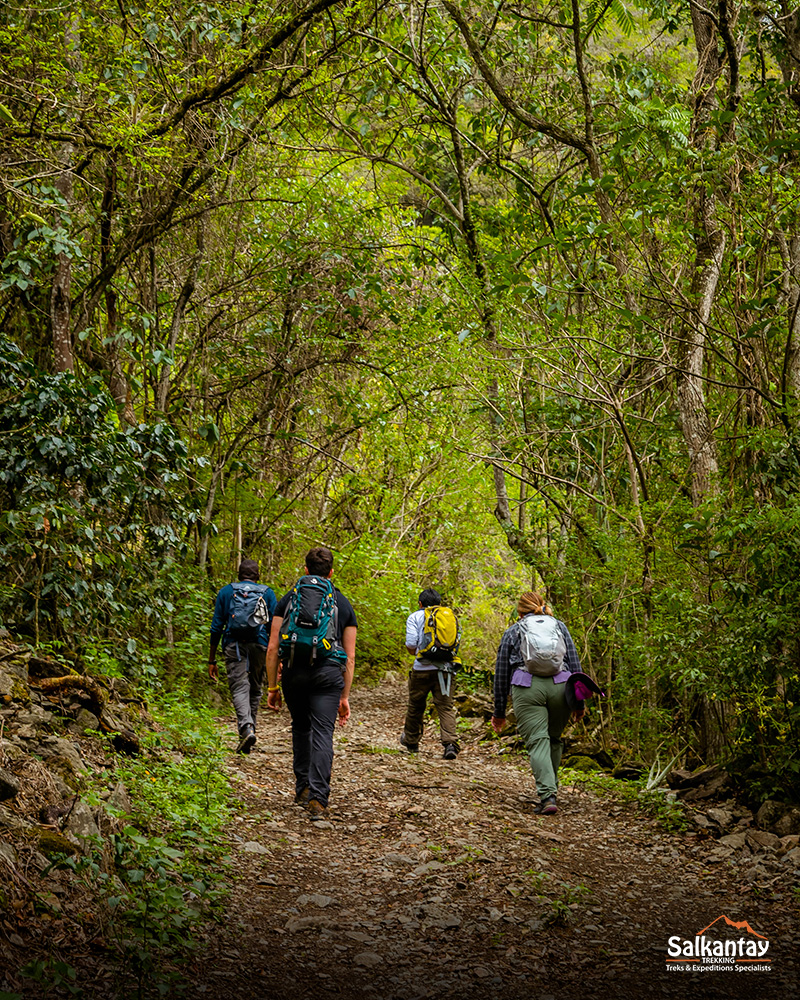
Experienced trekkers may seek longer, more challenging routes. These often require:
- Advanced navigation skills
- Survival techniques (like making shelter or finding clean water)
- Deeper knowledge of wildlife and plants
Some advanced treks last several days and involve camping, river crossings, and remote areas. Preparation is key—never attempt difficult treks alone.
A non-obvious insight: In some jungles, cell phone signals disappear quickly. Carrying a satellite phone or emergency beacon can be life-saving.
Effects On Mind And Body
Jungle trekking is not just physical. It affects your mind and emotions too.
Physical Benefits
- Improved cardiovascular health
- Stronger muscles and joints
- Better balance and coordination
Mental Benefits
- Reduced stress
- Increased focus and mindfulness
- Boosted confidence
Research from the University of Exeter found that spending time in green spaces like jungles lowers blood pressure and improves mental health.
Common Mistakes In Jungle Trekking
Even experienced trekkers make mistakes. Avoid these:
- Underestimating the terrain: The jungle is harder than it looks.
- Ignoring weather forecasts: Sudden rain can make trails dangerous.
- Overpacking: Heavy bags slow you down and cause fatigue.
- Neglecting insect protection: Mosquitoes are more than a nuisance.
- Failing to tell someone your plan: If you get lost, rescue becomes harder.
A helpful tip: Always check the park rules and ask guides about recent trail changes or hazards.
Jungle Trekking With Children And Families
Families can enjoy jungle trekking if they choose the right trail and prepare properly.
- Select short, easy routes.
- Carry snacks, water, and extra clothes.
- Teach kids basic safety rules.
- Watch for allergies (plants, insects).
Children often love the adventure. It’s a great way to teach respect for nature and build family bonds. But always keep safety as the top priority.
Jungle Trekking And Culture
In many regions, jungle trekking is linked to local culture and traditions. Indigenous guides often share stories, teach survival skills, and explain the importance of the forest.
Some treks include visits to local villages, traditional meals, or learning about medicinal plants. These experiences deepen your understanding and appreciation of the jungle.
Planning Your First Jungle Trek
To plan your trek:
- Decide on a destination based on your skill level.
- Set the date and check weather forecasts.
- Book a guide or join a group.
- Prepare gear and check health requirements.
- Inform a friend or family member of your plan.
Always review park websites or official sources. For example, the Wikipedia Trekking page gives useful background and links to many global parks.
Frequently Asked Questions
What Is The Best Time For Jungle Trekking?
The best time depends on the region. In Southeast Asia, dry season (November–March) is ideal. Avoid heavy rains, which can make trails unsafe and limit wildlife sightings.
Is Jungle Trekking Safe For Beginners?
Yes, if you choose easy trails and use a guide. Always follow safety rules, stay hydrated, and avoid risky areas. Beginners should avoid solo treks in remote jungles.
What Should I Wear For Jungle Trekking?
Wear long sleeves, lightweight pants, waterproof boots, and a hat. Clothing should be breathable and protect against insects and scratches. Avoid cotton; it stays wet and can cause chills.
How Do I Protect Myself From Insects?
Use insect repellent (with DEET), wear long sleeves, and avoid standing water. Check skin often for ticks and apply repellent after rain or sweating.
Can I Camp In The Jungle?
Yes, many treks include camping. Use tents or hammocks with mosquito nets. Choose safe, dry spots and follow park rules. Never leave food outside—animals may be attracted.
Jungle trekking is a unique adventure that blends challenge, beauty, and discovery. With the right preparation and respect for nature, you can enjoy an unforgettable experience in some of the world’s most amazing forests. Whether you seek rare animals, quiet trails, or cultural stories, the jungle has something to offer.
Start planning your trek, and step into a world unlike any other.

