

When you look at boats speeding across the water with tall, strong towers holding wakeboard racks and speakers, you might wonder: what is the best material for a wakeboard tower? This question is more important than it first appears. The right material does not just give your boat a modern look—it affects safety, weight, sound quality, maintenance, and even your wallet. Whether you’re a new wakeboard boat owner or upgrading your ride, knowing how materials impact performance will help you make a smart, confident choice.
Wakeboard towers must handle strong forces, salt or fresh water, and years of sun and wind. Some materials look similar but perform very differently when tested in real-world conditions. The wrong choice can mean rust, cracks, noise, or even a safety risk.

36% off Today’s Exclusive Deals
Limited-time Exclusive Deals. Check current discount on Amazon.
Check Price on Amazon As an Amazon Associate I earn from qualifying purchases.This article will break down the pros and cons of each main wakeboard tower material, compare their performance, and guide you through common mistakes. You’ll also get insider tips that many first-time buyers miss. Let’s dive in and find out which material truly stands out.
What Is A Wakeboard Tower And Why Does Material Matter?
A wakeboard tower is a metal frame mounted to a boat, designed to let riders pull themselves up more easily and create bigger, better jumps. But its job is not just about looks or function. The tower must be strong enough to handle repeated pulls from the tow rope, the boat’s movement, and the weight of speakers, lights, and boards. All these stresses make material choice critical.
Key Roles Of Wakeboard Tower Material
- Structural strength: The tower must not bend, crack, or break under pressure.
- Corrosion resistance: Towers face water, UV rays, and sometimes salt, so rust or corrosion is a real risk.
- Weight: Heavy towers can affect boat handling; too light, and they might not be sturdy.
- Ease of customization: Some materials are easier to weld or shape for adding accessories.
- Aesthetics: The right finish can last for years or need constant polishing.
These factors mean the right material is not just about price or looks, but long-term enjoyment, safety, and value.
Main Materials Used In Wakeboard Towers
Not all metals are equal for marine use. Let’s look closely at the main materials you’ll see in today’s wakeboard towers.
1. Aluminum (6061-t6 And 6063-t6)
Aluminum is the most common material for wakeboard towers. It is light, strong, and resists corrosion better than steel.
- 6061-T6: Known for high strength, machinability, and resistance to corrosion. Used in aviation and marine industries.
- 6063-T6: Slightly lower strength but excellent for smooth finishes and complex shapes.
2. Stainless Steel (304 And 316)
Stainless steel is heavier but offers great strength and a polished look. It is used in high-end or custom towers.
- 304 Stainless: Good general corrosion resistance, strong, and less expensive.
- 316 Stainless: More resistant to saltwater corrosion due to higher molybdenum content.
3. Mild Steel (powder-coated Or Painted)
Some budget towers use mild steel, coated to resist rust. It is heavier and needs more care.
4. Carbon Fiber (rare/custom)
Carbon fiber is ultra-light and strong but very expensive. It’s found in custom or racing boats, not common consumer models.
Comparing Wakeboard Tower Materials: Strength, Weight, And Durability
To see how these materials measure up, let’s compare their main features in a simple table.
| Material | Strength (Yield, psi) | Weight (lb/ft³) | Corrosion Resistance | Common Use |
|---|---|---|---|---|
| 6061-T6 Aluminum | 40,000 | 169 | High | Most towers |
| 304 Stainless Steel | 30,000 | 494 | Good | Premium towers |
| 316 Stainless Steel | 30,000 | 494 | Very High | Saltwater towers |
| Mild Steel | 36,000 | 490 | Low (unless coated) | Budget towers |
| Carbon Fiber | 250,000+ | 110 | Excellent | Custom/racing |
What Do These Numbers Mean?
- Strength: Higher numbers mean the material resists bending/cracking better. Aluminum is strong for its weight; carbon fiber is in a class of its own.
- Weight: Lower numbers are better for not weighing down the boat. Aluminum and carbon fiber are much lighter than steel.
- Corrosion Resistance: Important for long-term durability, especially in saltwater.
Aluminum Wakeboard Towers: The Popular Choice
Aluminum, especially 6061-T6, is used in most wakeboard towers today. It offers the best balance of weight, strength, and cost.
Benefits Of Aluminum
- Lightweight: Easier to install, does not affect boat handling much.
- Strong: Withstands rope pulls and rough water.
- Corrosion-resistant: Naturally forms a protective oxide layer; ideal for marine use.
- Easily shaped: Allows for custom designs and smooth welds.
- Low maintenance: Needs less care than steel.
Drawbacks Of Aluminum
- Surface scratches: Aluminum can scratch more easily than steel, but these are usually cosmetic.
- Less “mirror” shine: Even polished aluminum is less shiny than stainless, but many prefer its satin look.
Real-world Example
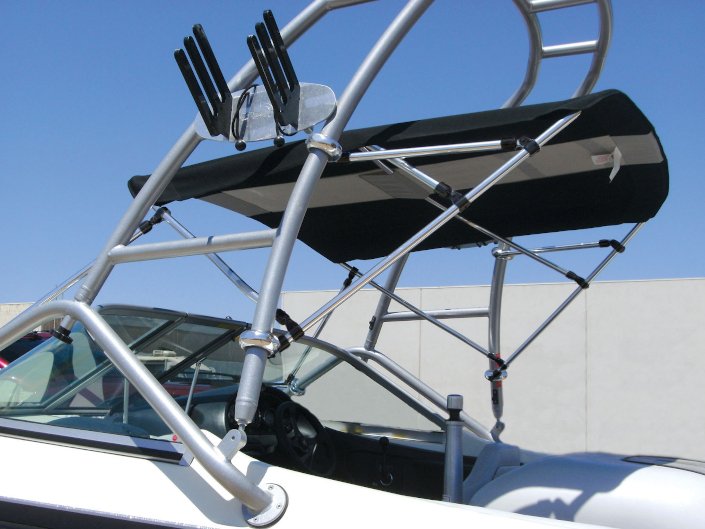
Most top brands like Monster Tower, Roswell, and Samson use 6061-T6 aluminum. These towers hold up for years with minimal rust or maintenance.
Stainless Steel Wakeboard Towers: Strength And Shine
Stainless steel is heavier and more expensive but offers special advantages, especially for saltwater boaters.
Benefits Of Stainless Steel
- High strength: Handles very heavy loads without bending.
- Beautiful finish: Polished stainless has a deep, mirror-like shine many owners love.
- Great corrosion resistance: Especially with 316 stainless, which resists salt better.
Drawbacks Of Stainless Steel
- Heavy: Can affect small boat handling and fuel use.
- Expensive: Costs more to buy and install.
- More difficult to shape: Not as easy to customize as aluminum.
When To Choose Stainless Steel
If you boat in saltwater or want a showpiece look, stainless is a strong choice. Many luxury and tournament boats use custom stainless towers.
Mild Steel Wakeboard Towers: Budget Option
Mild steel is rarely used in new towers, but you might find it in older or budget models.
Pros
- Low cost: Cheapest material option.
- Strong: Good basic strength.
Cons
- Rusts easily: Needs regular painting or powder coating.
- Heavy: Adds weight to the boat.
- High maintenance: Any chip in the coating can lead to rust.
Where Mild Steel Still Makes Sense
For a temporary or very low-cost solution, mild steel might be used. But most buyers upgrade to aluminum or stainless when possible.
Carbon Fiber Wakeboard Towers: The Exotic Option
Carbon fiber is almost never seen in production wakeboard towers. It’s ultra-strong, very light, but extremely expensive.
Advantages
- Highest strength-to-weight ratio: Lighter and stronger than even aluminum.
- No corrosion: Completely resists rust.
Disadvantages
- Very costly: Only used in custom or pro-level racing boats.
- Limited repair options: Damage is harder and more expensive to fix.
- Not widely available: Few, if any, mass-market options.
Is Carbon Fiber Worth It?
Unless you are building a custom show or race boat and cost is no object, carbon fiber is not practical for most wakeboarders.
Common Buyer Mistakes With Wakeboard Tower Materials
Choosing the wrong tower material can lead to expensive regrets. Here are common mistakes—and how to avoid them.
- Ignoring local water conditions: Saltwater requires high corrosion resistance (316 stainless or anodized aluminum).
- Choosing by looks only: A shiny tower might rust or weigh too much if the material isn’t right for your needs.
- Forgetting accessories: Some materials are harder to drill or weld, making it tough to add speakers, racks, or lights later.
- Ignoring boat size: Heavy materials can badly affect small boats’ balance and speed.
- Trusting cheap coatings: Powder coating or paint can chip, exposing mild steel to rust. Aluminum’s natural oxide layer is more reliable.
Real-world Performance: Material Choices By Wakeboard Tower Brands
Let’s compare how leading brands use different materials and why.
| Brand | Material Used | Main Reason | Target Market |
|---|---|---|---|
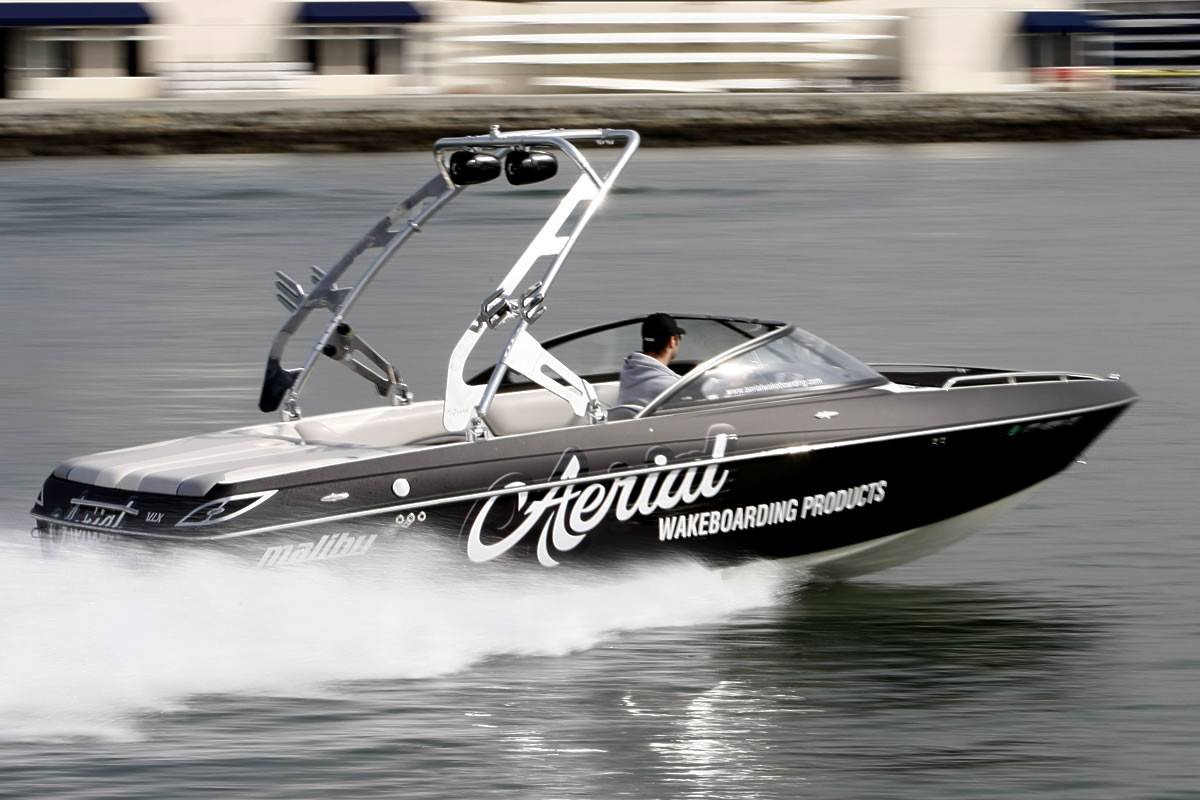
| Monster Tower | 6061-T6 Aluminum | Lightweight & corrosion resistance | General/recreational |
| Roswell Marine | 6061-T6 Aluminum | Strength & custom designs | Mid-high end |
| Samson Sports | Stainless Steel | Premium shine, saltwater use | Luxury/tournament |
| Aftermarket Budget | Mild Steel (coated) | Low price | Entry-level |
Maintenance: How Material Affects Care And Longevity
The material you pick for your wakeboard tower will also decide how much work you need to keep it looking and working great.
Aluminum Care
- Wash with fresh water: After every trip, especially in saltwater.
- Use non-abrasive cleaners: Avoid scratching the finish.
- Inspect welds and joints: Look for signs of fatigue or cracks.
Stainless Steel Care
- Polish regularly: To keep the mirror shine.
- Rinse after saltwater use: Prevents surface rust.
- Check for pitting: Especially in welds and areas that trap water.
Mild Steel Care
- Check coatings: Fix chips or scratches quickly.
- Oil exposed areas: If paint is damaged, rust can spread fast.
Carbon Fiber Care
- Inspect for cracks: Any hit can damage the fibers.
- Clean gently: Avoid harsh chemicals.
Cost Comparison: What Should You Expect To Pay?
Material choice affects both initial price and long-term costs.
- Aluminum towers: $900–$2,500 (most buyers)
- Stainless steel towers: $2,000–$5,000+ (premium and custom)
- Mild steel towers: $600–$1,200 (budget/entry)
- Carbon fiber towers: $5,000+ (custom only)
Aluminum is the best value for most. Stainless costs more upfront but can outlast others if cared for.
Insider Insights: What Most Beginners Overlook
Even careful buyers miss some important details.
- Anodized vs. polished aluminum: Anodized finishes add extra corrosion resistance and color options. Polished aluminum looks shiny but can dull faster.
- Tube wall thickness: Two towers may look the same, but a thicker tube wall means much more strength. Always check specs, not just outside diameter.
- Mounting hardware: The best tower material is useless if the bolts or mounts are low quality. Stainless hardware is a must for marine use.
- Noise and vibration: Heavier towers (steel) can transfer more vibration into the hull, causing noise. Aluminum tends to be quieter in choppy water.
- Resale value: Towers made from premium materials help your boat keep its value and are easier to sell later.
How To Choose: Step-by-step Guide
If you’re ready to buy, here’s a simple process to follow:
- Decide where you’ll boat most: Saltwater? Go for 316 stainless or anodized aluminum. Freshwater? Aluminum is usually best.
- Set your budget: Remember, a good tower is an investment in safety and fun.
- Compare installation needs: Lighter towers are easier for DIY installs.
- Check for accessories: Make sure the material lets you add racks, speakers, and lights.
- Ask about warranties: Good brands back their towers for years—especially on welds and material defects.
- Get real user feedback: Read reviews or ask local boaters what works for them.
Environmental Impact: Aluminum Vs. Steel
Concerned about the planet? Here’s how material choice affects the environment.
- Aluminum: Uses a lot of energy to produce but is 100% recyclable. Many towers use recycled aluminum.
- Stainless steel: Also recyclable but heavier, so requires more energy to move and install.
- Mild steel: Produces more rust and waste if not cared for.
- Carbon fiber: Hard to recycle; less eco-friendly despite low weight.
For most eco-conscious buyers, aluminum is the best balance of performance and recyclability.
Final Verdict: The Best Material For A Wakeboard Tower
After looking at all the facts, 6061-T6 aluminum stands out as the best material for most wakeboard towers. It combines high strength, low weight, and natural corrosion resistance, making it ideal for both fresh and saltwater. Stainless steel is the top choice for those who want a mirror shine or boat in harsh saltwater, but expect to pay and carry more weight. Mild steel is best avoided unless price is your only concern. Carbon fiber is a dream material, but not practical for most boaters.
If you want a tower that lasts, looks good, and doesn’t hurt boat performance, choose a quality aluminum model from a proven brand. Check for anodized finishes, thick tube walls, and stainless mounting hardware for best results. As a final step, always ask for real user reviews and see the tower in person if possible.
For more in-depth technical details on material properties, you can visit the Wikipedia wakeboard tower page.
Frequently Asked Questions
What Is The Lightest Material For A Wakeboard Tower?
Carbon fiber is the lightest and strongest material, but it’s extremely expensive and rare. For most buyers, aluminum is the best balance of low weight and high strength.
How Do I Prevent My Wakeboard Tower From Corroding?
Choose anodized aluminum or 316 stainless steel for best corrosion resistance. Always rinse your tower with fresh water after use, especially in saltwater, and inspect for chips or scratches regularly.
Can I Install A Wakeboard Tower Myself?
Yes, many aluminum towers are designed for DIY installation. Choose a model with clear instructions and check your boat’s structure before starting. Heavier materials like stainless steel may require professional help.
Does The Material Affect Wakeboard Tower Noise?
Yes. Heavier towers (like steel) can sometimes transfer more vibration and noise into the boat hull, especially in rough water. Aluminum is generally quieter due to its lighter weight and better vibration absorption.
What Is The Best Wakeboard Tower Material For Saltwater Use?
316 stainless steel is the gold standard for saltwater, but high-quality anodized aluminum also works well for most boaters. Avoid mild steel unless you want lots of maintenance.
A smart choice today means years of safe, fun wakeboarding ahead. Take your time, weigh your options, and choose the material that fits your water, budget, and style for the best boating experience.


