

Basketball engages major leg muscles, core stabilizers, and upper-body muscles through running, jumping, and shooting.
I’ve studied athletic conditioning and coached pickup games for years, so I know exactly what muscles does basketball work and why those muscles matter for performance. Read on for a clear, practical guide that breaks down the primary muscles used, how the sport trains strength and endurance, drills to develop specific areas, injury-prevention tips, and real-world advice you can use on the court.

36% off Today’s Exclusive Deals
Limited-time Exclusive Deals. Check current discount on Amazon.
Check Price on Amazon As an Amazon Associate I earn from qualifying purchases.
How basketball builds muscle
Basketball is a fast, multi-directional sport. Moves like sprinting, jumping, cutting, and shooting recruit many muscles at once. When players explode off the floor, they use power from their legs and hips. When they change direction, stabilizers help protect joints.
If you wonder what muscles does basketball work during a typical play, think of a chain reaction. The ankles, calves, quads, and glutes produce force. The core transmits that force to the upper body. The shoulders and forearms fine-tune passes and shots. This chain explains why basketball improves strength, endurance, and coordination all together.
Common game actions and the primary muscle emphasis:
- Sprinting: hamstrings, quadriceps, glutes, calves.
- Jumping: glutes, quadriceps, calves, core.
- Cutting and lateral movement: hip abductors, adductors, glute medius, calves.
- Shooting and passing: deltoids, pectorals, triceps, forearms.
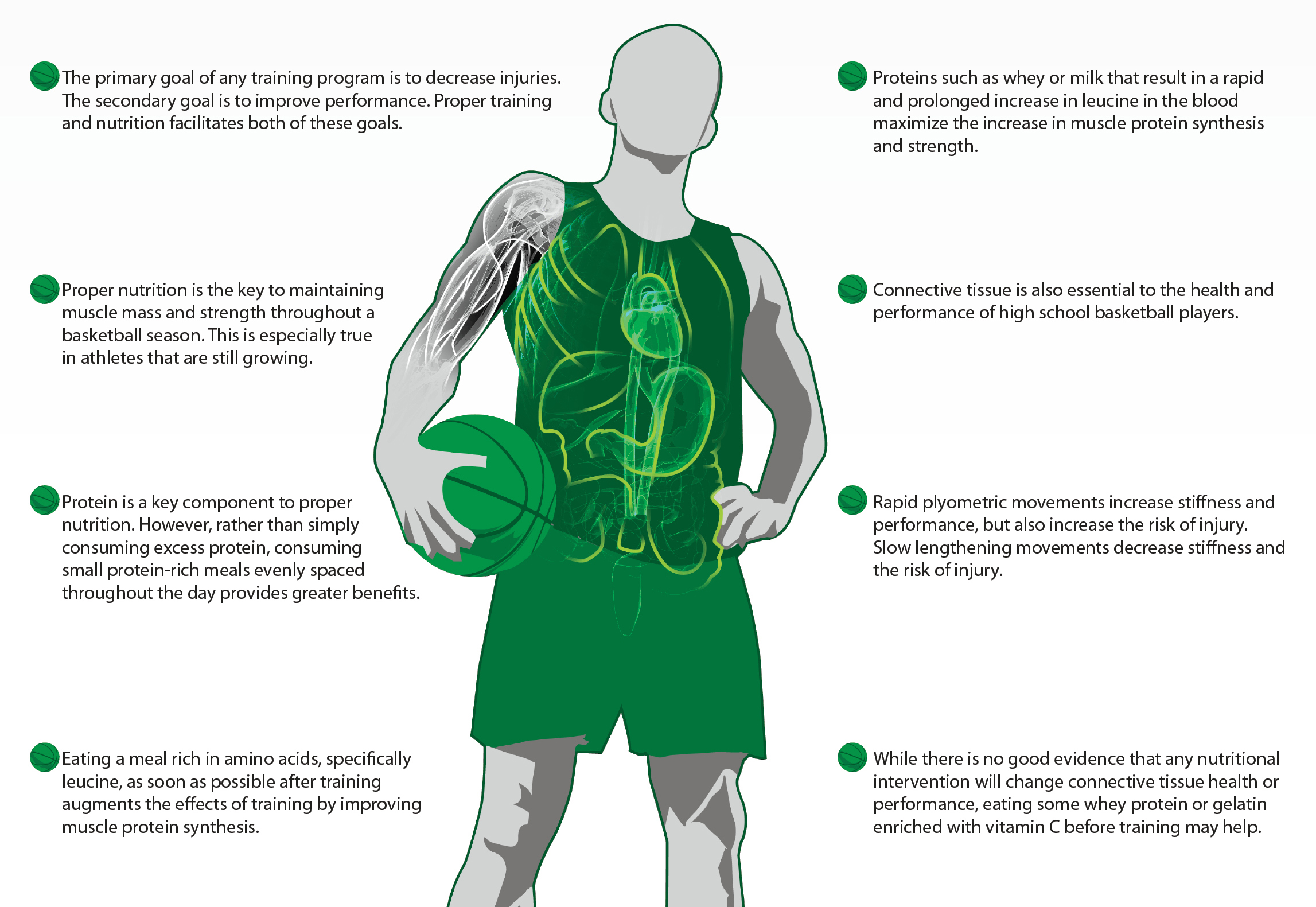
Primary muscles worked in basketball
Below is a practical breakdown of the main muscle groups and their role on the court.
Legs
- Quadriceps: Drive knee extension for running and jumping.
- Hamstrings: Help decelerate the leg and assist in sprinting.
- Glutes: Provide hip extension and explosive power for jumps and drives.
- Calves (gastrocnemius and soleus): Propel the foot during push-off and sprinting.
Core and trunk
- Rectus abdominis and obliques: Stabilize the torso during contact and rotating movements.
- Transverse abdominis: Keeps the spine stable for force transfer.
- Lower back (erector spinae): Supports posture and rebounding efforts.
Upper body
- Deltoids: Lift and stabilize the arm for shooting and passing.
- Pectorals: Support pushing movements and chest passes.
- Triceps and biceps: Extend and flex the elbow during shooting and ball control.
- Forearms and grip muscles: Control dribbling and secure rebounds.
When answering what muscles does basketball work, these groups cover the main sources of power, stability, and control for most basketball actions.

Secondary muscles and stabilizers
Basketball also strengthens small but important muscles that prevent injury and improve skill.
- Hip flexors: Help lift the knee in fast sprints and drives.
- Hip abductors and adductors: Control lateral movement and balance during cuts.
- Rotator cuff: Stabilizes the shoulder during repetitive shooting and passing.
- Tibialis anterior: Controls foot placement and helps prevent shinsplints.
- Upper back and traps: Assist with posture, rebounding, and physical play.
These secondary muscles matter when you ask what muscles does basketball work beyond obvious movers. They keep you agile and resilient through quick changes.
Benefits of basketball for strength, endurance, and power
Playing basketball regularly delivers a mix of fitness benefits that target muscles directly and indirectly.
- Improved muscular endurance: Repeated sprints and play sequences build stamina in legs and core.
- Enhanced explosive power: Plyometric actions like jumping strengthen fast-twitch fibers in glutes and quads.
- Better balance and coordination: Small stabilizers and core muscles adapt to dynamic movement.
- Functional strength: The sport trains muscles in movement patterns similar to everyday activities.
- Metabolic conditioning: The blend of anaerobic bursts and aerobic play increases calorie burn and conditioning.
If you want to know what muscles does basketball work for a specific fitness goal, basketball helps with power and endurance more than raw hypertrophy. For size gains, pair court work with targeted strength training.

Sample drills and workouts to target key muscles
These drills reproduce game demands while developing specific muscles.
- Jump-strength circuit
- Exercise 1: Box jumps, 3 sets of 6 reps
- Exercise 2: Bulgarian split squats, 3 sets of 8 reps per leg
- Exercise 3: Calf raises, 3 sets of 15 reps
- Core and stability routine
- Plank variations, 3 rounds of 45 seconds
- Pallof press, 3 sets of 10 reps per side
- Single-leg deadlift, 3 sets of 8 reps per leg
- Upper-body maintenance
- Push-ups or bench press, 3 sets of 8–12 reps
- Dumbbell rows, 3 sets of 10 reps
- Rotator cuff band work, 3 sets of 15 reps
- On-court conditioning
- Suicides or short sprints, 6 repeats with full recovery
- Lateral shuffle drills, 4 sets of 20 seconds
- Rebound-and-putback drills, 5 minutes continuous
These workouts answer the practical side of what muscles does basketball work by strengthening both primary movers and stabilizers. Always warm up and progress volume slowly.
Injury prevention and recovery for basketball players
Protecting muscles helps you stay consistent and play longer.
- Warm up dynamically: Leg swings, lunges, and ankle mobility prepare muscles for court work.
- Strengthen stabilizers: Include band walks and single-leg exercises to protect knees and hips.
- Prioritize recovery: Sleep, nutrition, foam rolling, and active recovery speed muscle repair.
- Manage workload: Alternate high-intensity sessions with lower-intensity skill days.
- Address muscle imbalances: Test strength and range of motion; correct weaknesses with targeted exercises.
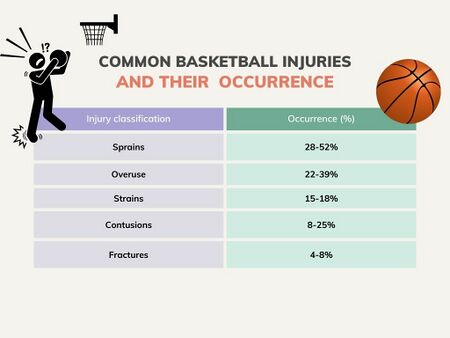
These steps reduce the risk of common injuries such as ankle sprains, ACL strain, and shoulder overuse. When people ask what muscles does basketball work, they often forget muscles that, when weak, increase injury risk—so train them deliberately.
Personal experience and practical tips
I’ve coached many players and done gym programs that complement court time. From experience, players who pair skill work with strength training see faster improvements. Early on, I focused too much on shooting and ignored single-leg strength; that led to fatigue and a minor knee issue.
Lessons I learned:
- Prioritize single-leg strength to handle cutting and imbalance.
- Use plyometrics sparingly and with good form.
- Practice shooting fatigue sets to mimic late-game muscle stress.
- Track recovery: soreness is normal, but sharp pain is a stop signal.
If you want a simple start, add two 20-minute strength sessions per week focusing on legs and core. That change alone transforms how you move and reduces injury complaints.
Frequently Asked Questions of What muscles does basketball work?
What muscles are used most when shooting a basketball?
Shooting primarily uses the deltoids, triceps, forearms, and upper back for control. The core contributes to balance and consistency during the shot.
Does basketball build leg muscles effectively?
Yes, basketball builds muscular endurance and power in the quads, hamstrings, glutes, and calves through sprinting and jumping. For significant hypertrophy, combine play with resistance training.
How does basketball affect core strength?
Basketball trains the core constantly for stability, rotation, and force transfer. Dribbling, cutting, and contact require both visible abs and deep stabilizers to work together.
Are forearms and grip strengthened by basketball?
Yes, repeated dribbling, rebounds, and ball handling strengthen forearms and grip muscles. Strong grip helps with control and reduces turnovers.
Can basketball cause muscle imbalances?
It can if training is unbalanced or only focused on skill work. Counteract imbalances with single-leg exercises, rotator cuff work, and posterior chain strengthening.
How long before I see muscle changes from basketball?
You may notice improved endurance and muscle tone in 4–8 weeks with regular play. Visible hypertrophy typically needs consistent resistance training and dietary support.
Conclusion
Basketball works a wide network of muscles—legs, glutes, core, upper body, and many stabilizers—delivering power, endurance, and functional strength. Train the primary movers and the small stabilizers, prioritize recovery, and mix court practice with targeted strength work to get the best results. Try adding two focused strength sessions per week and a mobility routine to notice faster gains and fewer injuries. If you found this useful, leave a comment with your goals or subscribe for more sport-specific training tips.

