

If you own a Whirlpool 2 in 1 washer, you likely appreciate its space-saving design and modern features. However, like all appliances, even the best washers can experience problems. Some issues can be solved quickly at home, while others may require professional help. Knowing how to troubleshoot common problems can save you time, money, and frustration. This guide provides practical solutions for the most frequent Whirlpool 2 in 1 washer issues, explains why they happen, and helps you decide when to call a technician.
Understanding Your Whirlpool 2 In 1 Washer
The Whirlpool 2 in 1 washer is a unique appliance that combines a traditional washing drum with a removable agitator or a built-in washer/dryer combination, depending on the model. This design offers flexibility for various laundry needs and helps save space in smaller homes.

36% off Today’s Exclusive Deals
Limited-time Exclusive Deals. Check current discount on Amazon.
Check Price on Amazon As an Amazon Associate I earn from qualifying purchases.Some models allow you to remove the agitator for washing large items, while others offer both washing and drying in one unit. These features can sometimes lead to unique troubleshooting steps compared to regular washers. Before starting repairs or maintenance, always check your user manual for model-specific instructions and safety advice.
Common Problems And Solutions
Washer Won’t Start
Few things are more frustrating than a washer that won’t turn on. If your Whirlpool 2 in 1 washer won’t start, check the following:
- Power Supply: Make sure the washer is plugged in and the outlet works. Try another device in the same outlet.
- Door/Lid Lock: The washer won’t run if the door or lid isn’t closed properly. Listen for a click when closing the door.
- Control Lock: Some models have a child lock or control lock. Look for a lock icon on the display. Hold the relevant button (usually “Control Lock” or “End of Cycle”) for 3 seconds to unlock.
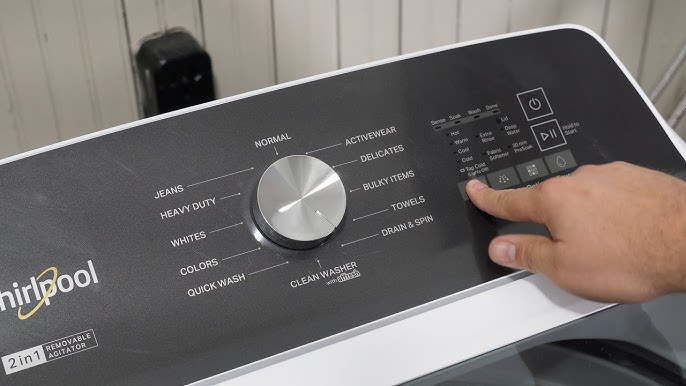
- Cycle Selection: If the cycle knob isn’t set correctly, the washer may not start. Re-select your wash cycle and press “Start.”
Non-obvious insight: Sometimes, a power surge can reset the washer’s control board. Unplug the machine for 60 seconds, then plug it back in to “reset” the electronics. This simple step often resolves electronic glitches.
Washer Not Filling With Water
If your washer drum stays dry, consider these causes:
- Water Faucets: Both hot and cold water taps must be fully open.
- Hoses: Inspect hoses for kinks or clogs. Remove hoses from the back and check for trapped debris in the filters.
- Water Inlet Valve: This valve controls water flow. If it’s faulty, you may need a replacement.
- Low Water Pressure: Whirlpool washers need at least 20 psi water pressure. Low pressure can prevent filling.
Pro tip: If only cold or hot water is missing, swap hoses at the back of the machine. If the issue moves (hot becomes cold or vice versa), the problem is with your home’s water supply.
Washer Won’t Drain Or Spin
If your clothes are soaking wet after a cycle, your washer might not be draining or spinning properly.
- Drain Hose: Make sure the hose isn’t clogged, kinked, or placed too far into the drain standpipe (should be 4.5” max).
- Pump Filter: Some models have an accessible filter near the bottom front. Turn off the washer, open the cover, and clean out lint, coins, or other debris.
- Unbalanced Load: Large or heavy items (like blankets) can throw the washer off balance. Redistribute clothes evenly, then restart the cycle.
- Lid Switch: If the lid switch is faulty, the washer won’t spin for safety reasons.
Common mistake: Forcing the lid or door open during a cycle can damage the lock, causing future spin/drain issues.
Washer Is Noisy Or Vibrating
Some noise is normal, but loud banging or shaking is not.
- Shipping Bolts: New washers come with bolts to stabilize the drum. These must be removed before use. Check your manual for the bolt locations.
- Leveling Feet: Use a spirit level to check if the washer sits flat. Adjust the feet until the machine is level in all directions.
- Load Size: Washing a single heavy item (like a rug) can cause imbalance. Wash similar-sized items together.
Data point: According to Whirlpool, over 35% of noise complaints are due to improper installation, not a machine defect.
Washer Leaking Water
Water on the floor can signal a simple or serious problem.
- Door Seal: Wipe the rubber door gasket for dirt, lint, or small clothing items that prevent a tight seal.
- Detergent Drawer: Using too much detergent can cause suds to overflow. Use HE (high-efficiency) detergent and follow the dosing guidelines.
- Hoses: Inspect all hoses for cracks or loose connections. Tighten as needed.
- Pump or Tub: A cracked pump or tub requires professional repair.
Beginner tip: Always check if the leak happens during filling, washing, or draining. The leak’s timing helps pinpoint the faulty part.
Error Codes And What They Mean
Modern Whirlpool washers show error codes on the display. These codes can seem confusing but usually point to a specific problem area. Here is a quick reference:
| Error Code | Possible Cause | What to Do |
|---|---|---|
| F0E2 | Suds detected | Use less detergent; run rinse cycle |
| F5E2 | Door/lid not locking | Check for obstructions; restart washer |
| F8E1 | Low water flow | Check faucets and hoses for blockages |
| F9E1 | Long drain time | Clean drain pump filter; check hose |
| F7E1 | Motor issue | Unplug for 1 minute, then restart |
If your code is not listed, consult your model’s user manual or the Whirlpool website for a full list.
Clothes Not Getting Clean
If your laundry comes out still dirty or with detergent residue:
- Overloading: Filling the drum over 3/4 full can prevent proper cleaning. Leave space for clothes to move.
- Wrong Detergent: Always use HE detergent. Regular detergent creates too many suds, reducing cleaning power.
- Wash Cycles: Use the correct cycle for your fabric type and soil level.
- Hard Water: Hard water reduces detergent effectiveness. Consider adding a water softener if you have this issue.
Non-obvious insight: Many people forget to clean the washer itself. Run a cleaning cycle with washer cleaner or white vinegar monthly to prevent buildup.
Troubleshooting By Symptom
Sometimes, the same problem has several possible causes. Use this symptom-based troubleshooting to narrow down the issue.
Washer Won’t Turn On At All
- Check the breaker box for a tripped circuit.
- Test the outlet with a lamp or phone charger.
- Inspect the power cord for cuts or damage.
Washer Stops Mid-cycle
- Door/lid may have opened accidentally. Close firmly and restart.
- Overheating can cause the motor to stop. Wait 30 minutes, then try again.
- Faulty timer or control board may require a technician.
Washer Smells Bad
- Leave the door open after each use to let the drum dry.
- Clean the door seal and detergent drawer monthly.
- Run a hot cleaning cycle with a washer cleaner tablet or white vinegar.
Clothes Still Wet After Cycle
- Use the “Spin Only” cycle to remove extra water.
- Check for unbalanced loads or clogged drain pump.
- If problem continues, the motor or belt may need repair.
Washer Display Not Working
- Unplug for 1 minute to reset the electronics.
- If nothing lights up, control board or display may be faulty.
Preventive Maintenance Tips
Keeping your Whirlpool 2 in 1 washer in good shape can reduce problems and extend its life.
- Clean the drum and gasket monthly to prevent mold and odors.
- Check and clean the drain pump filter every 3–6 months.
- Inspect hoses for cracks or leaks twice a year. Replace every 5 years.
- Level the washer after moving it.
- Use the right detergent in the right amount—HE only, and don’t overfill.
- Don’t overload the drum. This prevents stress on the motor and bearings.
- Leave the door open after use for ventilation.
- Wipe the detergent drawer regularly to avoid buildup.

When To Call A Professional
While many issues can be fixed at home, some require a trained technician:
- Persistent leaks that don’t come from hoses or the door gasket
- Electrical smells or visible sparks
- Repeated error codes that don’t clear after basic troubleshooting
- Drum not turning or making grinding noises
- Washer not responding even after resetting power
Attempting major repairs without proper knowledge can void your warranty or cause more damage.
Comparison: Whirlpool 2 In 1 Washer Vs Traditional Washer
How does the 2 in 1 model stack up against a classic washer? This comparison highlights the main differences:
| Feature | Whirlpool 2 in 1 Washer | Traditional Washer |
|---|---|---|
| Space Saving | Yes | No |
| Removable Agitator | Yes (select models) | No |
| Washer/Dryer Combo | Yes (some models) | No |
| Ease of Maintenance | Moderate | Easy |
| Installation | May need pro help | Usually DIY |

Whirlpool Error Codes: Quick Reference
For quick troubleshooting, here’s a summary of the most common Whirlpool washer error codes and their likely causes:
| Code | Meaning | Quick Fix |
|---|---|---|
| F0E2 | Suds | Use less detergent |
| F5E2 | Door lock | Check door/lid |
| F8E1 | Low water | Check hoses |
| F9E1 | Long drain | Clean filter |
| F7E1 | Motor | Restart washer |
If you see a different code, always refer to the official Whirlpool support site for detailed help.
Safety Considerations
Never ignore safety when troubleshooting your washer. Unplug the machine before inspecting hoses, filters, or the drum. Water and electricity are a dangerous mix, so always dry your hands and the area around the washer before working. If you smell burning or see smoke, unplug the washer immediately and call a professional.
Pro tip: Keep children and pets away from the washer during repairs or cleaning.
How To Read The User Manual
Many people skip the user manual, but it’s full of model-specific advice. The manual explains cycle options, error codes, and maintenance steps. If you’ve lost your manual, you can download it from the official Whirlpool website by entering your model number.
Beginner mistake: Using generic advice for all washers can sometimes cause more harm than good. Always check for your model’s unique features.
Useful Resources
If you need more help, Whirlpool’s official support site offers troubleshooting guides, videos, and customer service chat. For in-depth repair information, sites like Sears PartsDirect provide diagrams and part numbers.
Frequently Asked Questions
Why Does My Whirlpool 2 In 1 Washer Keep Showing The Same Error Code?
If the same code appears after you’ve tried the suggested fix, the problem may be more serious. Reset the washer by unplugging it for 1 minute. If the error returns, you may need professional service, especially for motor or control board errors.
How Often Should I Clean The Drain Pump Filter?
For most homes, cleaning every 3–6 months is enough. If you have pets or wash lots of dirty items, check it monthly. A clogged filter can cause draining problems and error codes.
Can I Use Regular Detergent In My Whirlpool 2 In 1 Washer?
No. Always use HE (high-efficiency) detergent. Regular detergents create too many suds, which can damage the washer and reduce cleaning power.
What Should I Do If My Washer Smells Musty?
Run a hot cleaning cycle with a washer cleaner or white vinegar. Wipe the door gasket and leave the door open after each use to allow air flow. Clean the detergent drawer monthly.
Is It Worth Repairing My Whirlpool 2 In 1 Washer Or Should I Replace It?
If your washer is less than 5–7 years old and the repair costs less than half the price of a new machine, it’s usually worth fixing. For very old washers or expensive repairs (like a failed drum or motor), replacement may be better.
—
A Whirlpool 2 in 1 washer offers many benefits, but occasional problems are normal for any appliance. With the right knowledge, you can solve most issues yourself and keep your laundry running smoothly. Remember, routine maintenance and careful use go a long way toward preventing trouble. When in doubt, use Whirlpool’s resources or call a trusted service technician. A well-maintained washer saves time, money, and stress—so you can focus on more important things in life.

