

Every home with a refrigerator knows how important a Whirlpool ice maker can be. It brings convenience, keeps drinks cold, and adds a touch of luxury to daily life. But what happens when your ice maker stops working, produces less ice, or gives you strange cubes? Many people feel lost when their ice maker fails. This manual will guide you through Whirlpool ice maker troubleshooting, step by step. With clear advice and easy-to-follow instructions, you can solve most problems yourself, avoid expensive service calls, and keep your ice maker running smoothly.
Understanding Your Whirlpool Ice Maker
Before you start fixing, it’s helpful to know how a Whirlpool ice maker works. The ice maker is usually located inside the freezer compartment. It uses a water supply line to fill a mold tray, freezes the water, then ejects the ice cubes into a bin. Sensors and switches control each step: filling, freezing, and dumping. If any part fails, your ice maker may stop or work incorrectly.

36% off Today’s Exclusive Deals
Limited-time Exclusive Deals. Check current discount on Amazon.
Check Price on Amazon As an Amazon Associate I earn from qualifying purchases.Most Whirlpool models include:
- Automatic ice makers: These detect when the bin is full and stop making more ice.
- Manual ice makers: You need to turn them on or off by hand.
- Filter-equipped models: These use a filter to improve water quality.
Knowing your model helps in troubleshooting. Find your user manual or look for a label inside the fridge. You’ll see a model number, which you can use to find more details online or in your manual.
Common Whirlpool Ice Maker Problems
Ice makers can have many issues. Here are the most frequent problems owners face:
- No ice production
- Slow ice production
- Small or misshapen ice cubes
- Ice maker not dispensing ice
- Leaking water
- Strange noises
- Ice tastes or smells bad
Each issue has possible causes and solutions. Let’s explore each one.

No Ice Production
If your Whirlpool ice maker isn’t making any ice, follow these steps:
Check Power And Controls
Make sure your refrigerator is plugged in and running. Check if the ice maker is switched on. Some models have a control arm or switch; if it’s off, the ice maker won’t work.
Inspect Water Supply
The ice maker needs water to make ice. Look for:
- Water line connection: Ensure the water line is connected tightly to the fridge.
- Valve: The water valve should be open.
- Kinks: Look for bends or kinks in the water line.
Examine Temperature
Ice makers need a cold freezer. The ideal temperature is 0°F (-18°C). If your freezer is warmer, ice can’t form. Use a thermometer to check.
Ice Maker Reset
Some models have a reset button. Press it to restart the system. If not, unplug the fridge for five minutes, then plug it back in.
Data Table: Causes Of No Ice
| Problem | Possible Cause | Solution |
|---|---|---|
| No ice | Ice maker off | Turn ice maker on |
| No ice | Water line disconnected | Reconnect water line |
| No ice | Freezer too warm | Lower freezer temperature |
| No ice | Faulty water valve | Replace valve |
Slow Ice Production
A working ice maker should produce 8-12 batches of ice in 24 hours. If yours is slower, check these points:
Temperature Settings
If the freezer is warmer than 0°F, ice production slows. Adjust the thermostat and wait 24 hours.
Water Filter
A clogged water filter can limit water flow. Replace the filter every six months or sooner if needed.
Water Pressure
Low water pressure can slow ice production. Whirlpool recommends 20-120 psi. If you have low pressure, check your home supply or call a plumber.
Ice Bin Position
Make sure the ice bin is correctly placed. If it’s not, the ice maker may stop or slow down.
Non-obvious Insight
Some users forget to clear old ice from the bin, causing jams and slow output. Always empty the bin if cubes stick together.
Small Or Misshapen Ice Cubes
Ice should be solid and evenly shaped. If cubes are small or look strange, here’s what to check:
Water Quality
Minerals and impurities affect cube size and shape. If you live in an area with hard water, consider using a filter.
Water Fill Level
If the ice tray doesn’t fill enough, cubes are small. Whirlpool models have a fill adjustment screw. Turn it clockwise to increase water fill, counterclockwise to decrease.
Mold Tray Issues
The mold tray can crack or warp, leading to misshapen cubes. Inspect for damage and replace if needed.
Example Table: Cube Issues
| Cube Issue | Likely Cause | Action |
|---|---|---|
| Small cubes | Low water fill | Adjust fill screw |
| Misshapen cubes | Minerals in water | Install water filter |
| Hollow cubes | Fast freezing | Check freezer temperature |
Ice Maker Not Dispensing Ice
If you press the dispenser and nothing comes out, try these steps:
Check For Jammed Ice
Ice can clump together, blocking the dispenser. Remove the bin and break up clumps.
Motor And Auger Problems
The auger pushes ice forward. If it’s stuck or the motor fails, the dispenser stops. Listen for motor noise when you press the lever. If silent, the motor may need replacement.
Dispenser Door
Some models have a small door that opens when you press the lever. If it’s stuck or frozen, ice can’t come out. Clean and inspect the area.
Electrical Issues
Check for loose wires or blown fuses. Unplug the fridge and inspect the dispenser area.
Non-obvious Insight
Often, crushed ice mode can jam the auger. Switch to cube mode if crushed ice jams, then try again.
Leaking Water
A leak can damage floors and cause mold. Here’s how to diagnose:
Water Line Connection
Check the connection point where the water line enters the fridge. Tighten if loose.
Valve Issues
Leaking valves can drip water. Inspect for wet spots under the fridge.
Drain Pan
Whirlpool fridges have a pan under the unit to collect water. If the pan is full or cracked, water can leak onto the floor.
Ice Maker Mold Tray
If the mold tray is overfilled, water may spill. Adjust the fill screw.
Step-by-step Leak Fix
- Unplug the fridge.
- Move it away from the wall.
- Inspect all visible water lines.
- Tighten or replace as needed.
- Check the drain pan and empty or replace if damaged.
Strange Noises
Whirlpool ice makers are quiet, but sometimes you’ll hear odd sounds:
Clicking
Clicking often means the ice maker is cycling. If it’s loud, check for broken parts in the ejector mechanism.
Grinding
Grinding is usually the auger or motor. If persistent, inspect for ice jams or worn gears.
Buzzing
Buzzing can mean the water valve is stuck or clogged. Clean or replace the valve.
Example
If you hear a loud pop, it may be the ice tray releasing cubes. If it happens rarely, it’s normal. Frequent loud pops can mean a tray or ejector issue.
Ice Tastes Or Smells Bad
Nobody wants bad-tasting ice. Fixing this problem improves your drinks and health.
Water Filter
A dirty filter lets odors and taste problems through. Replace the filter every six months.
Cleaning
Clean the ice bin and mold tray regularly. Use mild soap and water, then rinse well.
Water Supply
If your tap water tastes bad, the ice will too. Consider installing a filter or using bottled water for your ice maker.
Mold And Bacteria
If ice is stored too long, mold can grow. Clean the bin and discard old ice every week.
Non-obvious Insight
Most users ignore the freezer’s interior. Wipe down freezer walls at least once every three months to prevent odor transfer.
Whirlpool Ice Maker Troubleshooting Steps
Here’s a practical checklist to follow when your ice maker fails:
- Check power and controls.
- Inspect water supply and lines.
- Confirm freezer temperature.
- Examine water filter and pressure.
- Look for ice jams or clumping.
- Listen for strange noises.
- Clean and maintain all parts.
If you follow these steps, most problems can be solved at home.
When To Call A Professional
Some issues need expert help:
- Broken motor or auger
- Electrical faults
- Damaged mold tray
- Persistent leaks
If parts need replacement, or you’re unsure, contact Whirlpool support or a certified technician. Attempting repairs on these parts can void your warranty or cause more damage.
Preventive Maintenance Tips
Keeping your ice maker healthy is easier than fixing problems. Here are smart tips:
- Change the water filter every six months.
- Clean the ice bin weekly.
- Check water line for leaks and kinks.
- Keep freezer temperature at 0°F.
- Inspect mold tray for cracks.
- Test ice maker cycle monthly.
These steps save money and extend your ice maker’s life.
Whirlpool Ice Maker Model Comparison
Choosing the right ice maker matters. Here’s a comparison of popular Whirlpool models:
| Model | Ice Production (lbs/day) | Water Filter | Features |
|---|---|---|---|
| WRS325SDHZ | 8 | Yes | Automatic, dispenser, crushed/cube |
| WRS588FIHZ | 12 | Yes | Automatic, advanced filter, LED lighting |
| WRF535SMBM | 10 | No | Manual, freezer compartment |
Diy Repairs And Replacement Parts
Some fixes require you to replace parts. Whirlpool makes it easy to find replacements, but always use genuine parts for best results.
How To Replace The Water Filter
- Locate the filter (usually in the fridge compartment).
- Turn off the water supply.
- Twist the filter counterclockwise and pull out.
- Insert new filter, twist clockwise.
- Turn water back on.
- Run water for five minutes to clear air.
Replacing The Mold Tray
- Unplug fridge.
- Remove ice bin and locate mold tray.
- Unscrew tray and remove.
- Insert new tray, screw in place.
- Plug fridge back in.
Always check your model’s manual before starting repairs.
Advanced Troubleshooting
Some problems are harder to fix. If simple steps don’t work, try these:
Testing The Water Inlet Valve
The valve controls water flow to the ice maker. Use a multimeter to check for continuity. If faulty, replace the valve.
Inspecting The Ice Maker Module
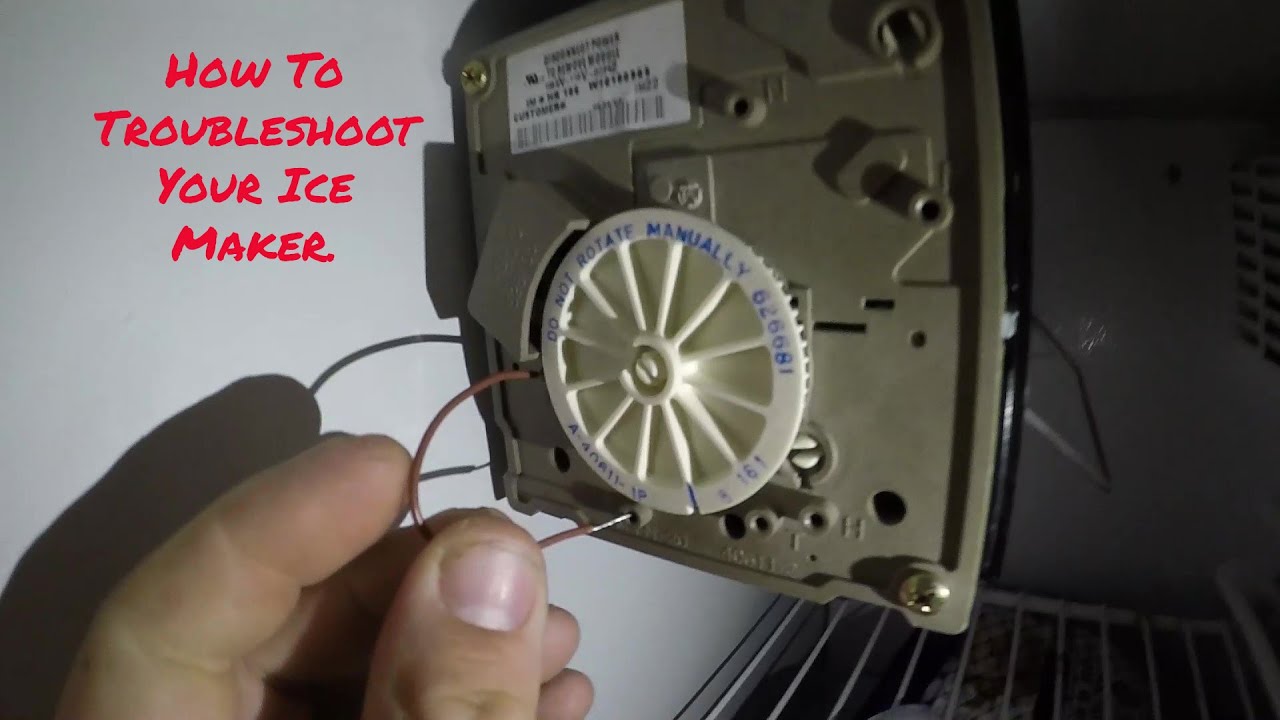
The module controls the ice cycle. If the module fails, the ice maker won’t cycle. Remove the cover and test with a multimeter.
Checking Sensors
Ice makers use sensors to detect bin fullness. If the sensor is blocked or dirty, clean it. If it’s broken, replace.
Resetting The Ice Maker System
Some Whirlpool models allow a hard reset:
- Hold the reset button for 10 seconds.
- If no button, unplug for 5 minutes, then plug back in.
Non-obvious Insight
Always clear ice build-up around sensors before resetting. Blocked sensors can cause false readings.
Safety Precautions
When fixing your ice maker, keep safety in mind:
- Always unplug the fridge before repairs.
- Wear gloves to protect from sharp edges.
- Never use strong chemicals to clean food surfaces.
- If you’re unsure, call a professional.
Useful Resources
Whirlpool provides official manuals and videos online. You can find your model’s troubleshooting guide at the official website or use Whirlpool Self Help for more details.
Frequently Asked Questions
What Should I Do If My Whirlpool Ice Maker Stops Working Completely?
First, check if the ice maker is switched on. Inspect the water supply line for kinks or leaks. Make sure the freezer temperature is at 0°F (-18°C). Replace the water filter if it’s old. If these steps don’t work, try resetting the ice maker. If still no ice, you may need a technician.
How Often Should I Clean My Whirlpool Ice Maker?
Clean the ice bin every week. Clean the mold tray and dispenser area once a month. Replace the water filter every six months. If your ice tastes bad, clean all parts and the freezer interior.
Why Are My Ice Cubes Hollow Or Small?
Small or hollow cubes usually mean low water fill or freezing too quickly. Adjust the fill screw if your model has one. Replace the water filter if clogged. Check your home’s water pressure and freezer temperature.
Can I Use Third-party Parts For Repairs?
It’s best to use genuine Whirlpool parts. Third-party parts may not fit or work correctly, and using them can void your warranty. Always check your manual for part numbers.
What’s The Average Lifespan Of A Whirlpool Ice Maker?
Most Whirlpool ice makers last 5-10 years with regular maintenance. Changing filters, cleaning parts, and keeping the freezer cold can extend life. If the motor or mold tray breaks, repair costs may be high.

Final Thoughts
Troubleshooting a Whirlpool ice maker is easier than most people think. With careful checks, regular maintenance, and simple fixes, you can keep your ice maker working for years. Remember to check power, water supply, and temperature first. Clean and replace parts as needed. If you face complex problems, call a technician. Taking care of your ice maker saves money, keeps your kitchen running smoothly, and ensures every drink is cold and fresh.

