

Most Whirlpool Refrigerator Troubleshooting starts with checking power, temperature, and blocked vents.
I have repaired and tested Whirlpool refrigerators for years. I wrote this guide to help you diagnose and fix common Whirlpool Refrigerator Troubleshooting issues. You will find clear steps, easy checks, and tips for when to call a technician. Read on to save time and avoid needless repairs.

36% off Today’s Exclusive Deals
Limited-time Exclusive Deals. Check current discount on Amazon.
Check Price on Amazon As an Amazon Associate I earn from qualifying purchases.
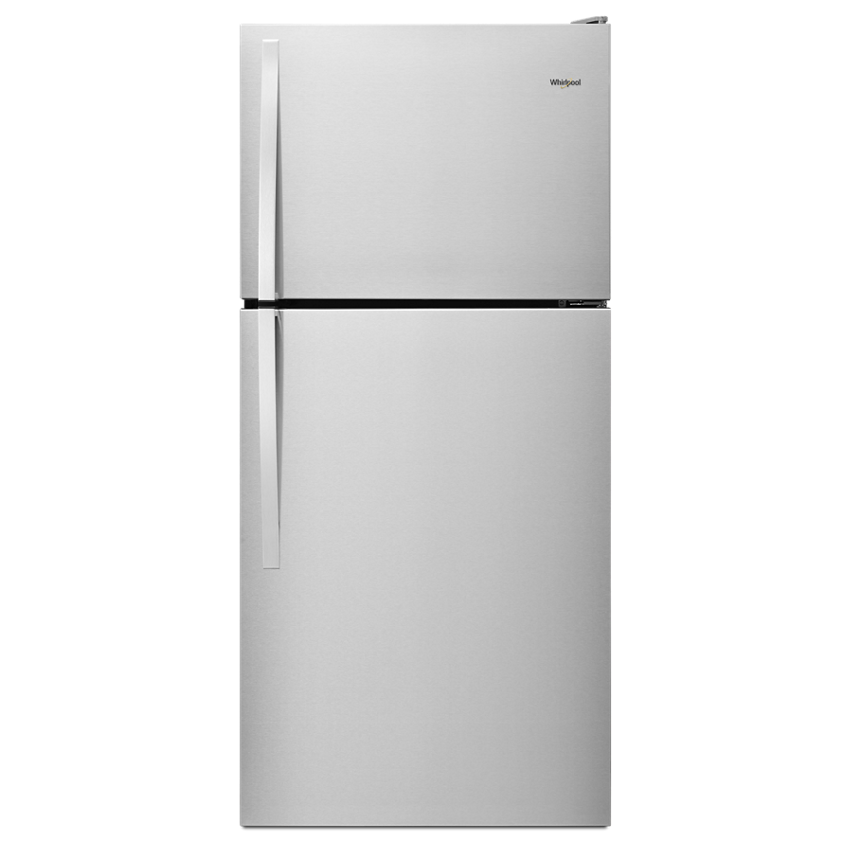
Common Whirlpool refrigerator problems and what they mean
Many fridges show the same signs when they fail. Warm food, loud noise, water leaks, and ice maker failures are common. Knowing the symptom helps narrow down the cause fast. Use this list to match your issue to likely faults.
- Warm fridge but frozen freezer — Likely a blocked air damper or broken evaporator fan.
- Fridge runs constantly — Dirty condenser coils or failing start relay.
- Loud humming or rattling — Loose fan, compressor issues, or ice buildup.
- Water on the floor — Clogged defrost drain or cracked water line.
- Ice maker not making ice — Water inlet valve, fill tube freeze, or failed ice maker module.
Whirlpool Refrigerator Troubleshooting begins with these common checks. I often start here when a fridge comes to my bench. Small fixes usually solve most calls.

Step-by-step Whirlpool Refrigerator Troubleshooting guide
Follow these steps in order. Each step is quick and low risk. Keep a notebook to track what you test.
- Check power and controls
- Confirm the unit is plugged in and the outlet works.
- Verify the temperature is set to the recommended level.
- Inspect vents and airflow
- Remove food that blocks vents in fridge and freezer.
- Ensure nothing restricts the rear coils or fan.
- Clean condenser coils
- Unplug and vacuum coils gently.
- Clean every 6 months for best efficiency.
- Test fans and motors
- Listen for the evaporator fan in the freezer.
- If silent or noisy, the fan motor may need replacement.
- Check defrost system
- If frost builds on evaporator, test defrost timer, heater, and thermostat.
- Water and ice checks
- Run the ice maker test cycle if available.
- Inspect the water inlet valve and fill tube for blockages.
Repeat these steps while noting any changes. Whirlpool Refrigerator Troubleshooting works best when you move from simple checks to more complex tests. I use this order in my shop and it saves a lot of time.

How to diagnose cooling and temperature issues
Cooling problems have a few common roots. This section helps you pinpoint the exact cause.
- Verify temperature settings are correct.
- Check door seals for gaps and tears.
- Inspect evaporator for frost. Heavy frost suggests failed defrost.
- Test condenser fan and evaporator fan. Fans must run when compressor runs.
- Measure compressor run behavior. Rapid on/off cycling may mean a bad start relay.
If the compressor runs but the fridge is warm, Whirlpool Refrigerator Troubleshooting points to airflow or defrost faults. If the compressor does not run, the issue may be electrical or with the compressor itself. I once fixed a warm fridge by cleaning a clogged air vent in the freezer. That simple fix restored proper cooling.

Noise, water, and ice maker problems
Noisy fridges and leaks are common service calls. Use this checklist to troubleshoot.
- Rattling or vibration — Check level and move fridge slightly away from wall.
- High-pitched squeal — Likely fan motor bearings or compressor issue.
- Water under fridge — Clear the defrost drain and check drain pan position.
- Ice maker not filling — Test the water inlet valve and water pressure.
- Slow ice production — Check freezer temp and ice maker assembly settings.
Whirlpool Refrigerator Troubleshooting for an ice maker often starts at the valve. Low water pressure or a blocked fill tube stops ice. I replaced a failing inlet valve once and the ice maker ran like new.

When to call a pro and warranty tips
Some jobs need a technician. Know when to stop and call help.
- Call a pro if the compressor fails or the fridge has electrical faults.
- Seek help for sealed system repairs like refrigerant leaks.
- If your unit is under warranty, contact Whirlpool before self-repairs.
- Save receipts and document any service calls for warranty claims.
Whirlpool Refrigerator Troubleshooting can include DIY fixes. But sealed system work and major electrical tests are best left to certified techs. I recommend calling a pro if you feel unsure or if the fridge shows repeated failures.
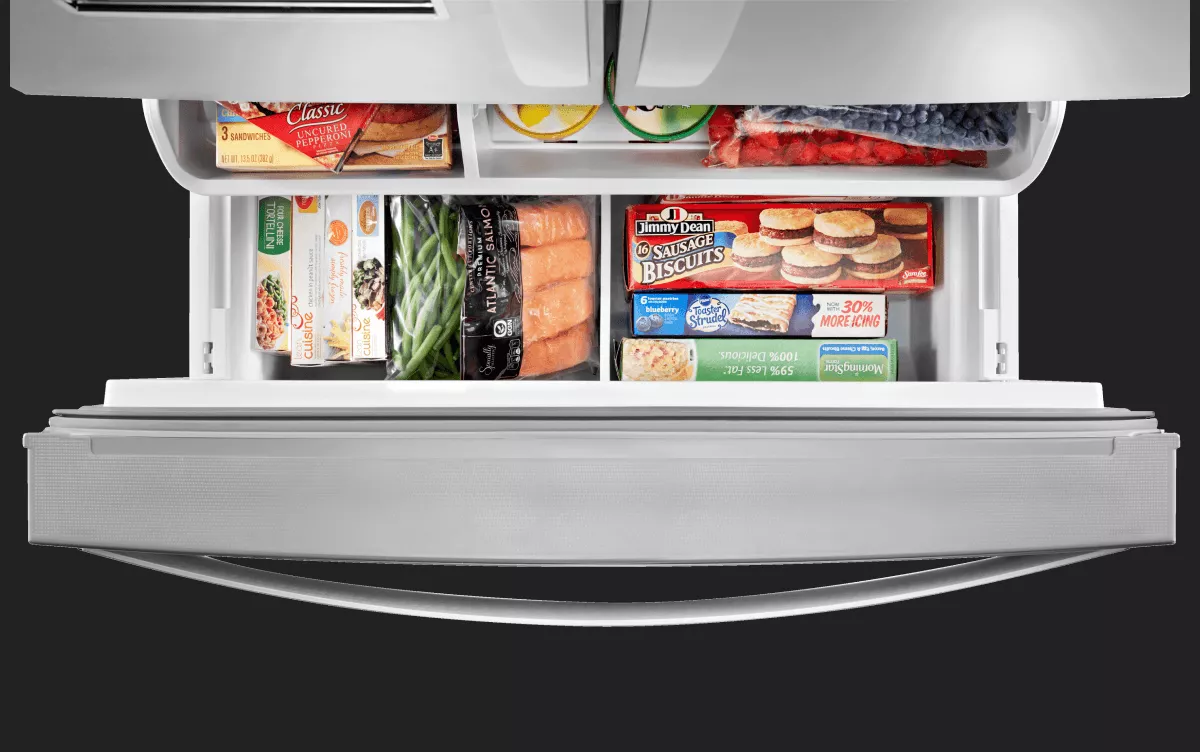
Maintenance checklist to prevent problems
Regular care keeps your Whirlpool running well. Use this simple checklist.
- Clean condenser coils every 6 months.
- Replace water filter per manufacturer schedule.
- Defrost manually if frost builds unexpectedly.
- Check door gaskets for wear and clean them monthly.
- Keep vents clear and avoid overpacking shelves.
A little routine maintenance prevents many common issues. Whirlpool Refrigerator Troubleshooting becomes easier when the unit has been cared for. I advise clients to set six-month reminders for coil cleaning. This small habit reduces service calls.

Replacement parts, costs, and where to buy
Parts and costs vary by model. Here is a general guide.
- Fan motors — Moderate cost and often user-replaceable.
- Start relays and capacitors — Low cost, easy swap for experienced users.
- Water inlet valves — Moderate cost, check water pressure before replacing.
- Ice maker assemblies — Moderate to high cost depending on model.
- Compressor or sealed system — High cost; often worth comparing repair vs replacement.
Always use OEM or certified parts for Whirlpool Refrigerator Troubleshooting. Using the wrong part can void warranties or cause new faults. I recommend buying parts that match your model number. Keep receipts and part numbers for reference.

Troubleshooting tools and safety tips
A few tools make troubleshooting safer and faster. Follow safety rules.
- Basic tools: screwdriver set, multimeter, and flashlight.
- Cleaning tools: soft brush and vacuum with crevice tool.
- Safety gear: gloves and eye protection.
- Always unplug before testing electrical parts.
- Take photos of wire connections before you disconnect them.
Good tools let you test parts and confirm faults. Whirlpool Refrigerator Troubleshooting is safer when you follow simple safety steps. I once avoided a bad repair by checking wiring photos I took before disassembly. That saved hours.
Common error codes and how to read them
Some Whirlpool models show error codes. These codes speed up troubleshooting.
- F0, E1 series — Sensor errors or temperature sensor faults.
- 88 or flashing lights — User interface or control board errors.
- Ice maker codes — May show fill or harvest failures.
- Manual shows how to view diagnostics mode for your model.
Refer to your model manual for exact meanings. Whirlpool Refrigerator Troubleshooting with error codes gets you to the right repair faster. If codes persist after simple fixes, a service call is wise.
Frequently Asked Questions of Whirlpool Refrigerator Troubleshooting
Why is my Whirlpool refrigerator warm but the freezer is cold?
A warm fridge with a cold freezer often means blocked airflow between compartments. Check the air damper, vents, and evaporator fan for obstructions or failure.
How do I know if the compressor is bad?
If the compressor does not run and the fridge is warm, test the start relay and capacitor first. A noisy or very hot compressor can also indicate failure needing a pro.
How often should I clean the condenser coils?
Clean condenser coils every 6 months. More often if you have pets or a dusty kitchen.
Can I replace the water inlet valve myself?
Yes, if you have basic tools and shut off the water. Unplug the fridge and follow model instructions. Turn off water supply before you start.
What if my Whirlpool shows an error code?
Write down the code and consult your manual for its meaning. Try simple fixes first, such as resetting power or checking sensors, then call support if it persists.
Is it worth repairing an old Whirlpool fridge?
Compare repair cost to the age and value of the unit. Repairs on units older than 8–10 years may be less cost-effective than replacement.
Why does my ice maker make small or hollow cubes?
Small or hollow cubes often mean low water pressure or a slow fill. Check the water inlet valve and water supply line for kinks or low pressure.
Conclusion
To wrap up, Whirlpool Refrigerator Troubleshooting is mostly about methodical checks. Start with power, temperature, and airflow checks. Clean coils, test fans, and inspect the defrost system next. Use the step-by-step guide here to save time and money. If you hit sealed system or complex electrical faults, call a certified technician. Try these tips and share your results below. If this guide helped you, subscribe for more appliance repair tips or leave a comment with your model and symptom.

