

Most Whitfield pellet stove problems come from fuel, airflow, or electrical issues—check pellets, vents, and power.
I have worked on pellet stoves for years and helped dozens of owners fix stubborn faults. This guide on Whitfield Pellet Stove Troubleshooting gives clear, step-by-step fixes, routine maintenance, and safety checks. Read on to learn practical tips, real-world examples, and the exact checks that save time and money when your Whitfield stove acts up.

36% off Today’s Exclusive Deals
Limited-time Exclusive Deals. Check current discount on Amazon.
Check Price on Amazon As an Amazon Associate I earn from qualifying purchases.
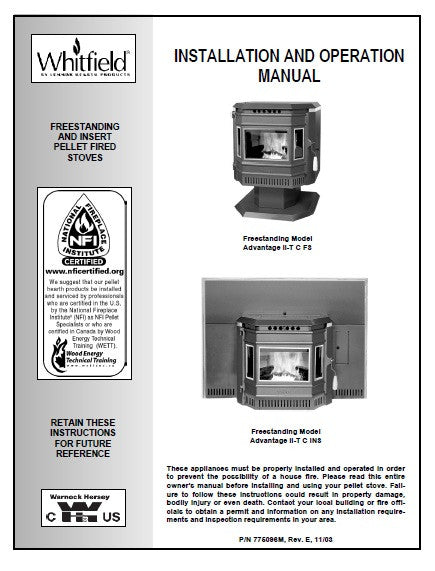
How Whitfield Pellet Stoves Work
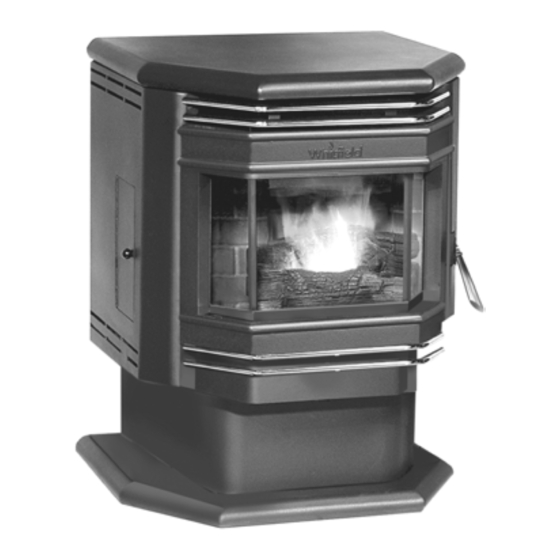
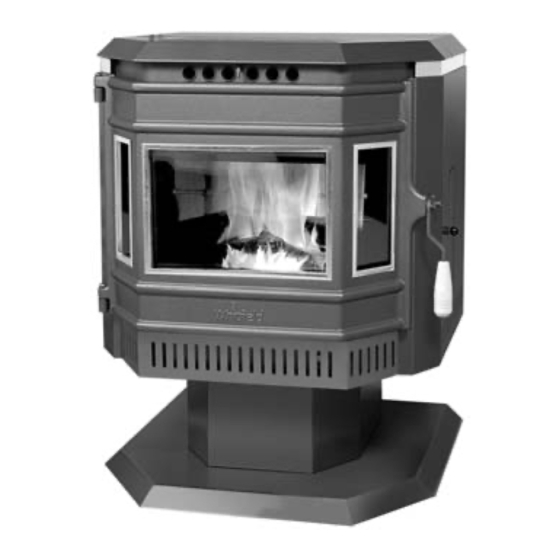
Whitfield pellet stoves burn compressed wood pellets to make heat.
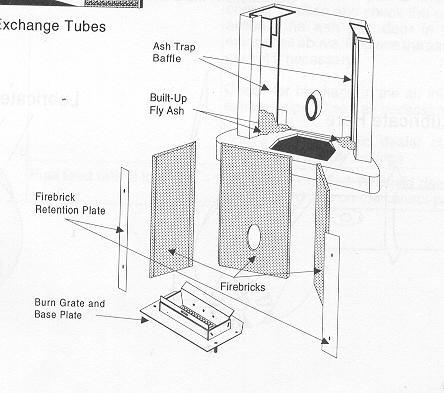
A hopper feeds pellets to an auger. The auger drops pellets into a burn pot. An igniter lights the pellets. A combustion fan moves air through the fire. A convection fan moves heat into the room. Electronic controls and sensors manage the whole process.
Understanding this flow helps with Whitfield Pellet Stove Troubleshooting. When one part fails, symptoms point to a category of problems. Knowing the basics makes troubleshooting faster and safer.
Common Problems with Whitfield Pellet Stoves
Here are the frequent issues I see and what they often mean.
- Stove will not start: power, ignition, or control board issues.
- Weak or low flame: bad pellets, clogged air, or auger feed problems.
- Stove shuts down unexpectedly: overheating, sensor fault, or blocked vent.
- Excessive smoke in room: draft issues, dirty burn pot, or wrong pellets.
- Auger jams or irregular feed: pellet size, moisture in pellets, or motor issue.
- Loud or failing blower: worn motor, dirty fan, or loose bearings.
- Error codes or blinking lights: sensor or control board alerts.
- Thermostat or remote not working: wiring, batteries, or receiver fault.
Each problem has clear test steps. This list frames the most common Whitfield Pellet Stove Troubleshooting paths I use.
Step-by-Step Whitfield Pellet Stove Troubleshooting Guide
Follow these steps in order. Work safe and keep the stove cool before you start.
Safety first
- Turn stove off and unplug it.
- Wait 30 minutes for parts to cool.
- Wear gloves and eye protection.
Check fuel and hopper
- Inspect pellets. Use dry, premium pellets.
- Look for dust or pellets that clump. Clean the hopper with a brush.
- If pellets are moist, discard and replace.
Inspect the auger and feed system
- Remove hopper cover. Clear pellet dust from the auger area.
- Manually turn the auger if accessible. Listen for grinding or binding.
- If auger stalls, check motor wiring and auger motor function.
Clean the burn pot and ignition
- Empty ash and clinkers from the burn pot. Use a soft brush.
- Check the igniter for visible damage. Replace if the tip is broken.
- Try a manual start cycle after cleaning.
Verify airflow and vents
- Check the exhaust pipe for soot and blockages.
- Clean the combustion fan intake and the exhaust path.
- Ensure outdoor vent cap is clear of debris and bird nests.
Test sensors and controls
- Look for loose wires at sensors and the control board.
- Reset error codes by unplugging the stove for a minute.
- Replace sensors if readings are inconsistent.
Inspect blowers and motors
- Remove and clean blower fans. Dust reduces airflow and increases noise.
- Lubricate motor bearings if serviceable. Replace noisy motors.
Electrical checks
- Confirm the stove gets steady power from the outlet. Use a multimeter.
- Test safety switches like hopper or door switches. They must make contact.
- If the control board is burned or smells burnt, replace it.
Run a controlled test
- Use fresh pellets and run the stove on a low setting.
- Watch ignition, flame shape, and stability for 10–15 minutes.
- Note any error codes or odd noises.
Personal tip from field work: I once fixed a Whitfield that shutdown every 20 minutes by replacing a partly blocked exhaust elbow. Small blockages mimic big control faults. Always check vents early when doing Whitfield Pellet Stove Troubleshooting.

Tools and Parts You'll Need
A small kit keeps troubleshooting quick and safe.
- Soft brush and vacuum: remove ash and dust.
- Screwdrivers and nut drivers: access panels and parts.
- Multimeter: check power and motors.
- Replacement igniter and sensors: common wear parts.
- Shop vacuum with HEPA bag: clean ash without dust clouds.
- Gloves and safety glasses: protect hands and eyes.
Having these tools on hand speeds Whitfield Pellet Stove Troubleshooting and reduces service calls.
Maintenance Tips to Prevent Future Issues
Routine care reduces most problems.
- Weekly: empty ash pan and clean the burn pot area.
- Monthly: vacuum hopper area and around the auger.
- Season start: inspect gaskets, clean vents, and service blowers.
- Yearly: full service by a trained tech. Check the control board and exhaust for creosote.
- Use quality pellets with consistent size and low moisture.
A steady maintenance routine cuts down on the need for emergency Whitfield Pellet Stove Troubleshooting. Think of it as small work that prevents big repairs.
When to Call a Professional
Know your limits. Call a pro if the problem is electrical or structural.
- Persistent error codes that reset but return.
- Burning smell that does not clear.
- Repeated shutdowns with no clear cause.
- Major motor or control board replacement.
- Chimney or vent work above the roof.
If you are unsure, stop and call a certified technician. Safety matters with combustion appliances and hot exhausts.

PAA-style Questions (People Also Ask)
What causes my Whitfield stove to smoke into the room?
- Smoke often comes from blocked exhaust, poor draft, or a dirty burn pot. Clean vents and the burn area first.
Why does my Whitfield pellet stove keep shutting off?
- Common causes are overheating, a faulty sensor, or restricted airflow from a dirty vent.
How often should I clean my Whitfield pellet stove?
- Light cleaning weekly, deeper cleaning monthly, and professional inspection yearly keeps problems down.
Source: manualslib.com
Frequently Asked Questions of Whitfield Pellet Stove Troubleshooting
What should I do if my Whitfield stove won't ignite?
Check power, clean the burn pot, and inspect the igniter. Replace the igniter if it shows cracks or does not glow.
How can I tell if the auger is jammed?
Listen for a clicking or grinding sound when the auger runs. Turn off power, remove pellets, and inspect for blockages.
Why is my Whitfield stove producing a weak flame?
Weak flames point to poor pellet quality, clogged air inlets, or inadequate feed. Clean air paths and use dry pellets.
Are error codes fixable at home?
Some codes reset after cleaning or reseating sensors. Persistent codes or board faults need a professional diagnosis.
Can I use any brand of pellets in my Whitfield stove?
Use hardwood pellets with low ash content and consistent size. Cheap or damp pellets cause many feed and burn problems.
How do I clean the exhaust vent safely?
Turn off stove, allow cooling, then remove sections and brush soot gently. Wear a mask and inspect for nests or obstructions.
What regular parts wear out on a Whitfield stove?
Igniters, gaskets, blower motors, and sensors commonly wear and need replacement after years of use.
Is it dangerous to keep using a stove with intermittent smoke?
Yes. Intermittent smoke can signal poor combustion or vent blockage. Stop use until you confirm safe operation.
Conclusion
Whitfield Pellet Stove Troubleshooting is about simple checks, steady cleaning, and knowing when to call a pro. Follow these steps: inspect pellets, clear vents, clean the burn pot, test electrical parts, and schedule annual service. Small routine actions prevent most breakdowns and keep your stove safe and efficient. Try the checklist above, and if a problem persists, reach out to a certified technician or post a detailed comment below for help.

