

Yes — often you can use the same AC gauge set for multiple refrigerants when used correctly and safely.
I’ve worked on HVAC systems for years and tested many tools in the field. This article explains whether you can use the same AC gauge for different refrigerants, what limits exist, and how to do it safely. Expect clear steps, real-world tips, and the exact checks I use before connecting a gauge set to any system.

36% off Today’s Exclusive Deals
Limited-time Exclusive Deals. Check current discount on Amazon.
Check Price on Amazon As an Amazon Associate I earn from qualifying purchases.
Why this question matters for homeowners and technicians
Using the same AC gauge for different refrigerants can save money and simplify work. But it can also create safety risks, contamination, and bad readings if done without care.
I’ll walk you through the technical reasons, practical checks, and the small habits that prevent big mistakes. By the end, you’ll know when a same AC gauge is fine and when to choose a specific tool.

How AC gauges work and what they measure
AC gauges read pressure on the high and low sides of a refrigeration circuit. Those pressures tell you charge level, system condition, and whether the compressor is doing its job. A gauge set has hoses, gauges, manifold, and often a built-in vacuum and service valves.
Gauges measure pressure, not refrigerant type. But pressure scales, oil compatibility, and sealing materials affect whether one same AC gauge will work across refrigerants. Accurate reading depends on correct calibration and matching the gauge range to expected pressures.

Key factors that determine compatibility
These checks decide if you can safely use the same AC gauge for different refrigerants.
- Gauge calibration and range: Ensure the gauge range covers the max expected pressure of the refrigerant you plan to test. Some refrigerants run much higher pressures.
- Hose and seal materials: Hoses and O-rings must tolerate refrigerant types and oils. Some newer refrigerants and POE oils attack older rubber.
- Valve fittings and adapters: Service ports differ by refrigerant. Adapters may be needed to connect the same AC gauge to different systems safely.
- Contamination risk: Mixing refrigerants or oils is disastrous. Use a dedicated gauge or purge lines before switching refrigerants to avoid cross-contamination.
- Temperature vs. pressure charts: Each refrigerant has its own pressure-temperature relationship. Interpreting gauge readings requires the correct chart for the refrigerant in question.
- Regulatory and safety rules: Some refrigerants require certified handling. Using the same AC gauge does not replace licensing or recovery equipment needs.
Common refrigerants and their pressure differences
Knowing typical pressures helps you pick the right gauge range when you use the same AC gauge.
- R22: Moderate pressures at typical HVAC temps; legacy systems often use mineral oil.
- R410A: Significantly higher pressures than R22; requires gauges rated for those pressures and POE oil awareness.
- R134a: Used in auto and small systems; pressure bands differ from R22 and R410A.
- R32 and R452B/R454B: Newer refrigerants with higher discharge pressures and flammability considerations.
- A2L/A3 refrigerants: Mildly flammable or flammable refrigerants require special handling and tools rated for safety.
If your same AC gauge doesn’t cover the pressure range, you risk inaccurate readings or gauge damage.
 practices when using the same AC gauge for different refrigerants”
style=”max-width: 100%; height: auto; border: 2px solid black; border-radius: 10px; display: block; margin: 0 auto;”
loading=”lazy”
/>
Best practices when using the same AC gauge for different refrigerants
Follow these steps to reduce risk and get reliable data.
- Check gauge ranges and ratings before use. Match them to the refrigerant’s max working pressure.
- Inspect hoses and O-rings for compatibility. Replace any rubber parts with materials rated for POE oil and the refrigerant.
- Purge or evacuate hoses between refrigerants. Use recovery equipment to avoid mixing refrigerants.
- Use correct temperature-pressure charts for the refrigerant when reading the gauge.
- Use color-coded hoses or tags to prevent accidental cross-connection.
- Keep one gauge set dedicated to systems with sensitive refrigerants if contamination risk is high.
- Follow manufacturer guidance and local regulations for refrigerant handling and recovery.
Tools, adapters, and upgrades that make one gauge set more flexible
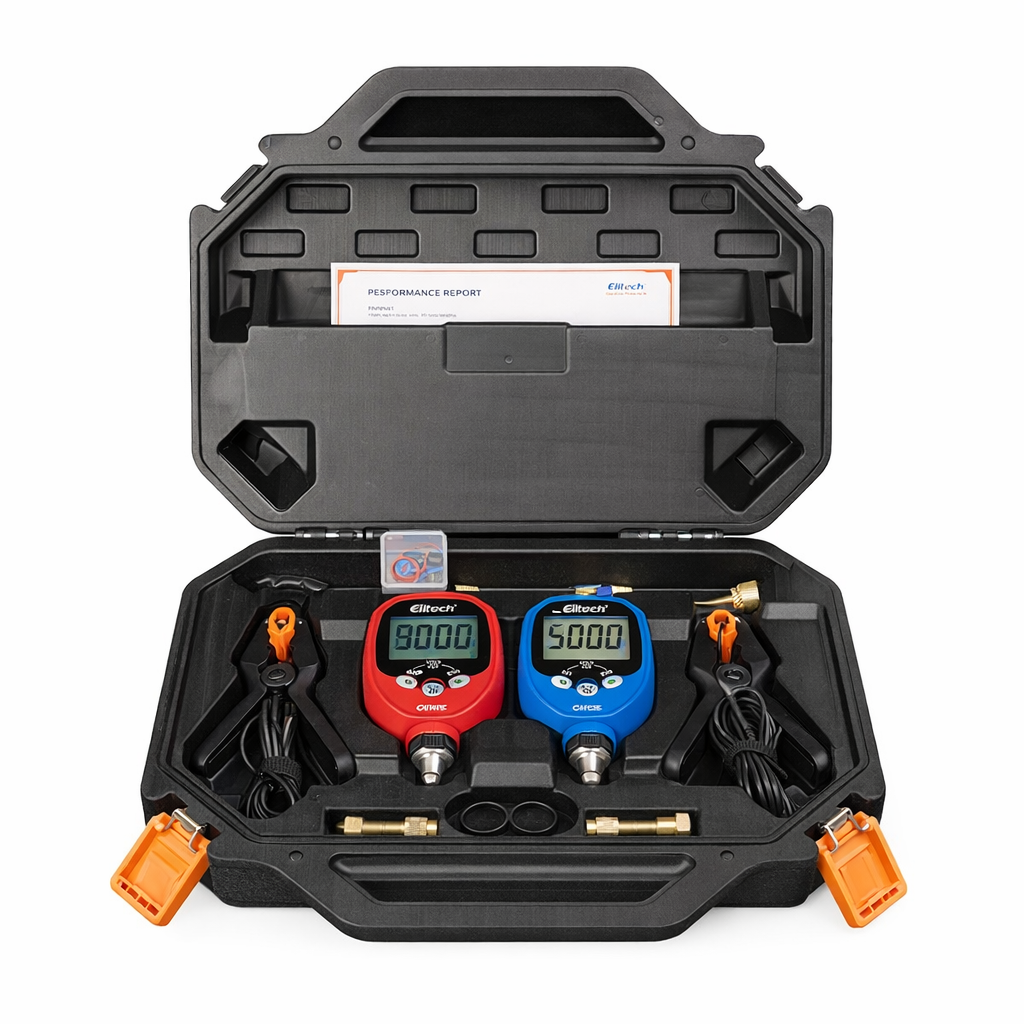
If you want to use the same AC gauge across systems, invest in these items.
- High-pressure rated gauges: Covers R410A and similar refrigerants safely.
- Swappable hoses with quick-connect fittings: Let you replace a hose or fitting without changing the whole set.
- Compatible O-rings and seals kit: Small parts that prevent contamination and failures.
- Refrigerant-specific adapters: Bridge legacy service ports to modern fittings.
- Inline filter-driers and purge kits: Clean hoses and prevent oil or refrigerant transfer.
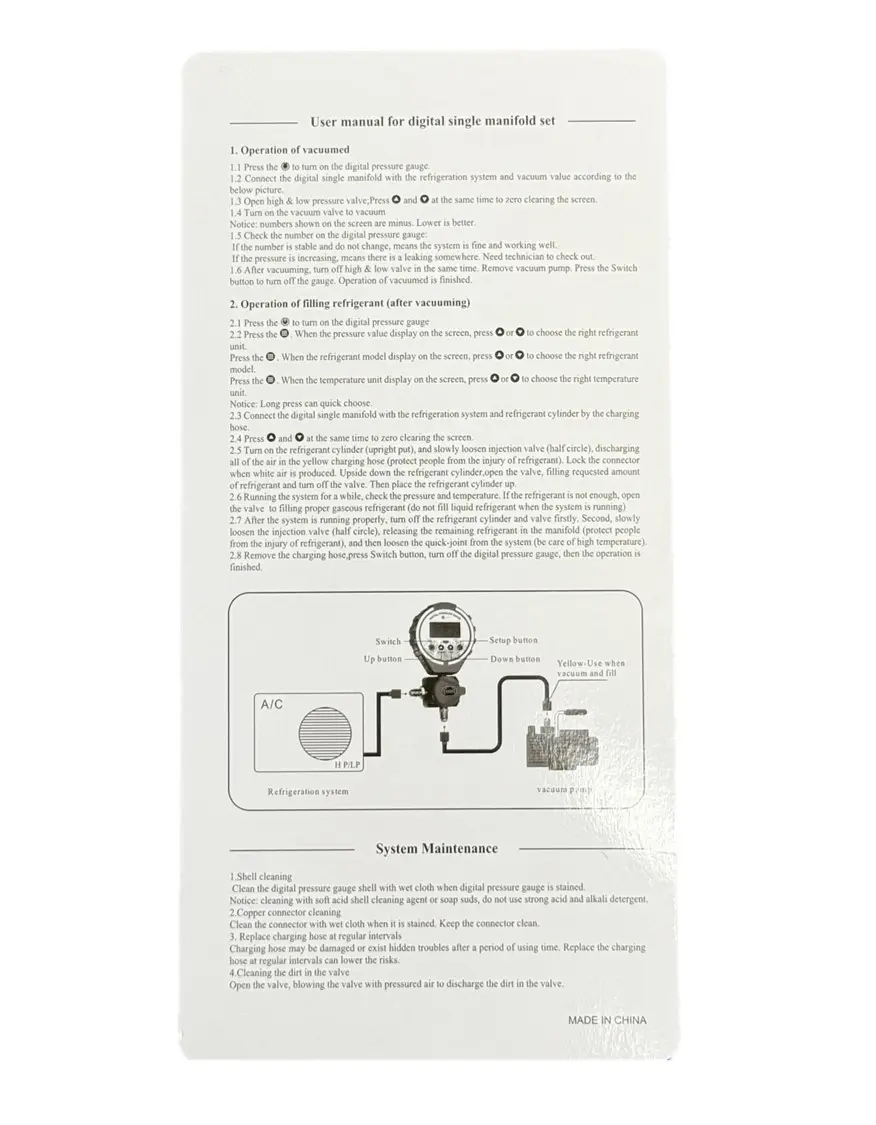
- Electronic manifold with refrigerant selection: Some digital manifolds let you select refrigerant and see correct temp/pressure conversions.

Personal experience: mistakes, fixes, and lessons learned
I once used the same AC gauge on R22 and then on a R410A job without swapping hoses. The gauge handled the pressure, but the hoses had old seals that failed. I learned to always inspect seals and keep a small parts kit.
Another time I misread a pressure because I used the wrong pressure-temperature chart. I now keep quick-reference charts in my truck and a digital app for conversions. My rule: same AC gauge is fine if you check ranges, seals, and purge carefully.
Safety, regulations, and legal considerations
Handling refrigerants often requires certification and recovery equipment. Using the same AC gauge doesn’t change legal obligations. Some refrigerants are flammable or have strict disposal rules.
- Always recover refrigerant before opening a system when required.
- Wear eye and skin protection when working with pressurized refrigerant.
- Follow local rules for refrigerant handling and documentation to avoid fines or hazards.

Quick troubleshooting checklist
If readings look off after switching refrigerants, use this checklist.
- Verify gauge calibration and zero reading.
- Confirm correct pressure-temperature chart for the refrigerant.
- Inspect hoses and valves for leaks or damaged seals.
- Purge and vacuum hoses, then test again.
- Consider switching to a dedicated gauge set if contamination is suspected.
PAA-style questions (short, direct answers)
Will the same AC gauge damage my system?
Not usually, if the gauge range and hose materials match the refrigerant. Damage happens when pressure limits are exceeded or contaminants mix.
Do I need different hoses for POE oil systems?
Yes, POE oil can degrade some older rubber. Use hoses with materials rated for POE and the refrigerant you’re servicing.
Can I read R22 pressures and interpret them for R410A?
No. Each refrigerant has a different pressure-temperature curve. Always use the correct chart for the refrigerant on your gauge.
How often should I calibrate my gauge?
Check calibration annually, or after any drop or suspected mishandling. Accurate readings depend on proper calibration.
Is a digital manifold better for multiple refrigerants?
Digital manifolds often simplify conversions and can store refrigerant profiles, making them a safe choice when using the same AC gauge across refrigerants.
Frequently Asked Questions of Can I use the same AC gauge for different refrigerants?
Can I use the same AC gauge set for R22 and R410A?
You can only if the gauges and hoses are rated for R410A pressures and the seals are compatible with POE oil. Always purge hoses and verify fittings before switching.
Will contaminating refrigerants cause system failure?
Yes, mixing refrigerants or oils can degrade performance, damage compressors, and void warranties. Avoid cross-contamination at all costs.
Are adapters safe to use between different service ports?
Adapters are safe when properly rated and leak-tight. Use quality adapters and double-check for leaks after connecting.
How do I prevent oil compatibility issues when switching refrigerants?
Purge hoses, use a recovery machine, and inspect or replace seals and hoses. If oil types differ, clean lines or avoid using the same gauge set on both systems.
Do I need special certification to handle different refrigerants?
Many regions require certification for refrigerant handling and for recovery equipment use. Check local regulations before servicing.
Should I label my gauge set for specific refrigerants?
Yes. Labeling reduces mistakes and keeps systems protected from cross-contamination. Color codes help on busy jobs.
Conclusion
Using the same AC gauge for different refrigerants is possible and common if you follow a strict checklist: match gauge ranges, use compatible hoses and seals, purge lines, and follow proper charts. My field experience shows small habits—like replacing O-rings and labeling hoses—prevent costly mistakes and keep work safe. Start by auditing your gauge set, add a few adapters and spare seals, and practice purging before switching refrigerants. If you enjoyed this guide, try applying the checklist on your next job, subscribe for more HVAC tips, or leave a comment with your own experiences.

