

An AC gauge measures refrigerant pressure to diagnose and charge an air conditioner.
I have worked on HVAC systems for years, so I know how important clear, accurate tools are. This article explains how does an AC gauge work? I will walk you through the parts, the readings, safe use, and real examples. Read on to learn how an AC gauge can save time and help you fix common AC problems.

36% off Today’s Exclusive Deals
Limited-time Exclusive Deals. Check current discount on Amazon.
Check Price on Amazon As an Amazon Associate I earn from qualifying purchases.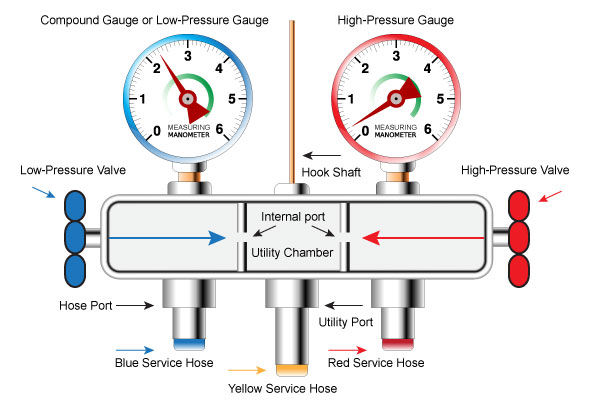
How does an AC gauge work? — Basic principle
How does an AC gauge work? It measures refrigerant pressure inside the system. The gauge shows pressure on a dial or screen. Technicians compare that reading to expected values to find faults.
Pressure relates to temperature for each refrigerant. A gauge translated to a pressure-temperature chart gives the refrigerant's saturation temperature. That link is how pressure readings tell you if the system is low on charge, overcharged, or has a blockage.
Types of AC gauges and gauge sets
There are a few common types of gauges. Each type answers the question how does an AC gauge work? in a slightly different way.
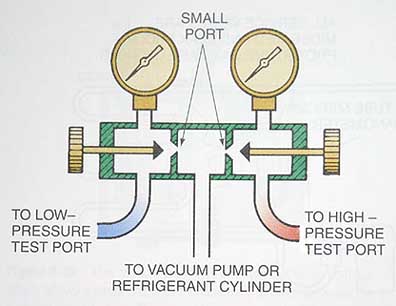
- Manifold gauge set: Two mechanical gauges on a metal block. Used for charging and testing both high and low sides.
- Digital gauges: Electronic sensors and screens. They can log data and show finer resolution.
- Single-side gauges: For quick low-side checks. Less complete but handy for simple jobs.
- Vacuum gauges: Designed to read below atmospheric pressure when evacuating systems.
Choosing the right type depends on the job and the refrigerant you use. For most HVAC work, a two-gauge manifold set remains the go-to tool.

Key components and how they function
An AC gauge set has a few basic parts that explain how does an AC gauge work?
- Gauge face or digital display: Shows pressure in psi or bar.
- Manifold body: Lets you open or close paths to the system.
- Hoses: Connect to service ports on the AC. Color coded for high, low, and service.
- Valves: Control flow to vacuum pump, tank, or system.
- Connectors and fittings: Ensure a sealed link to prevent leaks.
Each part must be intact and clean. A bad hose or loose fitting will skew the readings and lead to mistakes.

Reading pressures and diagnosing common problems
How does an AC gauge work when diagnosing issues? By comparing pressures to expected ranges under known conditions.
- Low-side pressure too low and compressor runs: Often low charge or restriction on the low side.
- High-side pressure very high with normal low-side: Could be overcharge, poor airflow, or a stuck compressor valve.
- Both sides low: Likely undercharged or a leak.
- Both sides high: Possible overcharge or failing condenser.
You will often convert pressure to saturation temperature with a P-T chart. That gives a clearer view of whether the refrigerant is at the right state. Remember that ambient temperature and system load change the numbers. For example, on a hot day normal pressures will be higher.
Can an AC gauge find a leak? Yes, it points to low charge but does not locate the leak by itself. You need dye, electronic leak detectors, or a soap test to find the exact leak.
Will a gauge read temperature? No, a gauge reads pressure. You use a chart to get the corresponding temperature.

How to use an AC gauge safely: step-by-step
If you wonder how does an AC gauge work during a charge, follow these steps.
- Wear safety gear: Gloves and eye protection.
- Turn off the system: Always start with the system off when connecting.
- Attach hoses: Connect low (blue) and high (red) to service ports. Connect the middle (yellow) to vacuum pump or refrigerant.
- Open valves slowly: Crack valves to get a reading, then open fully as needed.
- Read pressures with system running: Turn system on to see running pressures.
- Charge or evacuate carefully: Add refrigerant in short bursts. Watch pressure and temperature.
Common mistakes to avoid:
- Connecting to the wrong port. This gives wrong results.
- Charging without measuring both sides. You can easily overfill.
- Using a gauge with damaged hoses or faulty seals.
Real-world examples and personal experience
From my years in the field, the clearest lesson is to trust readings, not assumptions. I once diagnosed a stubborn low-cooling complaint by checking how does an AC gauge work on a hot roof unit. The low side seemed fine, but the high side was sky-high. That pointed to blocked airflow over the condenser. Cleaning the coils fixed it.
Useful tips I learned:
- Zero your gauges and check fittings before use.
- Note ambient temp and humidity. They change expected pressures.
- Log readings when you start and after 15 minutes of run time.
These small steps save time and prevent repeat visits.

Limitations, calibration, and accuracy
How does an AC gauge work when it comes to accuracy? Gauges need calibration and care. Over time, mechanical springs drift and digital sensors can lose accuracy.
- Calibrate periodically: Follow the maker's advice or compare with a master gauge.
- Know the tool limits: Some gauges are not rated for certain refrigerants or pressures.
- Environmental effects: Cold or heat can change readings slightly.
If a reading conflicts with symptoms, double-check with another gauge or method. Transparency about limits will keep you safe and accurate.

Frequently Asked Questions of How does an AC gauge work?
How does an AC gauge work for charging a system?
An AC gauge measures system pressure while you add refrigerant. You add in small amounts while watching low and high-side pressures and comparing them to expected ranges.
Can an AC gauge detect a refrigerant leak?
A gauge shows low pressure that suggests a leak, but it does not locate the leak. Use dye, sniffer tools, or soap bubbles to find the leak point.
Are digital gauges better than mechanical gauges?
Digital gauges often offer finer resolution and logging. Mechanical gauges remain robust and are common in field repair. Choice depends on budget and needed features.
Is it safe to charge an AC with an AC gauge set at home?
Charging can be risky without training. Incorrect charging, wrong refrigerant, or poor connections can harm the system and the environment. If unsure, hire a certified technician.
How often should gauges be calibrated?
Check calibration yearly or if readings seem off. Heavy use or drops can require sooner calibration. Proper calibration ensures accurate diagnosis and charging.
What does a high high-side pressure mean on a gauge?
High high-side pressure can mean overcharge, poor condenser airflow, or a compressor problem. Compare to ambient conditions and check the condenser and fans.
Can I use the same gauge for all refrigerants?
Not always. Some gauges and hoses are rated for specific refrigerants. Verify compatibility before working with a different refrigerant.
Conclusion
An AC gauge is a simple tool that measures pressure to reveal the health of an air-conditioning system. Use it to read low and high-side pressures, compare values to charts, and diagnose leaks, blockages, and charge issues. Practice safe connection methods, keep gauges calibrated, and double-check odd readings. Try these steps on a small job, note the pressures, and build your confidence over time. If you found this helpful, subscribe for more HVAC tips or leave a comment with your questions.

