

The battle between Motorola Razr+ and iPhone 16 Pro is more than just specs and numbers. These two phones represent different ideas about what a smartphone should be. The Razr+ brings back the excitement of foldable design, while the iPhone 16 Pro stands as the latest in Apple’s long tradition of refined, powerful devices. If you’re trying to choose between these two, you’re not alone. Many people want to know which one truly fits their needs, style, and daily life. This comparison will walk you through all the important points, from displays and design to battery life, camera tech, and software experience. Along the way, you’ll discover practical insights and some surprising details that many buyers miss.
Design And Build Quality
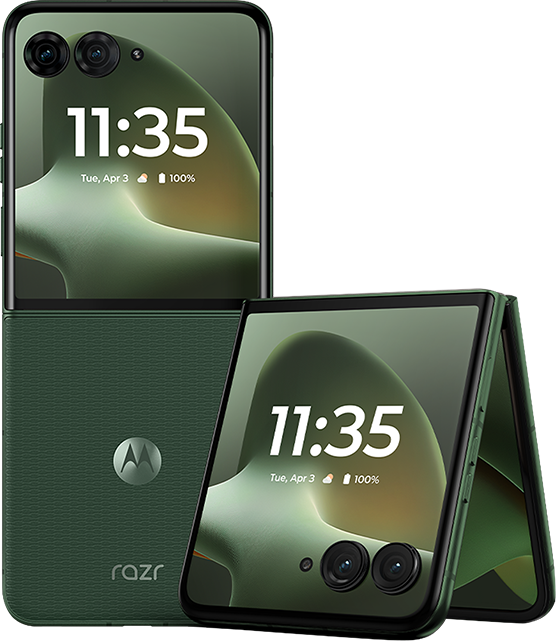
When you pick up the Motorola Razr+, you notice right away how different it feels. This is a foldable phone—it flips open to reveal a large display but folds down small enough to fit in a pocket or purse. The hinge is smooth and durable, a leap ahead from early foldables. The outer shell combines glass and aluminum, offering a premium touch, but it’s the compactness that really stands out. There’s also a small display on the outside for quick glances at notifications, music, or selfies.

36% off Today’s Exclusive Deals
Limited-time Exclusive Deals. Check current discount on Amazon.
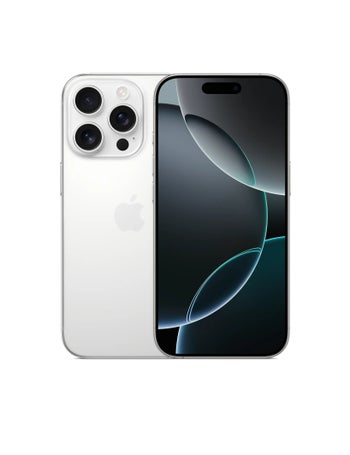
Check Price on Amazon As an Amazon Associate I earn from qualifying purchases.The iPhone 16 Pro sticks with Apple’s familiar design language—flat edges, surgical-grade stainless steel, and a matte glass back. It doesn’t fold, but it feels solid and luxurious in the hand. The new color options, including a deeper blue and classic graphite, give it a modern yet timeless look.
While both phones are beautifully made, the Razr+ is for those who want something unique and compact, while the iPhone 16 Pro is for fans of classic elegance and proven durability.
Display Quality
The display is where these two phones take very different approaches. The Razr+ offers a main 6.9-inch pOLED display with 2640×1080 resolution and a 165Hz refresh rate. Colors are punchy, blacks are deep, and the high refresh rate makes scrolling feel extra smooth. When closed, the 3.6-inch external display lets you check messages, control music, or even run some apps—without opening the phone.
The iPhone 16 Pro uses a 6.1-inch Super Retina XDR OLED display, with a higher 2556×1179 resolution and 120Hz ProMotion refresh rate. Apple’s screen is famous for true-to-life color accuracy and excellent outdoor brightness. It’s a little smaller than the Razr+ unfolded, but the bezels are slim and the experience is immersive.
If you value a larger screen in a compact body, the Razr+ is hard to beat. But for those who want the absolute best in color accuracy and brightness, the iPhone 16 Pro’s display is industry-leading.
Performance And Processor
Inside, the Razr+ uses the Qualcomm Snapdragon 8+ Gen 1 processor. This is a flagship chip from 2023, paired with 8GB of RAM. It handles gaming, multitasking, and daily tasks without lag. Apps open quickly, and even demanding games run well. However, it’s not the absolute newest chip on the market.
The iPhone 16 Pro features Apple’s latest A18 Pro chip, built on advanced 3nm technology. This processor is not just fast—it’s efficient, too. The iPhone 16 Pro scores higher in most benchmarks, especially for graphics and AI tasks. With 8GB of RAM, it handles video editing, 3D games, and heavy multitasking with ease.
While both phones are fast, the iPhone 16 Pro has a clear edge in raw power and future-proofing. If you want the most powerful phone for the next few years, Apple takes the lead.
Camera System
Camera technology is one of the most important features for many users. The Motorola Razr+ has a main 12MP wide camera, a 13MP ultra-wide and macro camera, and a 32MP front camera. The unique part: you can use the main cameras for selfies when the phone is closed, thanks to the external display.
The iPhone 16 Pro packs a triple-lens system: a 48MP main camera, 12MP ultra-wide, and a 12MP 5x optical telephoto lens. The front-facing camera is 12MP, but Apple’s image processing brings out lifelike colors and details. Night mode, ProRAW, and cinematic video are all available.
In practice, the iPhone 16 Pro offers better image clarity, especially in low light and zoom shots. The Razr+ is fun for creative selfies and social media, but Apple’s camera system is more advanced for serious photography and video work.
Battery Life And Charging
Battery performance can make or break your experience. The Razr+ has a 3800mAh battery, which is decent for a foldable but smaller than many slab phones. With moderate use, it lasts a full day, but heavy video calls or gaming can drain it faster. It supports 30W wired charging and 5W wireless charging.
The iPhone 16 Pro uses a roughly 3200mAh battery, but Apple’s efficiency means it often outlasts larger batteries. Most users get a full day, even with heavy use. It supports 27W wired charging, 15W MagSafe wireless, and new Qi2 wireless charging.
A common mistake is to focus only on battery size. In reality, Apple’s software optimization makes its smaller battery last longer than you’d expect. If you need absolute all-day power, consider your usage patterns carefully.
Software Experience
The Razr+ runs Android 13 with Motorola’s minimal skin. You get all the flexibility of Android, including customization, widgets, and app choices. Motorola adds some handy features like chop-to-flashlight and twist-to-camera. Updates are promised for three years, but Android updates can be slower to arrive than on iPhones.
The iPhone 16 Pro runs the latest iOS 18. This system is known for its security, smooth updates, and wide app selection. Features like Focus modes, FaceTime upgrades, and seamless integration with Mac and iPad set it apart. Apple supports its phones with updates for five years or more.
If you value complete control and customization, the Razr+ is better. If you want reliability, security, and the smoothest experience, iPhone 16 Pro shines.
Storage Options
The Razr+ comes in 256GB and 512GB storage versions. There is no microSD card slot, so choose wisely at purchase. 256GB is enough for most users, but if you store lots of videos or games, consider the 512GB.
The iPhone 16 Pro starts at 128GB, but you can upgrade to 256GB, 512GB, or even 1TB. Again, there is no microSD expansion, but iCloud integration makes cloud storage easy.
Many people underestimate how quickly they’ll fill up storage—especially with high-res photos and 4K videos. Think about your needs now and in the future.
Audio And Speakers
Good sound is often overlooked. The Razr+ has stereo speakers with Dolby Atmos support, making movies and games sound immersive. Volume is loud enough for personal use, but bass is limited due to the compact design. There’s no headphone jack.
The iPhone 16 Pro also features stereo speakers, tuned for spatial audio. The sound is richer, with deeper bass and clearer highs. Listening to music or watching videos feels more dynamic. Like the Razr+, there is no headphone jack.
If you care deeply about audio quality, the iPhone 16 Pro offers a slightly better experience, especially at high volumes.
Connectivity And Network Support
Both phones support 5G, Wi-Fi 6E, and Bluetooth 5.3. The Razr+ also includes eSIM plus a physical SIM slot, handy for travelers. It works on all major US carriers.
The iPhone 16 Pro supports 5G (including mmWave in the US), Wi-Fi 7, and dual eSIM. Apple’s Ultra Wideband chip improves AirDrop, device finding, and smart home features. International models may lack physical SIM slots.
A non-obvious insight: If you switch carriers often, the Razr+ gives more flexibility. But for the fastest wireless speeds and the best integration with other smart devices, the iPhone 16 Pro leads.
Security And Privacy Features
Security matters more than ever. The Razr+ uses a side-mounted fingerprint reader and face unlock (software-based). It’s quick, but the face unlock is less secure than Apple’s Face ID.
The iPhone 16 Pro uses Face ID, which maps your face in 3D and is highly secure. Apple is known for protecting privacy: data processing happens on-device, and features like App Tracking Transparency put you in control.
If privacy and security are top concerns, the iPhone 16 Pro’s technology and policies are hard to match.
Durability And Water Resistance
Foldable phones once had a reputation for being fragile, but the Razr+ is tougher than you might think. It uses Gorilla Glass Victus and a reinforced hinge. It is splash-resistant (IP52), which protects against light rain, but not full immersion.
The iPhone 16 Pro is IP68 rated, meaning it can survive being underwater (up to 6 meters for 30 minutes). The glass is Ceramic Shield, one of the toughest on any phone.
If you want a phone that can handle drops, dust, and water, the iPhone 16 Pro is safer. But if you treat your phone with care, the Razr+ is durable enough for most situations.
Special Features
Both phones offer unique extras. The Razr+’s most special feature is its foldable screen and the ability to use the main camera for selfies. There’s also Ready For, which lets you connect the phone to a PC or monitor for a desktop-like experience.
The iPhone 16 Pro introduces new AI-powered features, improved Action Button (customizable for shortcuts), and always-on display with widgets. There’s also support for Apple Vision Pro (spatial video capture), which is forward-thinking.
A detail many miss: the Razr+ is great for people who love taking photos and videos of themselves, while the iPhone 16 Pro is designed for those who want to push the latest tech boundaries.
Price And Value
Pricing can be a deal-breaker. The Motorola Razr+ starts at around $999 for the 256GB model. The iPhone 16 Pro starts at $999 for 128GB, with higher storage models costing more.
Value depends on what you want. The Razr+ gives you a truly unique design and experience for the price. The iPhone 16 Pro offers a more refined, powerful device with better long-term support.
One mistake is to buy based on specs alone. Consider how long you plan to keep your phone and what features matter most to you.
Ecosystem And Accessories
The iPhone 16 Pro fits perfectly into the larger Apple ecosystem. If you own a MacBook, iPad, Apple Watch, or AirPods, everything works together seamlessly. Features like Handoff, AirDrop, and Universal Clipboard save time and effort. There are also more accessories, from MagSafe wallets to camera lenses.
The Razr+ works with most Android accessories and supports Google services. Motorola’s Ready For adds some desktop-like features. But the Android ecosystem is less tightly connected than Apple’s.
If you already own Apple devices, the iPhone 16 Pro will make life easier. For Android fans who want flexibility, the Razr+ is a solid choice.
User Experience And Everyday Use
Day-to-day, the Razr+ feels fun and fresh. Flipping open your phone is satisfying, and the external display reduces distractions. The device is light and fits in any pocket. However, the crease in the foldable screen is noticeable, especially in bright light, and some apps don’t take full advantage of the tall aspect ratio.
The iPhone 16 Pro is consistent and reliable. Everything just works, from Face ID unlock to app switching. The haptic feedback, smooth animations, and attention to detail make it a pleasure to use. iOS offers fewer customization options, but many users appreciate the stability.
If you want a phone that feels different and fun, choose Razr+. If you value polish and consistency, the iPhone 16 Pro is the winner.
Software Updates And Longevity
A key difference is long-term support. The iPhone 16 Pro will likely receive at least five years of iOS updates. Apple’s track record here is unmatched—your phone will stay secure and get new features for years.
The Razr+ promises three years of Android updates and four years of security patches. This is good for Android, but not as strong as Apple.
If you keep your phone for three years or less, either choice is fine. For longer use, the iPhone 16 Pro is a safer bet.

Sustainability And Repairability
Both brands are making efforts toward sustainability. The Razr+ uses recycled materials in its packaging, and Motorola offers trade-in and recycling programs. Repairability is moderate—screen or battery replacements should be done by professionals.
The iPhone 16 Pro is made with recycled aluminum and rare earth elements. Apple provides detailed repair manuals and parts, but repairs can still be expensive and require special tools.
A non-obvious insight: Apple’s environmental efforts are broader, but real-world repair costs are high for both. Always use a good case and screen protector to avoid the most common accidents.
Real-world Comparison Table
To help you see the key differences at a glance, here is a summary:
| Feature | Motorola Razr+ | iPhone 16 Pro |
|---|---|---|
| Design | Foldable, compact | Classic, flat, premium |
| Main Display | 6.9″ pOLED, 165Hz | 6.1″ OLED, 120Hz |
| Processor | Snapdragon 8+ Gen 1 | A18 Pro |
| Main Camera | 12MP + 13MP | 48MP + 12MP + 12MP |
| Battery | 3800mAh | ~3200mAh |
| Water Resistance | IP52 | IP68 |
| Starting Price | $999 (256GB) | $999 (128GB) |
Who Should Choose Which?
- Choose the Motorola Razr+ if:
- You want a phone that stands out and folds down small.
- Selfies and social media are important.
- You like Android’s flexibility and want something fun.
- Choose the iPhone 16 Pro if:
- You want the most power and best cameras.
- You already use Apple devices.
- Long-term updates and security matter.
Detailed Camera Feature Comparison
To see the camera features side by side:
| Camera Feature | Motorola Razr+ | iPhone 16 Pro |
|---|---|---|
| Main Sensor | 12MP, f/1.5 | 48MP, f/1.8 |
| Ultra-Wide | 13MP, f/2.2 | 12MP, f/2.2 |
| Telephoto | None | 12MP, 5x optical |
| Selfie Camera | 32MP (main camera used via cover display) | 12MP |
| Video Recording | Up to 4K 60fps | Up to 4K 60fps (cinematic modes) |
| Special Modes | Macro, Dual Capture | Night Mode, ProRAW, Cinematic Video |
Performance And Battery Life Comparison
For those who care about speed and endurance:
| Aspect | Motorola Razr+ | iPhone 16 Pro |
|---|---|---|
| Processor | Snapdragon 8+ Gen 1 | A18 Pro |
| RAM | 8GB | 8GB |
| Battery | 3800mAh | ~3200mAh |
| Wired Charging | 30W | 27W |
| Wireless Charging | 5W | 15W (MagSafe) |
| Expected Screen-on Time | ~6-7 hours | ~7-8 hours |
Final Thoughts
Choosing between the Motorola Razr+ and the iPhone 16 Pro isn’t just about specs or price. It’s about what you want from your phone. The Razr+ is fresh, stylish, and fun, with a foldable twist that makes it stand out. The iPhone 16 Pro is a powerhouse, designed for those who want the best in performance, camera, and long-term updates. If you care about the Apple ecosystem, camera quality, and security, the iPhone is the clear winner. If you want something unique and love the idea of foldable tech, the Razr+ will make you smile every time you use it. The choice is yours—both phones deliver, but in their own distinct ways.
To learn more about the history and technology behind foldable phones, check out this Wikipedia article on foldable smartphones.
Frequently Asked Questions
How Durable Is The Motorola Razr+ Compared To The Iphone 16 Pro?
The Razr+ is more durable than earlier foldables, with Gorilla Glass Victus and a strong hinge. However, its foldable design is still less resistant to water and dust (IP52) than the iPhone 16 Pro (IP68), which can survive drops and submersion better.
Which Phone Gets Software Updates For Longer?
The iPhone 16 Pro will get at least five years of iOS updates, keeping it secure and adding new features for a long time. The Razr+ promises three years of Android updates and four years of security patches, which is solid but not as long as Apple’s support.
Can I Use The Same Apps On Both Phones?
Most major apps are available on both Android and iOS. However, some exclusive apps and features may only be found on one system. If you use a lot of Google services, the Razr+ may fit better. For Apple-only features (like iMessage or AirDrop), you’ll need the iPhone 16 Pro.
Which Phone Is Better For Taking Selfies?
The Motorola Razr+ offers a unique advantage: you can use the main cameras for selfies with the cover display, which means better image quality. The iPhone 16 Pro has an excellent front camera and advanced software, but the Razr+ is more flexible for creative selfies.
Is The Fold In The Razr+ Screen Distracting?
Some users notice a crease where the Razr+ folds, especially in bright light or with light backgrounds. It doesn’t affect function, but if you’re sensitive to visual details, it might bother you. The iPhone 16 Pro has a traditional flat screen with no crease.
The choice between these two phones depends on what you value most: innovation and fun design, or power and reliability. Both are excellent, but each has its own strengths.

