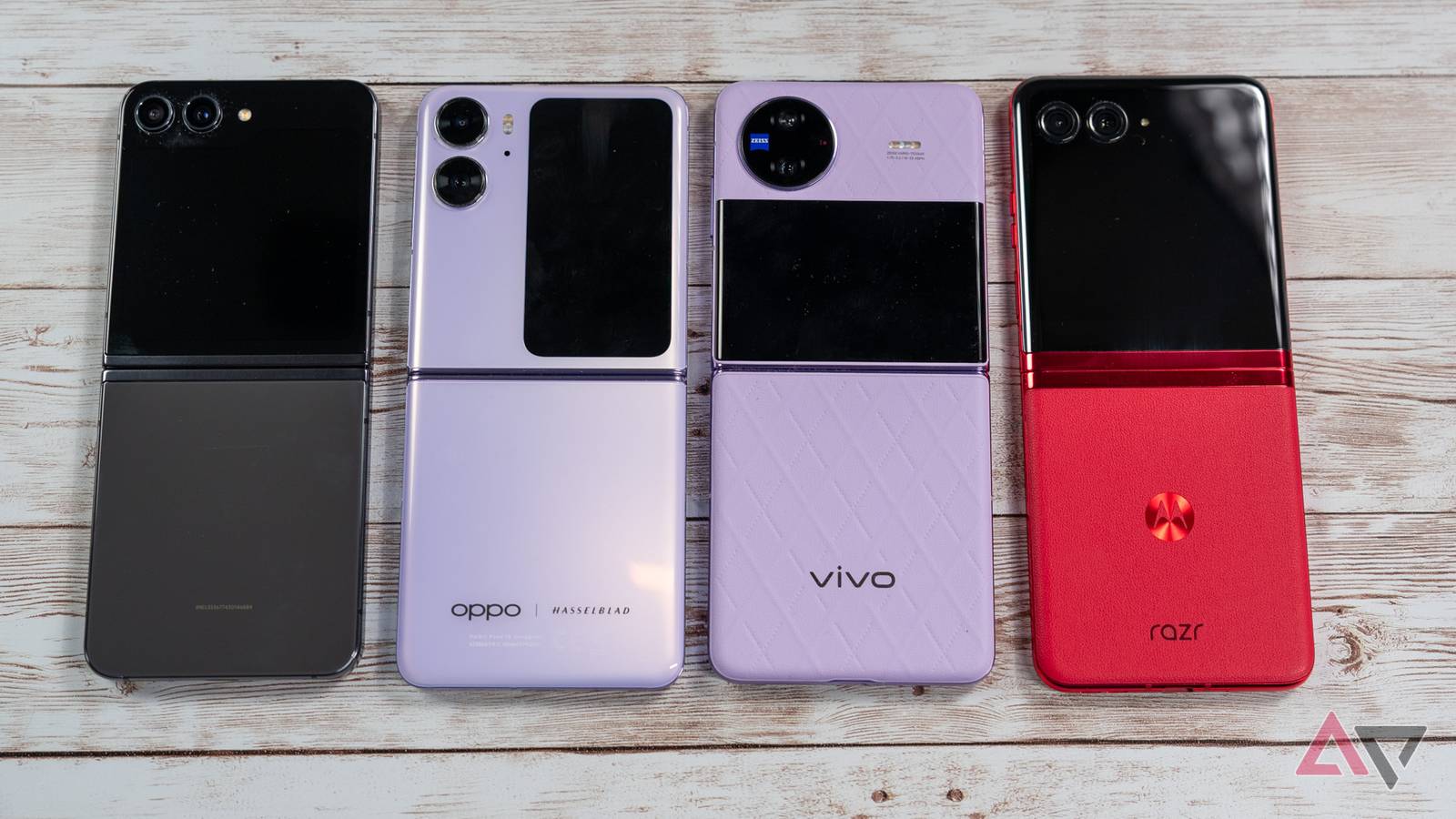
Comparing foldable phones is always exciting, especially when they come from innovative brands like Oppo and Vivo. The Oppo Find N3 Flip and Vivo X Flip stand out as two of the most talked-about clamshell foldables in recent times. Both phones offer unique strengths and modern features, but choosing between them is not always easy. If you are thinking about buying one, or just curious about the differences, this detailed guide will help you understand which phone could be better for your needs.
The foldable market has grown fast, and today’s models offer much more than just a flexible screen. Performance, camera quality, battery life, and even software experience can be very different—even if the devices look similar at first glance. Many people focus only on specs, but real-world usability matters just as much.

36% off Today’s Exclusive Deals
Limited-time Exclusive Deals. Check current discount on Amazon.
Check Price on Amazon As an Amazon Associate I earn from qualifying purchases.Let’s dive into every important aspect of the Oppo Find N3 Flip and the Vivo X Flip, compare their strengths, and highlight the subtle details that beginners often miss.
Design And Build Quality
Foldable phones have a distinctive look, but there are key differences in build quality and design choices between these two competitors.
Oppo Find N3 Flip
The Oppo Find N3 Flip continues Oppo’s tradition of elegant design. It has a vertical cover display (similar to a mini smartphone on the back) that measures 3.26 inches. This screen is not only bigger than many other flip phones but also more functional, allowing you to use mini-apps, notifications, and camera previews without opening the main screen.
The phone uses Gorilla Glass Victus on the front and back, and an aluminum frame. It feels solid in hand and has a premium finish. The hinge is robust and rated for over 400,000 folds, according to Oppo. This means you can open and close it about 100 times a day for 10 years before worrying about wear.
One small but important detail: The Find N3 Flip is slightly thicker and heavier than some competitors when folded, but this gives it a sturdy feel, and the gapless hinge means less dust gets inside.
Vivo X Flip
The Vivo X Flip looks elegant and modern, with a circular cover display (3 inches) that stands out visually. It is a bit thinner and lighter than the Find N3 Flip, making it easier to slip into a pocket.
Vivo uses a similar mix of premium materials, including glass and aluminum. The hinge mechanism is smooth, and the phone closes almost completely flat. Vivo claims their hinge can also survive 400,000 folds, so both phones are reliable for long-term use.
One unique touch is the use of striking color options and a vegan leather finish on some models, which adds grip and reduces fingerprints—a non-obvious benefit for daily use.
Display Quality
The display is one of the most important parts of a foldable phone. Both main and cover screens should be bright, clear, and durable.
Oppo Find N3 Flip
- Main Screen: 6.8-inch AMOLED, 120Hz refresh rate, HDR10+ support, 2520 x 1080 pixels
- Cover Screen: 3.26-inch AMOLED, 720 x 382 pixels
The main display is vibrant and smooth, with rich colors and deep blacks. The 120Hz refresh rate makes scrolling and animations feel fast. It is also bright enough for use in sunlight, with a peak brightness of around 1600 nits.
The cover display is one of the largest in any flip phone and supports more third-party apps than most competitors. You can reply to messages, control music, or even use navigation without opening the phone.
Vivo X Flip
- Main Screen: 6.74-inch AMOLED, 120Hz refresh rate, HDR10+, 2520 x 1080 pixels
- Cover Screen: 3-inch AMOLED, 682 x 422 pixels
The Vivo X Flip’s main screen is just slightly smaller but offers similar resolution and smoothness. It is also very bright and colorful, with a peak brightness close to 1200 nits.
The cover screen is round and a bit smaller, but it is sharp and useful for notifications, quick selfies, and simple widgets. However, it supports fewer apps compared to Oppo’s cover display.
Display Comparison Table
Here’s a side-by-side look at the display specifications:
| Feature | Oppo Find N3 Flip | Vivo X Flip |
|---|---|---|
| Main Screen Size | 6.8 inches | 6.74 inches |
| Main Screen Resolution | 2520 x 1080 | 2520 x 1080 |
| Refresh Rate | 120Hz | 120Hz |
| Peak Brightness | 1600 nits | 1200 nits |
| Cover Screen Size | 3.26 inches | 3 inches |
| Cover Screen Resolution | 720 x 382 | 682 x 422 |
| Cover Display Shape | Rectangular | Circular |
Performance And Hardware
Speed, multitasking, and smooth operation are essential for a premium foldable. Here’s how the two phones stack up.
Oppo Find N3 Flip
The Find N3 Flip is powered by the MediaTek Dimensity 9200 chipset, which is among the fastest processors in Android phones. Paired with 12GB RAM and 256GB or 512GB storage, it delivers fast app loading, smooth multitasking, and strong gaming performance.
Benchmarks show the Dimensity 9200 is very close to Qualcomm’s flagship chips in real-world use. The phone rarely lags, and can handle demanding games and video editing apps with ease.
Vivo X Flip
Vivo uses the Qualcomm Snapdragon 8+ Gen 1 processor, also a high-end chip used in many top Android phones. It is paired with 12GB RAM and options for 256GB or 512GB storage.
Performance is excellent, with quick app launches and smooth transitions. The Snapdragon 8+ Gen 1 is a proven performer, especially for gaming and heavy tasks.
Hardware Comparison Table
How Do The Specs Compare Side By Side?
| Specification | Oppo Find N3 Flip | Vivo X Flip |
|---|---|---|
| Processor | MediaTek Dimensity 9200 | Snapdragon 8+ Gen 1 |
| RAM | 12GB | 12GB |
| Storage | 256/512GB | 256/512GB |
| Expandable Storage | No | No |
| 5G Support | Yes | Yes |
Non-obvious insight: While specs look similar, the MediaTek chip in the Find N3 Flip is more power-efficient for some tasks, which can lead to better battery life when browsing or streaming.
Camera Performance
Cameras are a big selling point for modern foldables. Both phones promise great photos, but the differences are important.
Oppo Find N3 Flip
- Main Camera: 50MP (Sony IMX890, f/1.8, OIS)
- Ultra-wide: 48MP (f/2.2)
- Telephoto: 32MP (2x optical zoom)
- Front Camera: 32MP
The Find N3 Flip is the first flip phone to offer a triple rear camera setup. The main camera uses a large sensor, producing sharp, detailed shots with excellent color accuracy. The ultra-wide lens is useful for landscapes, while the 2x telephoto lens is perfect for portraits and zooming in without losing quality.
Selfies from the front camera are clear, but you can also use the main cameras for selfies, thanks to the large cover display.
Vivo X Flip
- Main Camera: 50MP (Sony IMX866, f/1.8, OIS)
- Ultra-wide: 12MP (f/2.2)
- Front Camera: 32MP
The X Flip has a dual rear camera setup. The main sensor is strong, with good detail and color, but the ultra-wide camera is less sharp than Oppo’s. There is no telephoto lens, so optical zoom is missing.
Selfies are good, and you can preview shots on the cover display, but the experience is not as versatile as Oppo’s.
Camera Comparison Table
A quick overview of their camera specs:
| Camera | Oppo Find N3 Flip | Vivo X Flip |
|---|---|---|
| Main Sensor | 50MP (IMX890) | 50MP (IMX866) |
| Ultra-wide | 48MP | 12MP |
| Telephoto | 32MP (2x) | None |
| Front Camera | 32MP | 32MP |
Non-obvious insight: The Find N3 Flip is the only flip phone with a true telephoto lens, making it better for zoom shots and portraits. Many buyers overlook this, but if you love taking portraits, Oppo has the edge.
Battery Life And Charging
Foldable phones are thin, so battery life is often a concern. Let’s look at how these two compare.
Oppo Find N3 Flip
- Battery: 4,300mAh
- Charging: 44W wired (no wireless charging)
- Battery Life: Around 1.5 days of moderate use
Oppo has managed to fit a larger battery than most flip phones. It lasts a full day easily, and even heavy users can often make it to the evening. Fast charging gets you from 0 to 50% in about 23 minutes—a lifesaver when you need a quick top-up.
Vivo X Flip
- Battery: 4,400mAh
- Charging: 44W wired (no wireless charging)
- Battery Life: Slightly over 1 day with average use
Vivo’s battery is a bit larger, but real-world usage shows only a small difference. Both phones are similar for screen-on time, lasting 5–7 hours depending on what you do.
Pro tip: If you often forget to charge your phone overnight, the fast charging feature on both models can get you back to 80% in less than 40 minutes.
Software Experience
Good hardware needs good software. Foldables also need special features to make the most of their unique screens.
Oppo Find N3 Flip
Oppo’s ColorOS 13 is based on Android 13, and it is well-optimized for foldables. The cover display is highly customizable, supporting more widgets and third-party apps than most rivals.
Multitasking is smooth, with split-screen and floating window features. Oppo also offers long-term software updates, promising at least 3 major Android upgrades and 4 years of security patches.
Vivo X Flip
Vivo’s OriginOS 3 (also based on Android 13) is colorful and clean, with smart animations and foldable-specific features. The cover screen supports quick replies, music controls, and widgets, but is less flexible than Oppo’s.
Software updates are promised for 2 years for major Android versions, and 3 years for security updates. This is decent, but not as long as Oppo’s commitment.
Non-obvious insight: The ability to run third-party apps on the cover display is still rare in flip phones. Oppo’s advantage here is practical—you can quickly check rides, messages, or maps without opening the phone.

Connectivity And Extras
Both phones offer strong connectivity options.
- 5G support: Both have full 5G support for fast data
- Wi-Fi 6, Bluetooth 5.3: Modern wireless standards
- NFC: For contactless payments
- Fingerprint sensor: Side-mounted, fast and accurate
Neither phone has an official IP water resistance rating. While the hinges are designed to keep dust out, you should avoid using them in heavy rain or near water.
Pro tip: The lack of wireless charging may matter if you are used to charging your phone on a pad, but it helps keep the phones slimmer.
Price And Value
Prices can change by region and time, but here’s a general idea:
- Oppo Find N3 Flip: Starts at about $1,100 USD (256GB), $1,200 (512GB)
- Vivo X Flip: Starts at about $900 USD (256GB), $1,000 (512GB)
The Vivo X Flip is usually a bit cheaper than the Oppo Find N3 Flip. However, you need to consider the features you get for the price. Oppo offers a better camera setup and longer software support, which can justify the higher cost for some users.
Non-obvious insight: Many buyers focus only on launch prices, but the Find N3 Flip’s better software update policy means it could be a better long-term investment.
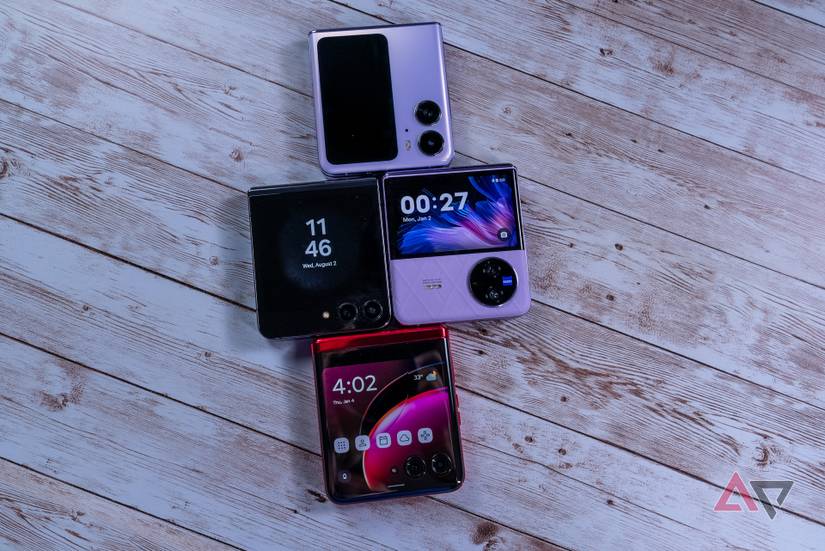
Which Should You Choose?
Both the Oppo Find N3 Flip and Vivo X Flip are excellent flip-style foldable phones, but they appeal to slightly different users.
- Choose Oppo Find N3 Flip if: You want the best camera system in a flip phone, a more flexible cover display, longer software support, and a premium design. It’s ideal for photography lovers, heavy multitaskers, and those who want their device to stay updated longer.
- Choose Vivo X Flip if: You want a lighter, stylish phone with strong performance and a lower price. It’s great for people who want a flip phone experience without paying for extra camera features they may not use.
If you want to see more technical comparisons or global pricing, you can visit GSMArena for the latest data.
Frequently Asked Questions
What Is The Main Difference Between Oppo Find N3 Flip And Vivo X Flip?
The main difference is the camera system. The Oppo Find N3 Flip has three rear cameras, including a telephoto lens for portraits and zoom. The Vivo X Flip has two rear cameras and no telephoto lens. Oppo’s cover display also supports more third-party apps.
Which Phone Has Better Battery Life?
Both phones offer similar battery life, lasting around a day or more with normal use. The Vivo X Flip has a slightly bigger battery, but real-world usage shows little difference. Fast charging is available on both.
Can I Use The Cover Screen For Apps On Both Phones?
You can use the cover screen for notifications and widgets on both phones. However, the Oppo Find N3 Flip supports more third-party apps and mini-apps on the cover display, making it more useful when the phone is closed.
Are These Phones Water-resistant?
Neither phone has an official IP water resistance rating. Both are designed to keep out dust, but you should avoid exposing them to water or heavy rain.
Which Phone Is Better For Selfies?
Both phones have 32MP front cameras and allow you to use the main cameras for selfies by using the cover display. The Oppo Find N3 Flip’s triple camera system gives you more flexibility, especially for portrait shots.
Choosing between the Oppo Find N3 Flip and Vivo X Flip comes down to your priorities: camera features, software support, and price. Whichever you choose, you’ll get a modern, stylish foldable that stands out in today’s smartphone market.