

The world of foldable smartphones is moving fast, and two names keep coming up: the Oppo Find N3 Flip and the Motorola Razr+. These devices are not just about style—they push the boundaries of technology, usability, and design. If you are thinking about buying a flip phone or just love the idea of a foldable device, choosing between these two can feel overwhelming. Both brands have their own loyal fans, and each phone brings unique features to the table.
In this article, you will find a clear, side-by-side comparison of the Oppo Find N3 Flip and Motorola Razr+. We will cover their key specifications, design, displays, cameras, software, battery life, and real-world experiences. You will learn not only what the numbers say, but also what those details mean for daily use.

36% off Today’s Exclusive Deals
Limited-time Exclusive Deals. Check current discount on Amazon.
Check Price on Amazon As an Amazon Associate I earn from qualifying purchases.If you are serious about your next phone upgrade or just curious about the latest foldables, this guide will give you all the important facts without the fluff.
The Foldable Concept: Why It Matters
Before looking at the details, it helps to understand why flip phones are back in style. Foldables are not just a trend—they solve real problems. You get a large screen for watching videos or multitasking, yet the phone folds small enough to fit in your pocket. Both Oppo and Motorola have worked hard to make their foldables feel strong, smooth, and stylish.
But the magic is in the details. The quality of the hinge, the outer display, and the user experience can be very different from brand to brand. With that in mind, let’s see how these two phones approach the foldable concept.
Oppo Find N3 Flip: A Fresh Take On Flip Phones
Oppo’s approach to the foldable phone is simple: take what works and improve it in clever ways. The Find N3 Flip is the company’s third try at this kind of phone, and it shows. Oppo listened to feedback from earlier models and brought serious upgrades.
Design And Build Quality
The Find N3 Flip is compact but feels premium. The hinge is one of the best in the business, with almost no gap when closed. The outer shell uses strong glass and a metal frame, giving it a solid feel in hand. Oppo also added an IPX4 rating, so it can handle some splashes and rain, though it’s not fully waterproof.
One thing that stands out is the phone’s weight—about 198 grams. It’s not the lightest flip phone, but the weight gives it a quality feel. The phone is easy to open and close with one hand, and the hinge feels both smooth and reliable.
Displays: Inner And Outer
Oppo’s inner screen is a 6.8-inch AMOLED with a resolution of 2520 x 1080 pixels. It supports up to 120Hz refresh rate, making scrolling and animations look very smooth. Colors are bright, and viewing angles are wide. There’s also a thin crease, but it’s less noticeable than on some competitors.
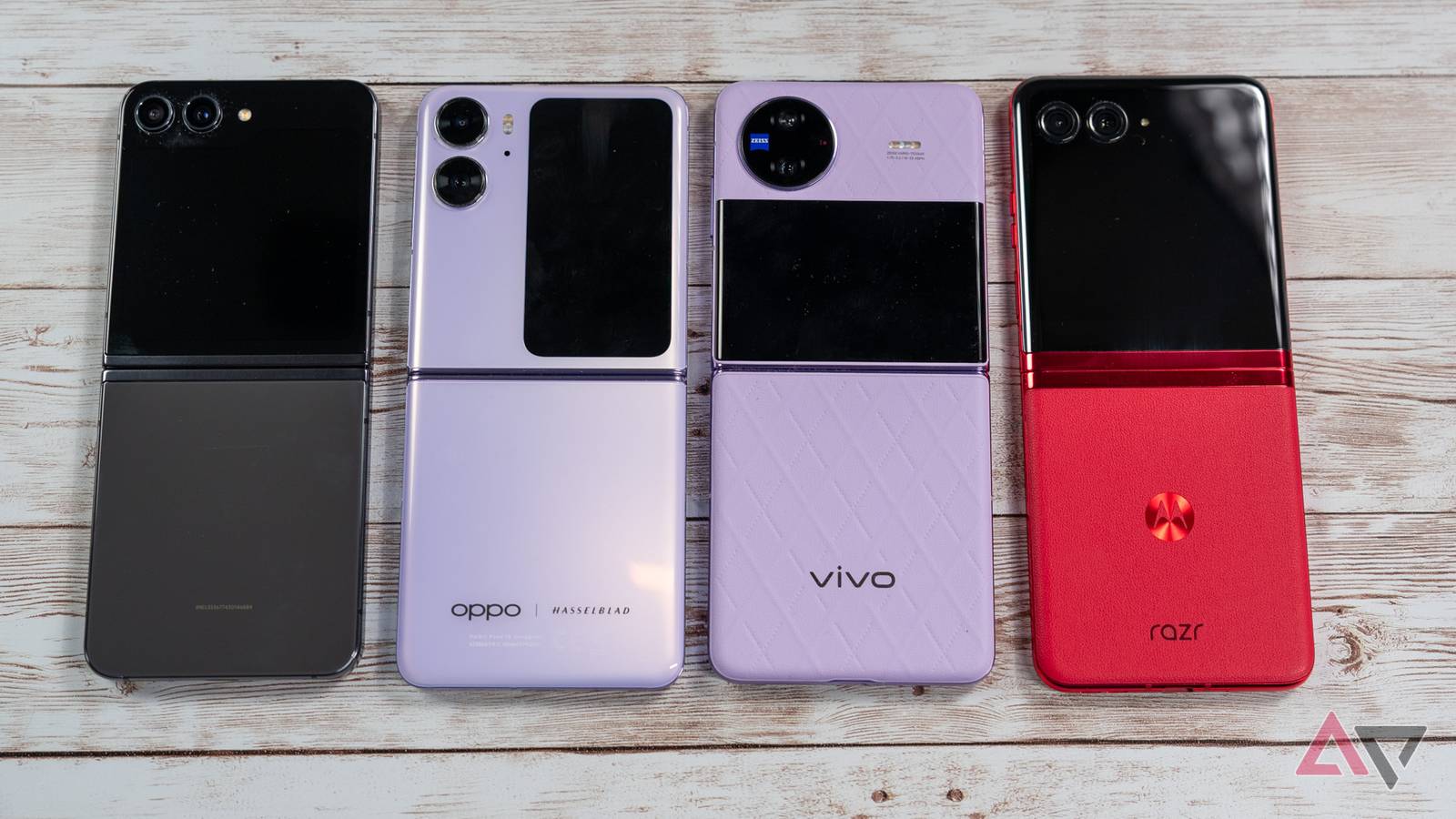
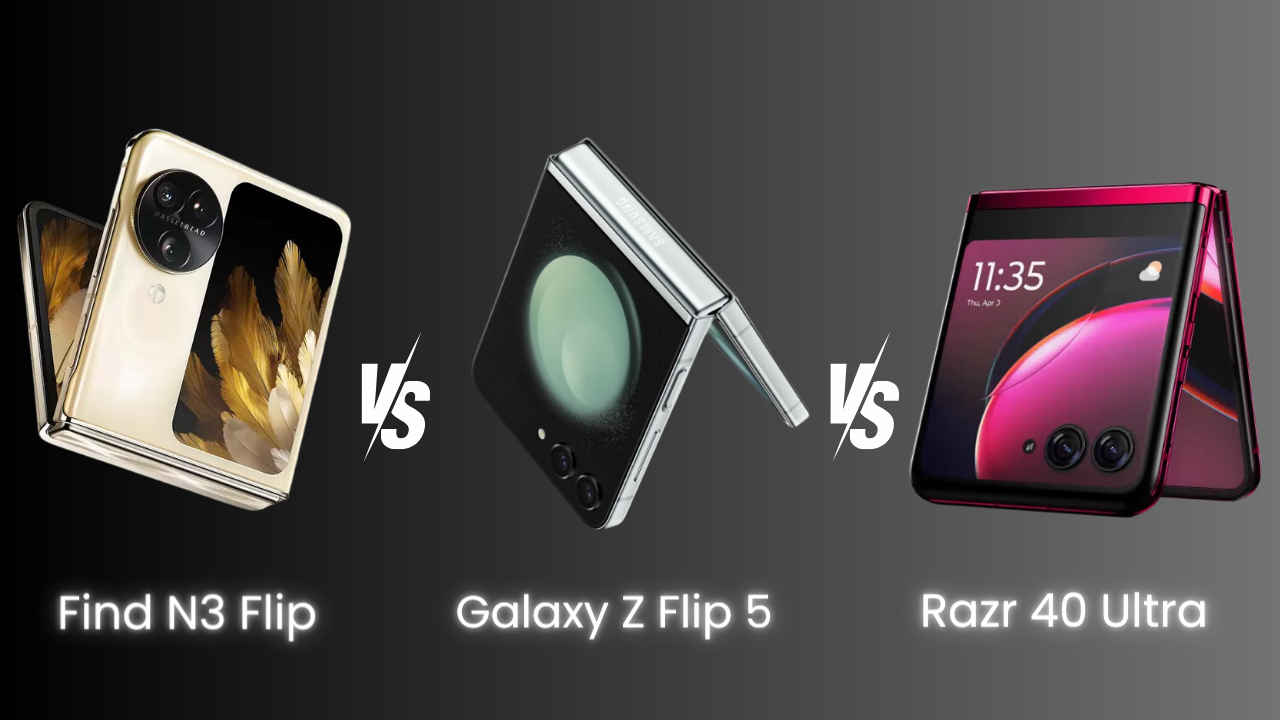
The cover display is a 3.26-inch AMOLED. This is more than just a screen for notifications—you can use it for quick replies, widgets, or even as a camera viewfinder. The vertical layout makes it different from the Motorola Razr+, which uses a horizontal cover screen.
Cameras: Triple Threat
Most flip phones offer basic cameras, but Oppo took a different path. The Find N3 Flip has a triple camera setup on the back:
- 50MP main sensor (Sony IMX890, f/1.8, OIS)
- 32MP telephoto lens (2x optical zoom)
- 48MP ultra-wide lens
This setup gives you much more flexibility. You get detailed photos, real portrait shots (thanks to the telephoto), and wide landscapes. The main camera is especially strong in low light. The selfie camera is a 32MP unit, and you can use the cover screen to take high-quality selfies with the main cameras, too.
Performance And Software
Inside, the Find N3 Flip uses a MediaTek Dimensity 9200 processor. This is a high-end chip that handles gaming, multitasking, and heavy apps without slowing down. The phone comes with 12GB of RAM and either 256GB or 512GB storage.
Oppo uses ColorOS 13 based on Android 13. This software is smooth, with many customization options. The cover screen has its own mini-apps, and you can control music, check notifications, and more without opening the phone. Software updates are promised for at least three years.
Battery Life And Charging
Battery size is 4300mAh, one of the largest for a flip phone. In daily use, you can expect a full day with moderate use. What makes the Find N3 Flip stand out is its 44W SuperVOOC fast charging. You can go from 0 to 50% in about 23 minutes. There’s no wireless charging, but the wired charging is much faster than many rivals.
Special Features
- Alert slider for quick sound/vibrate changes (rare on Android phones)
- Dual SIM support
- 5G connectivity
- Side-mounted fingerprint sensor
Real-world Usage Insights
Many users notice that the hinge feels more stable than on earlier Oppo models. The vertical cover screen is not as large as the Razr+, but it’s very usable for quick tasks. The triple camera setup is a true advantage for people who care about photography.
Motorola Razr+: The Return Of An Icon
Motorola’s Razr brand is famous. The Razr+ (also called the Razr 40 Ultra in some markets) brings back the nostalgia but adds modern tech. Motorola’s focus is on making the flip phone fun, customizable, and useful.
Design And Build Quality
The Razr+ is thinner and lighter than the Find N3 Flip, weighing about 188.5 grams. The hinge feels smooth, and the gap when closed is nearly invisible. Motorola offers different colors and even a vegan leather finish for some versions.
The phone has a Gorilla Glass Victus front and back, with an aluminum frame. It feels modern, but also familiar to anyone who remembers the original Razr. There is no official water resistance rating, so you need to be a bit more careful with spills.
Displays: The Power Of The Cover Screen
The main screen is a 6.9-inch pOLED display, with a resolution of 2640 x 1080 pixels and a 165Hz refresh rate. This makes it one of the fastest foldable displays available. The crease is visible but not annoying for most people.
The star is the cover display: a 3.6-inch pOLED panel that takes up almost the entire front when closed. Unlike the Oppo, this screen is wide and horizontal, and you can run nearly any app on it—including YouTube, games, or maps. This turns the closed phone into a small, usable device for many tasks.
Cameras: Focused And Fun
The Razr+ uses a dual camera setup:
- 12MP main sensor (f/1.5, OIS)
- 13MP ultra-wide lens (also works for macro shots)
The main camera takes good photos in daylight and decent shots in low light. The ultra-wide lens is great for group shots or creative angles. The 32MP front camera is used for video calls, but many people use the main cameras for selfies, thanks to the large cover screen.
Performance And Software
Under the hood is a Qualcomm Snapdragon 8+ Gen 1 processor. This is a very fast chip, though not the latest generation. You get 8GB of RAM and 256GB storage, which is enough for most users.
Motorola’s software, based on Android 13, is clean and close to stock Android. The cover screen is highly customizable, letting you choose which apps and widgets appear. Motorola promises up to three years of updates.
Battery Life And Charging
The Razr+ has a 3800mAh battery. This is a bit smaller than the Oppo, and heavy users may need to top up before the day ends. Charging is 30W wired, and there is 5W wireless charging—so you can charge on a wireless pad, but it’s slower than wired.
Special Features
- Supports eSIM and physical SIM
- Stereo speakers
- Side fingerprint reader
- Moto Actions (quick gestures for flashlight, camera, etc.)
Real-world Usage Insights
People love the cover display. It’s big enough to reply to messages, run full apps, and even play games—without opening the phone. The cameras are fine for social media, but not as advanced as Oppo’s setup.
Key Differences: Oppo Find N3 Flip Vs Motorola Razr+
Let’s make the comparison clearer by looking at the most important differences between these two foldable phones.
| Feature | Oppo Find N3 Flip | Motorola Razr+ |
|---|---|---|
| Main Display | 6.8″ AMOLED, 120Hz | 6.9″ pOLED, 165Hz |
| Cover Display | 3.26″ AMOLED (vertical) | 3.6″ pOLED (horizontal) |
| Processor | MediaTek Dimensity 9200 | Snapdragon 8+ Gen 1 |
| RAM | 12GB | 8GB |
| Storage | 256GB / 512GB | 256GB |
| Main Camera | 50MP + 32MP + 48MP | 12MP + 13MP |
| Battery | 4300mAh, 44W wired | 3800mAh, 30W wired, 5W wireless |
| Weight | 198g | 188.5g |
| Water Resistance | IPX4 | No official rating |
User Experience: Everyday Use Cases
Choosing a foldable phone is about more than specs. Here’s how each phone feels in daily life:
Multitasking And Productivity
The Oppo Find N3 Flip offers more RAM, making it better for heavy multitasking. If you keep many apps open or edit large photos, it stays smooth. The Razr+ is fast, but with less RAM, it may close background apps sooner.
Using The Cover Screen
- Oppo’s cover display is great for quick tasks, widgets, and selfies. Its vertical layout is easy to read but not ideal for watching videos or typing long messages.
- Motorola’s cover display feels like a small smartphone. You can use almost any app, watch YouTube, or reply to emails. It’s a big plus for people who want to do more without opening the phone.
Photography
If camera quality is a top priority, the Oppo Find N3 Flip is the clear winner. The triple camera system gives you more options and better results, especially in tough lighting. The Razr+ is fine for casual shots, but not for serious photography.
Battery Performance
The Find N3 Flip wins with a bigger battery and faster charging. Motorola’s Razr+ is good for light to moderate use, but power users may need a midday charge.
Durability
Both phones feel strong, but the Oppo offers IPX4 splash resistance, which adds peace of mind. The Razr+ lacks an official rating, so water exposure is riskier.
Software And Updates
Both brands promise at least three years of updates, which is important for security and features.
- Oppo’s ColorOS is rich with features and customization. Some users find it busier than stock Android, but it offers unique tools for the cover screen.
- Motorola’s software is clean and simple, with useful gestures (like twisting to open the camera).
One thing to note: Foldable phones often get software updates later than regular phones. Patience is sometimes needed for the latest Android version.
Price And Availability
Pricing can change based on region and storage option, but here is a general idea:
| Model | Approximate Price (USD) | Release Date |
|---|---|---|
| Oppo Find N3 Flip | $999 – $1,199 | September 2023 |
| Motorola Razr+ | $999 | June 2023 |
Oppo’s phone may cost a bit more, especially for the 512GB version. The Razr+ is easier to find in the US and Europe, while Oppo targets Asia and other regions. Always check local availability before buying.
Which One Should You Choose?
Both the Oppo Find N3 Flip and Motorola Razr+ are top choices for foldable fans, but they fit different needs.
- Choose the Oppo Find N3 Flip if:
- You care about camera quality and want more shooting options.
- You need a bigger battery and faster charging.
- You like extra RAM for multitasking.
- Water resistance matters to you.
- Choose the Motorola Razr+ if:
- You want the biggest, most useful cover screen for running full apps.
- You prefer a lighter, thinner phone.
- You love a clean, stock Android experience.
- Wireless charging is a must-have.
There are no clear winners—just the right choice for your lifestyle. If you want a camera powerhouse with a solid build, Oppo leads. For cover screen power and style, Motorola shines.

Two Non-obvious Insights
- Hinge Design Impacts Longevity: Users often overlook the importance of the hinge. Oppo’s hinge feels tighter and may last longer with heavy use. Motorola’s hinge is smoother but may collect more dust over time—regular cleaning helps.
- Software Optimization is Key for Foldables: Not all apps are optimized for folding screens. Oppo and Motorola both work with Google to support split-screen and cover display apps, but some third-party apps may behave strangely. Always test your favorite apps before committing.
Final Thoughts
Foldable phones are changing how we use technology. Both the Oppo Find N3 Flip and Motorola Razr+ show how far we’ve come from the simple flip phones of the past. Your choice depends on what matters most: powerful cameras and battery life, or a flexible cover screen and classic style. Take time to try both in person if you can—how a phone feels in your hand makes all the difference.
For more details on foldable phone technology, you can read the guide at Wikipedia.
Frequently Asked Questions
Is The Oppo Find N3 Flip Waterproof?
The Oppo Find N3 Flip has an IPX4 rating. This means it is splash resistant—it can handle light rain or accidental spills, but you should not submerge it in water.
Can I Run Any App On The Motorola Razr+ Cover Screen?
Yes, the Motorola Razr+ lets you run almost any app on its cover screen. You can watch videos, reply to messages, or even play games without opening the phone.
Which Phone Has Better Battery Life?
The Oppo Find N3 Flip has a larger 4300mAh battery and faster charging. It usually lasts longer than the Motorola Razr+, especially for heavy users.
Are Foldable Phones Durable?
Modern foldable phones like the Oppo Find N3 Flip and Motorola Razr+ use strong hinges and protective glass. Still, they need more care than regular phones. Avoid drops and keep the hinge clean for best results.
Which Phone Is Better For Photography?
The Oppo Find N3 Flip is better for photography. Its triple camera setup gives you more options and higher quality photos compared to the dual cameras on the Motorola Razr+.

