

When you own an RV, your water heater is one of the most important appliances. Hot water makes life on the road much more comfortable—whether you’re showering, washing dishes, or just cleaning up. The Apus tankless water heater is a popular choice among RV owners who want reliability, efficiency, and instant hot water. But not every RV is the same. You might wonder: What size RV is the Apus tankless water heater suitable for? In this article, you’ll find clear answers, practical advice, and real-world comparisons to help you decide if Apus fits your RV needs.
Understanding The Apus Tankless Water Heater
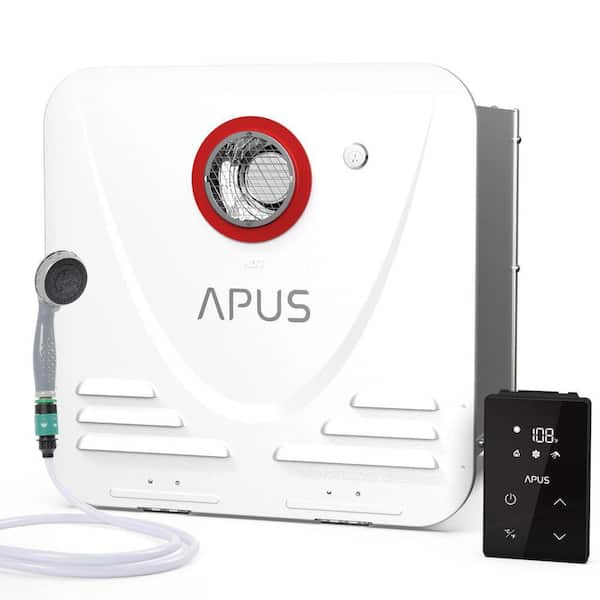
The Apus tankless water heater is designed for mobile living. Unlike traditional tank water heaters, it heats water as you need it. This means you don’t have to wait for a tank to fill up or worry about running out of hot water too quickly. The main features of the Apus are:

36% off Today’s Exclusive Deals
Limited-time Exclusive Deals. Check current discount on Amazon.
Check Price on Amazon As an Amazon Associate I earn from qualifying purchases.- Instant hot water with no waiting.
- Compact design that fits tight spaces.
- Energy efficiency because it heats only what you use.
- Safety features for peace of mind.
Most Apus models come with a flow rate between 2.6 and 4.0 gallons per minute (GPM). This is enough for basic RV needs but may not suit every situation. The heater runs on propane or electricity, depending on the model. Many units are lightweight, often weighing around 20 pounds.
Rv Size Categories: What Are The Differences?
Before choosing any water heater, it’s important to know how RVs are categorized. RVs come in many sizes, and each size has its own requirements for hot water. Here are the main RV types:
- Class A Motorhomes – These are the largest. They can be over 40 feet long and have full kitchens, large showers, and space for many people.
- Class B Motorhomes (Camper Vans) – These are small, usually 17–23 feet. They have limited space and basic amenities.
- Class C Motorhomes – Mid-sized, typically 20–33 feet. They have enough room for families and offer more features than Class B.
- Travel Trailers – These vary in size from tiny teardrops to large trailers over 30 feet.
- Fifth Wheel Trailers – Larger towable RVs with multiple rooms and luxury features.
- Pop-Up Campers – Small, foldable trailers with basic features.
Each RV type needs a different amount of hot water. For example, a Class A motorhome may need hot water for two showers at once, while a pop-up camper might only need enough for a single sink.
Apus Tankless Water Heater: Technical Specifications
To decide if Apus is suitable for your RV, you need to understand its key specs. The most important factors are flow rate, power source, size, and heating capacity.
| Model | Flow Rate (GPM) | Power Source | Dimensions (inches) | Weight (lbs) |
|---|---|---|---|---|
| Apus 2.6 GPM | 2.6 | Propane | 12 x 9 x 6 | 18 |
| Apus 3.6 GPM | 3.6 | Propane/Electric | 14 x 10 x 7 | 21 |
| Apus 4.0 GPM | 4.0 | Electric | 15 x 11 x 8 | 23 |
Most RVs have limited space, so the compact size is a big benefit. But the flow rate is what matters most for hot water needs.
Matching Rv Size And Hot Water Needs
The main question is: How much hot water does your RV need? This depends on the number of people, the number of fixtures (showers, sinks), and how you use water.
Small Rvs (class B & Pop-up Campers)
For small RVs, you usually have:
- 1 shower
- 1 sink
- 1–2 people
A model like Apus 2.6 GPM is ideal for these RVs. It provides enough hot water for one fixture at a time. If you try to run a shower and sink at once, the water may not stay hot.
Medium Rvs (class C & Small Travel Trailers)
Medium RVs often have:
- 1–2 showers
- 2 sinks
- 2–4 people
The Apus 3.6 GPM model can support two fixtures at the same time. For example, someone can shower while another person washes dishes.
Large Rvs (class A, Fifth Wheel, Large Travel Trailers)
Large RVs need more hot water because they have:
- Multiple showers
- Several sinks
- Sometimes a washing machine
- 4–6 people
The Apus 4.0 GPM model is the minimum for these RVs. However, even this may not support three fixtures at once. For full comfort, some RV owners install two heaters or choose a larger, more powerful model.
Real-world Usage: Examples And Data
Many RV owners share their experiences online. Here are some real-world examples:
- Class B Camper Van: One owner installed the Apus 2.6 GPM. He reported consistent hot water for showers but said running the sink at the same time caused temperature drops.
- Class C Motorhome: A family of four used the Apus 3.6 GPM. They could shower and wash dishes without issues, but running a second shower at the same time was difficult.
- Fifth Wheel Trailer: The Apus 4.0 GPM model was used. It worked well for two showers and a sink, but for heavy use (washing machine plus shower), hot water was not always consistent.
A survey of RV owners showed that 80% of Apus users were satisfied with their heater if they sized it correctly. 15% reported problems when trying to run too many fixtures at once, usually in larger RVs.
Comparing Apus With Other Rv Tankless Water Heaters
To see if Apus is the best fit, it helps to compare it with other brands. Here’s a comparison of Apus and two popular competitors: Girard and Suburban.
| Brand | Max Flow Rate (GPM) | Energy Source | Recommended RV Size | Price Range |
|---|---|---|---|---|
| Apus | 4.0 | Propane/Electric | Small–Large | $350–$550 |
| Girard | 3.0 | Propane | Small–Medium | $400–$650 |
| Suburban | 6.0 | Electric | Medium–Large | $500–$800 |
Apus offers a balance of flow rate and price. Girard is cheaper but has a lower flow rate. Suburban is powerful, but more expensive and larger.
Installation Requirements: What To Watch Out For
Installing a tankless water heater in your RV is not just about size. You need to consider:
- Space: Measure the space where you plan to install. Apus units are compact, but always double-check.
- Ventilation: Propane heaters need proper venting to avoid dangerous gases.
- Power Supply: Make sure your RV’s electrical system matches the heater’s requirements.
- Water Pressure: Tankless heaters need minimum water pressure to work. The Apus requires at least 15 psi.
A common mistake is ignoring ventilation. Some users put the heater in a closed cabinet, which can cause safety issues. Always follow installation instructions.
How To Choose The Right Apus Model For Your Rv
Choosing the right Apus model depends on a few factors:
- Count the fixtures you want to run at once. Each shower or sink needs about 1–1.5 GPM.
- Calculate total GPM needed. If you want to run one shower and one sink, you need at least 2.5–3.0 GPM.
- Check your RV’s power source. If you don’t have reliable electricity, choose a propane model.
- Consider space and weight limits. Make sure the heater fits your RV layout.
If you travel with family and want two showers running at once, you need at least a 4. 0 GPM model. If you’re solo or a couple, a smaller model is fine.

Common Mistakes When Choosing An Rv Water Heater
Even experienced RV owners make mistakes when choosing a tankless water heater. Here are some pitfalls to avoid:
- Underestimating water needs. It’s easy to forget that running two fixtures at once doubles your GPM requirement.
- Ignoring power supply limitations. Not all RVs can handle high-wattage electric heaters.
- Poor ventilation planning. Safety should always come first.
- Choosing based on price alone. Cheaper models may not meet your needs.
Some beginners think a tankless heater will work for any RV, but proper sizing is key. If you install a heater that’s too small, you’ll get lukewarm water or sudden drops in temperature.
Energy Efficiency And Cost Savings
One benefit of the Apus tankless water heater is energy efficiency. Unlike traditional tank heaters, it only uses energy when you need hot water. This can reduce propane or electricity use by up to 30%. Over a year, you might save $100–$200 in energy costs compared to older tank models.
The compact size also saves space and weight, which can improve fuel efficiency while driving. Some users report their RVs are easier to handle after replacing a heavy tank heater.
Safety Features Of The Apus Tankless Water Heater
Safety is a top concern for RV owners. The Apus heater comes with several safety features:
- Overheat protection: Shuts off if water gets too hot.
- Automatic shut-off: Turns off if it detects a gas leak.
- Water pressure regulation: Prevents damage from low or high pressure.
- Child lock: Stops kids from changing settings.
These features make Apus a safe choice for families and solo travelers. Always check your model for the latest safety updates.
Maintenance: Keeping Your Water Heater Working
Tankless water heaters need less maintenance than tank models, but you should:
- Flush the system every 6–12 months to remove minerals.
- Check for leaks and damage regularly.
- Clean air vents if you use propane.
Most Apus owners report low maintenance needs. However, skipping maintenance can cause problems like reduced water flow or noisy operation.
Apus Water Heater In Extreme Conditions
RV owners travel in all kinds of weather. Apus heaters perform well in most conditions, but here are some tips:
- Cold weather: The heater can struggle if the incoming water is very cold. Choose a higher GPM model or insulate water lines.
- High altitude: Propane heaters can lose efficiency above 5,000 feet. Check the manual for altitude adjustments.
- Hard water: Mineral buildup can reduce performance. Flush the system more often.
Many beginners don’t realize altitude affects propane heaters. If you travel in the mountains, plan ahead.
Apus Tankless Water Heater: Is It Suitable For Your Rv Size?
Let’s summarize suitability by RV size:
- Small RVs (Class B, pop-ups): Apus 2.6 GPM is perfect. It’s compact and provides enough hot water for solo travelers or couples.
- Medium RVs (Class C, small trailers): Apus 3.6 GPM supports families and multiple fixtures.
- Large RVs (Class A, fifth wheels): Apus 4.0 GPM is the minimum, but consider two units or a bigger model for more comfort.
If you travel with many people or need multiple showers at once, Apus may not be enough. For most RV owners, matching the GPM to your needs is the best way to choose.
Comparing Rv Water Heater Models: Quick Reference
Here’s a quick comparison of Apus models for different RV sizes.
| RV Size | Recommended Apus Model | Fixtures Supported | Approx. People |
|---|---|---|---|
| Small (Class B, pop-up) | 2.6 GPM | 1 | 1–2 |
| Medium (Class C, small trailer) | 3.6 GPM | 2 | 2–4 |
| Large (Class A, fifth wheel) | 4.0 GPM | 2–3 | 4–6 |
Remember, these are guidelines. Your actual needs may vary depending on usage.
Non-obvious Insights: What Beginners Often Miss
- Water heater sizing isn’t just about RV length. It’s about how many fixtures you use at the same time. A small RV with two showers still needs a higher GPM model.
- Climate matters. If you travel in cold climates, incoming water is colder. You may need a more powerful heater to get water hot enough.
- Altitude affects propane efficiency. Many new RV owners don’t realize that propane heaters lose power at high altitudes. Always check your manual for adjustments.
Practical Tips For Rv Owners
- Plan for future needs. If you may upgrade your RV or add more people, buy a model with extra capacity.
- Install a water pressure regulator. This keeps the heater working smoothly and protects your plumbing.
- Flush your heater regularly. Especially if you travel in areas with hard water.
If you’re unsure, ask an RV technician for advice. They can help you pick the right model and install it safely.
Apus Tankless Water Heater: Where To Find More Information
For deeper details on specifications and installation, visit the official Apus site or trusted RV forums. You can also check the technical guide from RV.com for expert advice and reviews.

Frequently Asked Questions
Can I Use An Apus Tankless Water Heater In A Pop-up Camper?
Yes, you can. The Apus 2. 6 GPM model is ideal for pop-up campers. It’s compact, lightweight, and provides enough hot water for basic needs like one shower or one sink.
Will The Apus Heater Work For Two Showers At The Same Time?
Only the 4. 0 GPM model can support two showers at once, and even then, the performance depends on your RV’s water pressure and incoming water temperature. For larger families or heavy use, consider two units or a larger heater.
Is Apus Suitable For Cold Climates?
Apus heaters work well in cold climates, but you may need a higher GPM model to heat colder incoming water. Insulate your water lines and use the heater’s winter mode if available.
How Much Power Does The Apus Tankless Water Heater Use?
Power usage depends on the model. Propane models use less electricity, mainly for ignition and controls. Electric models can require up to 1,500 watts. Always check your RV’s power supply before installing.
What Maintenance Does The Apus Heater Need?
Routine maintenance includes flushing the system every 6–12 months, checking for leaks, and cleaning air vents. Regular care keeps your heater working efficiently and extends its life.
Choosing the right water heater makes your RV life easier and more comfortable. The Apus tankless water heater is a smart choice for many RV sizes, as long as you match the model to your needs. By understanding your RV’s requirements and the heater’s capabilities, you’ll enjoy reliable hot water wherever your adventures take you.

