

Is The Apus Rv Tankless Water Heater Energy Efficient?
Choosing the right water heater for your RV is not just about comfort—it’s about saving energy and money. Many RV owners are looking for ways to cut power usage, travel longer, and reduce costs. The Apus RV tankless water heater claims to be energy efficient, but is it really? This article dives deep into the facts, data, and real-world experiences to help you decide. We’ll look at how the Apus compares to other types, what “energy efficient” means for RVs, and share practical insights that matter for your wallet and adventures.
Understanding Energy Efficiency In Rv Water Heaters
Before judging the Apus RV tankless water heater, it’s important to know what energy efficiency means in this context. For RVs, efficient water heaters use less gas or electricity, heat water quickly, and waste little energy. Traditional tank heaters keep water hot all the time, which uses energy even when you’re not showering or washing dishes. Tankless heaters only heat water when you need it.

36% off Today’s Exclusive Deals
Limited-time Exclusive Deals. Check current discount on Amazon.
Check Price on Amazon As an Amazon Associate I earn from qualifying purchases.Measuring Efficiency
RV water heater efficiency is usually measured by:
- Energy Factor (EF): Higher EF means better efficiency. EF is a ratio of hot water produced to energy consumed.
- Recovery Rate: How fast the heater can warm up water after use.
- Standby Loss: Energy lost when water sits in a tank and cools down.
Most RV tankless heaters have EF ratings between 0. 80 and 0. 98, while tank models are often between 0. 50 and 0. 65.
Why Efficiency Matters For Rv Owners
Efficient heaters save:
- Fuel: Lower propane or electric use means fewer refills and less cost.
- Battery Power: Essential for off-grid camping.
- Space: Tankless models are smaller, leaving room for storage.
But efficiency is not just about the numbers. Real-world use, climate, and water demand affect performance.
What Makes The Apus Rv Tankless Water Heater Different?
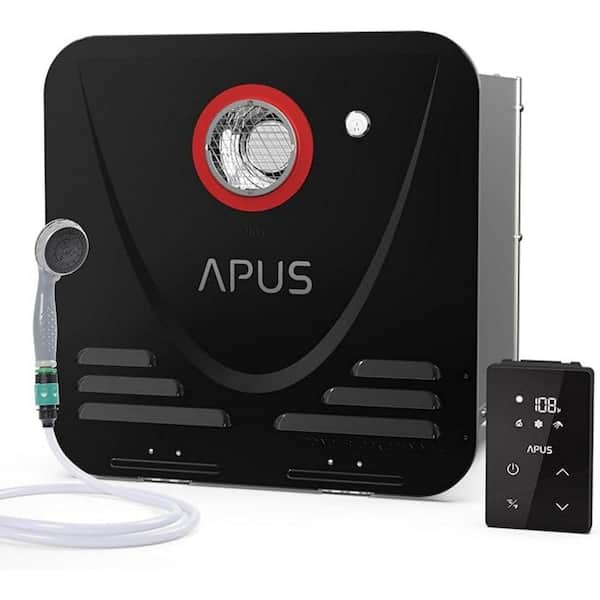
The Apus RV tankless water heater stands out for several reasons. First, it’s designed specifically for RVs, not just adapted from home units. It comes in several sizes and models, with both propane and electric options.
Key Features
- Instant Heating: Water heats as soon as you turn on the tap.
- Compact Size: Saves space compared to bulky tanks.
- Digital Temperature Control: Lets you set exact water temperatures.
- Low Water Flow Activation: Works even with low-pressure RV systems.
- Safety Sensors: Includes flame-out, overheat, and freeze protection.
These features promise not only convenience but also efficient energy use.
Comparing Apus To Other Rv Water Heater Types
Let’s see how the Apus stacks up against traditional tank heaters and other tankless options. Here’s a simple comparison:
| Feature | Apus Tankless | Traditional Tank | Other Tankless |
|---|---|---|---|
| Energy Factor | 0.92–0.98 | 0.50–0.65 | 0.85–0.95 |
| Heating Time | Instant | 10–30 min | Instant |
| Standby Loss | None | High | None |
| Size | Small | Large | Small |
| Water Flow Activation | Low (0.5 GPM) | Always on | Medium (1.0 GPM) |
| Cost (avg.) | $350–$550 | $250–$400 | $300–$700 |
This shows that the Apus is competitive, especially in efficiency and activation with low water flow.
Real-world Energy Savings: Data And Examples
Numbers matter, but so does practical experience. Let’s look at how much energy RV owners can expect to save with the Apus tankless heater.
Gas And Electric Use
- Propane Model: Uses about 10,000–18,000 BTU per hour, depending on water flow.
- Electric Model: Draws 1,500–2,000 watts when in use.
Compare this to tank heaters:
- Tank Model: Uses about 12,000–22,000 BTU per hour, but stays on longer due to standby heating.
- Electric Tank: Draws 1,500–1,800 watts, but cycles on/off for hours.
A typical RV owner may use hot water for 15–30 minutes a day. The Apus only uses energy during these times, while tank heaters use energy all day.
Example Calculation
Suppose you use hot water for 20 minutes daily:
- Apus Tankless (Propane): 20 min × 18,000 BTU/hr × (20/60) = 6,000 BTU per day.
- Tank Model (Propane): 20 min × 22,000 BTU/hr × (20/60) + standby (2 hr × 12,000 BTU/hr) = 7,333 + 24,000 = 31,333 BTU per day.
Over a week, Apus uses 42,000 BTU, tank model uses 219,331 BTU. That’s nearly 80% less energy.
Real User Reports
RV forums and owner reviews often mention:
- Longer battery life with electric Apus models
- Fewer propane refills for gas models
- Consistent hot water without waiting
One owner said, “We cut our propane use by half after switching to Apus. No more lukewarm water or wasted energy. ”

How The Apus Tankless System Works
Understanding how the Apus heater operates helps explain its efficiency.
Water Flow Activation
The Apus uses a flow sensor. When you open the faucet, water moves through the heater, triggering the burner or electric element. When you close the faucet, it shuts off instantly.
Temperature Control
Digital controls let you set the water temperature. The heater adjusts its power output to keep water at your chosen temperature, avoiding overheating and extra energy use.
Safety Features
Sensors protect against flame-out, freezing, and overheating. If water pressure drops too low, the heater shuts off. This prevents wasted energy and keeps you safe.
Installation And Maintenance: Impact On Efficiency
The way you install and care for your Apus heater affects its energy use. Proper installation ensures maximum efficiency.
Installation Tips
- Choose the right model: Match heater size to your RV’s water demand.
- Insulate pipes: Reduces heat loss, especially in cold weather.
- Check water pressure: Apus works with low flow, but very low pressure can reduce performance.
Maintenance
- Descale regularly: Hard water can build up inside, lowering efficiency.
- Clean air vents: For propane models, blocked vents waste fuel.
- Check connections: Leaks or loose fittings can waste energy.
A well-maintained Apus heater can last 8–12 years with little drop in efficiency.
Common Mistakes That Reduce Efficiency
Even efficient heaters can waste energy if used incorrectly. Here are mistakes RV owners often make:
- Oversizing: Choosing a model too big for your RV wastes energy.
- Bad insulation: Uninsulated pipes lose heat, making the heater work harder.
- Leaving faucets dripping: Continuous low flow keeps the heater running.
- Ignoring maintenance: Scale buildup or dirty sensors lower performance.
- Wrong temperature setting: Too high wastes energy; too low can cause repeated cycling.
Avoiding these mistakes helps you get the most out of your Apus heater.
Apus Rv Tankless Water Heater Vs. Competing Brands
Is Apus really better than other tankless RV heaters? Let’s compare with two popular brands: Girard and Suburban.
| Brand | Energy Factor | Activation Flow | Price | Digital Control | Warranty |
|---|---|---|---|---|---|
| Apus | 0.92–0.98 | 0.5 GPM | $350–$550 | Yes | 2 years |
| Girard | 0.90–0.95 | 0.7 GPM | $400–$600 | Yes | 2 years |
| Suburban | 0.85–0.92 | 1.0 GPM | $300–$500 | No | 1 year |
Apus leads in activation flow, meaning it works with low water pressure. Its energy factor is slightly higher, and digital controls are standard.
Environmental Impact: Is Apus Eco-friendly?
Energy efficiency also means less environmental impact. Using less propane or electricity reduces emissions and waste.
Lower Carbon Footprint
- Propane savings: Apus uses 60–80% less fuel than tanks.
- Electric savings: Less time heating, fewer generator runs.
This means fewer greenhouse gases, especially for RVers who travel often.
Reduced Water Waste
Because Apus heats water instantly, you don’t run faucets waiting for hot water. This saves gallons every week.
Cost Savings Over Time
Efficiency isn’t just about saving energy—it’s about saving money. Let’s look at long-term costs.
Initial Cost Vs. Savings
Apus heaters cost more up front than tank models. But over time, the savings add up.
- Propane use: Average RVers save 1–2 tanks per month.
- Electric use: Lower battery drain, less generator fuel.
- Maintenance: Fewer repairs and replacements.
After two years, most owners report saving $150–$300 in fuel and another $100 in maintenance. Over 10 years, the savings can reach $1,500 or more.

Apus Tankless Water Heater: Pros And Cons
No product is perfect. Here are the main pros and cons of the Apus RV tankless water heater:
Pros
- High energy efficiency
- Instant hot water
- Low activation flow
- Compact design
- Digital controls
- Strong safety features
- Long-term savings
Cons
- Higher upfront cost
- Sensitive to low water pressure
- Needs regular maintenance
- Can be noisy during operation
- Requires careful installation
Two Insights Beginners Often Miss
- Low Flow Activation Is Crucial: Many RV tankless heaters need high water flow to turn on. The Apus activates at 0.5 GPM, which means even small sinks or low-pressure systems get hot water. This is a game changer for boondocking or older RVs.
- Digital Control Saves More Than You Think: Setting an exact temperature avoids overheating and cycling, which wastes energy. Beginners often set heaters too high, but Apus’s digital control can help optimize usage.
Real-world Tips For Maximizing Efficiency
- Set the temperature just above lukewarm (110–115°F): This is comfortable and saves energy.
- Insulate all hot water pipes: It’s a small investment that pays off fast.
- Turn off heater when not needed: If you’re not using hot water for hours, power down for extra savings.
- Check for leaks regularly: Even tiny leaks can force the heater to run more.
Is The Apus Rv Tankless Water Heater Right For You?
If you want efficient hot water, lower energy bills, and a reliable system, the Apus is a strong choice. It’s especially good for RV owners who:
- Travel often
- Camp off-grid
- Have limited space
- Value eco-friendly features
But if you have very low water pressure or don’t want to pay more upfront, consider your options carefully.
For more technical details and certification info, you can check the manufacturer’s site or reliable sources like U.S. Department of Energy.
Frequently Asked Questions
How Much Energy Does The Apus Rv Tankless Water Heater Actually Save?
On average, the Apus saves 60–80% energy compared to traditional tank heaters. This comes from only heating water when needed and avoiding standby loss. Real-world users report cutting propane use in half and getting longer battery life when using electric models.
Can The Apus Tankless Water Heater Run Off Solar Power?
Yes, the electric Apus model can run on solar, but you need enough panels and battery capacity. With a 1,500–2,000 watt draw, you’ll need at least 400–600 watts of solar for short showers. For longer use, a generator or shore power may be needed.
Is The Apus Rv Tankless Heater Suitable For Winter Camping?
The Apus works well in cold weather, thanks to freeze protection and insulated design. However, you should insulate pipes and keep water flowing in freezing temperatures. If water pressure drops too low due to ice, the heater may shut off.
How Long Does It Take To Get Hot Water With The Apus Heater?
Hot water is available instantly (within 2–5 seconds) after turning on the faucet. Unlike tank heaters, there’s no waiting for water to warm up.
What Maintenance Does The Apus Rv Tankless Water Heater Need?
Regular maintenance includes descaling every 6–12 months, cleaning air vents, and checking for leaks. Maintenance is simple and helps keep efficiency high.
Final Thoughts
The Apus RV tankless water heater is a top performer when it comes to energy efficiency. It uses smart technology to heat water only when needed, helps RV owners save fuel, and offers instant comfort. While the upfront cost is higher than tank models, the savings in energy and maintenance pay off over time. With digital controls, low activation flow, and strong safety features, it’s a great fit for RVers who want reliable, eco-friendly hot water. For those who travel often, camp off-grid, or simply want to cut energy costs, the Apus stands out as a smart investment.

