

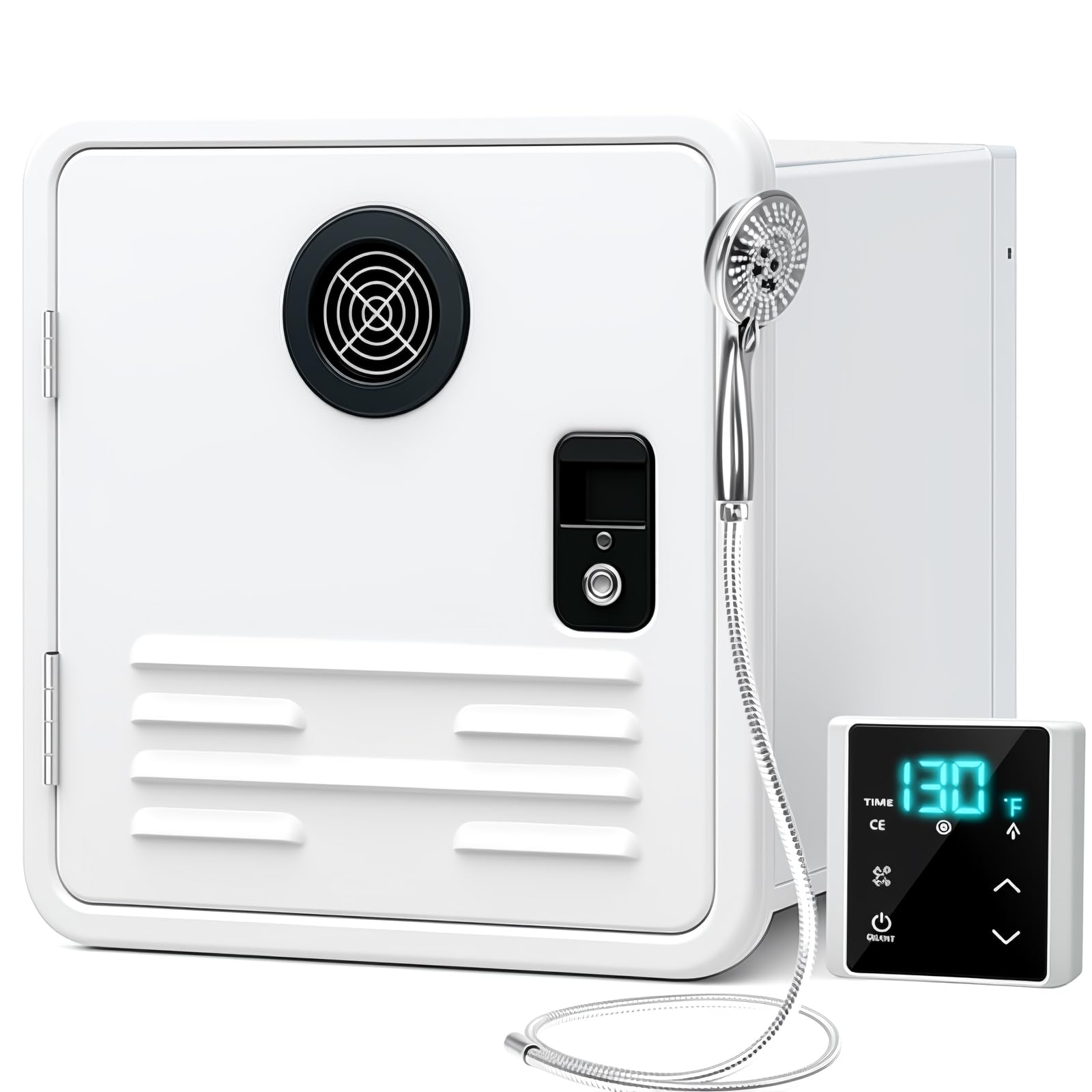
Many RV owners love the comfort of instant hot water provided by tankless water heaters. The Apus RV tankless water heater, known for its compact design and efficient heating, is especially popular with travelers who want hot showers on the go. But sometimes, you may notice your water pressure drops when using your Apus heater. Low water pressure can be frustrating, turning a relaxing shower into a weak trickle. Understanding what causes this problem is the first step to restoring steady, satisfying water flow in your RV.
This guide will help you find out why your Apus RV tankless water heater might have low water pressure. We’ll break down the most common causes, explain how the system works, and share practical troubleshooting tips. You’ll also learn two critical things that many beginners overlook and get clear advice to keep your system running smoothly.

36% off Today’s Exclusive Deals
Limited-time Exclusive Deals. Check current discount on Amazon.
Check Price on Amazon As an Amazon Associate I earn from qualifying purchases.By the end, you’ll know how to tackle low water pressure with confidence and keep your adventures comfortable.
How Apus Rv Tankless Water Heaters Work
Before jumping into the causes of low water pressure, it’s helpful to understand how these heaters operate. The Apus RV tankless water heater heats water only when you need it. Unlike traditional water heaters with a big tank, this system has a compact heat exchanger inside. When you turn on a hot water tap, cold water flows through the unit, and a gas burner or electric element heats it instantly.
Key Components
- Water inlet filter: Catches debris before water enters the heater
- Heat exchanger: Rapidly heats water as it passes through
- Flow sensor: Detects when water is moving and starts the heating process
- Control board: Manages temperature and safety functions
Because the system depends on water flow to trigger heating, any problem that restricts flow can reduce pressure and affect performance.
Common Causes Of Low Water Pressure
There are several reasons your Apus RV tankless water heater could be delivering low water pressure. Some are simple to fix, while others may need more investigation. Let’s look at the most frequent causes.
1. Clogged Water Inlet Filter
The water inlet filter is often the first place to check. This small mesh screen traps dirt and debris before they enter the heater. Over time, it can become blocked, slowing the flow.
Signs of a clogged inlet filter:
- Water pressure drops suddenly
- Only hot water flow is weak
- Cleaning the filter restores pressure (at least for a while)
It’s easy to forget about the filter, but even clear-looking water can carry tiny particles that build up.
2. Mineral Buildup In The Heat Exchanger
If you use hard water (water with a lot of minerals), scale can form inside the heat exchanger. This narrows the path for water, reducing pressure and making heating less efficient.
Key signs:
- Gradual pressure drop over weeks or months
- Fluctuating hot water temperature
- White or chalky deposits visible around connections
Descaling the unit regularly is essential, especially if you travel to areas with hard water.
3. Low Incoming Water Pressure
Sometimes, the problem isn’t the heater—it’s the water supply. RV parks, campgrounds, or your own freshwater tank may provide water at low pressure.
Examples:
- Other faucets in your RV also have low pressure
- Pressure gauge at the hookup shows less than 40 psi (pounds per square inch)
- Flow improves when connected to a different water source
Apus heaters need a minimum inlet pressure (often around 30 psi) to work well.
4. Partially Closed Or Faulty Valves
Every RV water system has several valves—shut-off, bypass, and sometimes check valves. If any of these are not fully open, or if a valve is faulty, water flow can be restricted.
What to check:
- Bypass valves near the heater (often used for winterizing)
- Main shut-off valve at the water source
- Any inline check valves that prevent backflow
Valve problems often go unnoticed after maintenance or winterization.
5. Kinked Or Damaged Water Lines
Flex hoses and plastic pipes can get kinked or crushed, especially in tight RV spaces. Mice and road vibrations may also cause leaks or cracks that lower pressure.
Look for:
- Visual kinks or bends in hoses
- Wet spots or drips under the RV
- Sections of line that feel soft or flattened
Fixing these can quickly restore normal flow.
6. Flow Restrictors Or Low-flow Fixtures
Some RVs have flow restrictors or low-flow showerheads to save water. While useful for conservation, these can make low pressure worse if the system already struggles.
- Remove or replace restrictors to test if pressure improves
- Make sure fixtures are clean and free of mineral buildup
7. Faulty Pressure Regulator
A pressure regulator protects your RV plumbing from high-pressure water sources. If it fails or is set too low, it can choke the flow to your heater and faucets.
Signs of a bad regulator:
- All fixtures have low water pressure
- Regulator is old or shows signs of wear
- Pressure returns when bypassing the regulator
Replace regulators every few years or if you notice performance drops.
8. Blocked Rv Water Pump Filter
If you’re using the onboard water pump (from your freshwater tank), a clogged pump filter can also reduce flow. Check and clean this filter, especially after filling from natural sources.
9. Electrical Or Control Issues
Tankless heaters use flow sensors and control boards to manage water heating. If a sensor isn’t working right, the heater may not respond to normal flow, creating the sense of low pressure.
- Error codes or warning lights on the heater display
- Water gets hot and cold unpredictably
- Heater doesn’t start even with the tap fully open
Electrical issues are less common but require careful troubleshooting.
10. Incorrect Installation Or Sizing
If your Apus tankless heater was installed incorrectly, or if it’s too small for your RV’s needs, you may experience low pressure.
Examples:
- Piping is too narrow for the unit’s flow rate
- Heater is located far from faucets, causing pressure loss
- The unit is rated for fewer fixtures than you use simultaneously
Always match heater capacity to your RV size and needs.
Diagnosing The Problem: Step-by-step
Finding the true cause of low water pressure is easier with a systematic approach. Here’s a step-by-step process to help you narrow down the problem.
1. Test All Water Sources
Run both hot and cold taps in your RV. If only hot water is low, the issue is likely within the heater or its connections. If both are low, look at the main supply or pump.
2. Check The Water Inlet Filter
Shut off water, remove the filter, and clean it under running water. If pressure improves, you’ve found the culprit.
3. Inspect For Visible Leaks Or Kinks
Trace water lines from the supply to the heater and faucets. Look for drips, wet spots, or sharp bends.
4. Test Incoming Pressure
Use a simple pressure gauge at the water hookup or before the heater. Compare to the manufacturer’s recommended minimum (often 30–50 psi).
5. Bypass Flow Restrictors
Temporarily remove restrictors from faucets and showerheads. If pressure improves, consider replacing them with higher-flow models.
6. Examine Valves And Regulators
Make sure all valves are fully open and the pressure regulator is set correctly.
7. Descale The Heat Exchanger
If you suspect mineral buildup, run a descaling solution through the heater following the manufacturer’s instructions.
8. Check For Error Codes
Consult your Apus heater’s manual for specific error codes. These can point to sensor or control issues.
Taking these steps, you can usually pinpoint the source of low pressure without expensive service calls.
How Water Pressure And Flow Rate Affect Each Other
Many RVers confuse water pressure (the force of water) with flow rate (how much water comes out per minute). Both are important, and both can impact your tankless heater.
Understanding The Difference
- Pressure (PSI): The force pushing water through pipes
- Flow Rate (GPM): The amount of water delivered (gallons per minute)
A high-pressure system can still have a low flow rate if pipes or the heater are restricted. Likewise, good flow won’t feel strong if pressure is low.
Why It Matters For Apus Tankless Heaters
Apus tankless units often require a minimum flow rate (such as 0.5 GPM) to activate. If your system can’t reach this due to low pressure or blockages, the heater won’t turn on, or water will be only lukewarm.

Comparing Common Causes: What’s Most Likely?
To help you quickly see which issues are most likely, here’s a simple comparison of common causes, their symptoms, and how easy they are to fix.
| Cause | Main Symptom | Difficulty to Fix |
|---|---|---|
| Clogged inlet filter | Sudden drop in hot water pressure | Easy |
| Mineral buildup | Gradual pressure loss, temperature swings | Medium |
| Low supply pressure | All faucets weak | Easy |
| Valve issues | Pressure drops after maintenance | Easy |
| Kinked lines | One fixture weaker than others | Medium |
| Faulty regulator | All fixtures weak, even on city water | Easy to Medium |
| Electrical/control faults | Error codes, heater doesn’t start | Medium to Hard |
Two Overlooked Insights For Beginners
Most guides stop at the basics, but here are two points beginners often miss:
1. Hot Water Prioritization:
Apus tankless heaters may reduce flow automatically to maintain water temperature, especially if incoming water is very cold or you ask for a high temperature. This can feel like low pressure, but it’s actually the unit protecting itself from overheating or under-heating.
2. Seasonal Effects:
In colder weather, water thickens and incoming supply pressure drops. At the same time, the heater works harder to bring water to your desired temperature, sometimes reducing flow as a safety measure. If you only notice low pressure in winter, this could be the reason.
Preventing Low Water Pressure In The Future
Once you solve the immediate issue, it’s smart to take steps to prevent it from happening again. Here’s how you can keep your Apus tankless water heater working at its best.
Regular Maintenance
- Clean the inlet filter every month (or more often in dusty areas)
- Descale the heater every 3–6 months if you use hard water
- Inspect water lines for kinks, leaks, or rodent damage
Monitor Water Quality
- Use a water softener if you frequently travel in hard water regions
- Install a sediment pre-filter at the RV’s main water hookup
Check System Settings
- Set the water temperature to a reasonable level (120–125°F) to avoid excessive flow restriction
- Make sure all valves are returned to normal position after winterizing
Upgrade Where Needed
- Replace old pressure regulators with adjustable models
- Use higher-flow showerheads and faucets if your system can handle it
Real-world Examples
Let’s look at two examples that show how low water pressure issues can develop in RVs using Apus tankless heaters.
Case 1: Sudden Low Pressure After Camping at a Muddy Site
An RV owner returns from a week at a dusty, rural campground. The hot water pressure drops to a trickle. After checking the cold water (which is fine), she cleans a muddy, clogged inlet filter on the Apus heater. Flow returns immediately.
Case 2: Gradual Drop Over a Summer Road Trip
A couple notices their hot showers get weaker after several months of traveling in the Southwest. They also see white deposits on faucet screens. After descaling the heat exchanger, flow improves, and the temperature stabilizes.

Comparing Apus To Other Rv Tankless Water Heaters
How does the Apus stack up against other popular brands when it comes to water pressure performance? Here’s a quick look:
| Brand | Min. Required Pressure (psi) | Min. Flow Rate (GPM) | Known Pressure Issues |
|---|---|---|---|
| Apus | 30 | 0.5 | Rare if maintained |
| Girard | 35 | 0.7 | Mineral buildup common |
| Suburban | 30 | 0.6 | Inlet filter clogs frequent |
| Truma | 29 | 0.4 | Few pressure complaints |
As you can see, Apus is competitive, but every brand can have low pressure if not maintained.
When To Call A Professional
If you’ve tried all the steps above and still have low water pressure, it may be time to call a certified RV technician. Professional help is especially important if you:
- Find electrical or control board issues
- See water leaks inside the heater unit
- Notice burned or damaged wires
A pro can quickly diagnose and fix complex problems, saving you time and frustration.
Frequently Asked Questions
Why Does My Apus Rv Tankless Water Heater Only Have Low Pressure With Hot Water?
If only hot water has low pressure, the issue is likely inside the heater or its immediate plumbing. Common causes include a clogged inlet filter, mineral buildup in the heat exchanger, or a malfunctioning flow sensor. Cold water pressure being normal points away from issues with your main supply or pump.
How Often Should I Descale My Apus Tankless Water Heater?
Descaling frequency depends on how hard your water is. If you travel often in areas with hard water, descale every 3–6 months. In softer water regions, once a year may be enough. Regular descaling prevents mineral buildup, which is a leading cause of low pressure.
Can A Faulty Water Pump Cause Low Pressure In My Apus Heater?
Yes. If you use the onboard water pump and it’s failing or has a clogged filter, it can’t deliver enough flow or pressure. This can make your heater behave as if it’s clogged or broken, even if it’s fine. Test with city water to compare.
What Should I Do If Cleaning The Inlet Filter Doesn’t Fix The Low Pressure?
If cleaning the filter doesn’t help, move to the next common causes: check for mineral buildup, inspect water lines for kinks or leaks, and ensure all valves are open. If you still have trouble, consult the user manual or call a technician to check for internal faults.
Where Can I Find Official Maintenance Instructions For My Apus Rv Tankless Water Heater?
You can find official guides, troubleshooting tips, and maintenance schedules on the manufacturer’s website or in the user manual. For reliable information, check the RV Water Heater Association.
Keeping your Apus RV tankless water heater in top shape helps ensure comfortable showers and trouble-free travels. With regular checks and the right troubleshooting steps, you can enjoy strong water pressure wherever the road takes you.

