

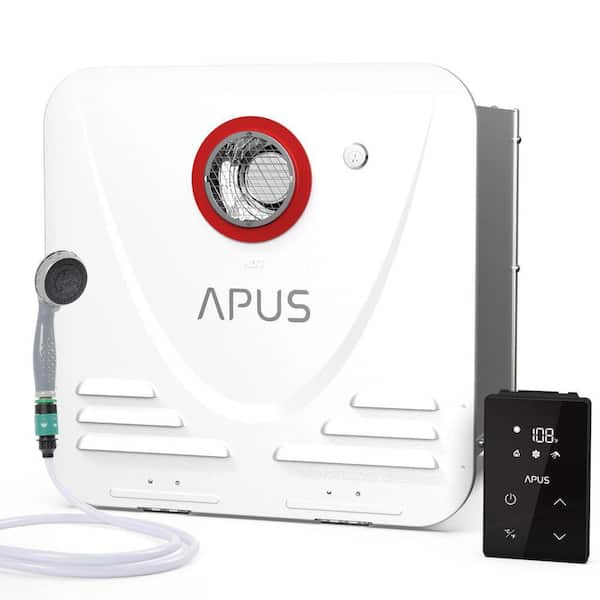
The world of recreational vehicles (RVs) is always evolving, bringing modern comforts to your adventures on the road. One upgrade many RV owners are excited about is the tankless water heater. Among these, the Apus RV tankless water heater stands out for its compact design, energy efficiency, and reputation for safety. But what safety features does the Apus model actually offer? If you’re considering this unit for your RV, it’s important to know how it protects you and your family from potential hazards. This article explores each safety mechanism, why it matters, and how it compares to other water heating solutions. By the end, you’ll have a clear picture of what sets the Apus apart, and whether it’s the right fit for your journey.
Why Safety Matters In Rv Water Heaters
Living in an RV means your appliances are closer to you than in a house. A water heater that malfunctions can cause more than inconvenience—it can lead to scalding, fire, gas leaks, or even explosions. Unlike stationary homes, RVs also move, which increases vibration and potential for connection failures. This makes robust safety features essential, not optional. With the growing popularity of tankless systems—which heat water on demand and do not store hot water—the technology and its safety protocols are under more scrutiny than ever.

36% off Today’s Exclusive Deals
Limited-time Exclusive Deals. Check current discount on Amazon.
Check Price on Amazon As an Amazon Associate I earn from qualifying purchases.Tankless water heaters use gas or electricity to heat water instantly. This efficient method reduces standby energy loss, but it also means the system works under higher pressure and temperature. Without the right safety mechanisms, a small fault can quickly become dangerous.
That’s why understanding the safety features in the Apus RV tankless water heater is a smart move before making a purchase.
Key Safety Features Of The Apus Rv Tankless Water Heater
The Apus RV tankless water heater comes with a suite of safety features, each designed to prevent or quickly respond to potential problems. Let’s look at the most important ones:
1. Flame Failure Protection
Gas-powered tankless heaters rely on a steady flame to heat water. If the flame goes out but gas continues to flow, there’s a risk of gas buildup and explosion. The Apus heater uses a flame sensor to monitor the burner. If the sensor detects the flame has gone out (for example, from wind gusts or low gas pressure), it cuts off the gas supply immediately. This reduces the risk of dangerous gas leaks inside your RV.
2. Overheat Protection
Because tankless heaters don’t store hot water, they must control the temperature as water passes through. If the heater detects water temperature above a safe limit (usually around 140°F or 60°C), an overheat sensor triggers a shutdown. This protects you from scalding and prevents damage to the unit. The Apus heater’s overheat protection is automatic and resets only when the unit cools down to a safe range.
3. Anti-freezing Protection
RVs often travel to cold locations, and water inside the heater can freeze, causing pipes to burst. The Apus system uses built-in temperature sensors and a small electric heating element to keep internal components above freezing. If the temperature drops too low, the anti-freeze system activates even when the heater is off (as long as it’s connected to power). This keeps water moving or applies gentle heat to vulnerable parts, preventing expensive repairs.
4. Dry Combustion Protection
Running a heater without water can damage the system and create fire hazards. The Apus heater includes flow sensors that detect when water is not present or flow is too low. If you try to run the unit dry, it will shut down and display an error code. This feature protects both your heater and your RV from overheating and fire risks.
5. Low Water Flow Protection
For safety, the Apus unit requires a minimum water flow to activate heating. If flow drops below this level (due to a clogged filter, kinked hose, or low supply), the burner will not ignite. This prevents the heater from running in unsafe conditions and reduces the chance of scalding or component damage.
6. High Water Pressure Protection
RV plumbing can experience sudden pressure spikes. The Apus heater includes a pressure relief valve that automatically opens to release excess pressure, usually above 100–150 psi. This valve prevents damage to the internal heat exchanger and pipes, and stops dangerous bursts or leaks.
7. Flame Roll-out Protection
A rare but serious risk is flame roll-out, when the flame escapes the burner chamber. This could start a fire in your RV. The Apus heater uses sensors near the combustion area. If abnormal heat or flame is detected outside the burner, the system shuts off gas immediately and locks out ignition until inspected. This feature adds a critical layer of fire safety.
8. Automatic Shutoff And Error Diagnostics
If any sensor detects a problem—overheat, flame failure, low water flow, or others—the Apus heater will automatically shut down. The display shows an error code to guide troubleshooting. This not only prevents further damage but also gives you a quick idea of what’s wrong, speeding up repairs.
9. Oxygen Depletion Safety Device (ods)
Tankless heaters need plenty of fresh air for safe combustion. If oxygen runs low (for example, in a tightly sealed RV), dangerous carbon monoxide can build up. The Apus unit is fitted with an ODS sensor that monitors air quality. If oxygen drops below a safe level, the heater shuts off to protect you from toxic gases.
10. Child Lock And User Safety Controls
Some Apus models offer a child lock feature. This prevents accidental changes to temperature or other settings by children, reducing the risk of scalding. The unit’s control panel is also designed for easy, error-free operation, with safety warnings and lockout options.

How These Features Work In Everyday Rv Use
Understanding safety features is one thing—knowing how they perform during real RV life is another. The Apus RV tankless water heater’s safety systems are designed for active, on-the-move use. Here’s how these technologies protect you day to day:
- Startup sequence: When you turn on the unit, it checks all sensors before igniting. If anything is wrong (like low water flow or blocked exhaust), it won’t start.
- Road vibration: The sensors are built to withstand vibration. Connections are reinforced to reduce false alarms or failures caused by movement.
- Cold weather: The anti-freeze feature means you don’t need to drain the system every night when temperatures drop. This is a big convenience for winter camping.
- Power outages: In case of power loss, most safety systems default to “off.” The gas valve closes, and heating stops until you restore power and reset the unit.
Comparison: Apus Vs. Other Rv Tankless Water Heaters
How does the Apus safety package compare with other popular brands? Here’s a quick look at key features side by side.
| Feature | Apus RV Tankless | Brand X | Brand Y |
|---|---|---|---|
| Flame Failure Protection | Yes | Yes | Yes |
| Overheat Sensor | Yes | Yes | Yes |
| Anti-Freeze System | Yes | No | Optional |
| Dry Combustion Protection | Yes | No | Yes |
| Pressure Relief Valve | Yes | Yes | Yes |
| Flame Roll-Out Sensor | Yes | No | No |
| Oxygen Depletion Sensor | Yes | Optional | No |
| Child Lock | Yes (some models) | No | No |
As you can see, the Apus RV tankless water heater includes more comprehensive safety coverage than many competitors, especially in areas like anti-freeze, roll-out protection, and child safety.
Real-world Scenarios: When Safety Features Save The Day
Safety features often go unnoticed—until something goes wrong. Here are some examples where Apus safety design can make a difference:
- Cold snap overnight: Temperatures drop below freezing. The anti-freeze system keeps water lines safe, preventing a costly and stressful plumbing repair.
- Accidental dry run: Someone forgets to open a water valve before starting the heater. The dry combustion sensor stops the system, avoiding burnt components and fire risk.
- Blocked exhaust vent: An animal or debris blocks the exhaust pipe. The oxygen sensor detects poor combustion and shuts down the unit before carbon monoxide becomes a danger.
- High water pressure after camp hookup: You connect to a campground water supply with unexpectedly high pressure. The pressure relief valve vents excess water, saving your pipes.
- Curious child presses buttons: The child lock feature prevents accidental changes in temperature, avoiding a scalding accident.
These real-world situations highlight why advanced safety features are not just marketing points, but vital parts of your RV living experience.
Installation And Maintenance Considerations
Even the best safety features can fail if the system is installed or maintained incorrectly. Here’s what you need to know about keeping your Apus heater’s safety systems working properly:
Professional Installation Is Key
The Apus RV tankless water heater must be installed according to the manufacturer’s instructions. Gas and electrical connections require special care. If installed poorly, safety sensors may not function as designed. Professional installation is highly recommended, especially for the first setup.
Regular Maintenance
- Annual inspection: Have a certified technician check all safety sensors, gas connections, and pressure relief valves each year.
- Clean intake and exhaust: Make sure nothing is blocking air flow. Dust, insects, or nesting animals can cause problems.
- Check error codes: If you see an error, don’t ignore it. Check your manual or contact support.
- Test in different conditions: Try operating your heater in both hot and cold weather before taking long trips.
Common Maintenance Mistakes
- Ignoring error codes: They’re not just warnings—they’re telling you something is wrong.
- Skipping annual checks: Small issues can grow into big problems if not fixed.
- Not draining before long storage: If storing your RV for months in cold weather, drain the system unless you can keep it powered for anti-freeze mode.
By following these steps, you ensure your heater’s safety features are always ready to protect you.

Advanced Safety Technologies Unique To Apus
While many RV water heaters share basic protections, the Apus line includes some less common, advanced technologies:
Self-diagnostics With Memory
The Apus heater stores records of past error codes and incidents. If a problem happens repeatedly, a technician can use the data to find the real cause quickly, reducing downtime.
Smart Monitoring
Some high-end Apus models can connect to your smartphone. You’ll get alerts if a safety system activates, even if you’re not inside the RV. This is especially helpful if you leave your RV in cold weather or want peace of mind while hiking or shopping.
Dual Redundant Sensors
For critical risks like overheat or flame failure, Apus uses two sensors instead of one. If one fails, the backup still protects you. This “fail safe” design is rare in RV heaters and demonstrates a higher commitment to safety.
Enhanced Child Safety
While most RV heaters simply lock the control panel, Apus adds a temperature cap feature. Even if a child unlocks the panel, water temperature cannot be set above a certain level without a special code.
These advanced features add extra layers of security, making the Apus a strong choice for families and full-time RVers.
User Experience: What Owners Are Saying
Real-world feedback from Apus RV tankless water heater owners gives important insight into how these safety features work in practice.
- Peace of mind: Owners often mention feeling more secure, especially when traveling with children or pets.
- Fewer cold showers: The anti-freeze system has saved many from waking up to frozen pipes.
- Responsive support: Apus customer service is often praised for helping interpret error codes and troubleshooting safety system triggers.
- No major incidents: There are very few reports of safety-related accidents, which suggests these features are effective.
However, some owners note that:
- Error codes can be confusing: Not all codes are clearly explained in the manual.
- False alarms: In rare cases, vibration or poor installation can trigger safety shutdowns.
- Power dependency: Anti-freeze and some sensors need 12V DC power. If your battery is low, these features may not work.
These reports highlight the importance of proper installation and understanding your system’s display messages.
Comparing Safety: Tankless Vs. Traditional Rv Water Heaters
You might wonder how the safety profile of the Apus RV tankless water heater compares with older, tank-based models. Here’s a summary:
| Safety Feature | Apus Tankless | Traditional Tank |
|---|---|---|
| Flame Failure Sensor | Yes | Some models |
| Overheat Protection | Yes | Usually |
| Anti-Freeze Protection | Yes | No |
| Dry Operation Protection | Yes | No |
| Water Pressure Relief | Yes | Yes |
| Oxygen Depletion Sensor | Yes | No |
| Child Lock | Yes | No |
While both systems offer basic overheat and pressure relief, tankless systems like the Apus have more advanced protections, especially for cold weather and air quality.
Non-obvious Insights For Beginners
- Anti-freeze protection is not just for winter: Even in spring or fall, a sudden cold snap can freeze your heater overnight. Many RVers overlook this risk until it’s too late.
- Oxygen sensors are crucial in newer, well-insulated RVs: Modern RVs are built tighter to save energy, which can trap combustion gases. An ODS feature becomes far more important in these conditions.
- Battery health matters: Safety systems like anti-freeze and error displays need 12V power. If your RV battery is weak or disconnected, some protection may be lost. Always check battery status before cold weather trips.
- Child lock is an overlooked benefit: If you have kids or even curious guests, locking controls avoids accidental hot water burns—a common RV injury.
- Error codes can be a friend: Don’t ignore or reset them without understanding the cause. They are designed to keep you safe, not just annoy you.
Frequently Asked Questions
What Should I Do If My Apus Heater Displays An Error Code?
First, check your user manual for the meaning of the specific code. Many errors are simple, like low water flow or a blocked vent. If you can’t fix the issue or the code repeats, turn off the heater and call a professional.
Can I Use The Apus Rv Tankless Water Heater In Freezing Weather?
Yes, the Apus heater has anti-freeze protection. It will keep water inside from freezing as long as the unit is connected to power. For extended periods in extreme cold, drain the system if you can’t keep it powered.
Is It Safe To Install The Heater Myself?
While some experienced RV owners do their own installations, it’s safest to use a certified technician. Gas and electrical connections are involved, and mistakes can disable safety features or even void your warranty.
How Does The Child Lock Work?
On models with this feature, you can activate the child lock from the control panel. This prevents accidental changes to temperature or other settings, reducing the risk of scalding or other injuries.
Does The Apus Heater Detect Carbon Monoxide?
The Apus heater includes an oxygen depletion sensor. If air quality drops, the heater will shut down, helping prevent carbon monoxide buildup. However, you should also install a separate carbon monoxide detector in your RV for full protection.
—
Traveling in your RV should be about adventure, not worry. The Apus RV tankless water heater brings comfort and peace of mind with its advanced safety features. From flame and overheat sensors to anti-freeze and child lock systems, the Apus is designed for the realities of RV life. Remember, safety depends on proper installation, regular checks, and understanding your unit’s alerts. Choose wisely, stay informed, and enjoy hot water on the road with confidence. For more details, visit the official Rinnai website or consult your RV technician for personalized advice.

