

If you own an Apus RV tankless water heater, you expect it to deliver hot water quickly and reliably. But sometimes, you press the ignition switch—and nothing happens. No hot water, no sound, just silence. This can be stressful, especially when you’re on the road or camping. Understanding why your Apus RV tankless water heater is not igniting can save you time, money, and frustration. In this guide, I’ll walk you through the most common reasons, explain how to diagnose the issue, and share practical solutions. Whether you’re a beginner or have some experience with RV systems, you’ll find clear steps, helpful data, and expert advice to get your water heater running again.
How Does An Apus Rv Tankless Water Heater Work?
Before diving into troubleshooting, it’s important to know how your tankless water heater functions. The Apus model uses propane gas and electronic ignition to heat water only when you need it. When you turn on a faucet, water flows through the unit. The heater senses this flow, opens the gas valve, and triggers the igniter to produce a flame. The heated water then travels to your tap. This entire process happens in a matter of seconds.

36% off Today’s Exclusive Deals
Limited-time Exclusive Deals. Check current discount on Amazon.
Check Price on Amazon As an Amazon Associate I earn from qualifying purchases.The design of tankless water heaters means there is no storage tank keeping water hot all the time. Instead, every part must work together instantly when you need hot water. This not only saves energy but also reduces the weight and space required in your RV.
Key Components
- Gas valve: Opens to allow propane flow. If it fails to open, the heater cannot light at all.
- Electronic igniter: Sparks to light the burner. Even a small misalignment can prevent ignition.
- Flow sensor: Detects water movement. Without enough flow, the heater will stay off to prevent dry firing.
- Control board: Coordinates all operations. This is like the “brain” of the heater.
- Thermal sensors: Monitor temperature for safety. If water gets too hot, these sensors will shut the system down.
If any part fails or loses connection, the heater may not ignite. Sometimes, more than one part can fail at once, especially after long periods of storage or exposure to moisture.
Common Reasons Why Your Apus Rv Tankless Water Heater Won’t Ignite
Several issues can prevent ignition. Let’s explore the most frequent causes, their symptoms, and what you can do.
1. Propane Supply Problems
If there is no propane, the unit cannot ignite. This is the most basic issue.
- Empty propane tank: Check the tank level before every trip. Cold weather can affect how full your tank seems.
- Closed valve: Make sure the valve is open. Sometimes, the valve can get stuck, so turn it gently but firmly.
- Blocked line: Inspect for kinks, clogs, or even oil residue in the line from old propane tanks.
Tip: Many RVers forget to check the propane tank before troubleshooting other areas. Sometimes, switching to a spare tank solves the problem instantly. Also, old hoses can develop leaks—use a soapy water solution to spot bubbles at connections, but never a flame.
2. Low Battery Voltage
The Apus water heater requires a steady 12V DC power supply. Low voltage can prevent the igniter from sparking.
- Weak RV battery: If voltage drops below 11 volts, the heater may not start or may click repeatedly.
- Loose wiring: Check connections at the control board and battery terminals, as vibration during travel can loosen them.
Example: If you notice dim lights or slow appliances in your RV, test the battery voltage with a multimeter. Also, batteries that sit unused for weeks can lose charge even if nothing is running.
3. Faulty Igniter Or Burner
The igniter creates the spark to light the burner. If it’s dirty or broken, ignition fails.
- Corroded igniter: Dirt, rust, or debris can block the spark. Even a thin layer of dust can make a difference.
- Damaged burner: Cracks or soot buildup reduce flame quality. Soot is often a sign of incomplete combustion.
Maintenance: Clean the igniter and burner annually using a soft brush. Avoid using metal tools, which can scratch the igniter or misalign parts. If you camp in areas with a lot of dust or insects, check more often.
4. Water Flow Issues
The heater only ignites if it detects water flow.
- Low water pressure: If flow is too weak, the sensor won’t activate. This can happen if your RV water pump is old or the campground supply is poor.
- Clogged filter: Sediment in the filter reduces flow. Hard water can build up deposits quickly.
Check: Make sure your water pump is working and filters are clean. Listen for pump sounds—if it’s struggling, check both the pump strainer and the water lines for blockages.
5. Control Board Failure
The control board is the brain of the heater. If it’s damaged, nothing works.
- Blown fuse: Replace the fuse if it’s burnt. Always use the same size and type as recommended.
- Moisture damage: Water leaks can short the board. Even small amounts of condensation can corrode contacts over time.
Warning: Never touch the board with wet hands. If you see green or white powder on the board, that’s corrosion—clean it with electrical contact cleaner.
6. Thermostat Or Temperature Sensor Faults
These sensors prevent overheating. If they malfunction, they may block ignition.
- Loose sensor: Reconnect or replace if necessary. A loose wire can create intermittent problems.
- Incorrect readings: Test with a multimeter. If readings are far from the expected range, replace the sensor.
When sensors fail, you may get random shut-offs or error codes that appear and disappear.
7. Air Intake Or Exhaust Blockage
The heater needs fresh air to burn propane and a clear exhaust to vent gases.
- Blocked vent: Leaves, insects, or nests can clog vents. Even a small obstruction can stop the heater from igniting.
- Dirty air filter: Clean or replace as needed. Filters that look clean may still be clogged with fine dust.
Insects, especially spiders, are attracted to the smell of propane. Always check vent screens for signs of webs or nests.
8. Error Codes On Display
Most modern Apus models display error codes.
- E1: Ignition failure (often from low gas or battery)
- E2: Flame sensor error (could be dirty or misaligned)
- E3: Water flow error (likely a clogged filter or low pump pressure)
Refer to your manual for code meanings and suggested actions. If you lose your manual, Apus support websites often have downloadable versions.
Diagnosing The Issue: Step-by-step Troubleshooting
You don’t need to be a technician to diagnose most ignition problems. Here’s a practical step-by-step approach:
- Check Propane Supply
- Inspect the tank level. If it feels light, refill or swap tanks.
- Open the valve fully. Sometimes, a half-open valve restricts flow.
- Smell for leaks (never use open flame). A rotten egg smell means a leak—close the tank and fix the leak before trying again.
- Verify Battery Voltage
- Use a multimeter to check for at least 12V DC at the heater terminals.
- Charge or replace batteries if needed. Don’t rely on dashboard gauges—they can be inaccurate.
- Inspect Igniter and Burner
- Remove the cover. Look for insects, soot, or corrosion.
- Look for dirt, rust, or damage. A slightly bent igniter can miss the burner gap.
- Clean gently. Use a soft brush and compressed air if available.
- Test Water Flow
- Turn on the tap and listen for water movement. Weak or sputtering flow means a pump or filter issue.
- Clean filters and check pump. Replace any old or clogged hoses.
- Examine Control Board
- Look for burnt fuses. If you replace a fuse and it blows again, call a technician—there’s likely a deeper issue.
- Check for moisture or corrosion. Dry the area before testing again.
- Check Air Intake and Exhaust
- Remove debris from vents. Don’t forget to check both intake and exhaust.
- Replace dirty filters. Always keep a spare in your RV.
- Read Error Codes
- Consult your Apus manual or online resources. Take a photo of the code for reference if you need help.
Real-world Example
A user in Arizona reported their Apus heater failed to ignite after winter storage. The culprit was a spider nest in the exhaust vent—a simple cleaning fixed the problem. This is a common issue, especially in warm climates where insects are active year-round.
Another owner found that a loose battery wire was causing intermittent ignition, which was solved by tightening the terminal.
Comparing Apus Tankless Water Heater Models
Different models have unique features and troubleshooting steps. Here’s a quick comparison:
| Model | Ignition Type | Common Issues | Error Code Display |
|---|---|---|---|
| Apus 10L | Electronic | Low battery, blocked vent | Yes |
| Apus 6L | Manual piezo | Dirty igniter, weak propane | No |
| Apus 12L | Electronic | Sensor fault, water flow | Yes |
Insight: Electronic ignition models rely more on battery voltage and control boards. Manual models depend on physical spark. If you have frequent battery issues, manual models can be more forgiving but offer fewer safety features.
Preventive Maintenance To Avoid Ignition Problems
Preventive care is always easier than emergency repairs. Here’s how to keep your Apus heater working smoothly:
- Clean igniter and burner yearly. This prevents soot buildup and corrosion.
- Inspect vents for blockages every month, especially before and after the camping season.
- Test battery voltage before trips. Weak batteries are the top cause of ignition trouble.
- Replace filters as needed. Hard water and sediment build up faster than you might think.
- Store your RV in a dry, clean area. Moisture can cause hidden corrosion.
Schedule Comparison
| Task | Recommended Frequency | Estimated Time |
|---|---|---|
| Clean igniter | Annually | 20 minutes |
| Check vents | Monthly | 10 minutes |
| Test battery | Before each trip | 5 minutes |
| Replace filter | Every 6 months | 15 minutes |
| Inspect control board | Annually | 15 minutes |
Tip: Setting reminders on your phone can help you stay on top of maintenance. Keep a small notebook in your RV to track when tasks were last performed.
Data: How Often Do Rv Tankless Water Heaters Fail To Ignite?
Let’s look at real numbers. According to a 2023 survey from RV Repair Club, 23% of RV owners report ignition failures at least once per year. Among Apus owners, 18% had ignition issues in the past 12 months. Most failures were traced to:
- Battery problems (41%)
- Propane supply issues (29%)
- Sensor faults (19%)
- Vent blockages (11%)
Non-obvious insight: Many ignition failures happen after RVs sit unused for several months. Seasonal checks are vital. If you store your RV for winter, run all appliances briefly every few weeks to keep parts in working order.

What To Do If You Can’t Fix The Ignition Problem
Sometimes, you’ve tried all steps and still can’t get your heater to ignite. Here’s what to do:
- Contact Apus customer support: They can guide you through advanced troubleshooting. Have your model number and error codes ready.
- Call a certified RV technician: If you suspect electrical or gas faults, or if repairs require opening sealed parts.
- Check warranty coverage: Repairs may be free if under warranty. Keep your purchase receipt and warranty documents handy.
Note: Never attempt repairs on the gas system unless you are trained. Even small leaks can be dangerous.
Safety Tips When Working With Tankless Water Heaters
Safety should always come first when dealing with propane and electrical systems.
- Turn off the propane and power before opening the unit.
- Never use open flames to check for gas leaks. Use a soapy water spray instead.
- Wear gloves and safety glasses during inspection.
- Keep children and pets away from the work area.
Mistake to avoid: Skipping safety steps to save time can lead to accidents or damage. If you feel unsure at any point, stop and seek help.
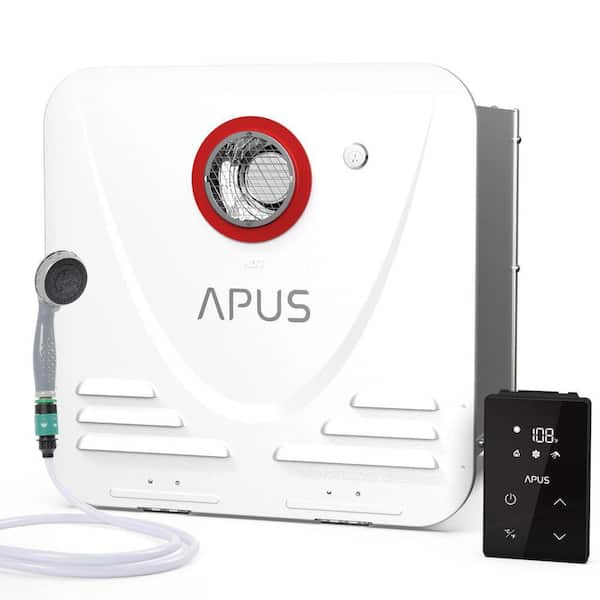
Upgrading Or Replacing Your Apus Rv Tankless Water Heater
If your heater is old or has repeated ignition failures, upgrading may be the best solution. Newer Apus models offer:
- Improved electronic controls for faster, more reliable ignition
- Better error code displays for easier troubleshooting
- Higher efficiency for lower propane use and faster hot water
Upgrade Comparison
| Feature | Old Models | New Models |
|---|---|---|
| Ignition reliability | Moderate | High |
| Error codes | Limited | Comprehensive |
| Efficiency | 75% | 87% |
| Warranty | 1 year | 2 years |
Practical advice: If your unit is over five years old, consider an upgrade to avoid frequent repairs. Newer models also use less propane and are quieter.
Environmental Factors That Affect Ignition
Ignition problems can be worse in certain conditions:
- Cold weather: Low temperatures reduce battery performance and can cause propane to flow slowly. Warming the propane tank slightly can help.
- Humidity: Moisture can corrode contacts, sensors, and control boards, especially if your RV is stored outside.
- Dusty areas: Dirt can block vents and clog filters. After traveling on gravel roads, check your heater for dust buildup.
Tip: Store your RV in a climate-controlled area when possible. If not, use covers and silica packs to absorb moisture inside.
Non-obvious Insights Beginners Often Miss
- Battery voltage drops faster in cold weather. Even if your battery seemed fine in summer, it may be too weak in winter. Charge batteries fully before cold storage.
- Small insects or spiders can block vents. Not just leaves—check for webs and nests before each trip. Adding fine mesh screens can help keep bugs out, but be sure not to restrict airflow.
When Is It Time To Call A Professional?
If you notice these signs, stop troubleshooting and call a technician:
- Smell of propane inside the RV
- Visible sparks or burning around the control board
- Repeated blown fuses
- Water leaks near electrical components
Confidence tip: It’s better to pay for expert help than risk your safety. Some repairs require special tools and training.

Frequently Asked Questions
Why Does My Apus Rv Tankless Water Heater Click But Not Ignite?
A clicking sound means the igniter is trying to spark, but something is blocking ignition. Common causes are low battery voltage, propane supply issues, or dirty igniter. Check these areas first. Also, listen for the sound of gas—if you don’t hear it, the valve may be stuck.
Can I Use Regular Household Propane For My Apus Rv Water Heater?
Yes, as long as the propane tank and regulator match the heater’s requirements. Always use RV-rated regulators and tanks for safety. Household tanks may have different pressure ratings—double-check before connecting.
How Do I Reset The Apus Tankless Water Heater After An Error?
Most models have a reset button near the control board. Turn off the heater, press the reset button, wait 10 seconds, and turn it back on. If the error persists, check the manual. Some models require unplugging the power for a full reset.
Is It Safe To Clean The Igniter Myself?
Yes, if you turn off the power and propane first. Use a soft brush or compressed air. Avoid using metal tools that could damage the igniter. If you’re unsure, watch a video tutorial or ask for help the first time.
Where Can I Find Official Troubleshooting Guides For Apus Heaters?
Visit the Apus Official Support Site for manuals, guides, and technical support.
Getting your Apus RV tankless water heater to ignite is often a simple process, but it requires careful checks and safe handling. By understanding how the system works, following step-by-step troubleshooting, and performing regular maintenance, you can enjoy reliable hot water wherever your travels take you.
If you face persistent ignition problems, don’t hesitate to seek expert help—your safety and comfort are worth it.

