

Every winter, millions of homes and workplaces rely on heaters to stay comfortable. But when a master heater stops working, the situation quickly turns frustrating. Whether it’s a portable forced air unit or a commercial heater, troubleshooting is often confusing for beginners. Many try random fixes, but waste time and money because they don’t understand the basics. In this guide, you’ll learn how to diagnose and fix common master heater problems like a pro—even if you have little experience.
Understanding Master Heaters
Before troubleshooting, it’s important to know how master heaters work. Most models are either forced air or radiant heaters. Forced air heaters use a fan to blow heated air, while radiant heaters warm objects directly. Master heaters are famous for their reliability, but even top brands like Master, Dyna-Glo, and Mr. Heater face problems over time.

36% off Today’s Exclusive Deals
Limited-time Exclusive Deals. Check current discount on Amazon.
Check Price on Amazon As an Amazon Associate I earn from qualifying purchases.Key parts include:
- Thermostat: Controls heat output.
- Ignition system: Starts the heater.
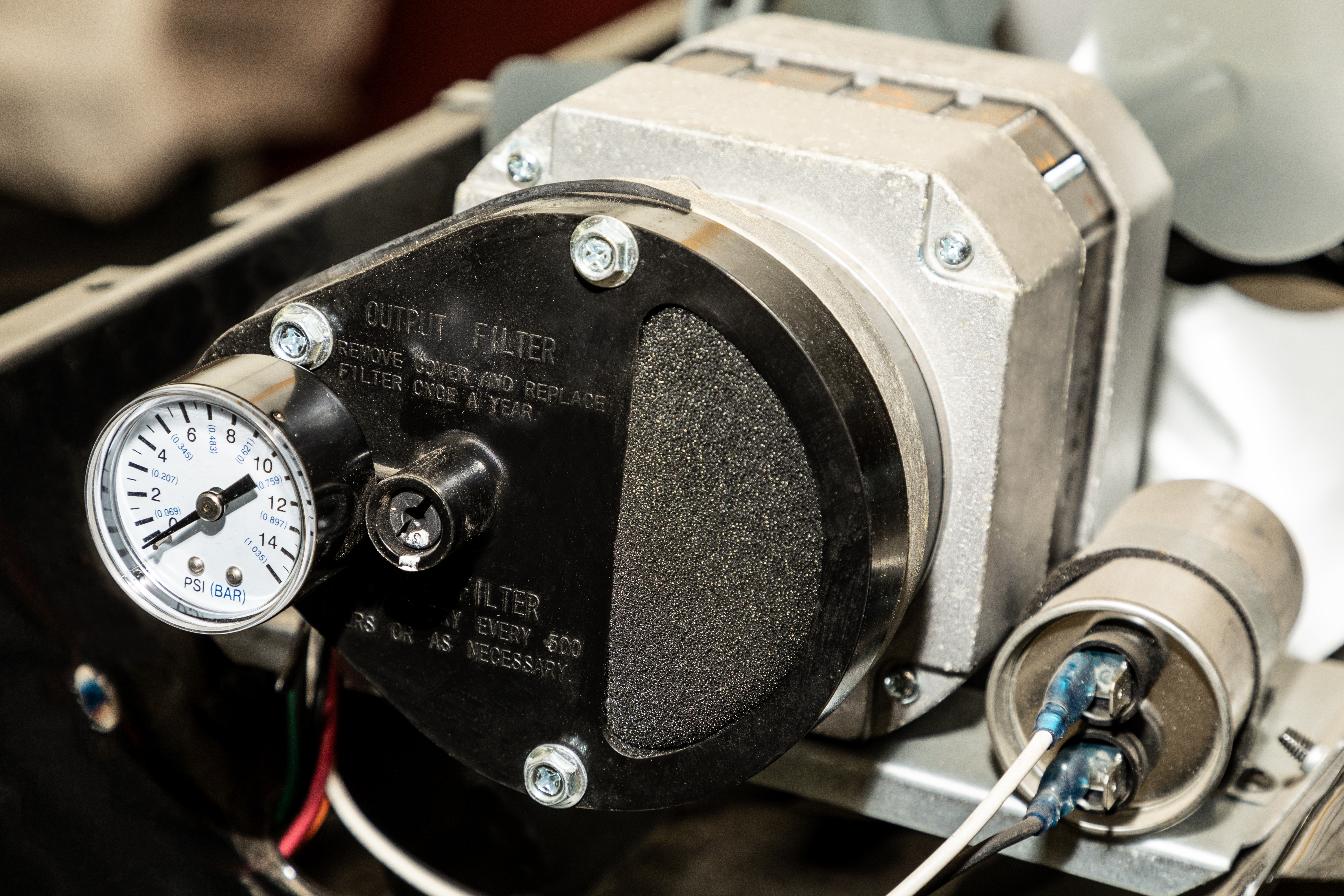
- Fan motor: Moves air.
- Fuel system: Delivers gas, kerosene, or diesel.
- Safety sensors: Prevent overheating or fires.
Knowing these parts helps you spot where problems may start.
Safety First: Essential Precautions
Before you begin troubleshooting, make safety your top priority. Heaters use high voltage, fuel, and produce heat—so mistakes can be dangerous.
- Always unplug electric heaters before opening.
- For fuel heaters, turn off the supply and let them cool fully.
- Work in a well-ventilated area to avoid carbon monoxide buildup.
- Wear gloves and safety glasses.
- Keep children and pets away from the work area.
If you’re unsure about any repair, call a qualified technician. Safety should never be compromised.
Diagnosing Common Master Heater Problems
Most heater issues fall into a few main categories. Learning to recognize the symptoms is half the battle. Here are the most frequent problems and their signs:
1. Heater Won’t Start
If the heater doesn’t turn on at all, check:
- Power source: Is it plugged in? Is the outlet working?
- Fuel level: Is there enough gas, kerosene, or diesel?
- Thermostat setting: Is it set above room temperature?
- Safety switch: Has it tripped?
Often, these simple checks fix the problem. If not, the issue may be deeper—like a faulty ignition or a broken sensor.
2. Heater Starts But Shuts Off Quickly
This usually means:
- Dirty air filter: Reduces airflow and triggers safety shutoff.
- Blocked fuel nozzle: Prevents proper combustion.
- Faulty flame sensor: Heater thinks there’s no flame.
Cleaning or replacing these parts often restores normal operation.
3. Weak Heat Output
If your heater runs but doesn’t produce enough warmth:
- Fan motor problems: Air isn’t moving well.
- Clogged burner: Fuel isn’t burning efficiently.
- Low fuel pressure: Not enough fuel reaches the burner.
Check these areas before adjusting the thermostat.
4. Unusual Noise Or Smell
Strange sounds or odors often signal mechanical or combustion issues:
- Squealing: Worn bearings or belts.
- Clicking: Faulty ignition or loose parts.
- Burning smell: Dust or debris inside, or overheating.
Never ignore these signs—they can lead to bigger problems or safety risks.
Step-by-step Troubleshooting Guide
Let’s break down how to fix master heater problems. Follow these steps in order for best results.
Step 1: Visual Inspection
Start with a close look. Check for:
- Loose wires or connectors.
- Signs of wear (cracks, corrosion, leaks).
- Dirt and debris inside the heater.
Sometimes, a simple cleaning or tightening solves the issue.
Step 2: Power And Fuel Checks
Test if the heater is getting power and fuel.
- For electric heaters, use a multimeter to check voltage.
- For fuel heaters, inspect lines for blockages or leaks.
Low voltage or restricted fuel can cause many symptoms.
Step 3: Thermostat And Controls
Make sure controls are working.
- Turn the thermostat up and see if the heater responds.
- Check switches and buttons for damage.
If controls aren’t working, replace them with compatible parts.
Step 4: Ignition System
For heaters with a spark or glow plug ignition:
- Inspect the igniter for cracks or burns.
- Clean or replace the igniter if needed.
- For electronic ignition, check wiring and control boards.
If the heater still won’t start, the ignition module may need professional attention.
Step 5: Airflow And Filters
Poor airflow causes shutdowns and weak heat.
- Remove and clean air filters.
- Check fan blades for dust buildup.
- Make sure vents aren’t blocked.
A clean system works better and lasts longer.
Step 6: Burner And Fuel Nozzle
Remove the burner cover and examine the nozzle.
- Clean out carbon deposits or soot.
- Replace damaged nozzles.
- For gas heaters, check for proper flame color (blue = good; yellow = poor combustion).
Dirty burners are a common reason for weak heat and shutdowns.
Step 7: Safety Sensors
Modern heaters have sensors for flame, temperature, and oxygen.
- Locate sensors and wipe them gently.
- If a sensor fails, replace it with the same type.
Sensors protect you from fires and gas leaks. Never bypass them.
Troubleshooting By Heater Type
Master heaters come in several types. Each has unique troubleshooting steps.
Forced Air Heaters
These are the most common in garages and workshops.
Typical problems:
- Fan won’t spin: Check motor and capacitor.
- Heater cycles on/off: Clean air filter and check thermostat.
- No heat, just air: Burner or fuel issue.
Radiant Heaters
Used for spot heating.
Typical problems:
- No glow: Replace heating element.
- Weak heat: Clean reflectors and check voltage.
- Shuts down: Sensor or control issue.
Oil/kerosene Heaters
These need careful fuel management.
Typical problems:
- Smoke: Use clean fuel and check nozzle.
- Odor: Clean burner and inspect for leaks.
- Won’t start: Prime fuel system and check igniter.
Comparison Of Master Heater Brands
Choosing a quality heater makes troubleshooting easier. Here’s a look at three leading brands:
| Brand | Key Features | Ease of Repair | Warranty |
|---|---|---|---|
| Master | Heavy-duty, wide range, reliable parts | Easy (parts widely available) | 1-3 years |
| Mr. Heater | Portable, efficient, popular for homes | Moderate (some unique designs) | 1 year |
| Dyna-Glo | Affordable, simple controls | Easy (simple construction) | 1 year |
Insight: Master brand heaters often have more accessible parts, making repairs less expensive. Mr. Heater models may use proprietary parts, so keep this in mind before buying.

Master Heater Maintenance Tips
Regular maintenance prevents most problems. Here’s how to keep your heater working well:
- Clean air filters every month during heavy use.
- Inspect fuel lines for leaks before each season.
- Check electrical connections for corrosion or looseness.
- Test safety sensors once a year.
- Store heaters properly—dry, dust-free, away from chemicals.
Many users skip maintenance, but it’s the best way to avoid breakdowns and expensive repairs.
Repair Or Replace? Making The Decision
Sometimes, it’s hard to know if you should fix your heater or buy a new one. Here’s a simple comparison:
| Condition | Repair | Replace |
|---|---|---|
| Heater is less than 5 years old | ✔️ | |
| Major parts (motor, burner) failed | ✔️ | |
| Minor issues (filters, sensors) | ✔️ | |
| Repeated shutdowns after repair | ✔️ | |
| Outdated safety features | ✔️ |
Tip: If your heater is old and parts are hard to find, replacement is usually more cost-effective. New models are safer and more energy efficient.
Advanced Troubleshooting: Tools And Techniques
If basic steps don’t solve the issue, use these advanced methods:
- Multimeter: Measures voltage, resistance, and continuity. Essential for electrical checks.
- Manometer: Checks gas pressure for fuel heaters.
- Infrared thermometer: Finds cold spots or uneven heating.
Many beginners miss the importance of correct fuel pressure. Low pressure can cause weak heat or shutdowns even if everything else looks fine. Another common mistake is ignoring wiring diagrams—always follow the manufacturer’s instructions to avoid damaging the heater.
Real-world Examples: Fixing Common Issues
Let’s look at two practical cases:
Example 1: Heater Won’t Ignite
A 50,000 BTU Master heater fails to start. Power is fine, but the igniter doesn’t glow.
Steps taken:
- Checked power supply and thermostat—both OK.
- Inspected igniter—found crack.
- Replaced igniter—heater started.
Lesson: Always inspect parts closely. Small cracks or damage can stop the heater.
Example 2: Heater Shuts Down After 5 Minutes
A kerosene heater starts, but shuts off quickly.
Steps taken:
- Cleaned air filter—no improvement.
- Checked flame sensor—covered in soot.
- Cleaned sensor—heater runs normally.
Lesson: Flame sensors are critical. Dirt or soot tricks the heater into shutting down.
Environmental Impact Of Heaters
Master heaters use fuel or electricity, so they affect the environment. Fuel-based heaters produce carbon monoxide and other gases. Electric heaters use grid power, which may come from fossil fuels.
Statistics:
- A typical 70,000 BTU fuel heater emits about 0.1–0.2 lbs of carbon monoxide per hour.
- Electric heaters use 1.5–2 kWh per hour, equal to about 1.5–2 lbs of CO2 from coal-based power.
Tip: Proper maintenance reduces emissions. Clean-burning heaters are safer and more efficient.
Energy Efficiency: Comparing Heater Types
Choosing the right heater can save energy and money. Here’s a comparison:
| Heater Type | Efficiency (%) | Typical Use |
|---|---|---|
| Forced Air (Gas) | 70–85 | Large areas |
| Radiant (Electric) | 100 | Spot heating |
| Oil/Kerosene | 75–80 | Outdoor, workshops |
Insight: Radiant electric heaters are more efficient, but forced air heaters cover larger spaces. Choose based on your needs.
Master Heater Troubleshooting Checklist
For quick reference, here’s what to check:
- Power supply and fuel levels.
- Thermostat and controls.
- Ignition system.
- Air filters and fan.
- Burner and nozzle.
- Safety sensors.
- Signs of wear or damage.
Most problems can be solved with these steps. For persistent issues, consult the manual or call a technician.
Frequently Asked Questions
What Should I Do If My Heater Smells Like Gas?
If you notice a gas smell, turn off the heater immediately. Open windows and leave the area. Check for leaks in fuel lines or connections. Never use the heater until you fix the leak. If unsure, call a professional. Gas leaks are dangerous and can cause fires.
How Often Should I Clean My Master Heater?
Clean your heater at least once a season for best performance. During heavy use, check filters and burners monthly. Clean sensors and inspect wiring yearly. Regular cleaning prevents shutdowns and extends heater life.
Can I Use Any Fuel In My Master Heater?
Always use the recommended fuel. Mixing fuels can damage the heater and cause unsafe operation. For kerosene heaters, use high-quality, low-sulfur kerosene. For gas heaters, use the specified gas type. Using the wrong fuel voids warranties and risks safety.
Why Does My Heater Keep Shutting Down?
Frequent shutdowns often mean blocked filters, dirty sensors, or low fuel pressure. Clean filters and sensors first. Check for leaks or blockages in fuel lines. If the problem continues, a faulty thermostat or safety switch may be the cause.
Is It Safe To Repair A Master Heater Myself?
Basic maintenance is safe for most people—like cleaning filters or replacing sensors. For complex repairs involving gas or electricity, it’s best to call a certified technician. Never bypass safety devices. Always follow manufacturer instructions.
Master heaters are reliable, but even the best need care and attention. By following these troubleshooting steps, you can fix most problems quickly and safely. Remember, regular maintenance is key to long-lasting performance. If you ever feel unsure, always seek expert help. For more detailed information, you can visit the official Master Heaters Support page. Stay warm, stay safe, and let your heater work for you—not against you.

